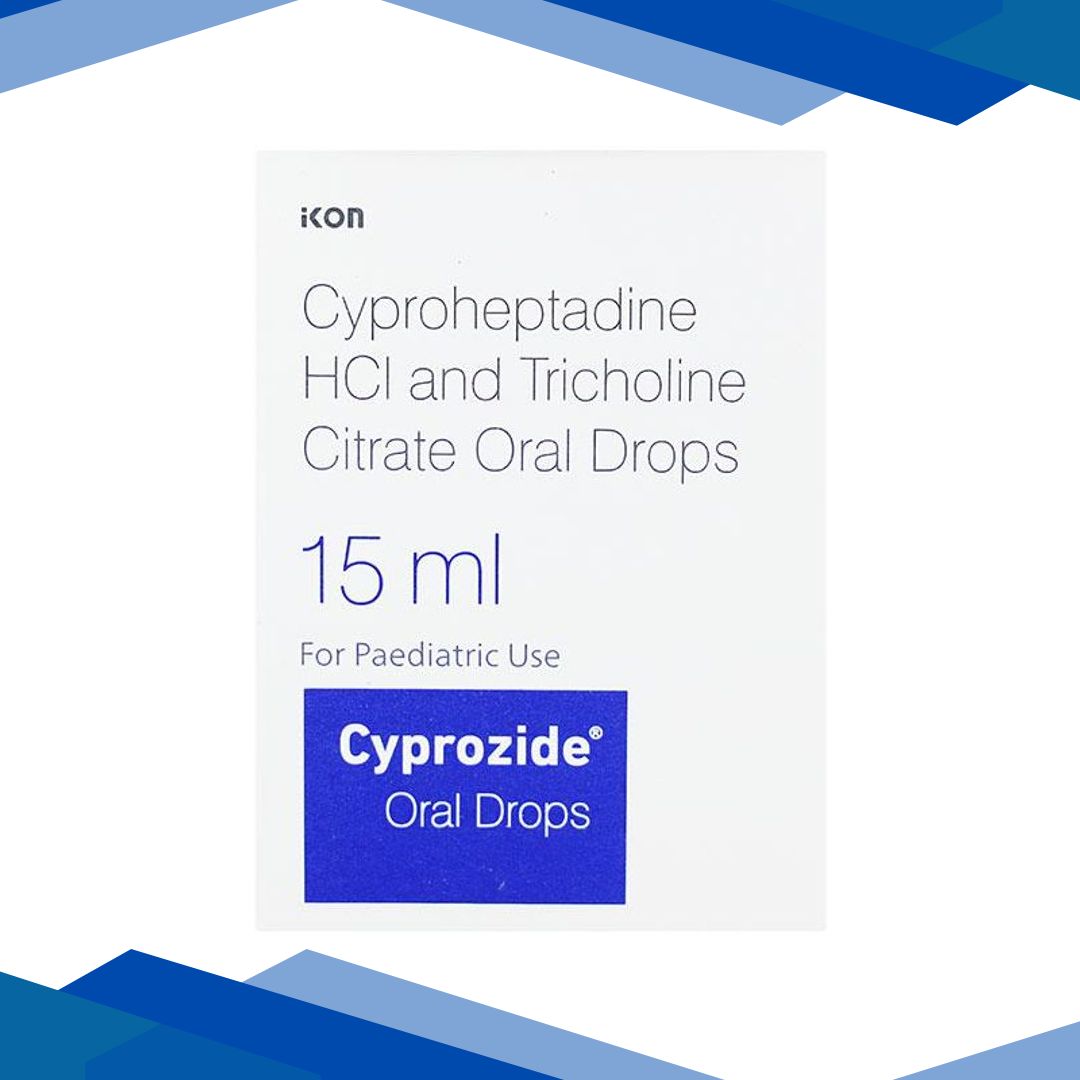
CYPROZIDE Oral Drops 15ml
❌ Due to high demand, this product is currently out of stock. New stock will be available shortly.
👉 Click here to Buy Same Salt medicine
CYPROZIDE Oral Drops is a bronchodilator medicine used to help open up the airways and make breathing easier. It contains two active ingredients that work together: CHOLINE THEOPHYLLINATE helps relax the muscles around the air passages, while TERBUTALINE further widens the airways by reducing tightening in the lungs. This combined action can relieve symptoms such as wheezing, shortness of breath, chest tightness, and cough caused by narrowing of the airways. It is commonly used in conditions like asthma, chronic bronchitis, and other breathing problems where the airways become constricted. Because it affects the heart and nervous system in some people, it should be used under medical guidance to ensure safe and appropriate treatment.
Description
CYPROZIDE Oral Drops is a medicine used to help relieve breathing difficulty caused by conditions in which the airways become narrowed or tight. it is commonly used in respiratory conditions where bronchospasm plays a major role, meaning the muscles around the airways contract and make it harder for air to move in and out of the lungs. by relaxing these airway muscles and improving airflow, this medicine can make breathing easier, reduce wheezing, and help lessen chest tightness.
this combination contains two active components that work in different but complementary ways. choline theophyllinate belongs to a class of medicines related to methylxanthines. it helps relax the bronchial muscles and may also improve the movement of the diaphragm, the main muscle involved in breathing. terbutaline is a bronchodilator that works by stimulating beta-2 receptors in the lungs, causing the airway muscles to relax quickly. together, these actions can provide symptomatic relief in patients who need help opening the airways.
this medicine is generally used in people who have breathing problems associated with reversible airway narrowing, such as asthma or chronic obstructive airway conditions where bronchospasm occurs. it may be prescribed when a healthcare professional believes that dual bronchodilation may help control symptoms. however, it is important to remember that this medicine does not cure the underlying disease. it helps manage symptoms, and patients still need proper medical evaluation, trigger avoidance, and in many cases additional long-term treatment for full disease control.
because this medicine can affect the heart, nervous system, and metabolism, it should be used carefully and only as directed by a healthcare professional. it may cause side effects such as tremor, palpitations, restlessness, or stomach upset, especially in people who are sensitive to bronchodilators or who use interacting medicines. for this reason, understanding how to use it correctly and knowing the warning signs is important for safe and effective treatment.
ingredients
- choline theophyllinate: this ingredient is a bronchodilator-related compound that helps relax the smooth muscles surrounding the airways. it supports easier breathing by reducing airway resistance and may also improve breathing muscle function. it is mainly useful for relieving bronchospasm and improving airflow in obstructive airway conditions.
- terbutaline: terbutaline is a beta-2 adrenergic bronchodilator. it acts on beta-2 receptors in the lungs to relax tightened bronchial muscles, which helps open the airways more quickly. it is particularly helpful for reducing wheezing, shortness of breath, and chest tightness related to airway constriction.
key uses
- relief of bronchospasm: this medicine is used to ease sudden or ongoing tightening of the airways, helping reduce wheezing and improve airflow. it is useful when the muscles around the bronchi become constricted and breathing becomes difficult.
- support in asthma symptoms: in patients with asthma, it may be used to help control symptoms such as breathlessness, chest tightness, and coughing caused by reversible airway narrowing. it does not replace preventive asthma therapy when long-term control is required.
- management of obstructive airway disease with bronchospasm: it may be prescribed in conditions like chronic bronchitis or copd when airway spasm contributes to poor breathing. the medicine can help provide symptomatic relief, though it does not reverse chronic lung damage.
- improvement of breathing comfort during airway narrowing episodes: by relaxing the airway muscles, it can help patients breathe more comfortably during flare-ups or episodes of respiratory tightness. this may improve physical activity tolerance and day-to-day breathing comfort.
how to use
CYPROZIDE Oral Drops should be taken exactly as directed by a doctor or pharmacist, because the appropriate schedule may depend on the patient’s condition, age, overall health, and response to treatment. it is generally taken by mouth, and many people are advised to take it at the same time each day to maintain a steady effect. following the prescribed instructions carefully is important because using too little may not relieve symptoms well, while using too much may increase the risk of side effects, especially heart-related and nervous system effects.
this medicine is usually taken with water, and some patients may find it easier to take it after meals if stomach upset occurs. if the product is in tablet or capsule form, it should be swallowed whole unless a healthcare professional says otherwise. do not crush, chew, or split modified-release forms, as doing so may change how the medicine is absorbed and increase side effects. patients should continue using any other respiratory medicines prescribed for long-term control, such as inhaled preventers, unless told otherwise by their doctor.
it is important to understand that this medicine may be part of a broader treatment plan. people with asthma or chronic lung disease often need regular monitoring, trigger avoidance, and adherence to inhaled therapies or emergency action plans. if symptoms suddenly become worse, if breathing does not improve, or if the patient needs frequent rescue treatment, medical review is necessary. this medicine should not be used more often than prescribed, and patients should not increase the dose on their own.
safety information
- warnings: this medicine can cause stimulation of the heart and nervous system. use caution in people with heart disease, high blood pressure, thyroid disorders, diabetes, seizure disorders, or a history of sensitivity to bronchodilators. seek urgent medical help if severe shortness of breath, bluish lips, chest pain, fainting, or rapidly worsening wheeze occurs. overuse can be dangerous and may worsen side effects without improving breathing adequately.
- side effects: common side effects may include tremor, nervousness, headache, nausea, stomach discomfort, palpitations, mild restlessness, or trouble sleeping. some people may also notice muscle cramps or a faster heartbeat. serious side effects can include severe palpitations, chest pain, marked tremor, vomiting, low potassium levels, irregular heartbeat, or signs of theophylline-type toxicity such as agitation or confusion. if severe reactions occur, medical attention is needed promptly.
- precautions: people with arrhythmias, coronary artery disease, uncontrolled hypertension, hyperthyroidism, epilepsy, significant liver disease, or a history of medication intolerance should use this medicine only with close medical supervision. it may not be suitable for people who are prone to stimulant effects or those already taking several medicines that affect the heart or metabolism. older adults may be more sensitive to side effects and may require closer monitoring.
- pregnancy/breastfeeding: use during pregnancy or breastfeeding should be discussed with a healthcare professional. terbutaline and methylxanthine-related medicines may be used only when the expected benefit outweighs the potential risk. since medicines can pass into breast milk or affect maternal heart rate and metabolism, a doctor should decide whether this combination is appropriate in each individual case.
- interactions: this medicine can interact with several prescription and non-prescription medicines. other bronchodilators, stimulants, caffeine, some antibiotics, certain heart medicines, and some antidepressants may increase side effects or alter blood levels. alcohol may worsen dizziness or make it harder to notice adverse effects. because theophylline-related medicines are known for interactions, patients should tell their doctor about all medicines, herbal products, and supplements they use.
additional information
- storage: store in a cool, dry place away from direct sunlight, moisture, and heat. keep the medicine in its original container and out of reach of children. do not store it in the bathroom or near a sink, where humidity may damage it. always check the packaging for specific storage instructions if provided by the manufacturer.
- missed dose: if a dose is missed, take it as soon as you remember unless it is almost time for the next scheduled dose. if it is nearly time for the next dose, skip the missed one and continue the regular schedule. do not take two doses at once to make up for a missed dose, because this may increase the risk of side effects.
- overdose: an overdose may cause severe nausea, vomiting, shaking, agitation, rapid heartbeat, palpitations, low blood pressure, or dangerous irregular heart rhythms. in serious cases, it may also lead to seizures or extreme restlessness. if overdose is suspected, seek emergency medical help immediately or contact poison control right away. do not wait for symptoms to worsen.
- habit forming: no, this medicine is not considered habit forming in the way addictive substances are. however, patients may become dependent on it for symptom relief if they have chronic lung disease, and stopping it suddenly without medical advice may worsen breathing problems. it should always be used as part of a supervised treatment plan.
frequently asked questions
Q: what is CYPROZIDE Oral Drops used for?
A: it is used to help relax the airways and relieve breathing difficulty caused by bronchospasm, such as wheezing, chest tightness, and shortness of breath in conditions like asthma or other obstructive airway diseases.
Q: how does CYPROZIDE Oral Drops work?
A: it works in two ways: choline theophyllinate helps relax airway muscles and improve breathing muscle function, while terbutaline stimulates beta-2 receptors to quickly open the airways.
Q: can i use this medicine for sudden severe asthma attacks?
A: it should not be relied on as the only treatment for a severe attack unless a doctor has specifically instructed you to do so. severe or worsening breathing trouble needs urgent medical assessment and may require emergency treatment.
Q: what are the most common side effects?
A: common side effects may include tremor, restlessness, headache, nausea, palpitations, and trouble sleeping. these effects are often related to the stimulant-like action of the ingredients.
Q: can this medicine affect the heart?
A: yes. it may increase heart rate or cause palpitations, and it should be used carefully in people with heart conditions or irregular heartbeat. medical supervision is important, especially if symptoms like chest pain occur.
Q: should i take this medicine with food?
A: it may be taken with or after food if it causes stomach upset, but follow the specific instructions given by your healthcare professional or product label. consistency in timing is often helpful.
Q: can i drink coffee while taking it?
A: caffeine may increase stimulation and side effects such as tremor, nervousness, or palpitations. it is often wise to limit caffeinated drinks and discuss your intake with a healthcare professional.
Q: is CYPROZIDE Oral Drops safe in pregnancy?
A: its use in pregnancy requires medical supervision. a doctor should assess whether the benefits outweigh possible risks before recommending it.
Q: can i stop taking it when i feel better?
A: do not stop or change the dose without medical advice. breathing conditions may still need ongoing treatment even when symptoms improve.
Q: what should i do if i miss a dose?
A: take it when you remember unless the next dose is near. if it is almost time for the next dose, skip the missed one and continue as usual. do not double the dose.
Q: when should i seek emergency help?
A: get urgent help if you develop severe breathing difficulty, chest pain, fainting, blue lips, severe palpitations, or signs of overdose such as confusion, severe vomiting, or seizures.
Q: does this medicine cure asthma?
A: no. it helps relieve symptoms by opening the airways, but it does not cure asthma or other chronic lung diseases. long-term management may require additional medicines and lifestyle measures.
[/faqs_dbm]
this information is for educational purposes only and should not be considered medical advice. always consult a qualified healthcare professional before use.
At Gem Pharmacy, we make every effort to provide accurate, expert-written, and thoroughly reviewed information related to medicines. However, this information should not be considered a substitute for professional medical advice, diagnosis, or treatment from a qualified doctor.
The purpose of this information is to educate users and improve communication between patients and healthcare professionals. It should not be used to diagnose or treat any condition.
Always consult a certified healthcare professional before taking any medication.


Related products