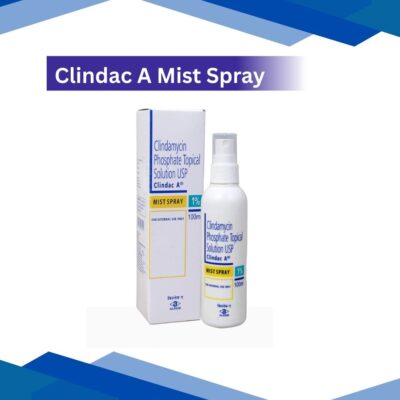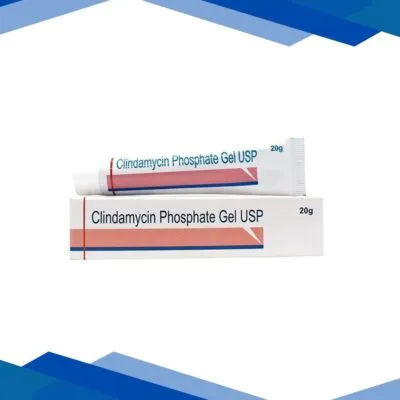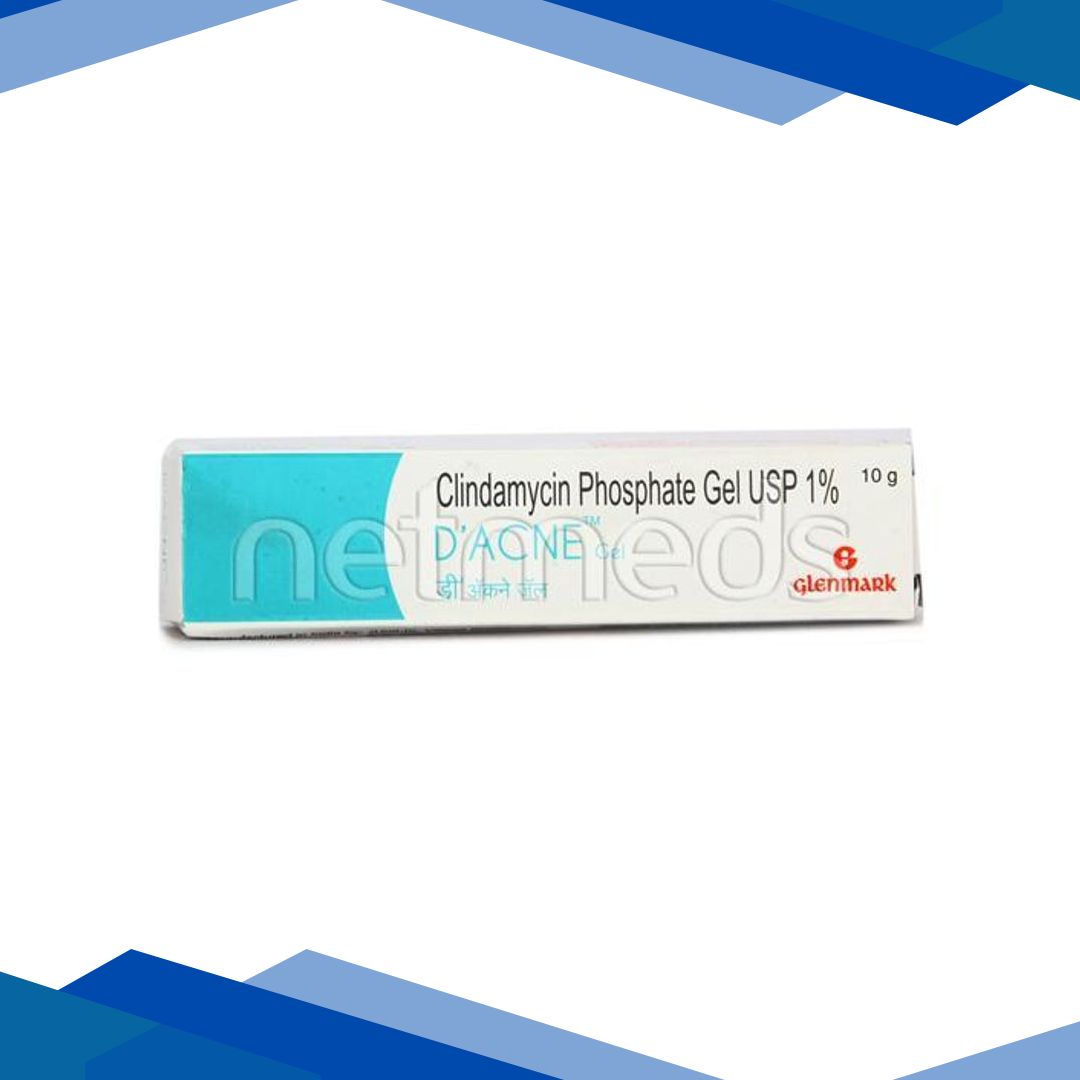
D Acne Gel 10gm
❌ Due to high demand, this product is currently out of stock. New stock will be available shortly.
👉 Click here to Buy Same Salt medicine
D Acne Gel is a topical medicine used mainly to treat acne. It combines three active ingredients that work together in different ways. Adapalene helps unclog pores and reduce the formation of new pimples by normalizing skin cell turnover. Clindamycin is an antibiotic that reduces acne-causing bacteria on the skin and helps calm inflammation. Zinc acetate may help support skin healing and further reduce irritation and excess oil. This combination is commonly prescribed for mild to moderate acne, especially when pimples, blackheads, and redness are present. It should be used under medical guidance to ensure the best results and to reduce the risk of skin irritation or antibiotic resistance.
Description
D Acne Gel is a topical medicine commonly used in the treatment of acne. it combines three ingredients that work in complementary ways to reduce clogged pores, inflammation, and acne-causing bacteria. this combination is designed for people who have mild to moderate acne, especially when pimples, blackheads, whiteheads, and inflamed red bumps occur together. because it is applied to the skin, it acts directly at the site of acne while minimizing whole-body exposure compared with oral medicines.
adapalene is a retinoid-like compound that helps normalize skin cell turnover. in acne, dead skin cells and oil can block hair follicles and form comedones, which are blackheads and whiteheads. adapalene helps prevent this blockage and also reduces inflammation within the skin. clindamycin is an antibiotic that lowers the number of acne-causing bacteria on the skin, helping reduce redness and swelling linked with inflamed acne lesions. zinc acetate is included for its supportive anti-inflammatory and skin-soothing effects, and it may also help reduce excess oiliness and irritation in some people.
this medicine is usually chosen when acne is not adequately controlled by simple skin care alone or when there are both clogged pores and inflamed pimples. it may be part of a larger acne management plan that includes gentle cleansing, non-comedogenic moisturizers, and sun protection. results are often gradual rather than immediate, and consistent use as directed by a healthcare professional is important. because it contains a topical antibiotic and a retinoid-type ingredient, using it correctly helps improve benefits while reducing the chance of side effects such as dryness or irritation.
although D Acne Gel is widely used and generally effective, it is not a cure for acne and may not be suitable for every patient. some users may need a different strength, another topical agent, or an oral treatment depending on acne severity, skin sensitivity, age, and overall health. a healthcare professional can determine whether this combination is appropriate and advise on the safest and most effective way to use it.
ingredients
- adapalene: a retinoid-like anti-acne ingredient that helps unclog pores by normalizing the shedding of skin cells. it reduces the formation of blackheads and whiteheads and also has anti-inflammatory activity, which can help calm red, irritated acne lesions over time.
- clindamycin: a topical antibiotic that helps decrease acne-associated bacteria on the skin and reduces inflammation around pimples. it is especially useful for inflamed acne lesions such as papules and pustules. proper use is important to reduce the risk of antibiotic resistance.
- zinc acetate: a supportive ingredient with anti-inflammatory and skin-balancing properties. zinc may help reduce irritation and may support acne improvement by helping calm the skin environment. it does not replace the main acne-fighting actions of adapalene and clindamycin but can complement them.
key uses
- acne vulgaris treatment: this medicine is used for common acne involving blackheads, whiteheads, inflamed bumps, and pustules. it helps address both clogged pores and bacterial/inflammatory components of acne.
- reduction of comedones: adapalene helps prevent and treat comedones, which are the plugged follicles that appear as blackheads and whiteheads. this is helpful when acne is driven by pore blockage.
- control of inflammatory acne lesions: clindamycin helps reduce the bacteria and inflammation associated with red, tender pimples. this can improve the appearance and discomfort of active acne flare-ups.
- supportive skin calming: zinc acetate may contribute to a less irritated skin environment and can support the overall acne treatment plan, especially in people whose skin becomes inflamed easily.
how to use
D Acne Gel is generally applied as a thin layer to clean, dry, acne-prone skin, usually once daily or exactly as directed by a healthcare professional. it is typically used in the evening because retinoid-like ingredients may increase sensitivity to sunlight and because nighttime application is often easier to incorporate into a routine. before applying, wash the face gently with a mild cleanser and pat the skin dry. wait a few minutes if the skin is very damp, since applying acne medicines to wet skin can increase irritation.
use only a small amount and spread it evenly over the entire affected area rather than spot-treating individual pimples only, unless your prescriber specifically advises otherwise. avoid contact with the eyes, eyelids, lips, corners of the nose, and broken or sunburned skin. after application, wash your hands unless your hands are the treated area. if dryness occurs, a non-comedogenic moisturizer may be used, preferably at a different time or after the medicine has absorbed. consistency is important, and improvement may take several weeks. do not increase the frequency or amount on your own, because this may worsen irritation without improving results.
safety information
- warnings: this medicine can cause skin irritation, peeling, dryness, redness, or burning, especially during the early weeks of treatment. avoid applying it to cuts, eczema, or severely irritated skin. use caution with other acne products that may be drying or irritating, such as scrubs, alcohol-based products, or strong exfoliants. because clindamycin is an antibiotic, long-term or inappropriate use may contribute to reduced effectiveness of antibiotics over time. if severe diarrhea occurs, especially watery or bloody diarrhea, seek medical help promptly, as this may signal a serious antibiotic-related bowel problem.
- side effects: common side effects include mild dryness, stinging, redness, peeling, itching, or temporary worsening of irritation when treatment begins. some people may experience increased sensitivity to sunlight. less common but serious effects can include severe allergic reaction, marked swelling, blistering, severe burning, or persistent diarrhea. stop using the medicine and contact a healthcare professional if you develop intense rash, facial swelling, trouble breathing, or signs of a severe reaction.
- precautions: people with a history of allergy to clindamycin, adapalene, or similar medicines should avoid use unless specifically approved by a clinician. those with very sensitive skin, eczema, rosacea, or severe dermatitis may need a different treatment plan. avoid excessive sun exposure, tanning beds, and harsh skincare routines while using this medicine. extra caution is needed if you are also using other topical acne treatments, because combining multiple drying agents may cause excessive irritation.
- pregnancy/breastfeeding: if you are pregnant, planning pregnancy, or breastfeeding, consult a healthcare professional before using this medicine. topical exposure is generally lower than oral treatment, but retinoid-related ingredients are usually used cautiously during pregnancy. when breastfeeding, avoid applying the medicine to the breast area or anywhere the infant may contact. a clinician can help weigh the benefits and safety in your situation.
- interactions: tell your clinician about all topical and oral medicines you use. other acne products such as benzoyl peroxide, salicylic acid, sulfur, resorcinol, alcohol-containing toners, or abrasive cleansers can increase dryness and irritation. some topical antibiotics or retinoids may also overlap in effect and raise the risk of skin discomfort. alcohol does not usually cause a direct drug interaction with topical use, but heavy alcohol use may worsen skin health and overall treatment adherence. if you are using medicines that suppress the immune system or have a serious skin condition, ask a healthcare professional for individualized advice.
additional information
- storage: store at room temperature in a dry place, away from excess heat, moisture, and direct light. keep the tube or container tightly closed and out of reach of children. do not freeze unless the label specifically allows it. discard the product if it changes color, texture, or smell in a way that suggests spoilage.
- missed dose: if you forget a dose, apply it when you remember unless it is close to the time for your next scheduled application. if it is almost time for the next dose, skip the missed one and continue your regular routine. do not apply extra medicine to make up for a missed dose, as this can increase irritation.
- overdose: overuse on the skin may cause severe redness, peeling, burning, or dryness. using too much does not improve acne faster and may worsen skin irritation. if a large amount is accidentally swallowed, seek medical help or contact a poison center right away. if symptoms are severe after heavy topical application, contact a healthcare professional for guidance.
- habit forming: no. D Acne Gel is not habit forming and does not cause dependence. however, acne may return if treatment is stopped too early or used inconsistently, so regular use as advised is important for maintaining benefits.
frequently asked questions
Q: what is D Acne Gel used for?
A: it is used mainly to treat acne vulgaris, especially when both clogged pores and inflamed pimples are present. adapalene helps clear blocked pores, clindamycin reduces acne-related bacteria and inflammation, and zinc acetate provides supportive skin-calming effects.
Q: how long does it take to see improvement?
A: many people need several weeks of consistent use before noticing clear improvement. some early irritation can happen before the skin begins to improve. full benefits often take more time, so it is important not to stop too soon unless a healthcare professional advises it.
Q: can i use moisturizer with this medicine?
A: yes, many people benefit from a gentle, non-comedogenic moisturizer to reduce dryness and peeling. it is usually best to use a mild formula that will not clog pores. if irritation is significant, ask a healthcare professional how to fit moisturizer into your routine.
Q: should i apply it in the morning or at night?
A: it is commonly applied at night because the adapalene component may increase sun sensitivity and nighttime use is often easier to tolerate. follow the instructions provided by your healthcare professional or the product label, since routines can vary.
Q: can this medicine make acne worse at first?
A: some users notice temporary dryness, redness, or a brief flare in irritation during the first few weeks. this does not always mean the medicine is failing. if the reaction is severe or does not improve, speak with a healthcare professional.
Q: what skin areas should i avoid?
A: avoid the eyes, eyelids, lips, inside the nose, and any broken, eczema-prone, or sunburned skin. apply only to the affected acne areas and use care to prevent accidental contact with sensitive surfaces.
Q: do i need sunscreen while using this medicine?
A: yes, sun protection is important because adapalene can make skin more sensitive to sunlight. use broad-spectrum sunscreen, wear protective clothing, and limit prolonged sun exposure to reduce the risk of irritation or sunburn.
Q: can i use makeup while on treatment?
A: in many cases, yes, but choose non-comedogenic and gentle products that do not clog pores or irritate the skin. remove makeup carefully at the end of the day and avoid harsh scrubbing.
Q: is it safe to use with other acne products?
A: sometimes, but combining multiple acne treatments can increase dryness and irritation. a healthcare professional can help decide whether to pair it with other products such as benzoyl peroxide or whether to simplify the regimen.
Q: what should i do if i develop severe diarrhea?
A: stop using the medicine and seek medical care promptly, especially if the diarrhea is watery, persistent, or bloody. this can be a warning sign of a serious antibiotic-related intestinal reaction that needs urgent attention.
Q: can i use this if i have sensitive skin?
A: possibly, but people with sensitive skin may experience more dryness and irritation. a clinician may recommend starting carefully, using a moisturizer, or choosing a different treatment if your skin reacts strongly.
Q: does zinc acetate help acne by itself?
A: zinc acetate is supportive rather than the main acne treatment in this combination. it may help calm inflammation and support skin balance, but the primary acne-clearing effects come from adapalene and clindamycin.
Q: should i stop the medicine once my acne improves?
A: do not stop or change treatment without medical advice, because acne may return if therapy is ended too early. maintenance plans are sometimes needed, and a healthcare professional can guide the best duration of use.
Q: what if my skin becomes too dry?
A: reduce irritation by using a gentle cleanser, applying a non-comedogenic moisturizer, and avoiding harsh skincare products. if dryness is severe, consult a healthcare professional before continuing, as the regimen may need adjustment.
this information is for educational purposes only and should not be considered medical advice. always consult a qualified healthcare professional before use.
At Gem Pharmacy, we make every effort to provide accurate, expert-written, and thoroughly reviewed information related to medicines. However, this information should not be considered a substitute for professional medical advice, diagnosis, or treatment from a qualified doctor.
The purpose of this information is to educate users and improve communication between patients and healthcare professionals. It should not be used to diagnose or treat any condition.
Always consult a certified healthcare professional before taking any medication.


Related products