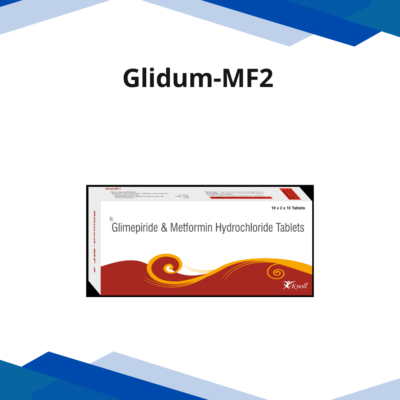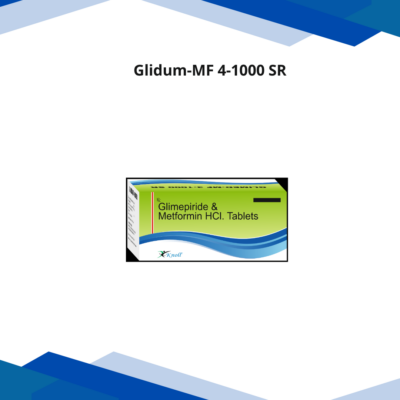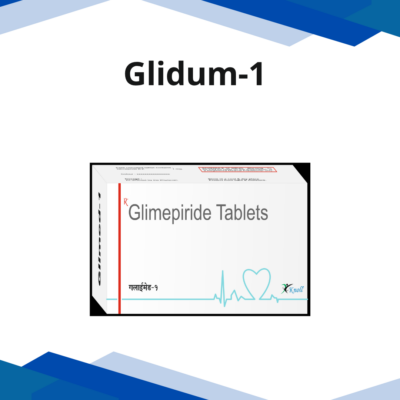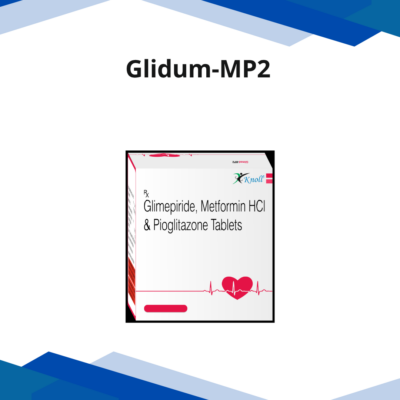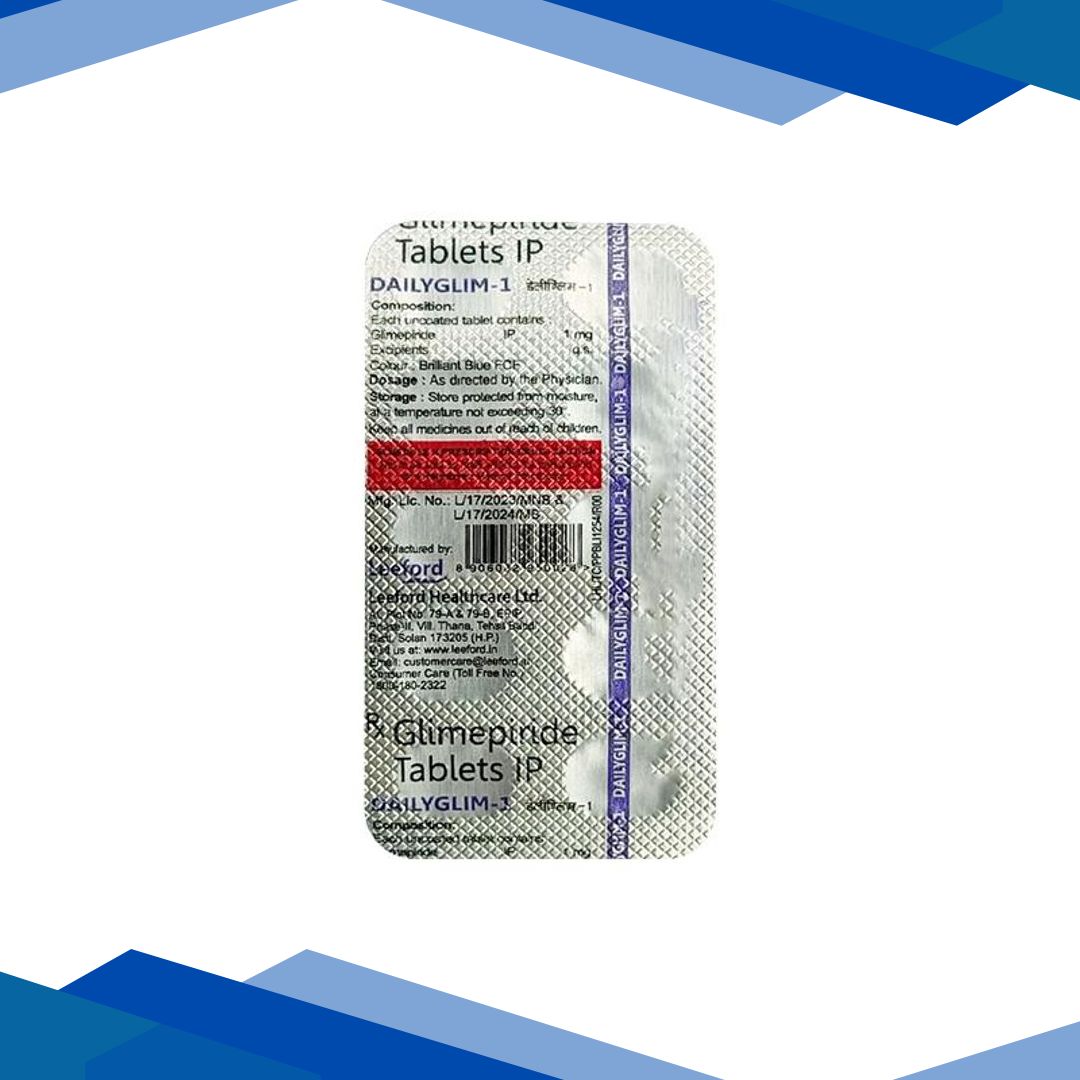
Dailyglim 1mg Tablet 10’S
Dailyglim 1mg Tablet is an oral medicine used to help lower blood sugar in people with type 2 diabetes. It belongs to a group of medicines that help the pancreas release more insulin, which allows sugar to move from the blood into the body’s cells for energy. By improving blood sugar control, Dailyglim 1mg Tablet can help reduce the risk of diabetes-related complications over time. It is commonly prescribed when diet, exercise, and lifestyle changes alone are not enough to manage blood glucose levels. Dailyglim 1mg Tablet works best as part of a diabetes care plan guided by a healthcare professional. Like all diabetes medicines, it should be used with regular monitoring to make sure blood sugar stays within a healthy range.
Description
Dailyglim 1mg Tablet is an oral anti-diabetic medicine used to help lower blood sugar in people with type 2 diabetes mellitus. it belongs to a group of medicines known as sulfonylureas, which work by helping the pancreas release more insulin. insulin is the natural hormone that allows sugar from the bloodstream to move into the body’s cells, where it is used for energy. in type 2 diabetes, the body either does not make enough insulin or does not use it effectively, leading to elevated blood glucose levels. Dailyglim 1mg Tablet helps improve this condition by stimulating the pancreas to produce more insulin and by improving the body’s response to that insulin.
this medicine is generally prescribed as part of a broader diabetes management plan that also includes a healthy diet, regular physical activity, weight management, and routine blood sugar monitoring. it is not used to treat type 1 diabetes or diabetic ketoacidosis, because those conditions require different forms of insulin-based treatment. Dailyglim 1mg Tablet is most effective when the pancreas still retains some ability to make insulin, which is why it is specifically used for type 2 diabetes.
although Dailyglim 1mg Tablet can be very helpful in controlling blood sugar, it must be used carefully because it can cause blood sugar to drop too low, a condition called hypoglycemia. the risk is higher if meals are skipped, physical activity is increased unexpectedly, alcohol is consumed, or the medicine is taken with other glucose-lowering drugs. people taking Dailyglim 1mg Tablet should understand the warning signs of low blood sugar and know how to respond quickly. regular follow-up with a healthcare professional is important to make sure the medicine is working safely and effectively.
in some cases, Dailyglim 1mg Tablet may be used alone, while in other cases it may be combined with other antidiabetic medicines when blood sugar is not adequately controlled with one treatment alone. the exact choice of therapy depends on the individual’s glucose levels, overall health, kidney and liver function, risk of low blood sugar, and other medicines being taken. because diabetes is a long-term condition, treatment often needs ongoing adjustment under medical supervision.
ingredients
- Dailyglim 1mg Tablet: this is the active ingredient responsible for lowering blood glucose. it stimulates insulin release from the beta cells of the pancreas and helps reduce fasting and post-meal blood sugar levels in people with type 2 diabetes. its main benefit is improved glucose control, which can help lower the risk of diabetes-related complications when used appropriately.
- inactive ingredients: depending on the brand or formulation, the tablet may contain inactive substances such as fillers, binders, disintegrants, coloring agents, and coating materials. these ingredients do not treat diabetes directly, but they help form the tablet, maintain stability, and support proper absorption. the exact inactive ingredients may vary by manufacturer.
key uses
- management of type 2 diabetes mellitus: Dailyglim 1mg Tablet is used to help lower elevated blood sugar in adults with type 2 diabetes. it supports better glucose control when diet, exercise, and lifestyle changes alone are not enough.
- combination therapy for blood sugar control: it may be prescribed together with other antidiabetic medicines when one treatment does not sufficiently control blood glucose. this combination approach is chosen by a healthcare professional based on blood sugar patterns and overall treatment goals.
- reduction of diabetes-related complications over time: by improving blood sugar control, Dailyglim 1mg Tablet may help reduce the risk of long-term complications such as nerve damage, kidney problems, eye disease, and cardiovascular issues, although it does not eliminate these risks completely.
- support for glycemic management in selected patients: it may be suitable for individuals whose pancreas still produces insulin and who need an oral medicine to support glucose regulation. it is not meant for emergency lowering of sugar or for insulin-dependent diabetes.
how to use
Dailyglim 1mg Tablet should be taken exactly as directed by a healthcare professional. it is usually taken by mouth once daily, often with the first main meal of the day or shortly before eating, because taking it with food can help reduce the risk of low blood sugar. the tablet should be swallowed with water and should not be crushed or chewed unless a doctor or pharmacist advises otherwise. consistency is important, so it is best to take it at the same time each day.
blood sugar monitoring is an important part of therapy. people taking Dailyglim 1mg Tablet may need regular checks of fasting blood glucose and sometimes hba1c to assess how well the medicine is working. if the dose needs adjustment, this should be done only by a medical professional. patients should never change the dose on their own based only on how they feel, since blood sugar may be too high or too low without obvious symptoms.
to help the medicine work properly, it should be used together with a balanced diabetes care plan. this includes following meal recommendations, avoiding skipped meals, staying physically active as advised, and keeping routine medical appointments. if a person is ill, eating less than usual, vomiting, or unable to take food normally, they should contact a healthcare professional because the risk of hypoglycemia can increase. if there is any uncertainty about how or when to take the medicine, professional advice should be sought.
safety information
- warnings: Dailyglim 1mg Tablet can cause hypoglycemia, which may become serious and require urgent treatment. warning signs include shakiness, sweating, dizziness, headache, hunger, fast heartbeat, confusion, blurred vision, irritability, or weakness. the risk is higher in older adults, people with poor nutrition, those who skip meals, and those taking other glucose-lowering medicines. it should not be used to treat type 1 diabetes or diabetic ketoacidosis. liver or kidney problems may increase the risk of side effects, so medical supervision is important.
- side effects: common side effects may include low blood sugar, nausea, mild stomach discomfort, dizziness, weight gain, headache, or fatigue. some people may notice changes in appetite. less common but more serious side effects can include severe hypoglycemia, allergic reactions, rash, itching, swelling, difficulty breathing, liver problems, or unusual changes in blood counts. if severe symptoms appear, immediate medical attention is needed.
- precautions: people with a history of hypoglycemia, severe kidney disease, significant liver disease, or allergy to sulfonylurea medicines should use caution or avoid this medicine depending on medical advice. extra care is needed in older adults, people with irregular meal patterns, and those who consume alcohol regularly. because it may lower blood sugar too much, the medicine should be used carefully in anyone operating machinery or driving until they know how it affects them.
- pregnancy/breastfeeding: Dailyglim 1mg Tablet is generally not preferred during pregnancy because insulin is often considered safer and more predictable for blood sugar control. diabetes management during pregnancy should be discussed with a healthcare professional as early as possible. during breastfeeding, caution is also advised because small amounts may pass into breast milk and there is a potential risk of low blood sugar in the infant. a clinician should decide whether another treatment is more appropriate.
- interactions: Dailyglim 1mg Tablet may interact with other medicines that lower blood sugar, increasing the risk of hypoglycemia. alcohol can also increase this risk and may cause unpredictable blood sugar changes. certain medicines may either increase or reduce its effect, so all prescription drugs, over-the-counter products, and supplements should be reviewed by a healthcare professional. beta-blockers can mask the symptoms of low blood sugar, making hypoglycemia harder to recognize. if taking multiple medicines, medical guidance is especially important.
additional information
- storage: store Dailyglim 1mg Tablet at room temperature in a dry place, away from excess heat, moisture, and direct sunlight. keep the tablets in their original container if possible and out of reach of children and pets. do not store in the bathroom unless the product label specifically allows it.
- missed dose: if a dose is missed, it is generally best to take it as soon as remembered on the same day, preferably with food. if it is almost time for the next scheduled dose, skip the missed dose and continue with the regular schedule. do not take two doses at once to make up for a missed tablet, as this may cause dangerously low blood sugar.
- overdose: an overdose of Dailyglim 1mg Tablet can cause severe and prolonged hypoglycemia, which may lead to confusion, loss of consciousness, seizures, or even life-threatening complications. if an overdose is suspected, emergency medical help should be sought immediately. quick treatment is critical, and a healthcare professional may need to provide glucose and monitor blood sugar closely for several hours.
- habit forming: no. Dailyglim 1mg Tablet is not habit forming and does not cause dependence or addiction. however, it should still be used carefully because the body’s need for diabetes medication may change over time, and ongoing monitoring is important.
frequently asked questions
Q: what is Dailyglim 1mg Tablet used for?
A: Dailyglim 1mg Tablet is used to help control blood sugar in adults with type 2 diabetes. it works by stimulating the pancreas to release more insulin and is usually part of a broader plan that includes diet, exercise, and regular glucose monitoring.
Q: how does Dailyglim 1mg Tablet lower blood sugar?
A: it belongs to the sulfonylurea class and helps the beta cells of the pancreas release insulin. this extra insulin helps move glucose from the blood into the body’s cells, lowering blood sugar levels.
Q: when should Dailyglim 1mg Tablet be taken?
A: it is commonly taken once daily with or just before the first main meal of the day, as advised by a healthcare professional. taking it with food helps reduce the chance of low blood sugar.
Q: can Dailyglim 1mg Tablet cause low blood sugar?
A: yes. hypoglycemia is one of the most important risks with Dailyglim 1mg Tablet. skipping meals, exercising more than usual, drinking alcohol, or taking it with other diabetes medicines can increase this risk.
Q: what are the signs of hypoglycemia?
A: symptoms may include sweating, shakiness, hunger, dizziness, headache, fast heartbeat, weakness, blurred vision, confusion, or irritability. severe hypoglycemia may cause fainting or seizures and needs urgent treatment.
Q: can Dailyglim 1mg Tablet be used for type 1 diabetes?
A: no. Dailyglim 1mg Tablet is not used for type 1 diabetes because people with type 1 diabetes do not make enough insulin, and this medicine depends on the pancreas being able to produce insulin.
Q: is Dailyglim 1mg Tablet safe during pregnancy?
A: it is generally not the preferred option during pregnancy. blood sugar management in pregnancy should be discussed with a healthcare professional, who may recommend a different treatment such as insulin depending on the situation.
Q: can i drink alcohol while taking Dailyglim 1mg Tablet?
A: alcohol should be used cautiously or avoided because it can increase the risk of low blood sugar and may make blood sugar control less predictable. a healthcare professional can advise based on individual health status.
Q: what should i do if i miss a dose?
A: take it when you remember if it is still the same day and you are able to eat. if it is close to the next dose, skip the missed dose and return to the regular schedule. do not double the dose.
Q: can Dailyglim 1mg Tablet cause weight gain?
A: weight gain can occur in some people taking Dailyglim 1mg Tablet, partly because increased insulin action may promote storage of energy. maintaining a healthy diet and activity plan may help manage this risk.
Q: does Dailyglim 1mg Tablet cure diabetes?
A: no. it helps control blood sugar but does not cure diabetes. long-term diabetes management usually requires ongoing monitoring, lifestyle measures, and sometimes additional medicines.
Q: what if my blood sugar keeps staying high while taking Dailyglim 1mg Tablet?
A: if blood sugar remains high despite taking Dailyglim 1mg Tablet as prescribed, contact a healthcare professional. the treatment plan may need review, including diet, activity, other medicines, or additional testing.
Q: can older adults use Dailyglim 1mg Tablet?
A: yes, but with extra caution because older adults may be more sensitive to low blood sugar and may have kidney or liver issues that affect safety. close medical monitoring is important.
Q: should i stop Dailyglim 1mg Tablet if i feel better?
A: no. diabetes medicines should not be stopped suddenly without medical advice, because blood sugar may rise again. any changes in treatment should be guided by a healthcare professional.
Q: what tests may be needed while taking Dailyglim 1mg Tablet?
A: regular blood sugar checks and periodic hba1c testing are commonly used to assess control. depending on health status, kidney and liver function tests may also be recommended.
this information is for educational purposes only and should not be considered medical advice. always consult a qualified healthcare professional before use.
At Gem Pharmacy, we make every effort to provide accurate, expert-written, and thoroughly reviewed information related to medicines. However, this information should not be considered a substitute for professional medical advice, diagnosis, or treatment from a qualified doctor.
The purpose of this information is to educate users and improve communication between patients and healthcare professionals. It should not be used to diagnose or treat any condition.
Always consult a certified healthcare professional before taking any medication.


Related products