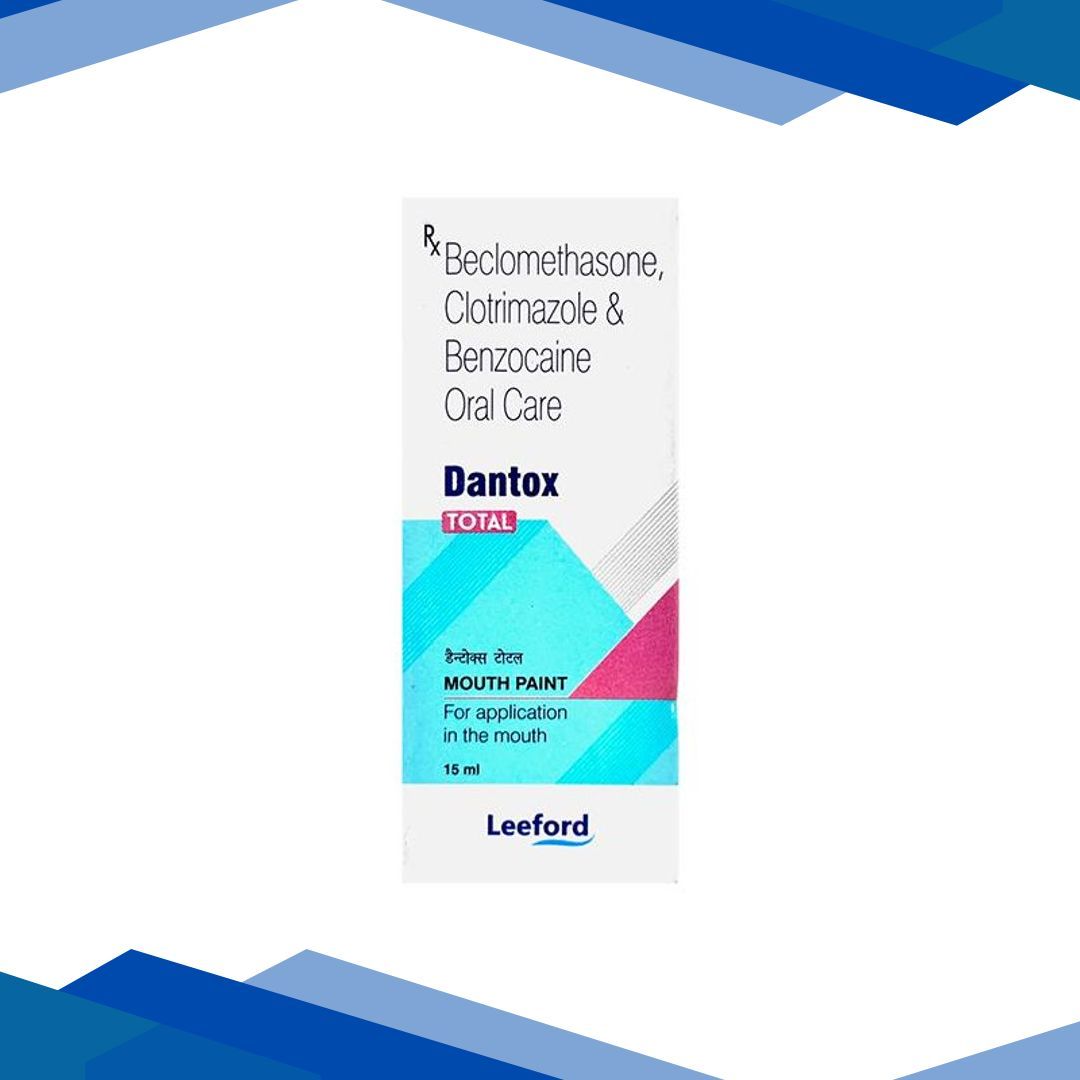
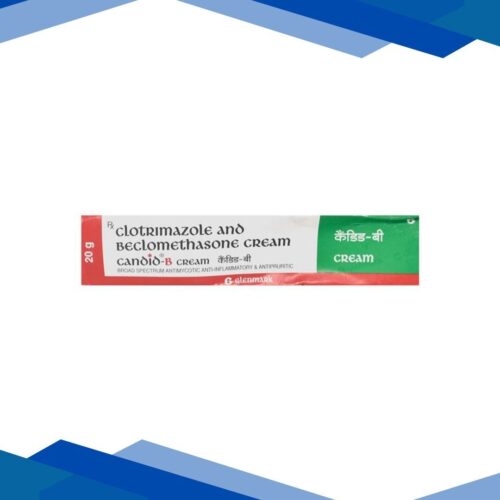
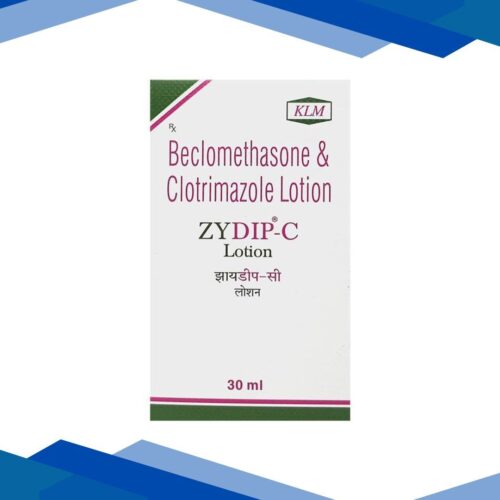
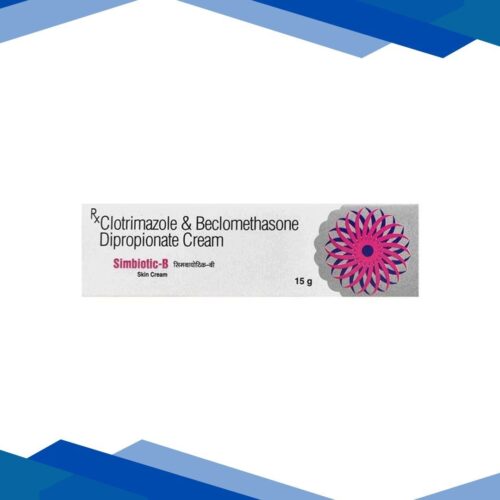
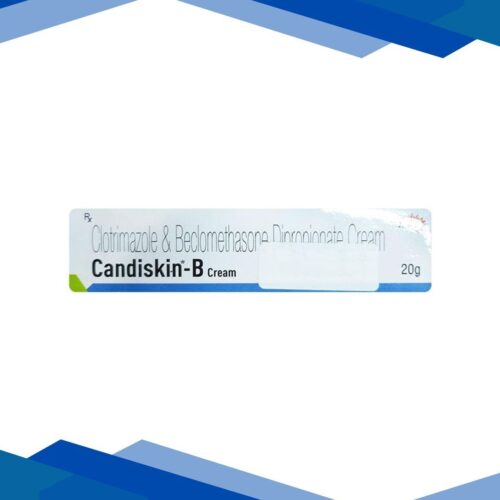
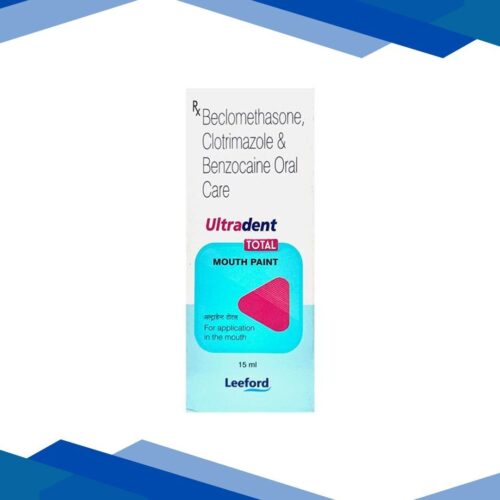
Beclomethasone
BECLOMETHASONE
Overview:
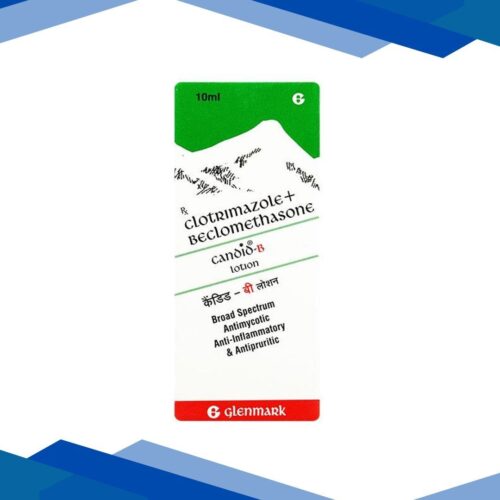
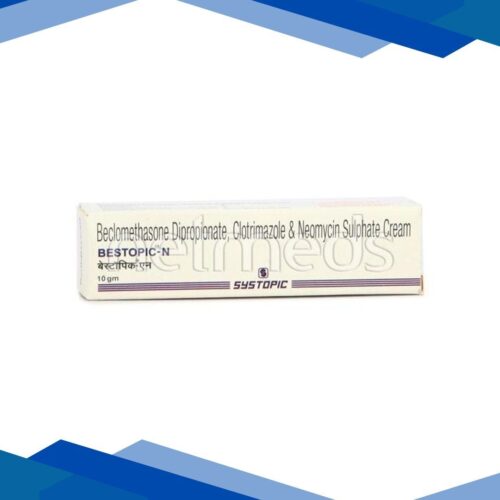
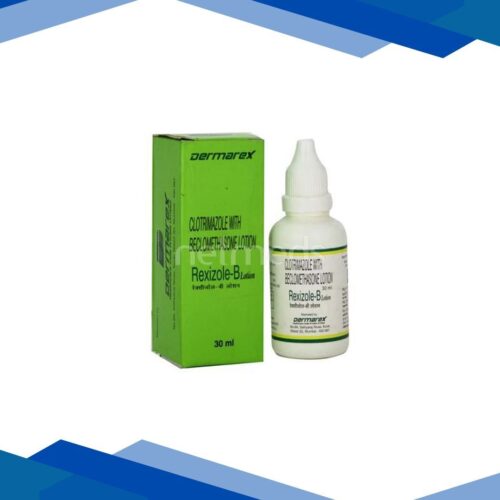
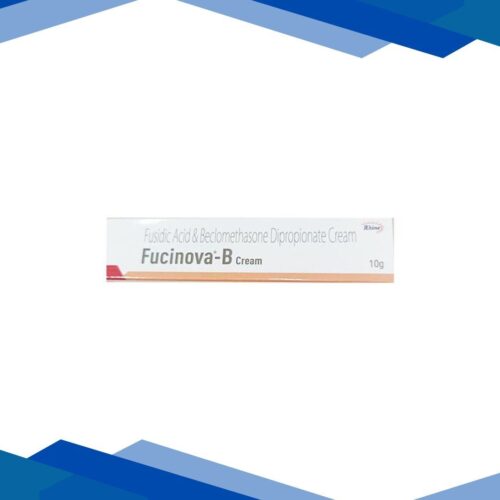
Beclomethasone is a medicine used to treat conditions caused by inflammation, such as asthma, allergies, and certain skin disorders. It works by calming the body’s immune response, which helps reduce symptoms like swelling, redness, itching, or breathing problems.
Classification: Corticosteroids or steroids
Uses:
Beclomethasone is used to treat a variety of conditions caused by inflammation and allergies. It is commonly used as an inhaler to control asthma, helping to prevent symptoms like wheezing and shortness of breath. It also comes as a nasal spray to relieve allergic rhinitis symptoms such as sneezing, runny nose, and nasal congestion. As a cream or ointment, it is applied to the skin to treat eczema, psoriasis, rashes, and other itchy or inflamed skin problems.
How It Works:
Beclomethasone works by reducing inflammation in the body. It is a type of steroid that calms the immune system so it doesn’t overreact to things like allergens or irritants. When your immune system is too active, it causes swelling, redness, and symptoms like sneezing, itching, or difficulty breathing. Beclomethasone helps control these symptoms by blocking the chemicals that cause inflammation. Whether used as an inhaler for asthma, a nasal spray for allergies, or a cream for skin problems, it helps to reduce swelling and discomfort, making breathing easier or calming irritated skin.
Dosage: As prescribed by your doctor.
Side Effects:
Sore throat
Dry nose or mouth
Hoarseness or voice changes
Cough
Nosebleeds
Precautions:
Use with caution in patients with active or latent infections, especially tuberculosis, fungal, viral, or bacterial infections, as corticosteroids may suppress the immune response and worsen or mask infections. If you’re using the inhaler or nasal spray, rinse your mouth or nose after each use to help prevent irritation or infection like oral thrush. Long-term use, especially in children, may slow growth, so regular check-ups are important. Pregnant or breastfeeding women should only use beclomethasone if clearly needed and under medical advice. Never stop using it suddenly without a doctor’s guidance, especially if you’ve been using it for a long time, as this could affect your body’s natural hormone balance.
Disclaimer:
This content is for informational purposes only. Always consult a healthcare provider for medical advice and proper dosage.
Benzocaine
Benzocaine: Quick Relief for Minor Pain & Irritations
Benzocaine is a well-established local anesthetic used to provide temporary relief from pain and itching. Whether it’s a stubborn sore throat, a nagging toothache, or minor skin irritation, Benzocaine works by numbing the affected area quickly, allowing you to get back to your day without the constant distraction of discomfort.
How Benzocaine Works
Benzocaine belongs to the class of local anesthetics known as esters. It functions by creating a temporary barrier on your nerve endings. When applied, it stops sodium ions from entering the nerve ending, which effectively prevents pain signals from being sent to your brain.
Key Uses & Benefits
Benzocaine is versatile and available in various forms, including gels, sprays, lozenges, and creams. It is commonly used for:
-
Oral Pain: Relief from mouth ulcers, canker sores, and gum pain.
-
Sore Throats: Found in medicated lozenges to soothe irritation.
-
Skin Irritation: Temporary relief from minor burns, insect bites, and scrapes.
-
Ear Care: Used in specific drops to manage pain from ear pressure or wax buildup.
Usage Guidelines
To get the most out of your treatment and ensure safety, follow these general steps:
-
Clean the Area: Ensure the affected area is clean and dry before application.
-
Apply Sparingly: Use only the amount recommended on the product packaging or by your healthcare provider.
-
Frequency: Do not use more than 3–4 times a day unless directed otherwise.
-
Avoid Eyes: Keep all Benzocaine products away from your eyes and inner nose.
Safety Information & Precautions
While Benzocaine is generally safe for over-the-counter use, it is important to keep the following in mind:
-
Methemoglobinemia: This is a rare but serious condition where the amount of oxygen carried through the blood is greatly reduced. Seek medical help immediately if you notice pale, gray, or blue-colored skin/lips.
-
Age Restrictions: Benzocaine products should not be used for teething in infants or children under 2 years of age.
-
Allergies: If you have a known allergy to ester-type anesthetics (like procaine or tetracaine), consult your doctor before use.
Frequently Asked Questions (FAQs)
1. How long does it take for Benzocaine to start working?
Typically, you will feel a numbing sensation within 30 to 60 seconds of application. The peak effect usually lasts between 15 to 20 minutes.
2. Can I use Benzocaine for a toothache?
Yes, Benzocaine gels are frequently used for temporary toothache relief. However, it is a “band-aid” solution. You should visit a dentist to address the underlying cause of the pain.
3. Is Benzocaine safe during pregnancy?
If you are pregnant or breastfeeding, it is best to consult your OB-GYN before using Benzocaine. While topical absorption is generally low, professional medical advice ensures the safety of both mother and child.
4. What should I do if I accidentally swallow Benzocaine spray or gel?
While small amounts used for sore throats are generally safe to swallow, ingesting large quantities can be harmful. If you feel nauseous or dizzy after accidental ingestion, contact a poison control center immediately.
5. Can I use Benzocaine on open wounds?
You should avoid applying Benzocaine to deep puncture wounds, severe burns, or large areas of blistered skin unless a doctor specifically instructs you to do so.
Clotrimazole
CLOTRIMAZOLE
Overview
Clotrimazole is an antifungal medication that’s used to treat a variety of fungal infections, including those that affect the skin, mouth (oral thrush), and vagina.
Classification
Antifungal
Uses
Uses of Clotrimazole:
Topical: Treats ringworm, jock itch, athlete’s foot, and other fungal skin infections.
Vaginal: Used to treat vaginal yeast infections.
Oral: Available as a lozenge for oral thrush (oral candidiasis)
How it works
Clotrimazole is an antifungal medicine that treats certain fungal infections by disrupting the fungi’s cell structure
Dosage
As directed by the physician
Precautions
Who Should Avoid Using Topical Clotrimazole?
Topical clotrimazole is generally safe for most individuals when used as directed. However, certain groups should exercise caution or avoid its use:
Individuals with Allergies to Clotrimazole or Related Compounds
If you have a known allergy to clotrimazole or other azole antifungals such as miconazole or ketoconazole, you should not use this medication. Signs of an allergic reaction may include rash, itching, swelling, dizziness, or difficulty breathing.
Children Under 2 Years of Age
Topical clotrimazole should not be applied to children under 2 years old unless specifically directed by a healthcare provider. For children aged 2 to 12, consult a doctor before use.
Individuals with Liver Disease
Those with liver disease should use clotrimazole cautiously, as the medication is metabolized in the liver. Consult your doctor before use if you have liver conditions.
Pregnant and Breastfeeding Women
While topical clotrimazole is generally considered safe during pregnancy, it’s important to consult your doctor before use. The medication may pass into breast milk, so discuss with your healthcare provider if you are breastfeeding.
Side effects
Common side effects of phenylephrine include:
Leakage of intravenous medication
Hypertension
Slow heart rate
Anxiety
Headache
Burning
Rebound congestion
Sneezing
Excess fluid in the lungs (pulmonary edema)
Metabolic acidosis
Decreased blood flow to the kidneys
Reduced urine output
Nausea
Stomach pain or upset
Disclaimer
This content is for informational purposes only. Always consult a healthcare provider for medical advice and proper dosage.