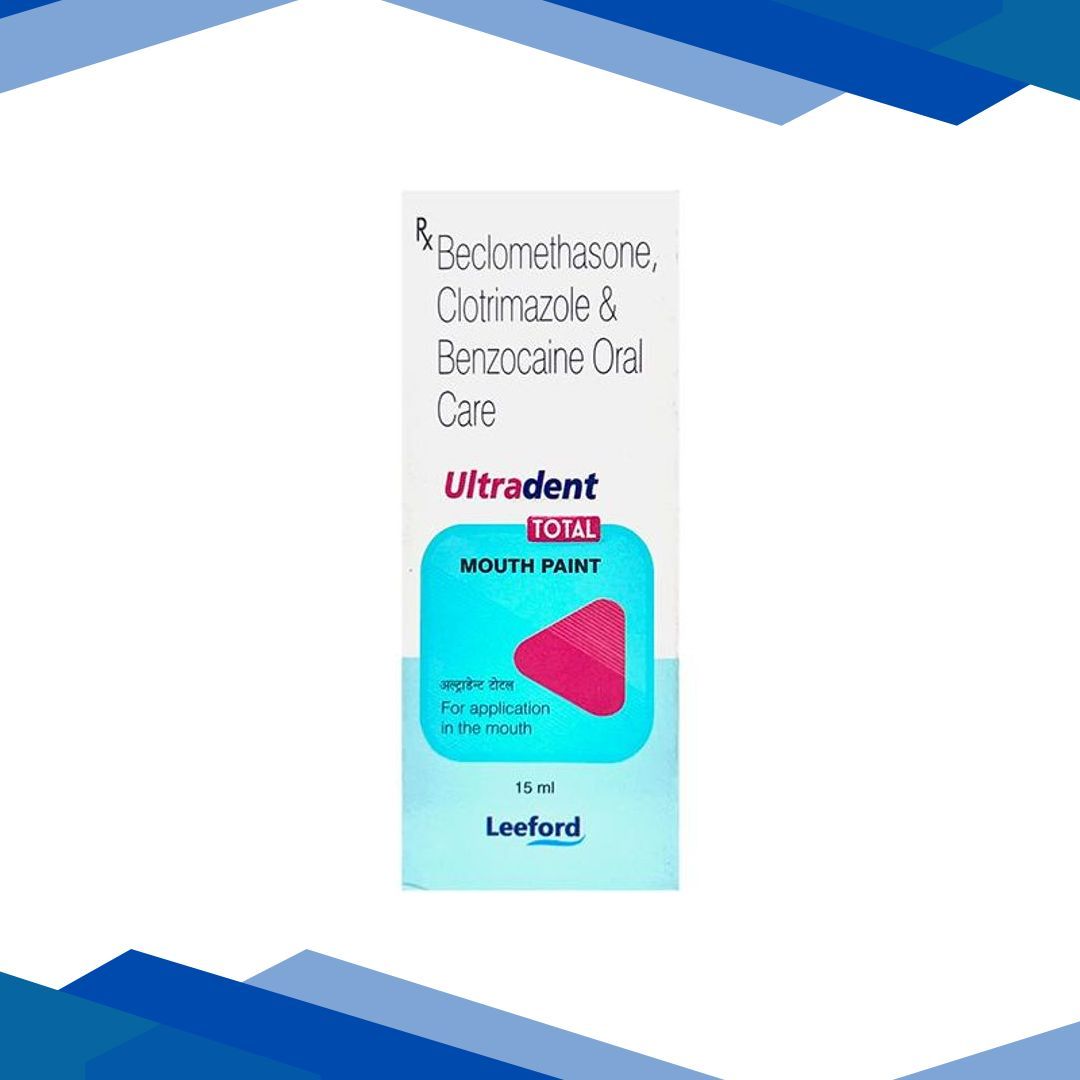
ULTRADENT TOTAL Mouth Paint 15ml
No Prescription yet? Don’t worry! Click Here to Get Online Consultation
Benzocaine is a topical local anesthetic commonly used to relieve pain and irritation on the skin or mucous membranes. It works by temporarily blocking nerve signals in the area where it is applied, helping to reduce discomfort from minor skin irritations, sore throat, mouth ulcers, toothache, insect bites, and sunburn. Benzocaine is widely available in forms such as gels, creams, lozenges, sprays, and ointments for quick and localized pain relief.
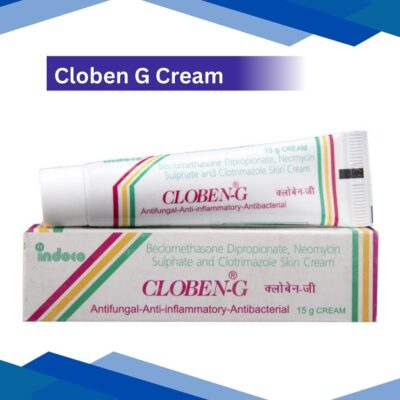
Beclomethasone
Beclomethasone Dipropionate
Beclomethasone is a potent synthetic corticosteroid used in the management of inflammatory and allergic conditions. It works by suppressing the immune response and inhibiting pro-inflammatory mediators, thereby reducing swelling, mucus secretion, and airway irritation. It is often used alongside bronchodilators (β-agonists) or other corticosteroids for better control.
Available Formulations
Nebulizer Solutions/Spray: Acts as a preventer to reduce airway inflammation
Nasal Drops/Spray: Provides direct relief from nasal congestion
Topical Form: Used for skin inflammation and itching
Major Therapeutic Benefits
Localized Anti-inflammatory Action: Targets specific inflamed areas
Asthma Control: Reduces airway hyperreactivity to triggers
Non-Drowsy Allergy Relief: Suitable for daytime use without sedation
Skin Healing: Helps manage chronic dermatitis and itchy conditions
Directions to Use
Inhaler: Use regularly at the same time daily; rinse mouth after use to prevent oral thrush
Nasal Spray: Shake well, clear nasal passage, and spray with head slightly forward
Topical Use: Apply a thin layer; avoid covering unless prescribed
Safety and Side Effects
Inhalation: Hoarseness, throat irritation, or oral infections
Nasal: Dryness, nosebleeds, or unpleasant taste
Skin: Thinning, stretch marks, or burning sensation with prolonged use
Precautions & Warnings
Not for Immediate Relief: Not a rescue medication; use salbutamol for acute asthma attacks
Infections: May mask infection symptoms; inform doctor if infections are present
Withdrawal: Avoid sudden discontinuation
Vision Issues: Long-term use may increase risk of glaucoma or cataracts
Frequently Asked Questions (FAQs)
Q: Is it an anabolic steroid?
No, it is a corticosteroid used for inflammation, not muscle building
Q: How fast does nasal spray work?
Relief may start within 12–24 hours, full effect in 3–7 days
Q: Can it be used on the face?
Only under strict medical supervision
Q: What if I miss a dose?
Take it when remembered; do not double dose
Q: Is it safe for children?
Yes, but requires careful dose monitoring for long-term use
Benzocaine
Benzocaine: Quick Relief for Minor Pain & Irritations
Benzocaine is a well-established local anesthetic used to provide temporary relief from pain and itching. Whether it’s a stubborn sore throat, a nagging toothache, or minor skin irritation, Benzocaine works by numbing the affected area quickly, allowing you to get back to your day without the constant distraction of discomfort.
How Benzocaine Works
Benzocaine belongs to the class of local anesthetics known as esters. It functions by creating a temporary barrier on your nerve endings. When applied, it stops sodium ions from entering the nerve ending, which effectively prevents pain signals from being sent to your brain.
Key Uses & Benefits
Benzocaine is versatile and available in various forms, including gels, sprays, lozenges, and creams. It is commonly used for:
-
Oral Pain: Relief from mouth ulcers, canker sores, and gum pain.
-
Sore Throats: Found in medicated lozenges to soothe irritation.
-
Skin Irritation: Temporary relief from minor burns, insect bites, and scrapes.
-
Ear Care: Used in specific drops to manage pain from ear pressure or wax buildup.
Usage Guidelines
To get the most out of your treatment and ensure safety, follow these general steps:
-
Clean the Area: Ensure the affected area is clean and dry before application.
-
Apply Sparingly: Use only the amount recommended on the product packaging or by your healthcare provider.
-
Frequency: Do not use more than 3–4 times a day unless directed otherwise.
-
Avoid Eyes: Keep all Benzocaine products away from your eyes and inner nose.
Safety Information & Precautions
While Benzocaine is generally safe for over-the-counter use, it is important to keep the following in mind:
-
Methemoglobinemia: This is a rare but serious condition where the amount of oxygen carried through the blood is greatly reduced. Seek medical help immediately if you notice pale, gray, or blue-colored skin/lips.
-
Age Restrictions: Benzocaine products should not be used for teething in infants or children under 2 years of age.
-
Allergies: If you have a known allergy to ester-type anesthetics (like procaine or tetracaine), consult your doctor before use.
Frequently Asked Questions (FAQs)
1. How long does it take for Benzocaine to start working?
Typically, you will feel a numbing sensation within 30 to 60 seconds of application. The peak effect usually lasts between 15 to 20 minutes.
2. Can I use Benzocaine for a toothache?
Yes, Benzocaine gels are frequently used for temporary toothache relief. However, it is a “band-aid” solution. You should visit a dentist to address the underlying cause of the pain.
3. Is Benzocaine safe during pregnancy?
If you are pregnant or breastfeeding, it is best to consult your OB-GYN before using Benzocaine. While topical absorption is generally low, professional medical advice ensures the safety of both mother and child.
4. What should I do if I accidentally swallow Benzocaine spray or gel?
While small amounts used for sore throats are generally safe to swallow, ingesting large quantities can be harmful. If you feel nauseous or dizzy after accidental ingestion, contact a poison control center immediately.
5. Can I use Benzocaine on open wounds?
You should avoid applying Benzocaine to deep puncture wounds, severe burns, or large areas of blistered skin unless a doctor specifically instructs you to do so.
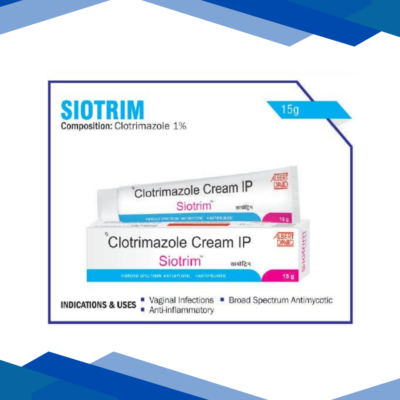
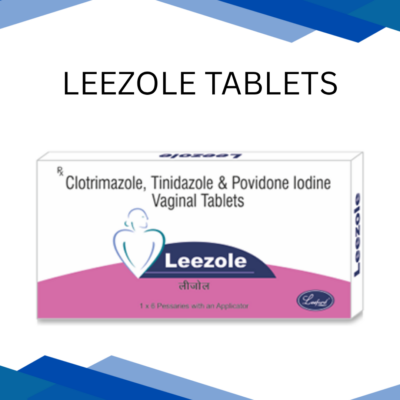
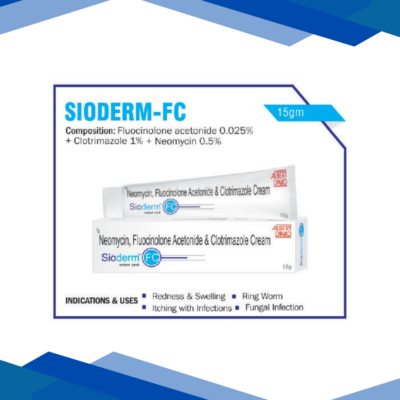
Clotrimazole
Clotrimazole Topical Solution / Cream
Clotrimazole belongs to the imidazole class of antifungal drugs and is widely regarded as a gold-standard treatment for fungal skin infections. It works by inhibiting ergosterol synthesis, an essential component of the fungal cell membrane, thereby disrupting fungal growth and eliminating infection.
Treatment Indications
Athlete’s Foot (Tinea Pedis): Relieves itching, burning, and cracks between toes
Ringworm (Tinea Corporis): Clears circular, red, scaly lesions
Jock Itch (Tinea Cruris): Treats infections in groin and inner thighs
Thrush: Effective for yeast infections on the skin
Candidiasis: Used for diaper rash and skin fold infections
Pityriasis Versicolor: Treats skin discoloration patches
Features
Quick Relief: Reduces itching, redness, and irritation rapidly
Multiple Forms: Available as cream, lotion, and powder
Safe Profile: Generally safe for all age groups under guidance
How to Apply
Preparation: Clean and dry the affected area thoroughly
Application: Apply a thin layer extending ~1 cm beyond infected skin
Frequency: Usually 2–3 times daily for 2–4 weeks
Continuation: Continue treatment even after symptoms improve to prevent recurrence
Safety Instructions
External Use Only: Avoid contact with eyes, nose, and mouth
Skin Reactions: Mild stinging or redness may occur
Pregnancy/Breastfeeding: Use under medical supervision
Hygiene: Change towels and socks daily to prevent reinfection
Frequently Asked Questions (FAQs)
Q: How long does it take to work?
Relief starts within 48–72 hours, with visible healing in 1–2 weeks
Q: Can it be used for vaginal infections?
Use only formulations labeled for vaginal use
Q: Is it safe for babies?
Yes, commonly used for diaper rash (candidiasis) with care
Q: What if I miss a dose?
Apply when remembered; do not double apply
Q: Can I cover the area after applying?
Avoid covering unless advised; air exposure aids healing
At Gem Pharmacy, we make every effort to provide accurate, expert-written, and thoroughly reviewed information related to medicines. However, this information should not be considered a substitute for professional medical advice, diagnosis, or treatment from a qualified doctor.
The purpose of this information is to educate users and improve communication between patients and healthcare professionals. It should not be used to diagnose or treat any condition.
Always consult a certified healthcare professional before taking any medication.


Related products