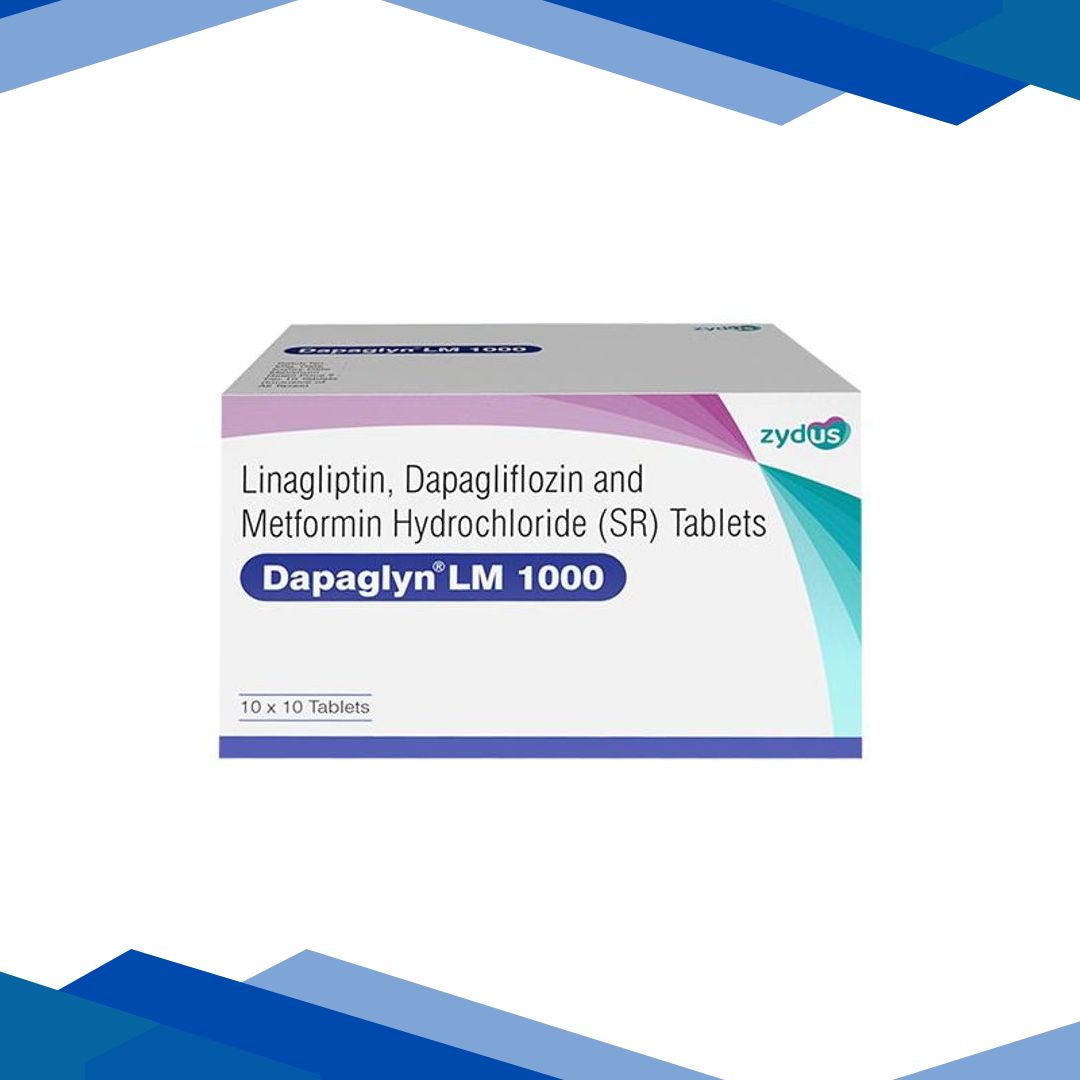
DAPAGLYN LM 1000 Tablet 10’s
❌ Due to high demand, this product is currently out of stock. New stock will be available shortly.
👉 Click here to Buy Same Salt medicine
DAPAGLYN LM 1000 Tablet is a combination medicine used to help manage type 2 diabetes in people who also need cholesterol control. Atorvastatin helps lower “bad” cholesterol and fats in the blood, which may reduce the risk of heart disease and stroke. Glimepiride helps the pancreas release more insulin, while metformin lowers the amount of sugar made by the liver and improves the body’s response to insulin. Together, these ingredients support better blood sugar control and heart health in patients who have both diabetes and high cholesterol. This medicine is usually prescribed as part of a broader treatment plan that includes diet, exercise, and regular medical monitoring to ensure safe and effective use.
Description
DAPAGLYN LM 1000 Tablet is a combination medicine used to help manage two closely related health problems that often occur together: abnormal blood sugar levels in type 2 diabetes and increased cholesterol or triglyceride levels. it combines three different medicines that work in complementary ways. metformin helps reduce the amount of glucose produced by the liver and improves the body’s response to insulin. glimepiride stimulates the pancreas to release more insulin when blood sugar is high. atorvastatin helps lower “bad” cholesterol and triglycerides while also reducing cardiovascular risk in appropriate patients.
this combination may be prescribed for adults with type 2 diabetes who need support in controlling blood sugar and who also have high cholesterol or are at increased risk of heart and blood vessel disease. it is not intended for type 1 diabetes or for the treatment of diabetic ketoacidosis. because it affects both glucose and lipid metabolism, it may be especially useful in people whose diabetes is accompanied by dyslipidemia, which is common in metabolic syndrome and insulin resistance.
the medicine works best when used along with lifestyle measures such as a balanced diet, regular physical activity, weight management, smoking cessation, and routine blood tests. it is important to understand that this combination does not cure diabetes or high cholesterol. instead, it helps control these conditions over time, lowering the risk of complications such as heart attack, stroke, kidney disease progression, nerve damage, and vision problems when used appropriately under medical supervision.
because the three ingredients each have their own benefits and risks, this medicine must be used carefully. blood sugar may drop too low, especially if meals are skipped, alcohol is consumed, or other glucose-lowering medicines are taken. liver enzymes, kidney function, and cholesterol levels may need periodic monitoring. a healthcare professional should always determine whether this combination is suitable based on the person’s age, overall health, kidney function, liver health, and current medicines.
ingredients
- atorvastatin: a statin medicine that lowers ldl cholesterol, often called “bad” cholesterol, and helps reduce triglycerides. it works by blocking cholesterol production in the liver, which leads to better removal of ldl from the blood. in people with diabetes, this can be especially valuable because they have a higher risk of cardiovascular disease even when cholesterol levels are only mildly abnormal.
- glimepiride: an oral antidiabetic medicine from the sulfonylurea group. it helps the pancreas release more insulin, particularly after meals, which lowers blood glucose levels. it can be effective in type 2 diabetes, but because it increases insulin release, it can also cause low blood sugar if not used carefully.
- metformin: a widely used first-line medicine for type 2 diabetes. it decreases glucose production in the liver, improves insulin sensitivity in muscle and fat tissues, and may modestly reduce glucose absorption from the intestine. it generally does not cause low blood sugar by itself, but it may when combined with other diabetes medicines.
key uses
- type 2 diabetes mellitus control: helps lower elevated blood sugar by combining insulin release stimulation, reduced liver glucose output, and improved insulin sensitivity. this multi-target approach may be useful when a single medicine is not enough.
- mixed dyslipidemia management: helps lower ldl cholesterol and triglycerides, which are commonly elevated in people with type 2 diabetes. improving lipid levels can reduce long-term cardiovascular risk.
- cardiovascular risk reduction in appropriate patients: by improving blood sugar control and lowering cholesterol, the medicine may help reduce the likelihood of heart attack and stroke in patients whose doctor considers it suitable.
- metabolic syndrome-related metabolic support: in people with insulin resistance, high glucose, and abnormal lipid levels, the combination may address several metabolic abnormalities at once, though it must be used as part of a broader treatment plan.
how to use
DAPAGLYN LM 1000 Tablet should be taken exactly as directed by a healthcare professional. it is commonly taken with food or shortly after a meal to reduce stomach upset, especially because metformin may cause gastrointestinal discomfort and glimepiride works best when meals are consistent. the medicine should be swallowed whole with water unless a healthcare professional gives different instructions for a specific formulation. do not crush, chew, or split the tablet unless it is specifically designed to be divided.
take the medicine at the same time each day to maintain steady control of blood glucose and lipids. regular meals are important, especially with glimepiride, because skipping food can increase the risk of hypoglycemia. blood sugar monitoring may be needed as advised by your doctor, particularly when starting treatment, changing diet or exercise habits, or adding other medicines. cholesterol and liver function tests are also commonly monitored to ensure the medicine is working safely.
never stop this medicine suddenly without medical advice, especially if your doctor prescribed it for long-term control. if you are unwell, have vomiting or diarrhea, are dehydrated, or are unable to eat normally, seek medical guidance promptly because metformin-related risks may increase and blood sugar may become unstable. if you are unsure how to take the medicine, ask your pharmacist or doctor for specific instructions based on your exact product and health condition.
safety information
- warnings: this medicine can cause low blood sugar, especially because of glimepiride. signs include sweating, shakiness, dizziness, hunger, headache, confusion, irritability, and palpitations. severe hypoglycemia may cause fainting, seizures, or loss of consciousness. atorvastatin can rarely affect the liver and muscles, while metformin can be associated with lactic acidosis in rare but serious situations, particularly in people with severe kidney problems, dehydration, or major illness. report unusual muscle pain, weakness, dark urine, severe fatigue, shortness of breath, or persistent vomiting to a healthcare professional.
- side effects: common side effects may include nausea, stomach discomfort, diarrhea, constipation, gas, mild headache, dizziness, and mild hypoglycemia. some people may notice increased appetite or weight changes, especially with glimepiride. serious side effects can include severe low blood sugar, liver problems, muscle injury, allergic reactions, pancreatitis, and lactic acidosis. medical attention is needed urgently if severe symptoms occur.
- precautions: use caution in people with kidney disease, liver disease, heavy alcohol use, dehydration, advanced age, poor nutritional intake, or a history of frequent hypoglycemia. this medicine may not be suitable for those with type 1 diabetes, diabetic ketoacidosis, severe infection, major surgery, or serious acute illness without close medical supervision. dose and suitability should be reviewed by a healthcare professional based on renal function and overall risk.
- pregnancy/breastfeeding: safety during pregnancy is not established for every patient, and diabetes management often changes during pregnancy. this combination may not be the best choice if you are pregnant, planning pregnancy, or breastfeeding. a doctor may recommend alternative treatment or closer monitoring. do not self-treat during pregnancy or lactation without professional advice.
- interactions: alcohol can increase the risk of low blood sugar and may raise the risk of lactic acidosis with metformin. several medicines may interact, including other diabetes drugs, some antibiotics, antifungals, steroids, beta-blockers, blood thinners, fibrates, certain heart medicines, and drugs that affect kidney function. some medicines may raise statin-related muscle risk or alter blood sugar control. always tell your doctor about all prescription medicines, over-the-counter products, and herbal supplements.
additional information
- storage: store at room temperature in a dry place away from excess heat, moisture, and direct sunlight. keep it in the original container and out of reach of children and pets. do not store in the bathroom unless the packaging specifically allows it.
- missed dose: if you miss a dose, take it when you remember unless it is close to the time for the next dose. if it is almost time for the next dose, skip the missed dose and continue your regular schedule. do not take extra medicine to make up for a missed dose, as this can increase the risk of hypoglycemia or other side effects.
- overdose: overdose may cause dangerous hypoglycemia from glimepiride, severe stomach symptoms, confusion, weakness, or, in rare cases, serious metformin-related complications. atorvastatin overdose may also increase the risk of muscle and liver-related problems. if an overdose is suspected, seek emergency medical help immediately or contact poison control. do not wait for symptoms to become severe.
- habit forming: no. this medicine is not habit forming and does not cause dependence. however, it should be taken consistently as prescribed because stopping or using it irregularly may lead to poor blood sugar and cholesterol control.
frequently asked questions
Q: what is DAPAGLYN LM 1000 Tablet used for?
A: it is used in adults who need treatment for type 2 diabetes and also need help lowering cholesterol or triglycerides. it combines blood sugar control with lipid-lowering therapy to support long-term metabolic and cardiovascular health.
Q: does this medicine lower blood sugar quickly?
A: glimepiride can lower blood sugar relatively quickly compared with some other oral diabetes medicines, while metformin works more gradually. because the combination can cause low blood sugar, regular meals and monitoring are important.
Q: can i take this medicine if i skip meals?
A: skipping meals is not recommended, especially because glimepiride may cause hypoglycemia when food intake is poor. if you are unable to eat normally, contact your healthcare professional for guidance.
Q: will this medicine cure diabetes or high cholesterol?
A: no. it helps manage these conditions but does not cure them. diabetes and cholesterol control usually require ongoing treatment, lifestyle changes, and regular medical follow-up.
Q: what should i do if i feel symptoms of low blood sugar?
A: if you feel shaky, sweaty, dizzy, confused, or unusually hungry, check your blood sugar if possible and consume a fast-acting source of glucose if advised by your doctor. seek urgent help if symptoms are severe or do not improve.
Q: can DAPAGLYN LM 1000 Tablet affect the liver?
A: atorvastatin can affect liver enzymes in some people, so liver monitoring may be recommended. report yellowing of the skin or eyes, dark urine, persistent nausea, or unusual fatigue to a healthcare professional.
Q: is this medicine safe for people with kidney problems?
A: it may not be suitable for everyone with kidney disease, especially because metformin requires careful kidney function assessment. your doctor should evaluate kidney health before and during treatment.
Q: can i drink alcohol while taking this medicine?
A: alcohol should be limited or avoided because it can increase the risk of hypoglycemia and may increase the risk of metformin-related lactic acidosis, especially with heavy drinking or dehydration.
Q: should i take it with food?
A: taking it with food or after a meal is often recommended to reduce stomach upset and to help align glimepiride with meals. follow the instructions given for your specific product.
Q: what tests may be needed while using this medicine?
A: doctors often monitor blood sugar, hba1c, kidney function, liver enzymes, and cholesterol levels. these tests help ensure the medicine is effective and safe over time.
Q: can it cause weight gain?
A: glimepiride may cause some weight gain in certain patients. metformin is often weight-neutral or may support mild weight reduction, but the overall effect varies from person to person.
Q: what if i am pregnant or planning pregnancy?
A: you should speak with a healthcare professional before using this medicine if you are pregnant or planning pregnancy. diabetes treatment often needs adjustment during pregnancy, and a doctor will choose the safest option.
this information is for educational purposes only and should not be considered medical advice. always consult a qualified healthcare professional before use.
At Gem Pharmacy, we make every effort to provide accurate, expert-written, and thoroughly reviewed information related to medicines. However, this information should not be considered a substitute for professional medical advice, diagnosis, or treatment from a qualified doctor.
The purpose of this information is to educate users and improve communication between patients and healthcare professionals. It should not be used to diagnose or treat any condition.
Always consult a certified healthcare professional before taking any medication.


Related products