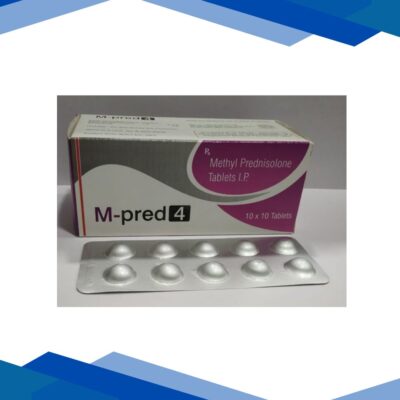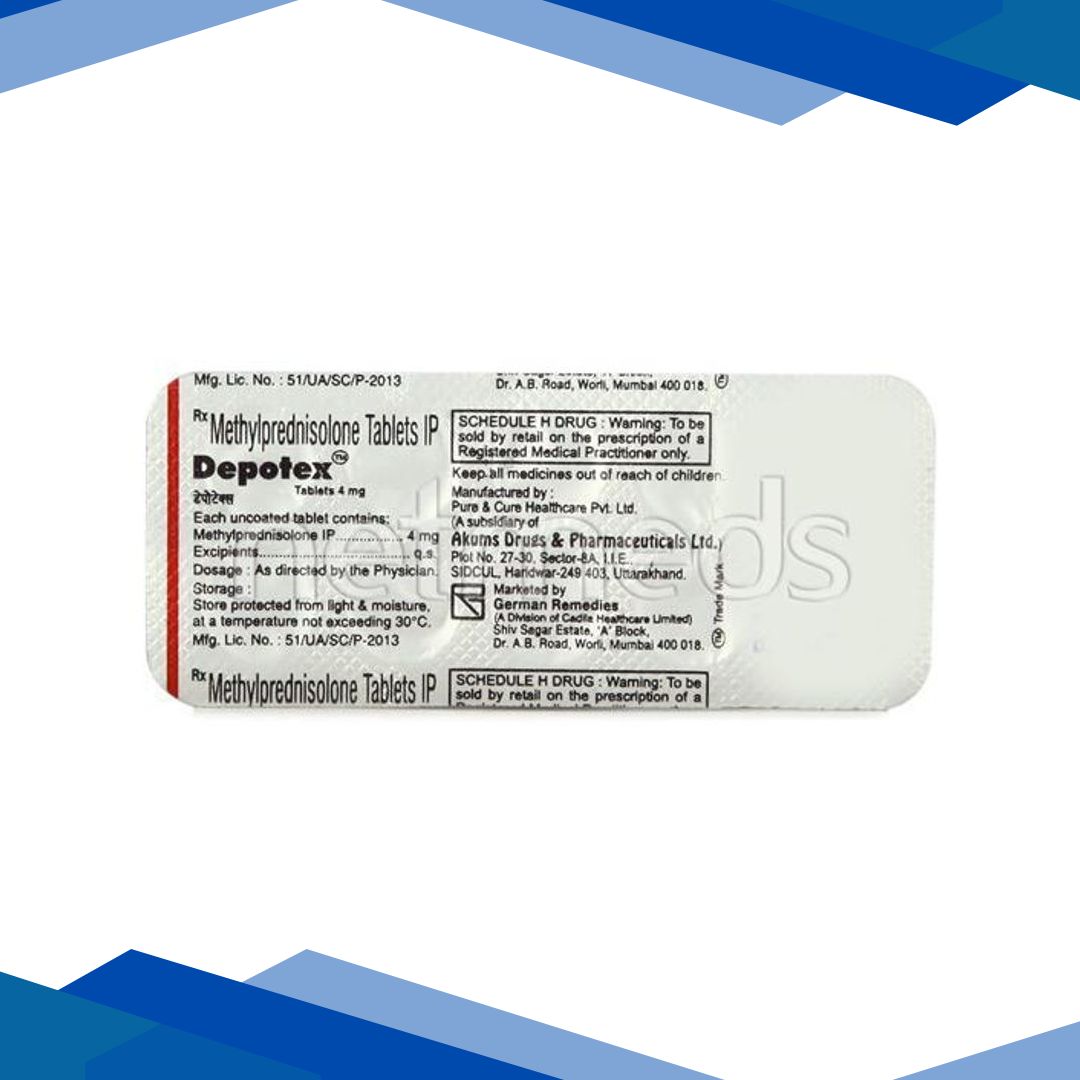
Depotex 4mg Tablet 10’S
Depotex 4mg Tablet is a combination medicine used mainly in eye conditions where infection and inflammation are present together. Ofloxacin is an antibiotic that helps stop the growth of bacteria causing the infection. Prednisolone is a steroid that reduces redness, swelling, and irritation in the eye. Hydroxypropylmethyl cellulose helps lubricate and soothe the eye surface, improving comfort and protecting against dryness or irritation. This medicine is commonly used for certain bacterial eye infections and inflammatory eye problems when a doctor wants to treat both infection and swelling at the same time. It should be used only under medical guidance, as the steroid component may not be suitable for all eye conditions.
Description
Depotex 4mg Tablet is a combination medicine commonly used in eye care when an eye condition involves both infection and inflammation, and when lubrication or surface protection is also helpful. this combination brings together an antibiotic, an anti-inflammatory corticosteroid, and a lubricating/viscosity-enhancing eye ingredient. together, these components help reduce bacterial growth, calm redness and swelling, and provide soothing relief to the eye surface.
ofloxacin is a broad-spectrum antibiotic that works by stopping bacteria from multiplying. it is effective against many bacteria that can cause eye infections, such as bacterial conjunctivitis or infected eye irritation. prednisolone is a corticosteroid that helps reduce inflammation, swelling, itching, redness, and discomfort. it does not treat infections by itself, but it can improve symptoms caused by inflammation. hydroxypropylmethyl cellulose helps retain moisture and improve the comfort of the eye surface, which may be especially useful when the eyes feel dry, irritated, or irritated by infection or treatment.
this medicine is generally intended for short-term use in specific eye conditions where a clinician believes that both infection control and inflammation control are needed. because the steroid component can sometimes mask worsening infection or increase the risk of certain complications, it should be used only when prescribed and monitored by a healthcare professional. it is not meant for casual use in simple eye redness or for unexplained eye symptoms.
people who may benefit from this medicine are those diagnosed with bacterial eye infections accompanied by inflammatory signs such as swelling, redness, discharge, discomfort, or post-procedure irritation where such a combination is appropriate. it is important to note that the exact suitability depends on the cause of the eye problem. viral, fungal, or untreated corneal conditions may need different treatment, and using a steroid-containing eye medicine in the wrong situation can be harmful.
ingredients
- hydroxypropylmethyl cellulose: a lubricating and thickening agent that helps the eye retain moisture and improves the contact time of the medicine on the eye surface. it can soothe irritation, reduce dryness, and support comfort during healing.
- ofloxacin: a fluoroquinolone antibiotic that fights susceptible bacteria by interfering with bacterial enzymes needed for dna replication. in eye infections, it helps control the bacterial cause of redness, discharge, and irritation.
- prednisolone: a corticosteroid that reduces inflammation by suppressing inflammatory chemical pathways. it helps decrease swelling, redness, itching, and pain, but it must be used carefully because it can also reduce local immune response.
key uses
- bacterial eye infections: used when the eye infection is caused or strongly suspected to be caused by bacteria. ofloxacin helps eliminate the bacterial source of symptoms and prevent progression of infection.
- inflammation associated with infection: prednisolone helps reduce inflammatory symptoms such as redness, swelling, pain, and irritation that can occur alongside infection or after eye procedures.
- surface soothing and lubrication: hydroxypropylmethyl cellulose helps keep the eye surface moist, which may reduce burning, dryness, and discomfort and support the healing environment.
- post-operative or procedure-related eye irritation in selected cases: in some clinically appropriate situations, such combinations may be used to manage infection risk and inflammation after eye procedures, only when directed by an eye specialist.
how to use
this medicine should be used exactly as prescribed by a healthcare professional, usually an eye specialist or physician. it is typically applied into the affected eye(s) as directed. before use, wash your hands thoroughly and avoid touching the dropper tip to your eye, fingers, or any surface, as this may contaminate the solution. if you wear contact lenses, you may be advised to remove them before application and not to reinsert them until your clinician says it is safe.
to apply the medicine, tilt your head back, gently pull down the lower eyelid to form a small pocket, and place the prescribed amount into the eye without blinking excessively. close the eye gently for a short time afterward. if more than one eye medicine is being used, spacing them apart as directed by the clinician may help each medicine work properly. because this product contains a steroid, using it for longer than recommended or inappropriately can raise the risk of eye pressure increase, delayed healing, or masking of worsening infection.
use it only for the condition and duration recommended. do not stop or continue it on your own without medical advice, especially if symptoms improve quickly or if they worsen. if there is no improvement, or if pain, vision changes, or discharge become worse, seek prompt medical evaluation.
safety information
- warnings: this medicine contains a corticosteroid, so it should be used cautiously and only when the cause of the eye problem is appropriate for steroid treatment. steroids may worsen untreated viral, fungal, or certain other eye infections and can delay healing. they may also increase eye pressure in some people and, with prolonged use, contribute to glaucoma, cataract formation, or corneal complications. never use it for unexplained eye redness without medical assessment.
- side effects: common side effects may include temporary eye burning, stinging, irritation, blurred vision immediately after application, eye discomfort, watery eyes, or a feeling of something in the eye. more serious effects can include worsening redness, eye pain, persistent blurred vision, light sensitivity, signs of allergic reaction, increased eye pressure, corneal thinning, or signs that the infection is not improving.
- precautions: people with glaucoma, a history of raised eye pressure, corneal disease, eye surgery, recurrent eye infections, or immune system problems should use this medicine only with careful medical supervision. it should be avoided if the infection is suspected to be viral, fungal, or due to conditions that require different treatment. children, older adults, and those with multiple eye conditions may need closer monitoring.
- pregnancy/breastfeeding: safety depends on the individual situation and the route of use. because this is an eye medicine with limited systemic absorption, risk may be lower than with oral medicines, but it should still be used during pregnancy or breastfeeding only if a healthcare professional believes the benefit outweighs any potential risk. inform your clinician if you are pregnant, planning pregnancy, or breastfeeding.
- interactions: eye-to-eye interactions are less common than with oral medicines, but using multiple eye drops at the same time may affect absorption or effectiveness. alcohol is not usually a major issue with eye use, but overall health, dehydration, and medication adherence may still matter. tell your doctor about all eye drops, ointments, corticosteroids, antibiotics, and any medicines that affect immunity or eye pressure. do not combine with other eye products unless instructed.
additional information
- storage: store the medicine in a cool, dry place away from direct light and excess heat. keep the container tightly closed and out of reach of children. do not freeze unless specifically directed by the label or pharmacist. check the product label for any special storage instructions.
- missed dose: if you miss a dose, use it as soon as you remember unless it is almost time for the next one. if it is nearly time for the next dose, skip the missed dose and continue your regular schedule. do not use extra medicine to make up for a missed dose.
- overdose: an accidental extra dose in the eye is unlikely to cause severe harm, but it may increase irritation or discomfort. if a large amount is used, rinse the eye gently with clean water or saline if advised by a professional. if the medicine is swallowed or if severe symptoms occur, seek medical help promptly.
- habit forming: no. this medicine is not known to cause habit formation or dependence. however, repeated or unnecessary use of steroid-containing eye medicines can be harmful and should be avoided without medical supervision.
frequently asked questions
Q: what is Depotex 4mg Tablet used for?
A: it is used for certain eye conditions where a bacterial infection and inflammation are both present or suspected, and where soothing lubrication is also helpful. it should only be used when a clinician confirms it is appropriate.
Q: can i use this medicine for simple eye redness?
A: no, not without medical advice. eye redness can be caused by allergies, dryness, viral infection, injury, glaucoma, or other serious problems. because this medicine contains a steroid and antibiotic, it is not suitable for routine self-treatment of redness.
Q: how long does it take to work?
A: some relief such as reduced irritation may be felt relatively soon, but infection control and inflammation improvement depend on the cause and severity of the eye condition. if symptoms worsen or do not improve as expected, contact your healthcare professional.
Q: can i wear contact lenses while using it?
A: contact lens use is often restricted during active eye infection or while using certain eye medicines. follow your clinician’s guidance, since lenses can worsen irritation or interfere with recovery.
Q: what should i do if my vision becomes blurry after using it?
A: mild temporary blurring can happen right after instilling eye drops. if blurred vision is severe, persistent, or accompanied by pain, worsening redness, or light sensitivity, get medical advice promptly.
Q: is the steroid in this medicine safe?
A: prednisolone can be very helpful when used correctly, but it must be used under supervision. steroid eye medicines can raise eye pressure, delay healing, and worsen certain infections if used inappropriately.
Q: can this medicine treat viral eye infections?
A: no. ofloxacin is an antibiotic and prednisolone is a steroid, so this combination is not intended to treat viral infections. using steroid-containing eye medicine in a viral eye condition may be unsafe without medical advice.
Q: should i stop using it when i feel better?
A: do not stop early or continue longer than prescribed without checking with your clinician. the appropriate duration depends on the condition being treated and the response to therapy.
Q: can this medicine cause eye pressure problems?
A: yes, steroid-containing eye medicines can increase eye pressure in some people, especially with longer use or in those predisposed to glaucoma. regular follow-up may be needed if your doctor prescribes it.
Q: what signs mean i should seek urgent medical care?
A: seek urgent care if you develop severe eye pain, sudden vision changes, marked swelling, worsening redness, light sensitivity, a spreading rash, or symptoms that rapidly get worse instead of improving.
Q: is this medicine suitable for children?
A: it may be used in children only when prescribed by a healthcare professional who determines it is appropriate. children may need closer monitoring because steroid eye medicines require caution.
Q: can i use other eye drops with this medicine?
A: sometimes yes, but the timing and compatibility matter. let your clinician or pharmacist know about all other eye products so they can advise the safest way to use them together.
Q: does this medicine cure the underlying problem immediately?
A: no medicine can guarantee immediate cure. this combination is designed to help control the bacterial infection, reduce inflammation, and improve comfort, but healing depends on the diagnosis and proper use.
Q: why is lubrication included in this combination?
A: hydroxypropylmethyl cellulose helps soothe the eye surface, improve comfort, and support moisture retention, which can be useful when the eye is irritated or dry during recovery.
Q: can i drive after using it?
A: if your vision is blurred after application, wait until it clears before driving or operating machinery. if blurring persists, do not drive and speak with a healthcare professional.
this information is for educational purposes only and should not be considered medical advice. always consult a qualified healthcare professional before use.
At Gem Pharmacy, we make every effort to provide accurate, expert-written, and thoroughly reviewed information related to medicines. However, this information should not be considered a substitute for professional medical advice, diagnosis, or treatment from a qualified doctor.
The purpose of this information is to educate users and improve communication between patients and healthcare professionals. It should not be used to diagnose or treat any condition.
Always consult a certified healthcare professional before taking any medication.


Related products
Neodrol 500mg Injection 1’s