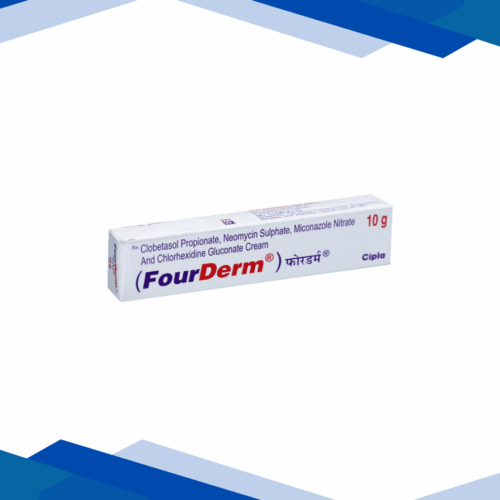
chlorocresol
Chlorocresol: Definition, Benefits, and Guidelines for Safety
Chlorocresol is a strong antiseptic and disinfectant for the record, which is phenolic. It occupies two roles in the medical and personal care sector that involve use as a topical anti-infective agent in minor cuts and wounds and frequently are used as preservative creams, ointments, and lotions to keep them free of bacterial contamination.
The Functionality
Chlorocresol mutes the cell membrane of the microorganisms and hence subdues their growth from the breakdown of the protective barriers thereof offered by bacteria and fungi. Therefore, it prevents infection on the outer layer of skin.
Key Applications
Wound Care: Cleaning sores of mild to moderate infection
Pharmaceutical Chemical Preservative: Preservation of doctor’s reference dermatological creams over long-term use
Antiseptic Treatments: Medicated soaps are used throughout the time.
FAQs
What is Chlorocresol used for?
Possible immediate side effects of reaction with Chlorocresol in individuals with sensitive skin include irritation, redness, and slight swelling. These slowly subside or can be managed without any intervention. The topical application of Chlorocresol far outweighs the long-term effects or reactions experienced later.
This is quite rare, but some users may experience moderate to severe skin irritation, red discoloration of the skin, burning, or tingling sensation at the application site. If you notice signs of a severe rash, itching, swelling, or any other unusual event, discontinue use immediately and consult a physician.
How shall a product with chlorocresol be stored?
Place the medication in a cool and dry area out of direct sunlight. Make sure the cap is tightly affixed in order to preserve the parent and also prevent the product from drying out.
Safety Checklist
For External Use Only: Do not ingest or use near the eyes and mouth.
Keep out of reach of children: Accidental ingestion can be toxic.
Pregnancy/Breastfeeding: Consult your doctor before using medicated creams containing Chlorocresol during pregnancy.
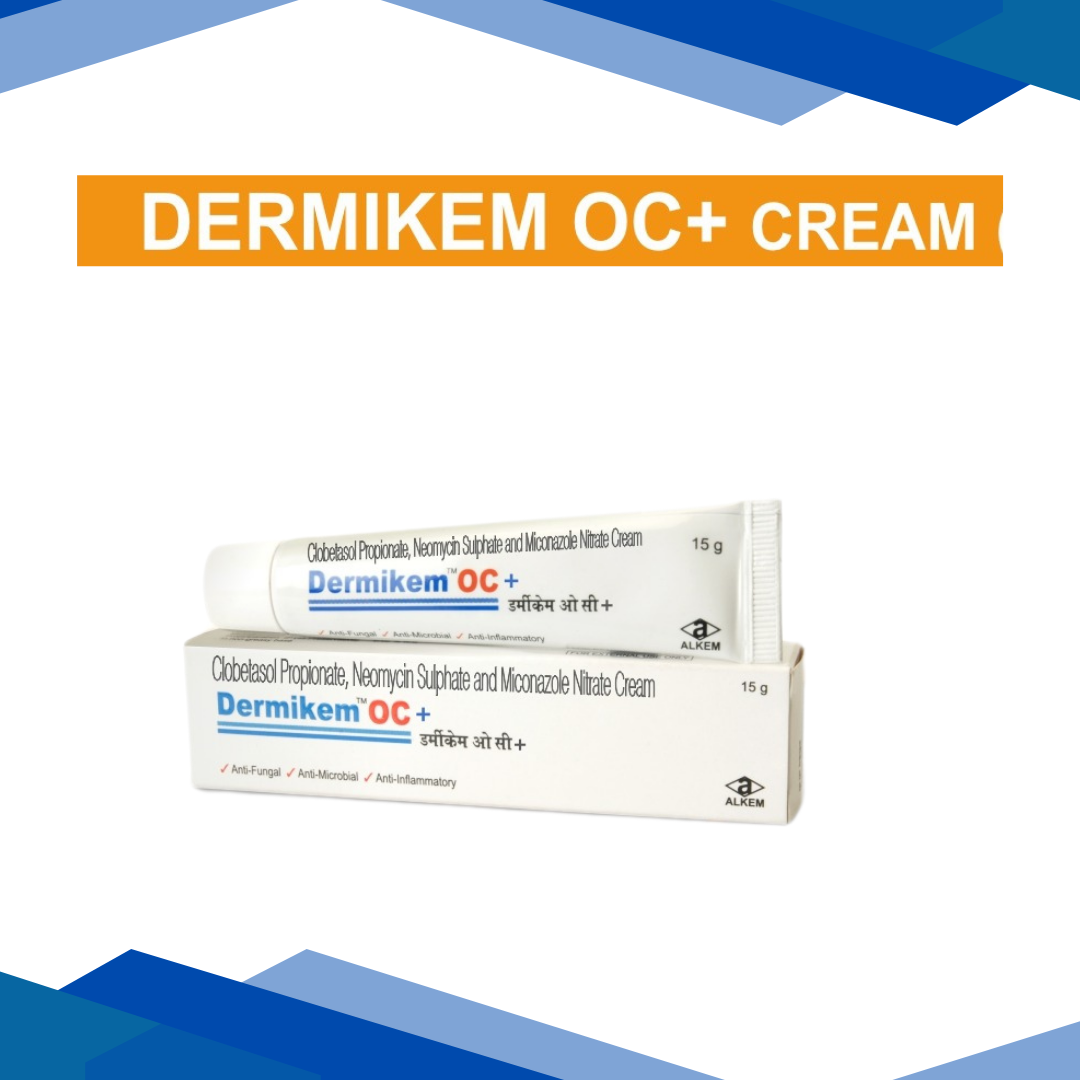
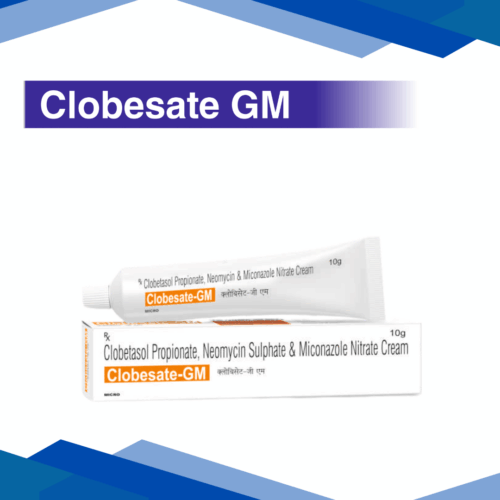
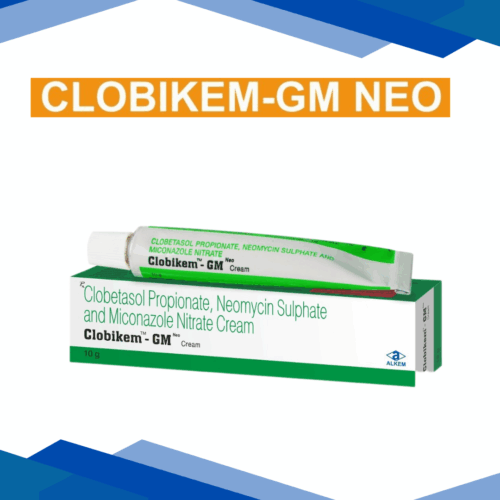
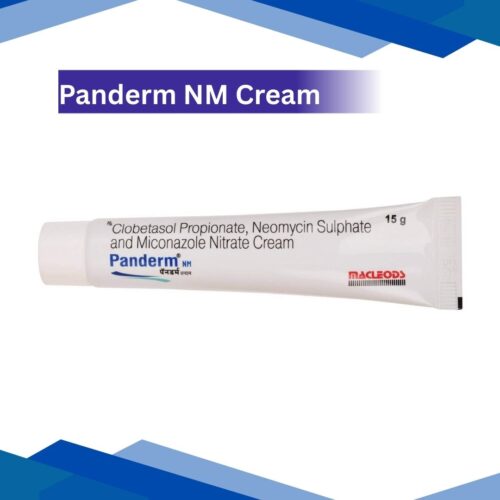
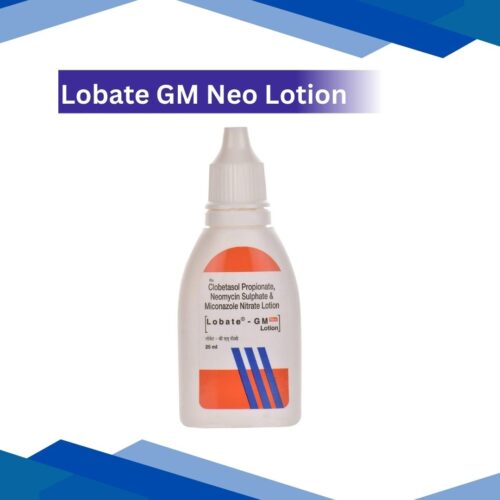
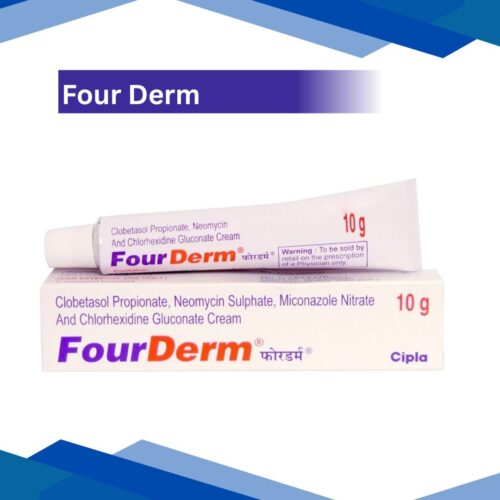
Clobetasol
CLOBETASOL
Overview:
Clobetasol is a corticosteroid used to treat various skin conditions such as psoriasis, and contact dermatitis,eczema
Classification:
Corticosteroid
Uses:
Treatment of skin rashes and itchy skin – all topical forms except shampoo
Treatment of moderate to severe scalp psoriasis – foam and shampoo only
Treatment of plaque psoriasis not on the scalp
How It Work:
Clobetasol works by blocking the production of certain chemical messengers that make the skin red, swollen and itchy.
Dosage:
As prescribed by your doctor
Side Effects:
The most common side effects of clobetasol include:
Burning
irritation
itching
Precautions:
Cushing’s syndrome warning: Absorbing this drug through your skin can cause Cushing’s syndrome. This is an issue related to low hormone levels. Symptoms can include high blood sugar and high blood pressure.
Skin reactions warning: This drug may cause skin reactions. These include acne, inflammation of your hair follicles, color changes, rashes, infections, allergic reactions, and other problems. Skin reactions are more likely to occur if you cover your skin with a dressing after you apply the drug. You should not apply this drug to your face.
Skin infections warning: If you develop a skin infection while using this drug, your doctor may give you medication to treat the infection. If your infection doesn’t get better, your doctor may have you stop using clobetasol.
Warning for effects on your adrenal glands: This drug may cause your adrenal glands to stop working. This can lead to adrenal insufficiency. Symptoms can include dizziness, fainting, low blood pressure, and fatigue. This effect can happen during your treatment or after you stop treatment with this drug. Your risk may be higher if you:
apply this drug to a large area of your skin
use the drug for a long time
use the drug on broken skin
cover your skin after applying the drug
take other steroids
have severe liver problems
Disclaimer:
This content is for informational purposes only. Always consult a healthcare provider for medical advice and proper dosage.
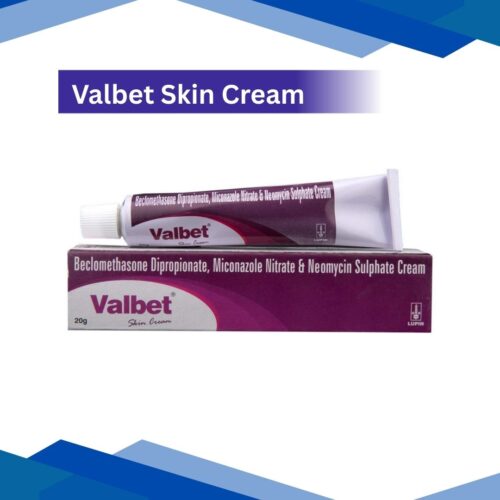
Miconazole Nitrate
MICONAZOLE NITRATE
Overview
Miconazole nitrate is an antifungal medication. It belongs to a group of drugs called imidazoles, which are used to fight fungal infections.
Classification
Antifungal
Uses
Miconazole nitrate is commonly used to treat fungal skin infections, such as:
Athlete’s foot
Jock itch
Ringworm
Yeast infections (including vaginal and skin infections)
Fungal infections of the nails or skin folds
It may also be used to relieve itching, redness, scaling, and discomfort caused by these conditions.
How It Works
Miconazole works by stopping the growth of fungus. It damages the cell membranes of fungi, which helps kill the infection and prevent it from spreading. This allows the skin or affected area to heal gradually.
Dosage
As prescribed by your doctor.
Side effects
Most people tolerate miconazole well, but some may experience:
Mild skin irritation
Burning or stinging where the medicine is applied
Itching or redness
In rare cases, an allergic reaction (rash, swelling, or trouble breathing)
Precautions
Before using miconazole, you should:
Tell your doctor if you’re allergic to miconazole or other antifungals
Avoid contact with eyes or mouth unless the product is specifically meant for those areas
Inform your doctor if you’re pregnant or breastfeeding
Use only as directed—don’t overuse or apply to large areas unless advised
Disclaimer
This content is for informational purposes only. Always consult a healthcare provider for medical advice and proper dosage
Neomycin
NEOMYCIN
Overview:
Neomycin, an antibiotic, is used to prevent or treat skin infections caused by bacteria. It is not effective against fungal or viral infections.
Classification:
Antibiotic
Uses:
Neomycin oral tablet is used to prevent or treat bacterial infections in the intestines. It’s given before certain surgeries. It’s also used to treat hepatic coma, which is the loss of brain function due to a liver problem. Hepatic coma happens when your liver can’t remove ammonia from your blood
How It Work:
Neomycin works by killing bacteria and stopping it from growing in your body. This treats your infection or stops an infection from forming in the first place.People with hepatic coma can’t remove ammonia from their blood. Neomycin works by killing bacteria in their gut, which releases ammonia.
Dosage:
As prescribed by your doctor.
Side Effects:
irritation
burning
redness
rash
itching
hearing difficulty
decreased urination
Precautions:
Tell your doctor and pharmacist what prescription and nonprescription medications, vitamins, nutritional supplements, and herbal products you are taking or plan to take.
Tell your doctor if you have or have ever had kidney disease.
Tell your doctor if you are pregnant, plan to become pregnant, or are breast-feeding. If you become pregnant while using neomycin, call your doctor.
Tell your doctor and pharmacist if you are allergic to neomycin or any other drugs.
Disclaimer:
This content is for informational purposes only. Always consult a healthcare provider for medical advice and proper dosage.