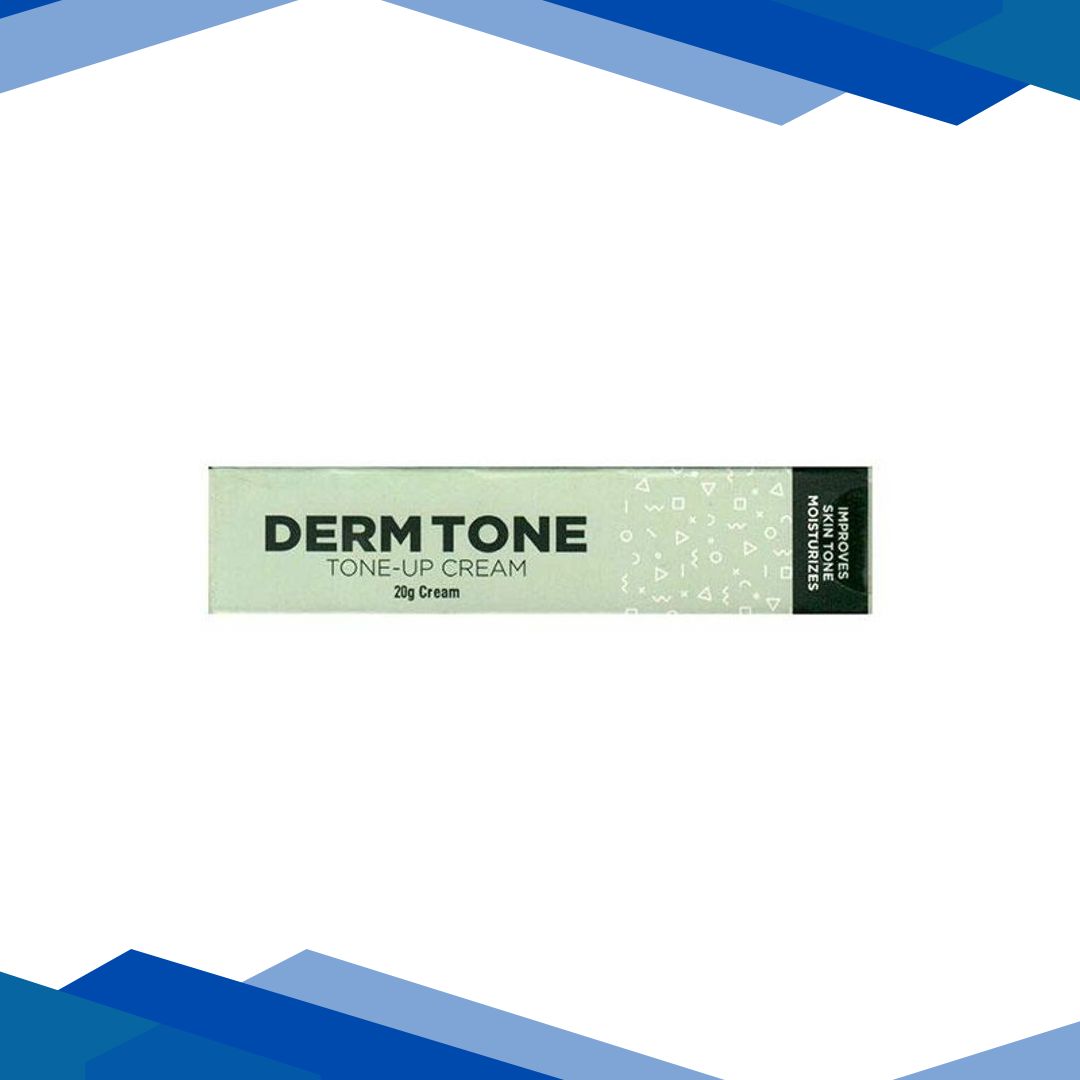
DERMTONE TONE UP Cream 20gm
❌ Due to high demand, this product is currently out of stock. New stock will be available shortly.
👉 Click here to Buy Same Salt medicine
DERMTONE TONE UP Cream is a combination medicine used to treat certain skin or ear infections where inflammation, bacterial infection, and fungal infection may all be present. Beclometasone helps reduce redness, swelling, and itching by calming the inflammatory response. Chloramphenicol works by stopping the growth of susceptible bacteria, while clotrimazole acts against fungi by damaging their protective cell membrane. Glycerol helps keep the affected area moist and may reduce dryness or irritation. This medicine is commonly used for inflamed, infected skin conditions that need both antimicrobial and anti-inflammatory treatment. It should be used only when prescribed, since the right diagnosis is important for safe and effective treatment.
Description
DERMTONE TONE UP Cream is a combination medicine commonly used in conditions where the skin is inflamed and may also have a bacterial or fungal component. it brings together a corticosteroid, an antibiotic, an antifungal agent, and a skin-protective moisturizing ingredient. this combination is designed to reduce redness, swelling, itching, discomfort, and microbial growth at the affected site. because it contains more than one active component, it is generally used when a clinician suspects mixed irritation, infection, and inflammation rather than a simple dry-skin problem.
beclometasone helps calm inflammation by reducing the immune response in the skin, which can relieve itching, redness, and swelling. chloramphenicol is an antibiotic that works against certain bacteria, helping control or prevent bacterial overgrowth in infected or irritated skin. clotrimazole is an antifungal medicine that targets common fungi and yeasts responsible for skin infections. glycerol acts as a humectant, meaning it attracts and retains moisture in the skin, helping reduce dryness and support the skin barrier.
this medicine is typically used on the skin as directed by a healthcare professional. it is not meant for routine self-treatment of every rash or itch, because using a steroid-containing combination unnecessarily can mask the real cause of the problem or worsen some infections. it is most appropriate when a clinician evaluates the skin and determines that inflammation plus possible bacterial and fungal involvement needs targeted treatment. if symptoms persist, worsen, or keep returning, medical review is important.
in simple terms, this medicine works by addressing several problems at once: it reduces inflammation, treats susceptible bacterial infection, combats fungal infection, and helps restore skin comfort by improving moisture. that makes it potentially useful in selected skin conditions, but also means it should be used carefully and only for the duration recommended. overuse, incorrect use, or application to the wrong type of skin problem can lead to side effects or delayed healing.
ingredients
- beclometasone: a corticosteroid that helps reduce swelling, redness, and itching by suppressing inflammatory signals in the skin. it is useful when the affected area is irritated and inflamed, but it should be used cautiously because prolonged or excessive use can thin the skin and cause steroid-related effects.
- chloramphenicol: an antibacterial agent that helps control certain bacterial skin infections or secondary bacterial contamination. it is included to address bacterial involvement when the skin is already irritated, broken, or infected. its role is important in mixed infections, but antibiotic use should be appropriate and not prolonged without medical advice.
- clotrimazole: an antifungal medicine effective against many dermatophytes and yeasts that commonly infect the skin. it helps treat fungal causes of itching, scaling, and redness, especially when fungal infection is contributing to symptoms or complicating another skin condition.
- glycerol: a moisturizing and skin-softening ingredient that draws water into the outer layer of the skin. it helps reduce dryness, supports the skin barrier, and can make the treated area feel less tight, irritated, or flaky. while it does not treat infection directly, it improves overall skin comfort and hydration.
key uses
- inflamed skin with suspected mixed infection: this medicine may be used when redness, itching, and swelling occur along with either bacterial or fungal involvement. the combination helps manage symptoms while treating possible infectious contributors.
- fungal skin infections with marked irritation: clotrimazole treats the fungal component, while beclometasone helps relieve inflammation and itchiness that may be severe enough to cause discomfort or scratching.
- secondary bacterial contamination of irritated skin: if scratched or damaged skin has developed bacterial overgrowth, chloramphenicol may help control susceptible bacteria and support healing, when prescribed appropriately.
- dry, irritated, and flaky skin with infection-related discomfort: glycerol helps moisturize and soften the skin, which may improve comfort and reduce cracking or further irritation during recovery.
- selected dermatitis-like conditions with microbial involvement: in some cases, a clinician may choose this combination where inflammation, dryness, and localized infection overlap and a single-ingredient product may not be sufficient.
how to use
use this medicine exactly as directed by your healthcare professional or as stated on the product label. it is generally applied externally to clean, dry skin in a thin layer over the affected area. before applying, wash your hands and gently clean the skin if needed, then pat it dry. apply only the amount needed to cover the problem area; using more does not usually improve results and may increase the chance of irritation or side effects.
avoid applying it near the eyes, inside the nose, mouth, genitals, or on broken skin unless specifically instructed by a clinician. do not cover the area with airtight dressings unless advised, because this can increase absorption of the steroid and raise the risk of side effects. if the affected area is large, very painful, oozing, spreading, or not improving, medical reassessment is important. the length of treatment should be limited to the period recommended by the prescriber, especially because the product contains a corticosteroid and an antibiotic, both of which can cause problems if used too long.
if your symptoms improve, do not continue using it indefinitely without medical advice. skin infections and inflammatory rashes often need a precise diagnosis, because similar-looking conditions may require very different treatments. if you are uncertain how often to apply it or whether it is appropriate for your condition, consult a pharmacist or doctor before use.
safety information
- warnings: do not use on untreated viral skin infections such as herpes, chickenpox, or shingles unless specifically prescribed, because corticosteroids may worsen some infections. avoid using on acne, rosacea, or simple diaper rash unless advised. long-term or large-area use can increase the risk of skin thinning, stretch marks, and absorption-related effects from the steroid. chloramphenicol-containing products should also be used carefully and only when needed, because unnecessary antibiotic exposure may promote resistance or mask the true diagnosis.
- side effects: common side effects may include mild burning, stinging, itching, dryness, redness, or temporary irritation where applied. some users may notice peeling or sensitivity. serious side effects are less common but can include severe skin irritation, worsening rash, signs of allergy such as swelling or hives, skin thinning, persistent discoloration, or spread/worsening of infection. if the area becomes increasingly painful, warm, swollen, or starts oozing pus, seek medical advice promptly.
- precautions: use with caution in children, older adults, and people with very thin or sensitive skin, because steroid effects may be stronger. people with a history of skin allergy, fungal infections that are widespread, or chronic skin conditions should consult a clinician before use. avoid prolonged use without review. if there is no improvement after a reasonable period, or if symptoms return quickly after stopping, a doctor should reassess the cause.
- pregnancy/breastfeeding: topical use may be considered in some cases when clearly needed, but safety depends on the area treated, amount used, and duration. during pregnancy or breastfeeding, this medicine should only be used after medical advice. avoid applying it on or near the breast area before nursing unless directed, and ensure the infant does not contact treated skin.
- interactions: because it is applied to the skin, interactions are usually limited, but they can still occur with other topical medicines that irritate the skin or duplicate steroid/antibiotic/antifungal effects. using multiple creams on the same area can increase irritation or absorption. alcohol does not usually interact directly with topical use, but heavy alcohol consumption may worsen skin healing in general. tell your healthcare provider about all topical and oral medicines you use, especially other corticosteroids, antibiotics, antifungals, or immune-suppressing drugs.
additional information
- storage: store at room temperature away from excess heat, moisture, and direct sunlight. keep the container tightly closed and do not freeze unless the label specifically allows it. keep out of reach of children and pets. do not use after the expiration date.
- missed dose: if you miss an application, apply it when you remember unless it is almost time for the next scheduled use. do not apply extra medicine to make up for a missed dose. resume the normal routine as directed.
- overdose: excessive topical use may lead to increased skin irritation or greater absorption of beclometasone, especially if used on large areas, under occlusion, or for long periods. signs of overuse may include skin thinning, worsening irritation, or unexpected steroid-related effects. if a large amount is accidentally applied or swallowed, seek medical advice promptly.
- habit forming: no. this medicine is not habit-forming or addictive, but prolonged steroid-containing use can create a pattern of dependence in the sense that symptoms may flare when it is stopped if the underlying condition is not properly treated.
frequently asked questions
Q: what is DERMTONE TONE UP Cream used for?
A: it is used for certain skin conditions where inflammation, itching, and dryness occur along with possible bacterial or fungal infection. it combines an anti-inflammatory steroid, an antibiotic, an antifungal, and a moisturizing ingredient.
Q: can i use this medicine for ordinary itching or a simple rash?
A: not always. because it contains a steroid, antibiotic, and antifungal, it should be used only when a healthcare professional believes the problem may involve inflammation with infection. using it for an undiagnosed rash may delay proper treatment.
Q: how long should i use it?
A: use it only for the duration advised by your doctor or pharmacist. medicines containing corticosteroids and antibiotics should not be used longer than necessary, as prolonged use may cause side effects or resistance.
Q: can i apply it on broken skin?
A: only if a healthcare professional has specifically told you to do so. broken or heavily damaged skin may absorb more medicine and may also react more strongly to the product.
Q: what should i do if the skin gets worse after applying it?
A: stop using it and seek medical advice if the rash worsens, spreads, becomes very painful, or shows signs of allergy or infection. worsening symptoms may mean the medicine is not appropriate for your condition.
Q: does this medicine treat fungal infection alone?
A: clotrimazole treats fungal infection, but this product also contains a steroid and an antibiotic. it may be chosen when the fungal infection is accompanied by significant inflammation or possible bacterial involvement. a healthcare professional should decide if it is suitable.
Q: can children use this medicine?
A: children may be more sensitive to topical corticosteroids and other ingredients, so use in children should only be under medical guidance. the amount, area, and duration of use should be carefully controlled.
Q: should i stop using it once the itching improves?
A: do not stop or continue on your own without considering the treatment plan. some symptoms improve quickly while the underlying infection may still need treatment. follow the prescribed course or ask your healthcare provider for advice.
Q: can i cover the area after applying it?
A: do not cover with tight or airtight dressings unless instructed by a doctor, because this may increase absorption and the risk of side effects, especially from beclometasone.
Q: is this medicine safe for sensitive skin?
A: it may cause irritation in some people with sensitive skin. a patch of redness, burning, or rash can occur. if you have sensitive skin or a history of allergies, ask a healthcare professional before using it.
Q: what if i accidentally use too much?
A: gently remove any excess if possible and seek advice if a large amount was used, especially over a wide area or for a long time. watch for increased irritation or signs of steroid overuse.
Q: can i use other creams with it?
A: only if your healthcare professional approves. mixing several topical products can increase irritation or reduce effectiveness. if you need a moisturizer or another treatment, ask for guidance on spacing and compatibility.
Q: why is a steroid included in this medicine?
A: the steroid helps reduce redness, itching, and swelling, which can make infected or irritated skin more comfortable while the antifungal and antibiotic address possible microbes.
Q: will this medicine cure all skin infections?
A: no. it is only suitable for certain conditions and is not a universal treatment. viral, allergic, autoimmune, and many noninfectious skin problems require different management.
Q: when should i seek medical help?
A: seek help if symptoms are severe, spread rapidly, do not improve, recur often, or if you notice fever, pus, significant pain, swelling, or signs of an allergic reaction.
this information is for educational purposes only and should not be considered medical advice. always consult a qualified healthcare professional before use.
At Gem Pharmacy, we make every effort to provide accurate, expert-written, and thoroughly reviewed information related to medicines. However, this information should not be considered a substitute for professional medical advice, diagnosis, or treatment from a qualified doctor.
The purpose of this information is to educate users and improve communication between patients and healthcare professionals. It should not be used to diagnose or treat any condition.
Always consult a certified healthcare professional before taking any medication.


Related products