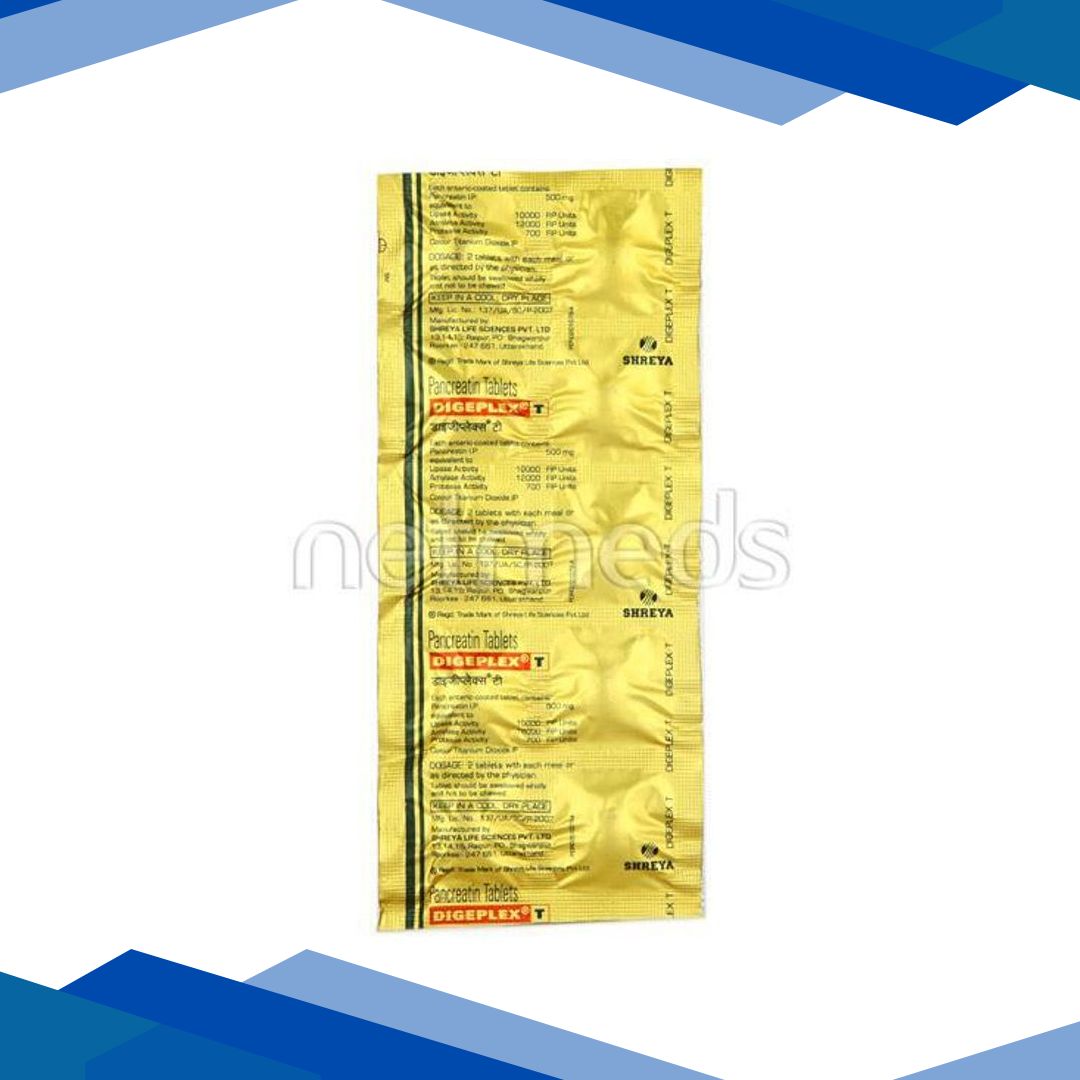
Digeplex T Tablet 10’S
❌ Due to high demand, this product is currently out of stock. New stock will be available shortly.
👉 Click here to Buy Same Salt medicine
Digeplex T Tablet is a combination medicine used to support liver health and improve digestion. L ORNITHINE L ASPARTATE helps the body reduce excess ammonia, a waste product that can build up when the liver is not working well. By lowering ammonia levels, it may help ease symptoms linked to liver dysfunction and support overall liver function. PANCREATIN is a mixture of digestive enzymes that helps break down fats, proteins, and carbohydrates, making food easier to digest and improving nutrient absorption. This medicine is commonly used in people with liver problems along with digestive discomfort or poor digestion due to enzyme deficiency. It should be used under medical supervision, especially in people with ongoing liver or digestive conditions, to ensure it is appropriate and effective.
Description
Digeplex T Tablet is a combination medicine used to support digestion and to help manage certain liver-related symptoms, depending on the condition for which it is prescribed. it brings together two different components: l ornithine l aspartate, which is commonly associated with liver support and reduction of elevated ammonia levels in some liver conditions, and pancreatin, which is a mixture of digestive enzymes that helps break down food more efficiently. because it acts on both digestion and metabolism, this medicine is often considered when a person has digestive discomfort along with liver dysfunction or impaired nutrient processing.
from a clinical perspective, l ornithine l aspartate is known for its role in the body’s ammonia detoxification pathways. in certain liver disorders, the liver may not be able to convert ammonia into urea effectively, allowing ammonia to build up in the blood and contribute to symptoms such as tiredness, confusion, poor concentration, and in severe cases, hepatic encephalopathy. l ornithine l aspartate may help the body reduce ammonia by supporting the urea cycle and glutamine synthesis. pancreatin, on the other hand, contains enzymes such as amylase, lipase, and protease, which assist in digestion of carbohydrates, fats, and proteins. this can be useful in people who have poor digestive enzyme activity, bloating, fullness, greasy stools, or difficulty absorbing nutrients.
this combination is not a cure for liver disease or pancreatic insufficiency, but it may provide symptomatic support when prescribed appropriately. it is important to understand that the exact benefit depends on the underlying condition, the severity of the illness, and whether the product is being used as part of a broader treatment plan. a healthcare professional should determine whether this medicine is suitable, especially in people with chronic liver disease, digestive disorders, or other medical conditions requiring careful monitoring.
in general, Digeplex T Tablet is for adults who need help with digestion or liver-related metabolic support under medical supervision. it should be used responsibly, along with dietary guidance, treatment of the underlying disease, and follow-up if symptoms persist or worsen. people should not self-diagnose liver problems or digestive enzyme deficiency, as these symptoms can overlap with many other conditions.
ingredients
- l ornithine l aspartate: this component supports the body’s natural ammonia-handling pathways. in liver dysfunction, ammonia may accumulate in the bloodstream and affect brain function. l ornithine l aspartate helps promote the conversion of ammonia into less harmful substances through metabolic processes in the liver and muscles, which may reduce the burden of hyperammonemia and support mental clarity in selected liver conditions.
- pancreatin: pancreatin is a blend of digestive enzymes, mainly amylase, lipase, and protease. amylase helps digest starches and carbohydrates, lipase helps break down fats, and protease helps digest proteins. together, these enzymes assist digestion and nutrient absorption, especially when the body’s own digestive enzyme production is reduced.
key uses
- support in liver-related ammonia buildup: l ornithine l aspartate may be used to help lower elevated ammonia levels in certain liver conditions, which can reduce symptoms linked to hepatic metabolic imbalance.
- adjunct support in hepatic encephalopathy: in some patients with liver disease, high ammonia can contribute to confusion, drowsiness, and slowed thinking. this medicine may be prescribed as part of a treatment plan to help manage these symptoms.
- digestive enzyme replacement support: pancreatin helps break down food into smaller components for easier digestion, which may be useful in conditions where pancreatic enzyme output is insufficient.
- relief from indigestion related to enzyme deficiency: it may help improve symptoms such as bloating, heaviness after meals, gas, and poor digestion when these are due to inadequate enzyme activity rather than simple diet-related discomfort.
- improved nutrient absorption: by helping digest fats, proteins, and carbohydrates more effectively, pancreatin may support better absorption of nutrients in people with maldigestion or malabsorption.
how to use
use this medicine exactly as directed by your doctor or pharmacist, because the appropriate form and frequency may depend on the condition being treated and the product strength. it is commonly taken with food or shortly after meals to help the digestive enzymes work with the meal being eaten and to reduce stomach upset. swallow the dosage form as instructed; if it is a capsule or tablet designed for oral use, do not crush or chew it unless specifically told to do so by a healthcare professional, as this may affect how the product works. if you have been prescribed this medicine for a liver-related condition, it may be used regularly as part of a larger treatment plan that also includes dietary advice, management of liver disease, and follow-up testing.
for best results, take it at the same time each day if your prescriber has advised routine use. follow instructions carefully regarding meals, because taking digestive enzymes without food may reduce their usefulness. do not increase the amount on your own if symptoms do not improve quickly, as digestive and liver symptoms can be caused by conditions that need medical evaluation. if you are unsure whether the product should be taken before, with, or after meals, ask your pharmacist, since directions can vary slightly by formulation. if you experience worsening abdominal pain, vomiting, constipation, severe weakness, confusion, or signs of allergy, seek medical advice promptly.
safety information
- warnings: this medicine should be used only when recommended by a qualified healthcare professional. people with liver disease may already have a complex medical condition, so symptom changes should not be ignored. if confusion, unusual sleepiness, abdominal swelling, vomiting blood, black stools, or jaundice occur, urgent medical attention may be needed. pancreatin-containing products can sometimes irritate the stomach or cause bowel symptoms, and overuse is not advised.
- side effects: common side effects may include nausea, abdominal discomfort, bloating, gas, mild diarrhea, constipation, or a feeling of fullness. some people may notice changes in bowel habits. serious side effects are uncommon but can include allergic reactions such as rash, itching, swelling, breathing difficulty, severe stomach pain, or signs of worsening liver-related confusion. any severe or persistent reaction should be reported immediately.
- precautions: use caution if you have a history of pancreatitis, severe liver disease, gallbladder problems, bowel obstruction, stomach ulcer symptoms, or allergies to any ingredient. people with diabetes or nutritional problems should be monitored carefully if the medicine is used as part of a broader digestive plan. if you are taking multiple medicines for liver, digestive, or neurological conditions, inform your healthcare provider to avoid overlapping effects or missed diagnoses.
- pregnancy/breastfeeding: safety during pregnancy and breastfeeding should be assessed by a doctor. there is not enough universal information to recommend unsupervised use in pregnant or nursing individuals. the benefits and possible risks should be weighed carefully, especially because liver and digestive symptoms during pregnancy can have multiple causes that need proper evaluation.
- interactions: tell your doctor about all medicines you take, including prescription, over-the-counter, herbal, and supplemental products. alcohol can worsen liver problems and should generally be avoided or strictly limited if you have liver disease. some medications that affect digestion, stomach acidity, bowel movement, or liver function may influence how well this medicine works or how well you tolerate it. if you take antibiotics, antacids, iron products, enzyme supplements, or medicines for chronic liver conditions, ask a healthcare professional for personalized advice.
additional information
- storage: store in a cool, dry place away from direct sunlight, heat, and moisture. keep the medicine in its original packaging and out of reach of children. do not store it in the bathroom or near the kitchen sink where humidity may affect product quality.
- missed dose: if you miss a dose, take it as soon as you remember if it is close to the usual time and if you are due to eat. if it is almost time for the next dose, skip the missed dose and continue with the regular schedule. do not double up to make up for a missed dose unless specifically instructed by your healthcare provider.
- overdose: taking too much may increase the chance of stomach upset, nausea, diarrhea, or other digestive complaints. in people with liver disease, worsening drowsiness, confusion, or weakness should be treated seriously because these may also reflect progression of illness. if an overdose is suspected, contact a doctor, poison control center, or emergency service right away, especially if the person is unwell or has taken a large amount.
- habit forming: no. this medicine is not known to be habit forming or addictive. however, it should still be used only as directed, because self-medication or long-term use without medical supervision may hide symptoms of a more serious condition.
frequently asked questions
Q: what is Digeplex T Tablet used for?
A: it is generally used to support liver-related ammonia handling and to aid digestion by providing pancreatic enzymes. doctors may prescribe it for selected patients with liver dysfunction, digestive enzyme insufficiency, or related symptoms such as bloating, indigestion, or poor nutrient absorption.
Q: how does Digeplex T Tablet work in the body?
A: l ornithine l aspartate supports metabolic pathways that help reduce ammonia levels, while pancreatin supplies digestive enzymes that break down carbohydrates, fats, and proteins. together, they may help improve digestion and support liver-related metabolic function.
Q: should this medicine be taken with food?
A: it is often taken with or after meals so the digestive enzymes can work on the food being eaten. however, the exact timing may vary by formulation and medical advice, so follow your doctor’s or pharmacist’s instructions.
Q: can this medicine cure liver disease?
A: no. it may help manage certain symptoms or metabolic problems related to liver disease, but it does not cure the underlying liver condition. ongoing medical care, diet changes, and monitoring are often needed.
Q: what side effects may occur?
A: common side effects can include nausea, bloating, abdominal discomfort, diarrhea, constipation, or gas. rarely, allergic reactions or worsening symptoms may occur. seek medical attention if side effects are severe or persistent.
Q: is it safe to use this medicine without a prescription?
A: it is best not to use it without medical guidance, especially if you have liver disease, ongoing digestive problems, or multiple health conditions. symptoms that seem simple may indicate a more serious issue that needs proper diagnosis.
Q: who should be careful before taking this medicine?
A: people with liver disease, pancreatitis history, bowel obstruction, gallbladder disease, stomach ulcers, or known allergies to ingredients should be cautious. pregnant or breastfeeding individuals should also consult a healthcare professional first.
Q: can i drink alcohol while taking this medicine?
A: alcohol is generally not advisable, especially if the medicine is being used for liver-related problems. alcohol can worsen liver injury, interfere with recovery, and increase symptom burden.
Q: what if my symptoms do not improve?
A: if your symptoms persist, worsen, or return after initial improvement, contact a healthcare professional. digestive discomfort, fatigue, or confusion may need evaluation for other causes or treatment adjustments.
Q: can children take Digeplex T Tablet?
A: use in children depends on the product and the child’s medical condition. it should only be given if specifically prescribed by a pediatrician or another qualified clinician.
this information is for educational purposes only and should not be considered medical advice. always consult a qualified healthcare professional before use.
At Gem Pharmacy, we make every effort to provide accurate, expert-written, and thoroughly reviewed information related to medicines. However, this information should not be considered a substitute for professional medical advice, diagnosis, or treatment from a qualified doctor.
The purpose of this information is to educate users and improve communication between patients and healthcare professionals. It should not be used to diagnose or treat any condition.
Always consult a certified healthcare professional before taking any medication.


Related products
Pancrehenz 25000 Capsule 10’S
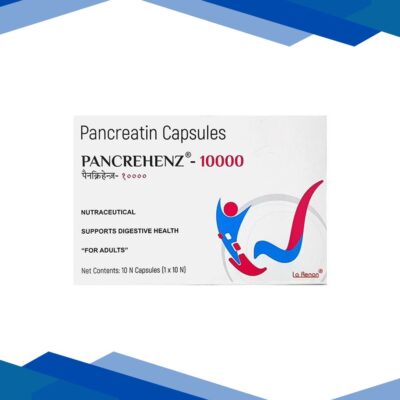
Pancrehenz 10000 Capsule 10’S