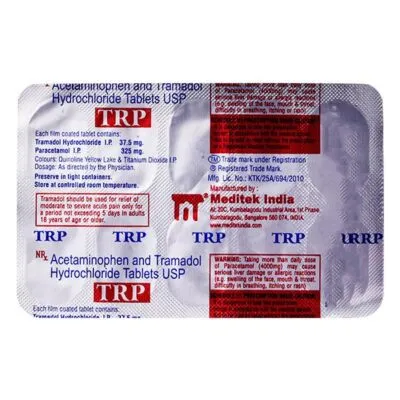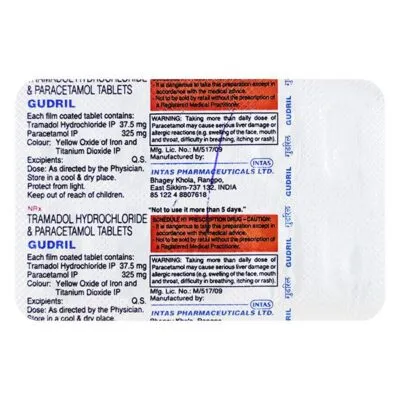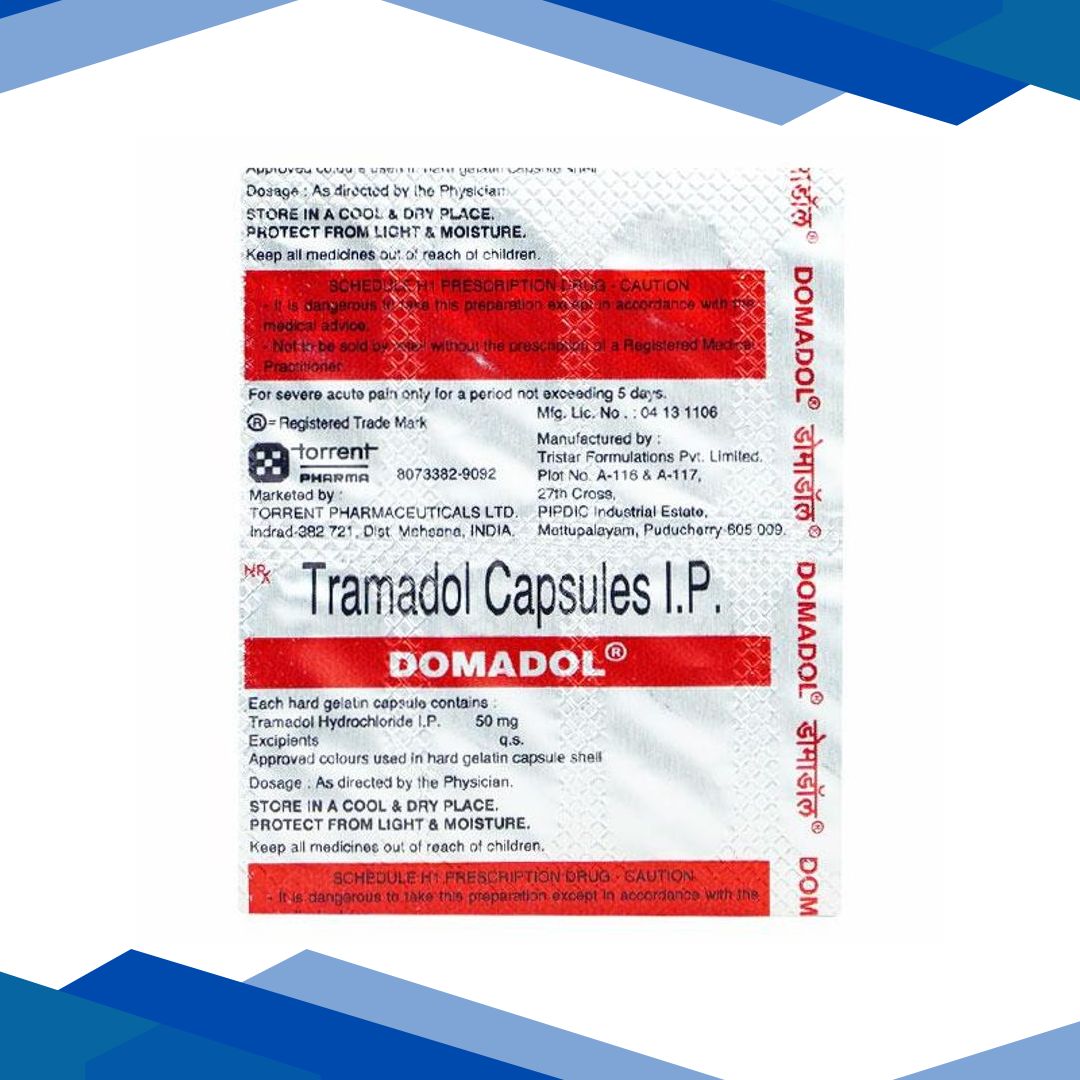
Domadol 50mg Capsule 10’S
❌ Due to high demand, this product is currently out of stock. New stock will be available shortly.
👉 Click here to Buy Same Salt medicine
Domadol 50mg Capsule is a combination medicine used to help relieve moderate to severe pain when a single pain reliever may not be enough. Paracetamol helps reduce pain and fever, while tramadol acts on the brain and nervous system to lessen the feeling of pain. Caffeine may improve the pain-relieving effect and can help reduce tiredness, while taurine supports normal nerve function. This medicine is commonly used for painful conditions such as headache, dental pain, muscle pain, back pain, and pain after injury or surgery, as advised by a healthcare professional. Because it contains tramadol, it should be used carefully and only under medical supervision, especially in people with a history of substance use, breathing problems, or other ongoing health conditions.
Description
Domadol 50mg Capsule is a combination medicine used for short-term relief of moderate to moderately severe pain when a single pain reliever may not be enough. it contains four active components that work through different but complementary actions: tramadol helps reduce the perception of pain in the brain and spinal cord, paracetamol lowers pain and fever, caffeine can enhance the pain-relieving effect and may help reduce tiredness associated with pain, and taurine is included as a supportive ingredient that may help overall neurological and metabolic function. together, these ingredients are intended to provide broader pain control than one ingredient alone.
this medicine is generally used when pain is significant enough to affect daily activities, such as musculoskeletal pain, dental pain, headache, post-procedure pain, or other acute painful conditions, depending on a healthcare professional’s judgment. it is not meant for routine, long-term self-treatment, and it should be used carefully because tramadol is an opioid-like analgesic with potential risks, including dizziness, drowsiness, nausea, constipation, dependence, and breathing problems in susceptible people. the presence of caffeine may also cause nervousness, palpitations, or sleep disturbance in some individuals.
the mechanism of action is multi-layered. tramadol acts on opioid receptors and also affects serotonin and norepinephrine pathways, which are important in pain signaling. paracetamol works centrally to reduce pain and fever, though its exact mechanism is not fully understood. caffeine may increase alertness and support analgesic effectiveness, while taurine may contribute to nerve and cellular function. because this combination influences the central nervous system, it can be effective for certain pain conditions, but it also requires caution in people with a history of seizures, substance use disorder, liver disease, breathing issues, or those taking interacting medicines. always follow a clinician’s advice for safe and appropriate use.
ingredients
- caffeine: caffeine is a mild central nervous system stimulant. in pain formulations, it may help improve the overall pain-relieving response and reduce feelings of fatigue or mental slowing that can come with pain. it can also make some people feel more alert, but in sensitive individuals it may cause jitteriness, rapid heartbeat, or sleep disturbance.
- paracetamol: paracetamol is a widely used analgesic and antipyretic. it helps reduce pain and fever by acting primarily in the central nervous system. it is generally well tolerated when used correctly, but excessive intake can seriously damage the liver, especially when combined with alcohol or other paracetamol-containing products.
- taurine: taurine is an amino-sulfonic compound involved in normal nerve function, cell membrane stability, and cellular protection. in combination pain products, it is included as a supportive component. it is not a primary painkiller, but it may contribute to the formulation’s overall tolerability or neurological support depending on the product design.
- tramadol: tramadol is a centrally acting analgesic used for pain relief. it works by binding to opioid receptors and also influencing serotonin and norepinephrine reuptake, which helps reduce the transmission and perception of pain. it can be effective for stronger pain but carries important safety concerns such as sedation, dependence, constipation, and the risk of seizures or serotonin syndrome in certain situations.
key uses
- moderate pain relief: this combination may be prescribed for painful conditions that require more than a simple non-opioid pain reliever. it is intended to improve pain control by using multiple mechanisms at once.
- acute musculoskeletal pain: it may be used for short-term relief of pain related to sprains, strains, back pain, joint pain, or injury-related discomfort, depending on medical advice.
- dental pain: it may help manage toothache or pain after dental procedures when a clinician determines that stronger analgesia is appropriate.
- post-procedure pain: after minor medical or surgical procedures, it may be used for temporary pain relief if other options are insufficient or unsuitable.
- headache or tension-type pain: in some patients, it may be used for severe headache-type pain, but it should be used cautiously because frequent use of pain medicines can contribute to medication-overuse headache.
- fever with pain: because paracetamol reduces fever, the combination may be useful when pain is accompanied by fever, although the main purpose is pain relief.
how to use
this medicine should be taken exactly as directed by a healthcare professional. it is usually used for short-term pain relief and should not be taken more often or for longer than recommended. swallow the tablet or capsule with water, and if the product is intended to be taken with food, follow those instructions to help reduce stomach upset. some people may feel drowsy after taking tramadol, while caffeine may make others feel more awake; because of this mixed effect, it is important not to judge your reaction too quickly after the first dose. avoid taking extra doses to “catch up” or to get faster relief.
if a dose is missed, take it as soon as you remember unless it is almost time for the next one. do not double the dose. because this product contains tramadol and paracetamol, it is important to avoid using other medicines that also contain these ingredients unless a clinician specifically advises it. take care to keep track of all cold, flu, and pain products, since accidental duplication is a common cause of overdose. if pain persists, worsens, or is associated with symptoms such as swelling, injury, chest pain, severe headache, or fever, medical evaluation is important rather than continuing self-treatment.
safety information
- warnings: this medicine can cause drowsiness, dizziness, nausea, constipation, dry mouth, and impaired alertness. tramadol can also lead to dependence or withdrawal with prolonged or inappropriate use. it may increase the risk of seizures in susceptible people and can cause serotonin syndrome when combined with certain antidepressants or migraine medicines. paracetamol overdose can cause severe liver injury, which may not be obvious immediately. do not combine with alcohol or sedatives without medical advice.
- side effects: common side effects include nausea, vomiting, constipation, dizziness, sleepiness, headache, sweating, stomach upset, nervousness, and difficulty sleeping. serious side effects can include slow or shallow breathing, severe allergic reactions, seizures, confusion, hallucinations, severe agitation, yellowing of the skin or eyes, dark urine, or signs of liver damage. seek urgent help if breathing becomes difficult or if unusual sedation occurs.
- precautions: use caution or avoid this medicine if you have severe liver disease, a history of opioid misuse, uncontrolled epilepsy, significant breathing problems, head injury, severe kidney problems, or a known allergy to any component. older adults may be more sensitive to dizziness, sedation, and falls. people taking multiple medications should review them carefully for interactions. do not drive or operate machinery until you know how the medicine affects you.
- pregnancy/breastfeeding: use during pregnancy should only be considered if a doctor believes the benefit outweighs the risk. tramadol may affect the baby, especially with repeated use or use near delivery, and paracetamol is generally considered safer but still should be used appropriately. during breastfeeding, tramadol requires caution because it can pass into breast milk and may cause excessive sleepiness or breathing problems in the infant. always consult a healthcare professional before use.
- interactions: this medicine can interact with alcohol, benzodiazepines, sleeping pills, other opioids, muscle relaxants, and other sedating medicines, increasing the risk of profound drowsiness and breathing problems. tramadol may interact with antidepressants such as ssris, snris, tricyclic antidepressants, mao inhibitors, and some migraine medicines, raising the risk of serotonin syndrome or seizures. caffeine may add to stimulant effects when combined with other caffeinated products. medicines that affect the liver may also alter safety, and multiple paracetamol-containing products should be avoided to prevent overdose.
additional information
- storage: store in a cool, dry place away from direct heat, moisture, and sunlight. keep it in the original packaging and out of reach of children and pets. do not use after the expiration date.
- missed dose: if you miss a dose, take it when remembered unless the next scheduled dose is near. if it is close to the next dose, skip the missed dose and continue the regular schedule. never take two doses at once.
- overdose: overdose can be dangerous and may cause extreme sleepiness, confusion, nausea, vomiting, pinpoint pupils, slowed breathing, seizures, or liver damage from paracetamol. overdose may not show symptoms immediately, especially with paracetamol, so urgent medical attention is essential. call emergency services or a poison center right away if overdose is suspected.
- habit forming: yes, this medicine can be habit forming because it contains tramadol. regular or prolonged use may lead to tolerance, dependence, and withdrawal symptoms if stopped suddenly. it should be used only for the shortest duration recommended by a healthcare professional.
frequently asked questions
Q: what is Domadol 50mg Capsule used for?
A: it is used for short-term relief of moderate to moderately severe pain when a stronger, multi-ingredient pain reliever is needed. a healthcare professional decides whether it is appropriate based on the type and severity of pain.
Q: can i take this medicine with alcohol?
A: no, alcohol should generally be avoided because it can increase drowsiness, dizziness, and the risk of breathing problems. alcohol also increases the risk of liver damage when paracetamol is involved.
Q: does this medicine cause sleepiness?
A: yes, it can. tramadol may cause drowsiness even though caffeine is included in the product. the overall effect varies from person to person, so avoid driving or operating machinery until you know how you respond.
Q: can i take it with other pain medicines?
A: you should not combine it with other medicines containing paracetamol or tramadol unless advised by a healthcare professional. mixing pain medicines without checking can raise the risk of overdose or side effects.
Q: is it safe for people with liver problems?
A: people with liver disease need extra caution because paracetamol can be harmful in higher amounts or when the liver is already compromised. a doctor should decide whether this medicine is suitable.
Q: can it cause addiction?
A: it may. because it contains tramadol, there is a risk of dependence and misuse, especially with repeated use or higher-than-recommended doses. it should be taken only as prescribed or advised.
Q: what should i do if i feel very sleepy or have trouble breathing?
A: seek emergency medical help immediately. these can be signs of a serious reaction or overdose, especially due to tramadol, and need urgent treatment.
Q: can caffeine in this medicine affect sleep?
A: yes. caffeine may cause restlessness or trouble sleeping, especially if taken later in the day or if you are sensitive to stimulants.
Q: who should avoid this medicine?
A: people with severe liver disease, breathing problems, seizure disorders, a history of opioid misuse, or those taking interacting antidepressants or sedatives should use it only with medical guidance, and some should avoid it altogether.
Q: can i stop taking it suddenly?
A: if you have used it for more than a short time, stopping suddenly may cause withdrawal symptoms because of tramadol. a healthcare professional may advise a gradual reduction if needed.
this information is for educational purposes only and should not be considered medical advice. always consult a qualified healthcare professional before use.
At Gem Pharmacy, we make every effort to provide accurate, expert-written, and thoroughly reviewed information related to medicines. However, this information should not be considered a substitute for professional medical advice, diagnosis, or treatment from a qualified doctor.
The purpose of this information is to educate users and improve communication between patients and healthcare professionals. It should not be used to diagnose or treat any condition.
Always consult a certified healthcare professional before taking any medication.


Related products