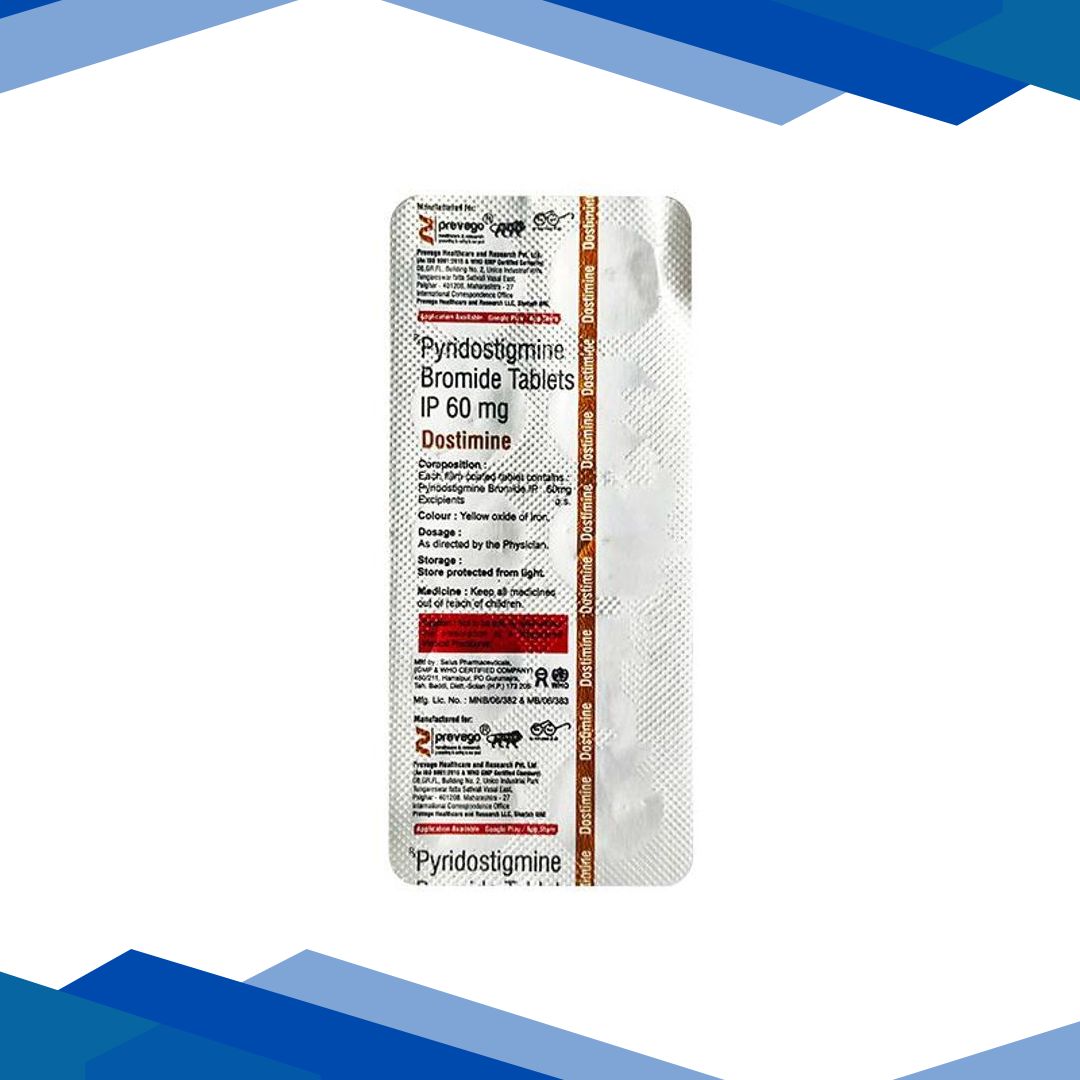
DOSTIMINE 60mg Tablet 10’s
DOSTIMINE 60mg Tablet is a combination medicine that brings together pain relief, allergy control, and nutritional support in one formulation. Aspirin helps reduce pain, fever, and inflammation, while Promethazine works as an antihistamine to relieve allergy-related symptoms such as sneezing, runny nose, and nausea. The added vitamins and minerals, including Elemental Zinc, Vitamin C, Niacinamide, Vitamin D3, Elemental Iodine, and Elemental Selenium, help support general health, immune function, and normal body metabolism. This medicine may be used when symptom relief and nutritional supplementation are both needed, especially in conditions involving fever, discomfort, or allergy symptoms. It should be used under medical advice, as it may not be suitable for everyone.
Description
DOSTIMINE 60mg Tablet is a combination product that brings together a pain-relieving and anti-nausea medicine with several nutritional ingredients commonly used to support general health. in standard medical practice, aspirin is a well-known nonsteroidal anti-inflammatory drug (nsaid) that helps reduce pain, inflammation, fever, and, in some situations, platelet aggregation. promethazine is an antihistamine with antiemetic and sedative properties, often used to reduce nausea, vomiting, motion sickness, or allergic-type symptoms. the remaining ingredients—zinc, vitamin c, niacinamide, vitamin d3, iodine, and selenium—are essential vitamins and minerals that support immune function, tissue repair, thyroid health, antioxidant defense, and overall nutritional status.
this kind of combination may be selected when a clinician wants to address multiple symptoms or deficiencies at once, especially where mild pain, nausea, fatigue, low intake, or general nutritional support are concerns. the aspirin component works by blocking cyclooxygenase enzymes, which lowers prostaglandin production and helps relieve pain and inflammation. promethazine acts mainly by blocking histamine h1 receptors and also affects the vomiting center in the brain, which can help control nausea and improve comfort. the micronutrients do not treat acute pain or nausea directly, but they help correct or prevent deficiencies that can worsen general health, recovery, and immune resilience.
because this product includes both a medicine that can cause sedation and irritation of the stomach, as well as nutrients that may interact with certain diseases or medications, it should be used carefully and only as advised by a healthcare professional. it is not suitable for everyone, especially people with aspirin allergy, a history of stomach ulcers, bleeding disorders, severe asthma triggered by nsaids, narrow-angle glaucoma, urinary retention, or certain heart and liver conditions. the presence of promethazine also means caution is needed with driving, alcohol use, and other medicines that cause drowsiness. the vitamin and mineral components are generally supportive, but they are not a substitute for a balanced diet or treatment of underlying medical conditions.
ingredients
- aspirin: aspirin is the main analgesic and anti-inflammatory component. it helps relieve mild to moderate pain, reduce swelling, and lower fever. it also has antiplatelet effects, meaning it can reduce blood clot formation, which is important in some cardiovascular settings. however, it can irritate the stomach lining and increase bleeding risk, so it must be used with care.
- promethazine: promethazine is a first-generation antihistamine with strong sedative and antiemetic effects. it is commonly used to help control nausea, vomiting, motion sickness, and allergy-related symptoms. it can also cause drowsiness, dizziness, dry mouth, constipation, and blurred vision, which is why it is often taken cautiously.
- elemental zinc: zinc is an essential trace mineral needed for immune function, wound healing, protein synthesis, and normal growth and development. adequate zinc intake supports skin health, taste and smell function, and recovery from illness. excessive zinc intake can interfere with copper absorption and may cause gastrointestinal upset.
- vitamin c: vitamin c, also called ascorbic acid, is an important antioxidant that helps protect cells from oxidative stress. it supports collagen formation, wound healing, and iron absorption, and it contributes to immune system function. deficiency can lead to fatigue, poor healing, and, in severe cases, scurvy.
- niacinamide: niacinamide is a form of vitamin b3. it helps the body convert food into energy and supports skin health, nervous system function, and cellular repair. unlike niacin, it typically does not cause flushing to the same extent, but high intakes may still cause side effects and should be used appropriately.
- vitamin d3: vitamin d3 helps the body absorb calcium and phosphorus, which are necessary for healthy bones, teeth, and muscle function. it also plays a role in immune regulation. low vitamin d levels are common and can contribute to bone weakness and other health concerns.
- elemental iodine: iodine is essential for thyroid hormone production. these hormones regulate metabolism, growth, and development. both too little and too much iodine can affect thyroid function, so its use should be appropriate and monitored in people with thyroid disease.
- elemental selenium: selenium is a trace element that supports antioxidant enzymes and thyroid hormone metabolism. it helps protect cells from oxidative damage and contributes to normal immune and thyroid function. excess selenium intake can be harmful and may cause symptoms such as hair loss, brittle nails, or a metallic taste.
key uses
- relief of mild to moderate pain: the aspirin component may help ease headaches, body aches, muscular discomfort, and other minor pain conditions by reducing inflammation and pain signaling.
- reduction of fever: aspirin can lower body temperature when fever is present, although it should be used carefully and not in situations where it is contraindicated.
- control of nausea or vomiting: promethazine is often included to reduce nausea, vomiting, and motion-related symptoms, making the product more comfortable for people prone to stomach upset.
- support during recovery or low nutritional intake: zinc, vitamin c, niacinamide, vitamin d3, iodine, and selenium provide nutritional support that may be helpful when dietary intake is inadequate or when the body needs additional micronutrient support.
- immune and antioxidant support: vitamin c, zinc, selenium, and vitamin d3 help support immune function and antioxidant defenses, which are important for general health and recovery.
- thyroid and metabolic support: iodine and selenium are important for normal thyroid hormone production and conversion, helping maintain healthy metabolism when intake is appropriate.
how to use
use this medicine only as directed by a healthcare professional or according to the product label. it is generally taken by mouth with water, and taking it with food may help reduce stomach upset caused by aspirin. because promethazine may cause drowsiness, some people prefer to take it at a time when rest is possible, but the exact timing depends on the reason it was prescribed. do not exceed the recommended amount, and do not combine it with other medicines containing aspirin, sedating antihistamines, or similar nutrients unless advised by a clinician.
if you are using this product for nausea, motion sickness, or associated discomfort, it may be helpful to take it before the triggering event if instructed by a healthcare professional. if it is being used for pain or fever, it should be taken at the first sign of symptoms rather than waiting until discomfort becomes severe. swallow the medicine as directed and avoid crushing or altering the product unless the label or pharmacist says it is safe. since this combination can cause sleepiness, avoid driving, operating machinery, or performing tasks requiring alertness until you know how it affects you.
do not take more than recommended in an attempt to get faster relief. nutrients such as zinc, iodine, selenium, and vitamin d3 are beneficial only within appropriate ranges, and excess intake can be harmful. if your symptoms persist, worsen, or return frequently, consult a healthcare professional, because repeated nausea, pain, or fatigue may indicate an underlying condition that needs evaluation.
safety information
- warnings: aspirin can increase the risk of stomach bleeding, ulcers, and irritation, especially in people with a history of gastrointestinal disease, bleeding disorders, or concurrent anticoagulant use. promethazine can cause marked drowsiness, confusion, dizziness, dry mouth, and impaired coordination. this combination may not be suitable for children, especially in settings where promethazine-related respiratory depression is a concern, and it should be used cautiously in older adults due to increased sensitivity to sedation and anticholinergic effects.
- side effects: common side effects may include sleepiness, dizziness, nausea, stomach upset, heartburn, constipation, dry mouth, blurred vision, or mild headache. more serious side effects can include black stools, vomiting blood, unusual bruising, allergic reactions, severe rash, trouble breathing, wheezing, severe confusion, agitation, fast heartbeat, or symptoms of overdose. seek urgent medical help if severe reactions occur.
- precautions: avoid or use with great caution if you have aspirin allergy, asthma worsened by nsaids, active peptic ulcer disease, bleeding problems, severe liver disease, severe kidney disease, glaucoma, enlarged prostate, urinary retention, seizure disorders, or significant heart disease. use caution if you are dehydrated, elderly, or taking multiple medicines. people with thyroid disorders should also be careful with iodine and selenium supplementation. if you already take vitamin or mineral supplements, verify total daily intake to avoid excess.
- pregnancy/breastfeeding: this combination should be used only if clearly recommended by a healthcare professional during pregnancy or breastfeeding. aspirin and promethazine require particular caution in pregnancy, and promethazine may pass into breast milk and cause sedation in a nursing infant. the vitamin and mineral components are generally needed in normal amounts, but the overall product may not be appropriate without medical supervision.
- interactions: this medicine may interact with alcohol, opioids, sleeping pills, anti-anxiety medicines, muscle relaxants, and other antihistamines because promethazine can intensify sedation. aspirin may interact with anticoagulants, antiplatelet drugs, corticosteroids, other nsaids, some antidepressants, and medicines that affect kidney function or bleeding risk. mineral components may also interact with certain thyroid medicines, antibiotics, and high-dose supplements. always tell your doctor or pharmacist about all medicines, vitamins, and herbal products you use.
additional information
- storage: store in a cool, dry place away from direct sunlight, heat, and moisture. keep the medicine in its original container, tightly closed, and out of reach of children. do not store in a bathroom unless the label specifically allows it.
- missed dose: if you miss a dose, take it as soon as you remember unless it is almost time for the next dose. if it is nearly time for the next dose, skip the missed dose and continue your usual schedule. do not take two doses at once to make up for a missed dose.
- overdose: overdose may cause severe drowsiness, confusion, ringing in the ears, rapid breathing or breathing difficulty, vomiting, stomach pain, fever, sweating, seizures, unusual agitation, or bleeding. serious overdose is a medical emergency. contact emergency services or a poison control center immediately if overdose is suspected.
- habit forming: no, this product is not considered habit forming in the classic sense. however, promethazine can cause dependence-like patterns of use in some people if taken improperly for sleep or sedation, so it should be used only as directed and not for self-treatment of insomnia or anxiety unless a clinician specifically advises it.
frequently asked questions
Q: what is DOSTIMINE 60mg Tablet used for?
A: it is generally used to help relieve mild to moderate pain or fever, reduce nausea or vomiting, and provide nutritional support through essential vitamins and minerals. a healthcare professional may recommend it when more than one symptom or deficiency needs attention.
Q: can i take this medicine on an empty stomach?
A: it may be better tolerated with food because aspirin can irritate the stomach. however, follow your clinician’s instructions or the product label, since the best timing can depend on why you are taking it.
Q: will this medicine make me sleepy?
A: yes, it can. promethazine commonly causes drowsiness, dizziness, and slowed reaction time. avoid alcohol and be careful with driving or operating machinery until you know how it affects you.
Q: can i use it with other pain relievers?
A: not without checking first. many pain relievers, especially nsaids and aspirin-containing products, may increase stomach bleeding or side effects if combined. ask a pharmacist or doctor before mixing products.
Q: is it safe for people with thyroid problems?
A: not always. because the product contains iodine and selenium, people with thyroid disease should use it only under medical supervision. too much or too little iodine can affect thyroid function.
Q: can pregnant or breastfeeding women take it?
A: it should only be used if a healthcare professional says it is appropriate. aspirin and promethazine require special caution during pregnancy and breastfeeding, and the full combination may not be suitable for everyone.
Q: what should i do if i feel stomach pain or notice black stools?
A: stop taking the medicine and seek medical care promptly. these may be signs of stomach irritation or bleeding, which can happen with aspirin-containing products and should not be ignored.
Q: can this product be taken daily?
A: only if a clinician specifically recommends daily use. because it contains aspirin, promethazine, and multiple micronutrients, long-term use should be medically supervised to avoid side effects or excess intake.
Q: does this product cure infections or boost immunity instantly?
A: no. while some ingredients support immune function and nutrition, this product does not cure infections or provide instant immunity. it should not replace proper medical evaluation or treatment.
Q: what if i already take multivitamins?
A: check the labels carefully and ask a pharmacist. taking multiple products may duplicate zinc, vitamin c, vitamin d, iodine, or selenium and could lead to excessive intake over time.
this information is for educational purposes only and should not be considered medical advice. always consult a qualified healthcare professional before use.
At Gem Pharmacy, we make every effort to provide accurate, expert-written, and thoroughly reviewed information related to medicines. However, this information should not be considered a substitute for professional medical advice, diagnosis, or treatment from a qualified doctor.
The purpose of this information is to educate users and improve communication between patients and healthcare professionals. It should not be used to diagnose or treat any condition.
Always consult a certified healthcare professional before taking any medication.


Related products

DOSTIMINE 60mg Tablet 10’s