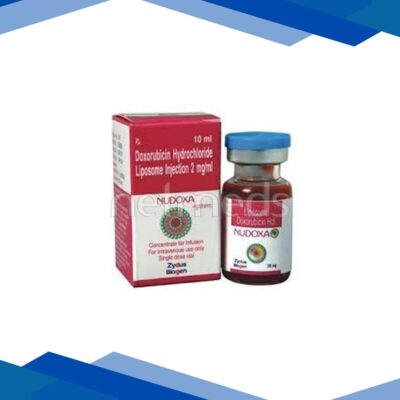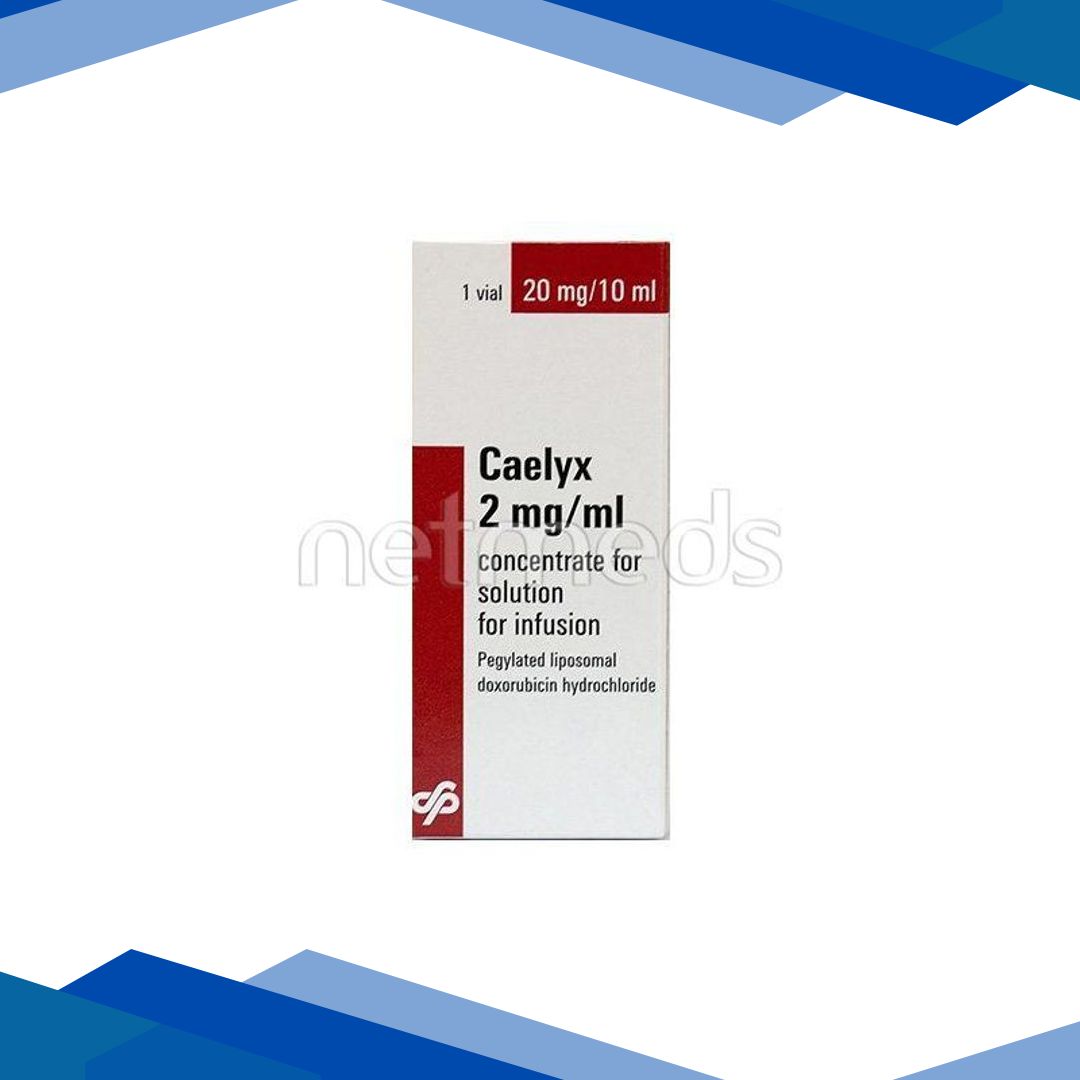
DOXULIP 20mg Injection 1’s
❌ Due to high demand, this product is currently out of stock. New stock will be available shortly.
👉 Click here to Buy Same Salt medicine
DOXULIP 20mg Injection is an anti-cancer medicine used under close medical supervision. It contains doxorubicin, a chemotherapy drug, packaged in tiny fat-like particles and coated with polyethylene glycol to help it stay in the body longer and reach tumors more effectively. It works by interfering with the DNA of cancer cells, which stops them from growing and dividing, leading to cell death. This medicine is commonly used to treat certain cancers, including ovarian cancer, Kaposi’s sarcoma, and some types of breast cancer and multiple myeloma. Because it is a strong chemotherapy treatment, it may also affect healthy cells and cause side effects, so it is given by healthcare professionals as part of a carefully planned cancer treatment.
Description
DOXULIP 20mg Injection is a specialized anti-cancer medicine designed to deliver doxorubicin in a liposomal, pegylated form. doxorubicin is a well-known chemotherapy agent that belongs to the anthracycline class, and it works by interfering with the ability of cancer cells to grow and divide. in this formulation, the drug is enclosed within tiny fat-like particles called liposomes and coated with polyethylene glycol, which helps the medicine stay in the bloodstream longer and may reduce some of the tissue damage seen with conventional doxorubicin. this delivery system is intended to improve how the drug circulates and reaches tumors while limiting exposure to some normal tissues.
this medicine is used in the treatment of certain cancers and is given by a healthcare professional, usually as an intravenous infusion. because it is a potent chemotherapy agent, it requires careful handling, monitoring, and individualized treatment planning by oncology specialists. the pegylated liposome design does not remove all the serious risks associated with doxorubicin, but it can change the side effect profile and pharmacokinetics in clinically meaningful ways. it is generally selected when the benefit of anthracycline-based therapy is needed and the clinician wants a liposomal formulation that may offer improved tolerability in some patients compared with conventional formulations.
DOXULIP 20mg Injection is not a medicine for self-use, and it should only be administered in settings equipped to manage chemotherapy reactions and complications. it is especially important to monitor blood counts, heart function, skin reactions, and signs of infection during treatment. the exact regimen, interval, and duration depend on the cancer being treated, the treatment plan, prior therapies, and the patient’s overall health status. because of its serious potential adverse effects, this medicine is reserved for use under specialist supervision.
ingredients
- doxorubicin hydrochloride: the active anticancer ingredient. it damages cancer cell dna and blocks the enzymes needed for dna replication and repair, which helps stop the growth and spread of malignant cells.
- pegylated liposome carrier system: a protective shell made of lipids with a polyethylene glycol surface coating. this carrier helps keep the medicine in the blood longer, reduces rapid breakdown, and alters how the drug is distributed in the body.
- phospholipids: structural components of the liposome that form the membrane around the drug. they create the vehicle that encloses doxorubicin and helps control its release.
- cholesterol or similar stabilizing lipids: may be present in the liposomal structure to improve membrane stability, control leakage, and support consistent drug delivery.
- polyethylene glycol (peg) coating: a surface layer that helps the liposome evade immediate recognition and clearance by the body’s immune system, prolonging circulation time and supporting tumor exposure.
- water for injection and formulation excipients: used to prepare the injectable product and maintain appropriate ph, tonicity, and stability. these components do not provide anticancer activity but are necessary for safe administration.
key uses
- metastatic breast cancer: used in some patients with advanced or metastatic breast cancer, especially when an anthracycline-based treatment is appropriate and a liposomal formulation is preferred.
- ovarian cancer: may be used for certain cases of ovarian cancer, including recurrent disease, as part of an oncology treatment strategy guided by a specialist.
- kaposi sarcoma: can be used in patients with aids-related kaposi sarcoma to help control tumor growth and lesion progression.
- other approved oncology indications in some regions: depending on local regulatory approval, this medicine may also be used in additional cancer settings where a pegylated liposomal anthracycline is clinically appropriate.
how to use
DOXULIP 20mg Injection is given only by intravenous infusion by trained healthcare professionals. it is not taken by mouth and should never be injected or handled outside a medical setting unless specifically instructed by a specialist team. before each treatment, clinicians usually review blood counts, liver function, and sometimes heart function to make sure it is safe to continue therapy. the infusion schedule depends on the cancer type, the treatment plan, and how the patient responds to therapy.
during administration, the infusion is typically given slowly to reduce the chance of infusion-related reactions. patients are closely observed for symptoms such as flushing, shortness of breath, back pain, chest discomfort, fever, chills, or rash. if side effects occur, the infusion may be slowed, paused, or managed with supportive care based on the healthcare provider’s judgment. because this is chemotherapy, hydration, anti-nausea treatment, and other supportive medicines may be used alongside it when appropriate.
patients should attend all scheduled visits and laboratory checks because ongoing monitoring is essential. the medicine can lower blood cell counts, increasing the risk of infection, bleeding, and fatigue. it can also cause heart-related toxicity, so any history of heart disease, prior anthracycline exposure, or chest radiation should be discussed with the oncology team before treatment begins. do not change the treatment schedule or skip follow-up appointments without medical advice.
safety information
- warnings: this medicine can cause serious bone marrow suppression, which may lead to low white blood cells, anemia, and low platelets. it may also cause severe heart toxicity, including weakening of the heart muscle and, rarely, heart failure. infusion reactions and severe skin/mucosal toxicity can also occur. prompt medical attention is needed for fever, unexplained bruising, bleeding, shortness of breath, chest pain, or severe rash.
- side effects: common side effects may include nausea, vomiting, fatigue, weakness, mouth sores, loss of appetite, diarrhea or constipation, hair loss, hand-foot syndrome, red or irritated skin, and changes in taste. serious side effects may include severe infection due to low blood counts, cardiomyopathy, allergic or infusion reactions, liver problems, severe skin reactions, and tissue damage if the drug leaks outside the vein.
- precautions: use with caution in people with heart disease, prior anthracycline treatment, uncontrolled infections, liver impairment, or a history of serious drug allergies. it may not be appropriate for patients with severe bone marrow suppression or those who have had significant heart damage from previous cancer therapy. the healthcare team may perform extra monitoring in older adults or medically fragile patients.
- pregnancy/breastfeeding: this medicine can harm an unborn baby and is generally avoided during pregnancy unless the potential benefit clearly outweighs the risk. effective contraception is usually recommended during treatment and for a period afterward, based on the treating specialist’s instructions. breastfeeding is generally not recommended because the medicine may pass into breast milk and could be harmful to a nursing infant.
- interactions: tell the healthcare team about all medicines, including prescription drugs, over-the-counter products, vitamins, and herbal supplements. other drugs that affect the heart, bone marrow, or liver may increase toxicity. concurrent use with other chemotherapy agents may require special caution. alcohol should be minimized or avoided because it may worsen liver stress, dehydration, nausea, and overall treatment tolerance.
additional information
- storage: store according to the product label and institutional handling requirements. this injectable medicine is typically kept under controlled conditions protected from excessive heat, freezing, and light as directed by the manufacturer. it should remain in its original packaging until use and must be handled by professionals trained in chemotherapy storage and preparation.
- missed dose: if a scheduled infusion is missed, the patient should contact the oncology clinic as soon as possible. the next step depends on the treatment plan, blood test results, and the reason for the missed appointment. do not attempt to make up a dose on your own or reschedule without guidance from the treating team.
- overdose: overdose can be life-threatening and may cause severe bone marrow suppression, dangerous infection, bleeding, mucositis, heart injury, and organ toxicity. because this medicine is administered in a controlled medical environment, overdose is uncommon but can still occur. if an overdose is suspected, emergency medical care is required immediately.
- habit forming: no. this medicine is not habit forming and does not cause dependence or addiction. however, it is a high-risk chemotherapy drug that requires careful medical supervision because of its serious toxicities.
frequently asked questions
Q: what is DOXULIP 20mg Injection used for?
A: it is an anticancer medicine used by oncology specialists for certain cancers such as metastatic breast cancer, ovarian cancer, and kaposi sarcoma, depending on the patient’s condition and local treatment guidelines.
Q: how does this medicine work against cancer?
A: it works by damaging cancer cell dna and interfering with dna replication and repair. the pegylated liposome helps carry the drug in the bloodstream longer, which may improve delivery to tumors and change the side effect profile.
Q: is this the same as regular doxorubicin?
A: no. it contains doxorubicin, but it is packaged in a pegylated liposomal form. this changes how the drug moves through the body and may reduce some toxicities, though serious risks still remain.
Q: can this medicine affect the heart?
A: yes. heart toxicity is one of the most important risks of doxorubicin-based therapy. your healthcare team may monitor your heart function before and during treatment, especially if you have risk factors or previous anthracycline exposure.
Q: will i lose my hair while taking this medicine?
A: hair loss can happen, although the extent varies. some patients experience thinning rather than complete hair loss. your oncology team can help you understand what to expect based on your treatment plan.
Q: does it cause nausea or vomiting?
A: yes, nausea and vomiting can occur. supportive medicines are often used to help control these symptoms, and you should report persistent vomiting or inability to keep fluids down.
Q: what should i do if i develop a fever during treatment?
A: a fever during chemotherapy can be a sign of a serious infection, especially if white blood cell counts are low. contact your cancer care team immediately or seek urgent medical attention, even if the fever seems mild.
Q: can it be given if i am pregnant?
A: it is generally avoided during pregnancy because it may harm the unborn baby. if pregnancy is possible or suspected, tell your healthcare provider before treatment begins so the risks and alternatives can be discussed.
Q: is breastfeeding safe while receiving this medicine?
A: breastfeeding is generally not recommended during treatment because the medicine may be harmful to a nursing infant. ask your oncology team when breastfeeding may be safe to resume after therapy.
Q: what happens if the medicine leaks outside the vein?
A: leakage outside the vein, called extravasation, can cause tissue irritation or injury. tell the infusion staff immediately if you feel burning, pain, swelling, or redness at the injection site so they can evaluate and manage it promptly.
Q: why are blood tests needed before each treatment?
A: blood tests help check whether your bone marrow, liver, and sometimes other organs are functioning well enough to receive treatment safely. they also help detect side effects early so your care team can adjust treatment if needed.
Q: can i take other medicines with it?
A: many medicines can interact with chemotherapy or increase side effects. always share a complete list of everything you take, including supplements and herbal products, with your oncology team before each treatment cycle.
Q: does this medicine cause infections?
A: it can increase infection risk by lowering white blood cells. good hygiene, prompt reporting of fever, and close monitoring are very important during treatment.
this information is for educational purposes only and should not be considered medical advice. always consult a qualified healthcare professional before use.
At Gem Pharmacy, we make every effort to provide accurate, expert-written, and thoroughly reviewed information related to medicines. However, this information should not be considered a substitute for professional medical advice, diagnosis, or treatment from a qualified doctor.
The purpose of this information is to educate users and improve communication between patients and healthcare professionals. It should not be used to diagnose or treat any condition.
Always consult a certified healthcare professional before taking any medication.


Related products