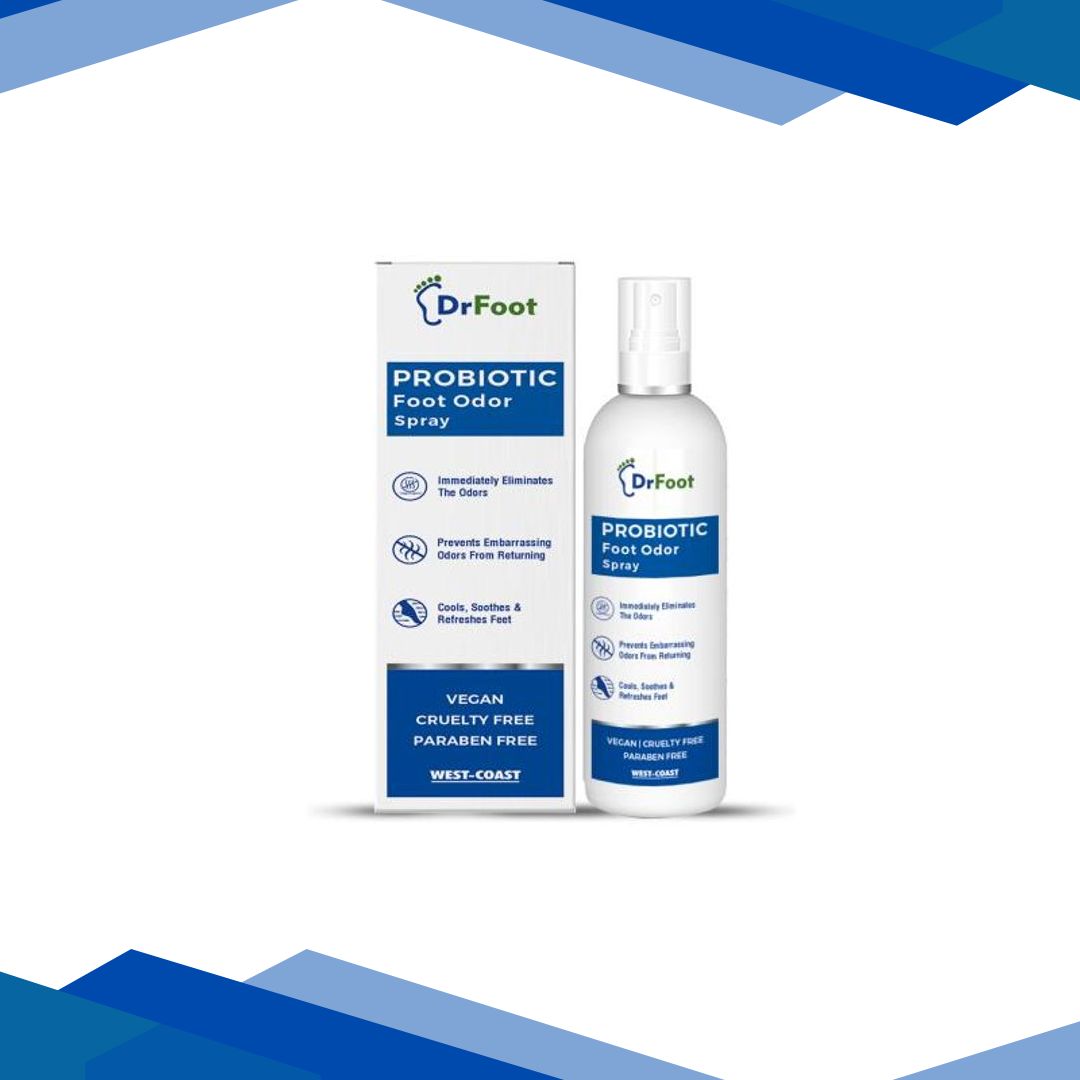
Dr Foot Probiotic Foot Odor Spray 100 ml
❌ Due to high demand, this product is currently out of stock. New stock will be available shortly.
👉 Click here to Buy Same Salt medicine
Dr Foot Probiotic Foot Odor Spray 100 is a topical medicine used to help treat certain mild bacterial skin infections. Mupirocin is an antibiotic that works by stopping the growth of bacteria, while tea tree oil has natural skin-soothing and antimicrobial properties that may help support skin cleansing and comfort. Together, they are commonly used for small infected cuts, minor wounds, impetigo, and other localized skin infections caused by susceptible bacteria. This combination is meant for external use only and is most effective when used under medical guidance, especially if the infection is widespread, severe, or not improving. It may help reduce redness, irritation, and bacterial load on the affected skin, supporting healing and preventing the infection from spreading.
Description
Dr Foot Probiotic Foot Odor Spray 100 is a topical medicine commonly used to help manage certain bacterial skin infections and skin conditions that may become infected. it combines a well-known antibacterial medicine, mupirocin, with tea tree oil, a plant-derived ingredient that is often included in skin care products for its cleansing and antimicrobial-supportive properties. together, these ingredients are intended to help reduce the number of bacteria on the skin, ease infection-related irritation, and support the natural healing process when used appropriately on minor localized skin problems.
mupirocin works by stopping bacteria from making essential proteins they need to grow and multiply. this makes it especially useful for infections caused by susceptible bacteria on the skin. tea tree oil is not a replacement for antibacterial treatment, but it may provide additional skin-cleansing and soothing support in some formulations. because the combination is applied directly to the affected area, it is generally used for localized skin infections rather than widespread or severe infections that require oral or injectable medicine.
this medicine may be recommended for people who have small, superficial bacterial skin infections such as impetigo, infected minor cuts, or infected abrasions, depending on the product formulation and the advice of a healthcare professional. it may also be used when there are signs that a skin area has become secondarily infected, such as redness, crusting, mild swelling, tenderness, or discharge. since the skin condition and its severity matter a great deal, it is important to use this medicine only when it is appropriate and to seek medical advice if symptoms are extensive, worsening, or accompanied by fever.
although Dr Foot Probiotic Foot Odor Spray 100 is designed for topical use, it should be used carefully and exactly as directed. applying too much, using it on large open wounds, or using it for too long without supervision can increase the risk of irritation or reduce the likelihood of proper treatment. if the infection does not improve, spreads, or keeps returning, a healthcare professional should assess whether a different treatment is needed.
ingredients
- mupirocin: mupirocin is the primary antibacterial ingredient. it targets certain bacteria that commonly cause skin infections, helping stop them from multiplying and allowing the body to clear the infection more effectively. it is particularly useful for localized bacterial skin problems and is valued because it acts directly where applied rather than throughout the whole body.
- tea tree oil: tea tree oil is a natural essential oil extracted from the leaves of the tea tree. in topical skin products, it is often included for its cleansing, antimicrobial-supportive, and skin-comfort properties. it may help create an environment less favorable for bacterial growth, although it should not be relied on as the sole treatment for a true bacterial infection.
- base or cream/ointment vehicle: the product usually contains a topical base that helps spread the ingredients evenly over the skin and supports adherence to the affected area. this vehicle may also help keep the skin moisturized and make application more comfortable, depending on the formulation.
key uses
- localized bacterial skin infections: used for small, surface-level infections caused by susceptible bacteria, especially when the infection is limited to one area of the skin and does not require systemic treatment.
- impetigo: may be used in the treatment of impetigo, a contagious skin infection that often causes honey-colored crusts, oozing, and redness, usually around the nose, mouth, or limbs.
- infected minor cuts, scrapes, or abrasions: can help reduce bacterial contamination in small breaks in the skin when infection signs such as redness, tenderness, or mild discharge are present.
- secondary bacterial infection of irritated skin: may be recommended if a pre-existing skin irritation, such as a scratch or bite, has become secondarily infected with bacteria.
- supportive topical antibacterial care: in some cases, it is used as part of a broader skin-care plan where limiting bacterial growth and keeping the area clean are important for recovery.
how to use
use Dr Foot Probiotic Foot Odor Spray 100 only on the skin and only in the area recommended by a healthcare professional or by the product label. before application, gently wash your hands and clean the affected area with mild soap and water if advised, then pat it dry. apply a thin layer to the infected or affected skin as directed, usually in a way that covers the area lightly rather than heavily. do not apply more often than recommended, because using extra product does not make it work faster and may increase irritation.
after applying the medicine, wash your hands again unless your hands are the treated area. avoid contact with the eyes, inside the nose, mouth, and other mucous membranes unless the product has specifically been prescribed for those areas. if the medicine is used on a covered area, follow the instructions about bandaging or dressing the skin. do not use airtight or tightly sealed dressings unless a clinician instructs you to do so, as this may increase absorption and irritation.
it is important to use the medicine for the full duration recommended, even if the skin looks better after a few days. stopping too early may allow surviving bacteria to return and cause the infection to come back. if there is no improvement after several days, or if the skin becomes more red, painful, swollen, warm, or starts to drain more pus, contact a healthcare professional. do not share the medicine with others, and do not use it for fungal, viral, or non-infected skin problems unless specifically advised.
safety information
- warnings: Dr Foot Probiotic Foot Odor Spray 100 is for external use only. do not use it in the eyes, mouth, nose, or on large areas of broken skin unless instructed by a clinician. stop using and seek medical advice if you develop severe irritation, rash, swelling, or signs of an allergic reaction. if the infection is spreading, very painful, associated with fever, or not improving, medical evaluation is needed because oral or other treatment may be required.
- side effects: common side effects may include mild burning, stinging, itching, dryness, redness, or temporary irritation at the application site. tea tree oil can sometimes cause skin sensitivity or contact dermatitis in people with sensitive skin. serious side effects are uncommon but can include severe allergic reactions, blistering, marked swelling, wheezing, or worsening skin inflammation. if any severe reaction occurs, stop the medicine and seek urgent medical care.
- precautions: use cautiously if you have sensitive skin, eczema, a history of allergies to essential oils, or a known reaction to topical antibiotics. avoid using it on extensive open wounds, deep puncture wounds, serious burns, or very large skin areas unless a healthcare professional tells you to do so. children, older adults, and people with fragile skin may be more prone to irritation and should use the product only with appropriate guidance.
- pregnancy/breastfeeding: topical mupirocin is generally considered low risk when used on small areas as directed, but pregnancy and breastfeeding safety should still be discussed with a healthcare professional. tea tree oil should also be used cautiously because essential oils may irritate skin or be absorbed unpredictably depending on the formulation and area treated. do not apply to the breast area during breastfeeding unless specifically advised, and prevent infant contact with treated skin.
- interactions: because this is a topical product, major drug interactions are less common than with oral medicines. however, using it at the same time as other topical products, especially alcohol-based preparations, exfoliants, retinoids, benzoyl peroxide, or harsh antiseptics, may increase dryness and irritation. avoid combining with other topical antibiotics unless directed. if you are using prescription creams, acne products, or medicated ointments on the same area, ask a pharmacist or doctor whether they can be used together safely. alcohol does not usually interact directly with topical use, but heavy alcohol use may impair healing overall.
additional information
- storage: store in a cool, dry place away from direct heat, sunlight, and moisture. keep the cap tightly closed when not in use. do not freeze unless the label specifically allows it. keep out of reach of children and pets.
- missed dose: if you miss an application, apply it as soon as you remember unless it is almost time for the next scheduled use. if it is close to the next dose, skip the missed one and continue as usual. do not apply extra medicine to make up for a missed dose.
- overdose: overuse on the skin may lead to increased irritation, redness, itching, or discomfort. if a large amount is accidentally swallowed, seek medical help right away or contact poison control, especially if the person is a child. if severe skin reaction occurs after over-application, stop use and get medical advice promptly.
- habit forming: no. Dr Foot Probiotic Foot Odor Spray 100 is not known to cause dependence or habit formation. however, using antibiotics unnecessarily or for longer than advised can contribute to reduced effectiveness and may encourage resistant bacteria, which is why it should be used only when appropriate.
frequently asked questions
what is Dr Foot Probiotic Foot Odor Spray 100 used for?
it is used for certain localized bacterial skin infections and infected minor skin injuries. it helps reduce bacterial growth on the skin and supports healing when used correctly.
can i use Dr Foot Probiotic Foot Odor Spray 100 on open wounds?
it may be used on minor superficial breaks in the skin if advised, but it should not be used on deep, large, or heavily bleeding wounds unless a healthcare professional specifically recommends it.
how quickly does it work?
some improvement in redness, crusting, or discomfort may be seen within a few days, but the full response depends on the type and severity of the infection. if there is no improvement, medical review is important.
can i stop using it once the skin looks better?
it is best to complete the full recommended course, even if symptoms improve early. stopping too soon can allow bacteria to return and the infection may come back.
is tea tree oil enough to treat an infection by itself?
no. tea tree oil may provide supportive skin benefits, but it should not replace proven antibacterial treatment when a bacterial infection is present. the mupirocin component is the key antibacterial ingredient in this medicine.
can it cause skin allergy?
yes. some people may develop irritation or allergic contact dermatitis, especially from tea tree oil or from repeated topical use. if the area becomes more itchy, red, swollen, or blistered, stop using it and seek advice.
can i apply moisturizer on top of it?
sometimes, but only if it does not interfere with the medicine and if your healthcare professional agrees. if needed, many people apply the treatment first and wait before using other products on the same area.
is it safe for children?
it may be used in children when recommended by a clinician, but children can be more sensitive to topical irritation. always follow age-appropriate guidance and keep the medicine out of reach.
what should i do if it gets in my eyes?
rinse the eyes thoroughly with plenty of clean water for several minutes. if irritation continues, seek medical attention.
when should i see a doctor?
see a doctor if the infection spreads, becomes very painful, develops fever, shows pus or swelling, or does not improve after a few days of proper use. also seek help if you suspect an allergic reaction or if the condition keeps coming back.
can i use it with other skin medicines?
sometimes yes, but not always. other topical medicines may irritate the skin or reduce tolerability. a pharmacist or doctor can help determine the safest way to use multiple skin treatments together.
does this medicine work for fungal or viral skin problems?
no. it is intended for bacterial skin infections, not fungal infections like ringworm or viral conditions like herpes or warts. using it for the wrong condition may delay proper treatment.
should i cover the area after applying it?
only if instructed. some infections may be left uncovered, while others may need a light dressing. avoid tight or occlusive coverings unless a healthcare professional advises them.
this information is for educational purposes only and should not be considered medical advice. always consult a qualified healthcare professional before use.
At Gem Pharmacy, we make every effort to provide accurate, expert-written, and thoroughly reviewed information related to medicines. However, this information should not be considered a substitute for professional medical advice, diagnosis, or treatment from a qualified doctor.
The purpose of this information is to educate users and improve communication between patients and healthcare professionals. It should not be used to diagnose or treat any condition.
Always consult a certified healthcare professional before taking any medication.


Related products

Udrstrong-H Nutrional Feed Supplement Liquid 1 L

Bargad Himalayan Shilajit Honey Sticks – Cinnamon Flavour 30’s