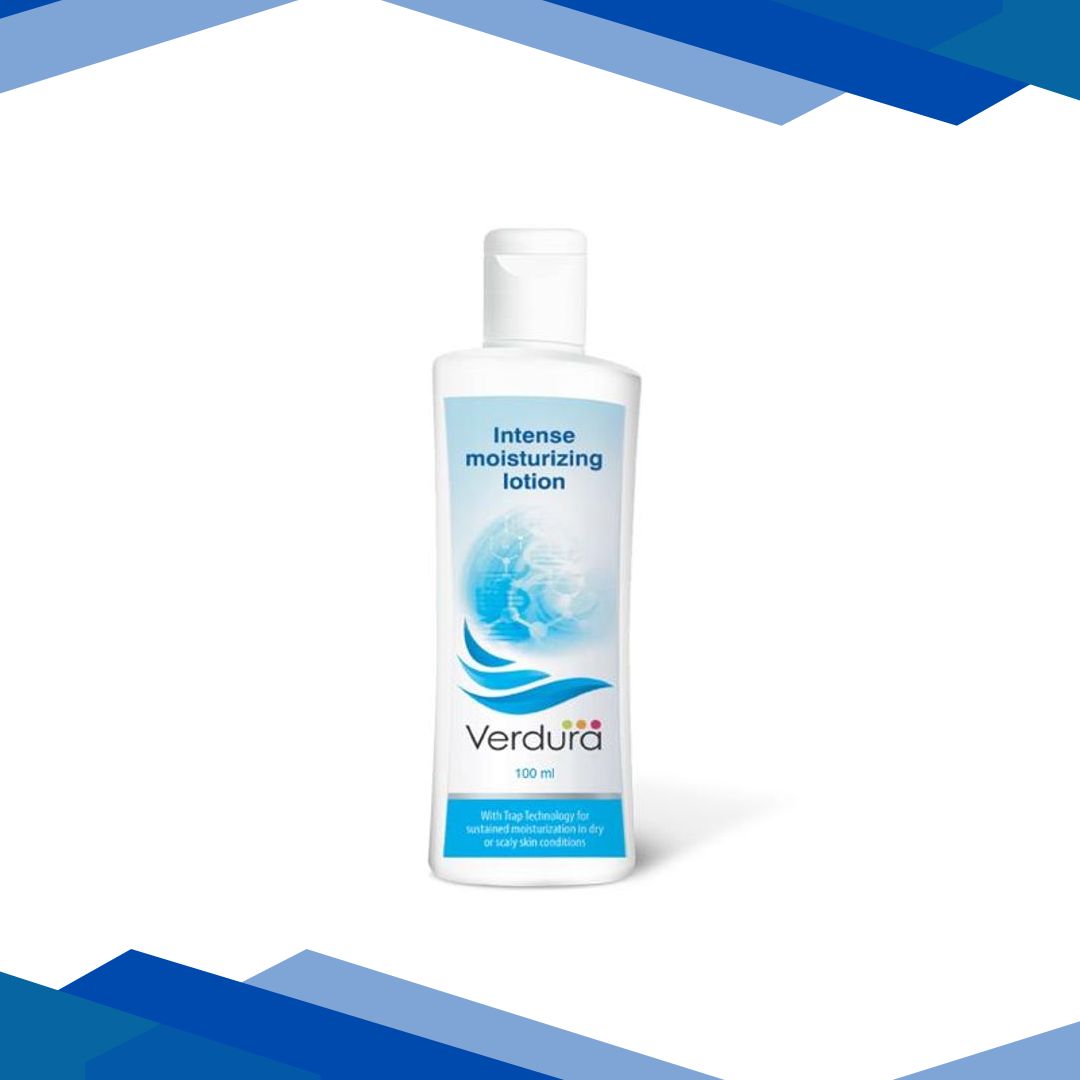
Dr. JRK’s Verdura Intense Moisturizing Lotion 100 ml
Dr. JRK’s Verdura Intense Moisturizing Lotion 100 is a nutritional supplement used to support bone strength and overall skeletal health. Elemental calcium helps build and maintain strong bones and teeth, while cholecalciferol (vitamin D3) improves calcium absorption from the gut. Vitamin K2 supports the proper use of calcium in the body by helping direct it toward bones rather than soft tissues. Cissus quadrangularis dry extract is commonly included to further support bone health and recovery. This combination is often used in conditions such as calcium or vitamin D deficiency, weak bones, osteoporosis support, and during periods when bone repair is needed. It may also help maintain bone density as part of a doctor-recommended health plan.
Description
Dr. JRK’s Verdura Intense Moisturizing Lotion 100 is a bone-supportive nutritional combination commonly used to help maintain bone strength, support calcium balance in the body, and assist normal mineralization of bones and teeth. it is generally considered a supplement-based formulation rather than a cure for disease, and it is often recommended when dietary calcium intake is low, when vitamin d status may be insufficient, or when additional support is desired for bone health in adults, older adults, postmenopausal women, and individuals at increased risk of low bone density. the combination is designed to work on multiple parts of the bone health pathway rather than relying on a single ingredient alone.
calcium is the main structural mineral in bones and teeth, while cholecalciferol, also known as vitamin d3, helps the intestines absorb calcium and phosphorus efficiently. vitamin k2 helps direct calcium toward the bones and away from soft tissues by supporting the activation of proteins involved in calcium handling. cissus quadrangularis dry extract is a plant-based ingredient traditionally used in bone and joint wellness formulations; it is commonly included for its supportive role in musculoskeletal health and may help complement the mineral and vitamin components in maintaining structural integrity. together, these ingredients are intended to provide a comprehensive approach to bone nourishment.
this product may be suitable for people who have increased nutritional requirements, limited sun exposure, reduced dietary calcium intake, age-related decline in bone density, or recovery periods when bone support is important. it may also be used as an adjunct to lifestyle measures such as a balanced diet, weight-bearing exercise, and avoidance of smoking or excessive alcohol. however, it should not be viewed as a replacement for medical treatment of osteoporosis, fractures, severe vitamin deficiencies, or other metabolic bone disorders. a healthcare professional should guide its use, especially if a person has kidney disease, a history of kidney stones, calcium disorders, or is taking medicines that affect clotting or mineral balance.
ingredients
- elemental calcium: calcium is the core mineral needed for bone formation, bone remodeling, muscle contraction, nerve signaling, and normal heart function. in this product, “elemental calcium” refers to the actual amount of calcium available to the body from the supplement. it helps replenish dietary shortfalls and supports bone mineral density when intake from food is not sufficient. adequate calcium intake is especially important during periods of growth, in older age, and in conditions where bone loss is a concern.
- cissus quadrangularis dry extract: cissus quadrangularis is a plant extract commonly used in bone and joint wellness supplements. it is traditionally associated with support for bone healing and musculoskeletal comfort. while it is not a substitute for medical treatment, it may complement calcium and vitamin support by contributing to overall skeletal wellness. its role in formulations is generally supportive rather than corrective, and the quality of evidence may vary by use.
- cholecalciferol: cholecalciferol is vitamin d3, an essential vitamin that helps the body absorb calcium and phosphorus from the digestive tract. without sufficient vitamin d, calcium may not be absorbed properly even if intake is adequate. this can compromise bone mineralization and long-term skeletal health. it also supports muscle function, which is important for balance and fall prevention in older adults.
- vitamin k2: vitamin k2 supports the activation of proteins involved in calcium regulation, including proteins that help bind calcium into bone tissue. it is commonly included in bone-health combinations because it works alongside calcium and vitamin d to support proper utilization of minerals. vitamin k2 is especially relevant in maintaining the balance between bone deposition and soft-tissue calcification.
key uses
- support for bone health: this combination is used to help maintain normal bone strength and mineral content. it is often chosen for people who want nutritional support for their skeletal system, particularly when diet alone may not provide enough calcium, vitamin d, or supporting nutrients.
- prevention of nutritional deficiencies: it may help address or prevent low calcium and vitamin d intake, which are common contributors to weak bones over time. proper supplementation can be useful when sunlight exposure, dietary intake, or absorption is inadequate.
- adjunct support in low bone density: in people with osteopenia or osteoporosis, this product may be used as supportive nutrition alongside prescribed treatment. it does not replace anti-osteoporosis medicines when those are needed, but it may help optimize mineral intake.
- recovery and musculoskeletal support: the formulation may be used in periods when the body needs additional structural support, such as after minor fractures or during rehabilitation, provided it is used under medical guidance. it is meant to complement proper medical care, not replace it.
- support in older adults: aging is associated with reduced calcium absorption, lower vitamin d levels, and higher risk of bone loss. this combination is often considered in older adults to support mobility, strength, and overall bone maintenance.
how to use
this product should be used exactly as directed on the label or by a healthcare professional. it is generally taken by mouth with water, and it is often better tolerated when taken after food, since calcium supplements may cause stomach discomfort in some people if taken on an empty stomach. taking it with meals can also support absorption and reduce nausea or bloating. the timing may vary depending on the form of calcium used in the product and the individual’s overall diet, medical condition, and other medicines.
for best results, it is usually taken consistently rather than occasionally, because bone health benefits depend on regular intake over time. if a person is also taking iron, thyroid medicine, certain antibiotics, or medicines for osteoporosis, spacing may be needed to avoid absorption problems. since vitamin k2 can interact with blood-thinning medicines, it is important to speak with a healthcare provider before starting the supplement, especially if the person has a chronic illness or takes multiple medicines. do not exceed the recommended amount without medical advice, as excessive calcium or vitamin d intake can lead to harm.
safety information
- warnings: excessive calcium intake may increase the risk of constipation, abdominal discomfort, and in some cases hypercalcemia, especially when combined with other calcium or vitamin d products. people with kidney disease, a history of kidney stones, hyperparathyroidism, or elevated blood calcium should use this product only under medical supervision. vitamin k2 may interfere with anticoagulant therapy, particularly warfarin, and dose changes should not be made without medical advice. because vitamin d enhances calcium absorption, taking multiple vitamin d-containing supplements together may increase the risk of overdose.
- side effects: common side effects may include constipation, bloating, gas, nausea, mild stomach upset, or a chalky taste. less commonly, people may experience vomiting, loss of appetite, increased thirst, frequent urination, weakness, or confusion if calcium levels become too high. serious effects are uncommon but may include hypercalcemia, kidney stones, abnormal heart rhythm, or severe allergic reactions such as rash, swelling, or difficulty breathing.
- precautions: this supplement should be used cautiously in people with kidney impairment, a history of calcium-containing kidney stones, sarcoidosis, parathyroid disorders, or any condition that causes high vitamin d or calcium levels. it may not be appropriate for individuals already taking high-dose vitamin d, calcium, or multivitamin preparations containing similar ingredients. people on anticoagulants, especially vitamin k antagonists, should seek medical advice before use.
- pregnancy/breastfeeding: calcium and vitamin d are commonly needed during pregnancy and breastfeeding, but the appropriateness of this exact combination should be confirmed by a healthcare professional. too much vitamin d or calcium may be harmful, and vitamin k2 may be unsuitable for some patients depending on their medicines and medical history. use only if recommended by a clinician.
- interactions: this product may interact with warfarin and other anticoagulants because of vitamin k2. calcium can reduce absorption of certain medicines such as tetracycline antibiotics, quinolone antibiotics, bisphosphonates, levothyroxine, and iron supplements if taken too close together. alcohol overuse may negatively affect bone health and vitamin status, and chronic heavy alcohol intake can reduce the overall benefit of supplementation. a healthcare professional should review all medicines and supplements to prevent interaction problems.
additional information
- storage: store in a cool, dry place away from moisture, direct sunlight, and excessive heat. keep the container tightly closed and out of reach of children. do not use the product after its expiration date.
- missed dose: if a dose is missed, take it when remembered unless it is almost time for the next scheduled dose. do not double up doses to make up for a missed one, as this may increase the risk of stomach upset or excessive mineral intake.
- overdose: taking too much may cause constipation, nausea, vomiting, abdominal pain, extreme thirst, weakness, confusion, or changes in urination. severe overdose can lead to hypercalcemia, kidney problems, or heart rhythm issues. if overdose is suspected, seek urgent medical attention or contact a poison control center immediately.
- habit forming: no. this product is not habit-forming and does not cause addiction. however, it should still be used responsibly because unnecessary or excessive supplementation can create medical problems.
frequently asked questions
Q: what is Dr. JRK's Verdura Intense Moisturizing Lotion 100 used for?
A: it is mainly used as nutritional support for bones and teeth. the combination helps supply calcium, improve calcium absorption with vitamin d3, support calcium utilization with vitamin k2, and provide additional musculoskeletal support through cissus quadrangularis dry extract.
Q: can this medicine cure osteoporosis?
A: no. it may support bone health and be used alongside treatment, but it does not cure osteoporosis. people with osteoporosis usually need a full medical evaluation, lifestyle changes, and sometimes prescription medicines.
Q: should it be taken with food?
A: it is often better tolerated with food, and taking it after meals may reduce stomach upset. the exact timing can depend on the product instructions and other medicines being taken.
Q: can i take it with other calcium or vitamin d supplements?
A: usually this should be avoided unless a healthcare professional advises it. taking multiple supplements containing calcium or vitamin d can increase the risk of excess intake and side effects.
Q: is vitamin k2 safe with blood thinners?
A: vitamin k2 can interfere with warfarin and similar anticoagulants. anyone taking blood thinners should speak to a doctor before using this supplement.
Q: what are the common side effects?
A: common side effects include constipation, bloating, gas, nausea, and mild stomach discomfort. higher-than-recommended intake may cause more serious problems such as high calcium levels or kidney issues.
Q: can people with kidney stones use it?
A: people with a history of kidney stones should use caution because calcium supplementation may not be suitable for everyone. a healthcare professional should assess the risk before use.
Q: does vitamin d3 help calcium work better?
A: yes. vitamin d3 helps the gut absorb calcium more effectively, which is why it is commonly combined with calcium in bone-support products.
Q: why is vitamin k2 included in this formula?
A: vitamin k2 helps activate proteins that guide calcium into bones and help regulate where calcium is deposited in the body. it is often included to support balanced calcium utilization.
Q: can pregnant or breastfeeding women use this supplement?
A: it may be used in some cases, but only under the advice of a healthcare professional. pregnancy and breastfeeding require careful attention to total calcium and vitamin d intake.
Q: does this product have any effect on joints?
A: its main purpose is bone support, though the cissus quadrangularis extract is sometimes included in bone and joint wellness formulas. it should not be expected to treat arthritis or joint disease on its own.
Q: can i take this with antibiotics or thyroid medicine?
A: calcium can reduce the absorption of some antibiotics and thyroid medicines. these medicines may need to be taken several hours apart, but exact timing should be confirmed with a pharmacist or doctor.
Q: how long does it take to see benefits?
A: bone-related benefits are usually gradual and may take weeks to months of regular use. this depends on diet, baseline nutrient status, age, and overall bone health.
Q: is this the same as a pain medicine?
A: no. it is not a painkiller. it is a nutritional supplement intended to support bone health and mineral balance rather than provide immediate symptom relief.
Q: what should i do if i develop constipation after taking it?
A: mild constipation is a common effect of calcium supplements. drinking enough water, increasing dietary fiber, and speaking with a healthcare professional about whether the product is appropriate may help.
Q: can this be taken by older adults?
A: yes, it is commonly considered for older adults because bone loss risk increases with age. however, kidney function, medication use, and calcium levels should be reviewed first.
Q: is it safe to use long term?
A: many people use calcium, vitamin d3, and vitamin k2 support for extended periods, but long-term use should be monitored if there are kidney issues, a history of stones, or use of interacting medicines. periodic medical review is sensible.
Q: what if i already get enough calcium from my diet?
A: if dietary calcium intake is already adequate, extra supplementation may not be necessary and could be excessive. a healthcare professional can help estimate your daily intake and determine whether supplementation is useful.
Q: can i take it at night?
A: some people take calcium-containing supplements at night if it suits their routine, but the best timing depends on the product directions and whether other interacting medicines are being used.
Q: when should i seek medical help?
A: seek medical help if you develop severe weakness, confusion, vomiting, signs of high calcium, kidney-stone symptoms, allergy symptoms, or if you are taking warfarin and are unsure whether this supplement is safe for you.
this information is for educational purposes only and should not be considered medical advice. always consult a qualified healthcare professional before use.
At Gem Pharmacy, we make every effort to provide accurate, expert-written, and thoroughly reviewed information related to medicines. However, this information should not be considered a substitute for professional medical advice, diagnosis, or treatment from a qualified doctor.
The purpose of this information is to educate users and improve communication between patients and healthcare professionals. It should not be used to diagnose or treat any condition.
Always consult a certified healthcare professional before taking any medication.


Related products
Pond’s Aloe Cooling Talc With Natural Aloe Vera Extract 300 gm
Fixderma Vitipause Gel 15 ml

Milk Baobab High Cera Body Lotion Pear&Freesia 250 ml