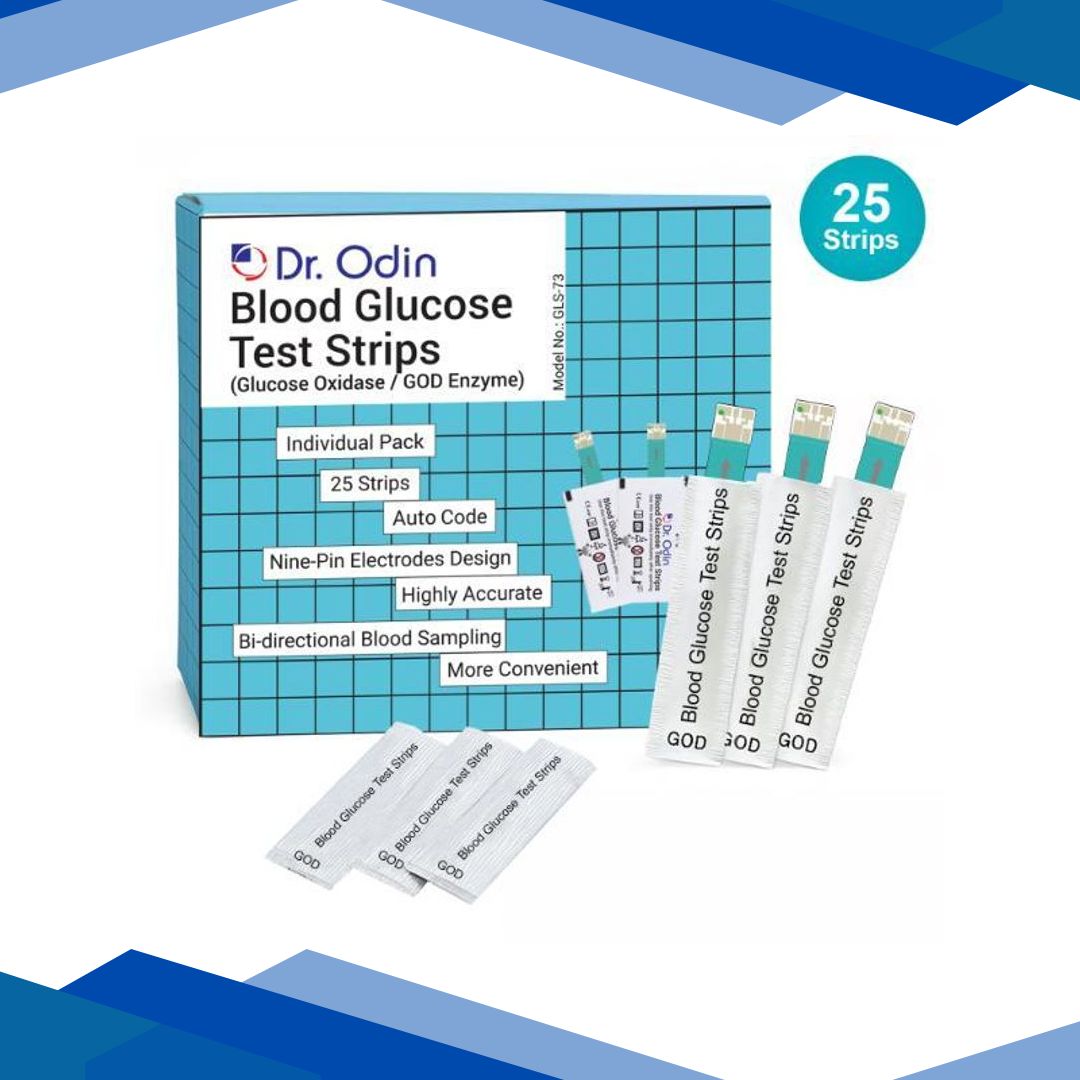
Dr. Odin Blood Glucose Test Strips – (GOD) (GLS-73) 25’s
❌ Due to high demand, this product is currently out of stock. New stock will be available shortly.
👉 Click here to Buy Same Salt medicine
Dr. Odin Blood Glucose Test Strips – (GOD) (GLS-73) is a probiotic medicine that contains beneficial live microorganisms in a freeze-dried form. After being taken, these helpful bacteria can support the natural balance of the gut and help restore healthy intestinal flora, especially when it has been disturbed by illness, diet changes, or antibiotic use. It works by helping crowd out harmful germs, improving the environment in the intestines, and supporting normal digestion. This medicine is commonly used to help manage diarrhea, bloating, and other mild digestive discomforts linked to an imbalance of gut bacteria. It may also be used to support digestive health during or after antibiotic treatment. It is generally well tolerated, but it should be used as advised by a healthcare professional when appropriate.
Description
Dr. Odin Blood Glucose Test Strips – (GOD) (GLS-73) is a probiotic preparation made from beneficial live microorganisms that are normally found in a healthy human intestinal tract. these bacteria are selected, processed, and preserved through freeze-drying so they remain stable until used. once taken, the organisms can help restore or support the natural balance of gut flora, especially when this balance has been disturbed by illness, diet changes, stress, or the use of antibiotics. because the product contains live bacterial cultures, its effectiveness depends on proper storage, correct handling, and the viability of the microorganisms at the time of use.
this type of medicine is generally used to support digestive health and may be recommended in situations where the intestinal microbiota needs reinforcement. lactic acid bacteria and bifidobacteria can help create a less favorable environment for harmful organisms by producing acids and other substances that support a healthy intestinal ecosystem. they may also help improve stool consistency, reduce certain types of diarrhea, and support the recovery of normal bowel function after disturbances. in some people, probiotics may also contribute to reduced bloating or discomfort associated with temporary digestive imbalance, although responses vary from person to person.
the mechanism of action is not based on killing disease-causing germs directly like an antibiotic. instead, these beneficial bacteria work by competing with unwanted microbes for space and nutrients, helping maintain the gut barrier, and supporting the function of the intestinal lining. they may also influence local immune responses in the digestive tract. because of these effects, the product is often used as a supportive measure rather than a stand-alone cure. it may be suitable for adults, children, or older people depending on the specific product formulation and the advice of a healthcare professional.
it is important to understand that probiotic products are not all identical. the exact strain combination, potency, and quality control can vary by manufacturer. some people may notice benefits quickly, while others may not respond as noticeably. for best results, the product should be used as directed and paired with appropriate diet, hydration, and medical care when needed. if symptoms are severe, persistent, or unusual, medical evaluation is necessary to rule out more serious conditions.
ingredients
- Dr. Odin Blood Glucose Test Strips – (GOD) (GLS-73): these are the active probiotic microorganisms in the product. lactic acid bacteria help produce lactic acid and support a healthy intestinal environment, while bifidobacteria are important members of the normal gut microbiota that may help maintain bowel regularity and microbial balance.
- freeze-dried culture matrix: the bacteria are preserved in a freeze-dried form, which helps keep them inactive during storage but alive and potentially active after rehydration in the digestive tract. this method improves stability and shelf life compared with non-preserved live cultures.
- excipients or carrier substances: depending on the manufacturer, the formulation may include stabilizers, protective carriers, or capsule/tablet ingredients that help protect the bacteria from moisture, heat, and acid exposure. these ingredients are usually inactive but support product performance.
- capsule or tablet shell, if present: some forms may use a shell or coating to make administration easier and to protect the live cultures until they reach the intestines. the exact non-medicinal components vary by brand and should be checked on the package label.
key uses
- support for antibiotic-associated diarrhea: probiotic bacteria may help reduce the risk of loose stools that sometimes occur when antibiotics disrupt the normal intestinal flora. they are usually used as supportive care and do not replace the antibiotic when one is needed.
- restoration of gut flora after digestive upset: after infections, travel, dietary changes, or gastrointestinal disturbances, these bacteria may help the intestines recover a more balanced microbial environment.
- adjunct in occasional diarrhea management: in some cases of mild, temporary diarrhea, probiotics may help shorten the duration or improve stool consistency, particularly when used early and with proper hydration.
- support for digestive balance: the product may be used to help maintain normal bowel function, support intestinal comfort, and promote a healthier digestive environment.
- microbiota support during periods of stress or poor diet: changes in routine, stress, or low-fiber diets can affect the gut ecosystem. probiotics may help support microbial diversity and intestinal resilience.
how to use
Dr. Odin Blood Glucose Test Strips – (GOD) (GLS-73) should be used exactly as directed on the product label or by a healthcare professional. because this is a live microorganism product, correct handling matters. it is generally taken by mouth, often with water, and may be better tolerated when taken with or after food, although product-specific instructions should always be followed. some formulations may be designed to be swallowed whole, while others may be mixed with cool or room-temperature liquids or soft food. hot beverages should be avoided because heat may reduce the viability of the bacteria.
if the product is being used alongside antibiotics, it is often spaced apart from the antibiotic dose to reduce the chance that the antibiotic will inactivate the probiotic organisms. the exact timing depends on the medicine and the product, so professional guidance is helpful. consistency is important with probiotics; they usually work best when taken regularly for the duration recommended. if symptoms do not improve, worsen, or are accompanied by fever, blood in stool, severe pain, or dehydration, medical advice should be sought promptly.
safety information
- warnings: although probiotics are generally considered safe for many healthy people, they contain live bacteria and should be used carefully in individuals with weakened immunity, critical illness, severe pancreatitis, central venous catheters, or significant underlying disease. in rare cases, infection from probiotic organisms has been reported in vulnerable patients. seek medical advice before use if there is a complex medical history.
- side effects: common side effects may include mild gas, bloating, abdominal discomfort, or changes in bowel habits, especially during the first few days of use. these effects are usually temporary. serious side effects are uncommon but may include signs of infection such as persistent fever, chills, worsening illness, or unusual fatigue, particularly in high-risk individuals.
- precautions: use caution in premature infants, severely ill patients, people with immune suppression, those undergoing chemotherapy, organ transplant recipients, and individuals with short bowel syndrome or severe intestinal disease. stop use and consult a clinician if severe abdominal pain, allergic symptoms, rash, swelling, or breathing difficulty occurs.
- pregnancy/breastfeeding: probiotics are often used during pregnancy and breastfeeding, and many are considered low risk when taken appropriately. however, safety can depend on the specific formulation and the person’s health status. pregnant or breastfeeding individuals should consult a healthcare professional before starting any probiotic product, especially if they have medical complications.
- interactions: antibiotics may reduce the effectiveness of live probiotic bacteria if taken at the same time, so spacing doses may be recommended. immunosuppressive medicines may increase the risk of infection in susceptible users. alcohol does not have a direct chemical interaction with probiotics, but excessive alcohol intake can irritate the gut and reduce digestive health benefits. always review all medicines and supplements with a healthcare professional.
additional information
- storage: store according to the label instructions, usually in a cool, dry place away from direct sunlight, heat, and moisture. some probiotic products require refrigeration to help preserve bacterial viability. keep the container tightly closed and do not use the product after the expiration date.
- missed dose: if a dose is missed, take it when remembered unless it is almost time for the next scheduled dose. do not double the dose to make up for the missed one. regular use is generally more important than taking extra quantities.
- overdose: taking more than recommended usually does not cause severe toxicity, but it may increase stomach upset, gas, or bloating. in people with serious illness or immune problems, any unexpected symptoms after excess use should be reported to a healthcare professional. if there is concern about a large accidental ingestion, medical advice should be sought.
- habit forming: no. this product is not known to cause dependence or addiction. it is a probiotic supplement/medicine used to support intestinal balance rather than a habit-forming drug.
frequently asked questions
Q: what is Dr. Odin Blood Glucose Test Strips - (GOD) (GLS-73) used for?
A: it is used to support healthy intestinal flora, help restore microbial balance, and assist in certain cases of diarrhea or digestive upset. it is a supportive probiotic product, not a cure for infections or severe gastrointestinal disease.
Q: how does this product work in the body?
A: after ingestion, the live bacteria can survive passage through the digestive tract and may help crowd out harmful microbes, support the intestinal lining, and promote a healthier gut environment. their effects are mainly local within the intestines.
Q: can i take it with antibiotics?
A: sometimes yes, but it is often recommended to space probiotics away from antibiotic doses so the antibiotic does not reduce the probiotic bacteria. ask a healthcare professional for the best timing for your specific medicine.
Q: does it cause side effects?
A: most people tolerate probiotics well, but mild gas, bloating, or temporary stomach discomfort can occur. serious side effects are rare but may happen in people with weakened immune systems or severe illness.
Q: who should be careful before using it?
A: people with weakened immunity, critical illness, central venous catheters, severe pancreatic disease, or a history of serious intestinal illness should seek medical advice first because live bacteria can pose a risk in certain situations.
Q: is it safe during pregnancy?
A: many probiotic products are considered low risk in pregnancy, but safety depends on the exact formulation and your health condition. it is best to consult your doctor or pharmacist before using it while pregnant or breastfeeding.
Q: how should the product be stored?
A: it should usually be kept in a cool, dry place away from heat and moisture, and some versions need refrigeration. proper storage helps maintain the viability of the live bacteria.
Q: what if i miss a dose?
A: take it when you remember unless it is nearly time for the next dose. do not take extra doses to catch up. continue with the regular schedule as directed.
Q: can children use this product?
A: some probiotic formulations are suitable for children, but age-appropriate use depends on the product and the child’s health status. always check the label and consult a pediatrician before giving it to a child.
Q: will it work immediately?
A: not always. some people notice digestive improvement within a few days, while others may need more time or may not experience clear benefits. probiotic response varies from person to person.
Q: can i take it with food?
A: many probiotic products can be taken with food and may be better tolerated that way. however, follow the specific instructions on your product label because formulations can differ.
Q: is this a replacement for medical treatment?
A: no. it is a supportive product and should not replace evaluation or treatment for serious diarrhea, infection, dehydration, blood in stool, or persistent abdominal symptoms.
Q: what should i do if symptoms get worse?
A: stop using the product and consult a healthcare professional if symptoms worsen, if you develop fever, severe pain, blood in stool, or signs of dehydration, or if there is no improvement after a reasonable period.
this information is for educational purposes only and should not be considered medical advice. always consult a qualified healthcare professional before use.
At Gem Pharmacy, we make every effort to provide accurate, expert-written, and thoroughly reviewed information related to medicines. However, this information should not be considered a substitute for professional medical advice, diagnosis, or treatment from a qualified doctor.
The purpose of this information is to educate users and improve communication between patients and healthcare professionals. It should not be used to diagnose or treat any condition.
Always consult a certified healthcare professional before taking any medication.


Related products
Dr. Odin Blood Glucose Test Strips – (GOD) (GLS-73) 100’s

Dr. Odin Blood Glucose Test Strips – (GDH-FAD) (AC-307) 25’s

Dr. Odin Accugence Gluco Strips GDH 50’s