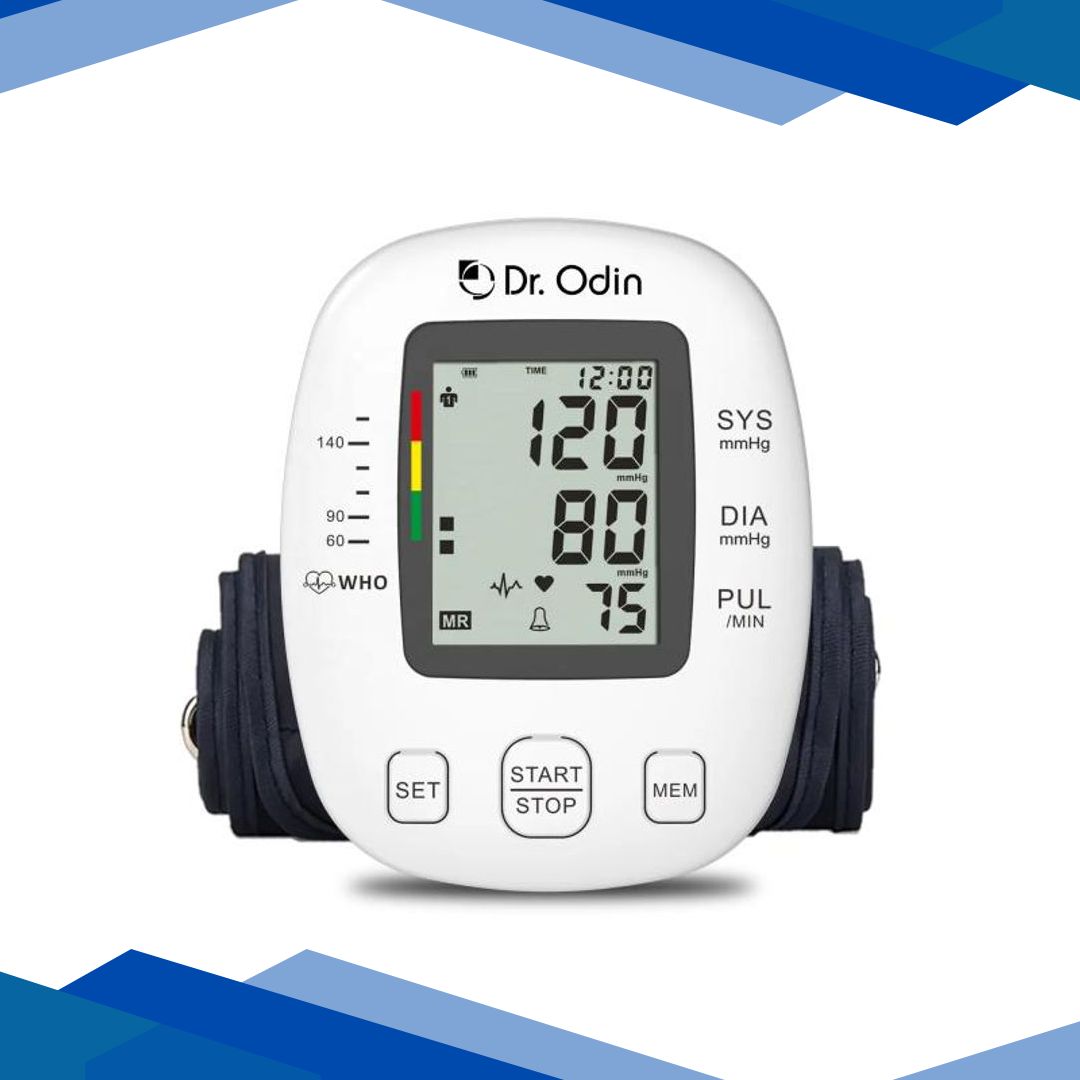
Dr. Odin Pulse Mini Digital Blood Pressure Monitor (OBP104) 1’s
Dr. Odin Pulse Mini Digital Blood Pressure Monitor (OBP104) is a combination vaccine used to help protect infants and young children against several serious infections at the same time. It works by training the immune system to recognize and fight the bacteria and viruses that cause diphtheria, Haemophilus influenzae type b (Hib), hepatitis B, pertussis (whooping cough), and tetanus. By building immunity before exposure, it helps lower the risk of severe illness, complications, and spread of these diseases. This vaccine is commonly given as part of routine childhood immunization programs and is an important preventive medicine for long-term protection. It should be used under the guidance of a healthcare professional.
Description
this medicine is a combination vaccine used to help protect infants and young children against several serious bacterial and viral diseases in a single injection. it contains components that stimulate the immune system to recognize and defend against diphtheria, haemophilus influenzae type b (hib), hepatitis b, pertussis, and tetanus. combination vaccines like this are designed to reduce the number of injections a child needs while still providing broad protection against multiple infections during the early months of life, when these diseases can be especially dangerous.
the vaccine works by exposing the immune system to harmless forms of the disease-causing organisms or their purified parts. these components do not cause the diseases themselves, but they train the body to produce protective antibodies. if the vaccinated person is later exposed to the real bacteria or virus, the immune system is prepared to respond quickly and reduce the chance of severe illness. because this vaccine combines several antigens in one formulation, it is commonly used in routine childhood immunization programs according to age-appropriate schedules recommended by health authorities.
this vaccine is generally intended for infants and young children as part of primary immunization, and in some settings it may be used in catch-up schedules when a child has missed earlier doses. it is important to understand that vaccination does not provide immediate protection after one injection; protection develops over time as the complete series is given. the exact timing, number of doses, and need for booster doses depend on the local immunization schedule, the child’s age, and prior vaccination history. a healthcare professional should always determine whether this vaccine is appropriate for a particular child.
because it protects against multiple serious diseases, this vaccine plays an important role in preventing complications such as airway obstruction from diphtheria, severe bloodstream or brain infections caused by hib, chronic liver infection from hepatitis b, whooping cough from pertussis, and life-threatening muscle spasms from tetanus. it is not used to treat active infections. instead, it is a preventive medicine meant to build immunity before exposure occurs.
ingredients
- diphtheria toxoid: a purified, inactivated form of the diphtheria toxin. it helps the immune system produce antibodies that protect against diphtheria, a serious bacterial infection that can affect the throat, heart, and nervous system.
- haemophilus b conjugate vaccine: a vaccine component that protects against haemophilus influenzae type b, a bacterium that can cause meningitis, pneumonia, epiglottitis, and other severe infections in young children. the “conjugate” form improves immune response in infants.
- hepatitis b vaccine: a vaccine antigen that stimulates protection against hepatitis b virus infection, which can lead to acute liver inflammation, chronic liver disease, cirrhosis, and liver cancer.
- pertussis toxoid: a detoxified component related to the bacteria that cause pertussis or whooping cough. it helps trigger immunity against severe coughing illness that can be especially dangerous in infants.
- tetanus toxoid: an inactivated form of tetanus toxin that teaches the immune system to defend against tetanus, a serious disease that can cause muscle stiffness, jaw locking, breathing problems, and even death.
- other vaccine excipients: depending on the brand and formulation, the vaccine may also contain stabilizers, salts, water for injection, and sometimes adjuvants or preservatives. these ingredients help maintain vaccine quality, effectiveness, and shelf life.
key uses
- prevention of diphtheria: helps protect against a toxin-mediated bacterial infection that can cause severe sore throat, breathing difficulty, heart damage, and nerve complications.
- prevention of hib disease: reduces the risk of invasive infections caused by haemophilus influenzae type b, including meningitis, sepsis, pneumonia, and epiglottitis, which can be rapidly life-threatening in young children.
- prevention of hepatitis b: supports immunity against hepatitis b virus infection, helping lower the risk of both short-term illness and long-term liver complications such as cirrhosis and liver cancer.
- prevention of pertussis: protects against whooping cough, a highly contagious respiratory disease that can cause prolonged coughing fits, vomiting, apnea, and serious complications in infants.
- prevention of tetanus: helps prevent tetanus infection following wounds or contamination, especially in environments where bacteria can enter the body through cuts or punctures.
- routine childhood immunization: used as part of standard immunization schedules to provide broad early-life protection with fewer injections, improving convenience and vaccine coverage.
how to use
this vaccine is given by a healthcare professional, usually as an injection into a muscle. it is not taken by mouth and should never be self-administered. the vaccine is typically used according to an official immunization schedule that may vary by country or healthcare system. it is often given in a series of doses at specific intervals during infancy, and completing the full series is important for the best protection. in some cases, catch-up vaccination may be recommended if earlier doses were missed.
before vaccination, the healthcare provider may review the child’s age, medical history, prior vaccine records, and any previous reactions to vaccines. the injection site is usually selected based on the child’s age and body size. after the injection, the child may be observed for a short period to watch for immediate reactions such as fainting or allergy symptoms. mild pain, redness, or swelling at the injection site can occur and usually improves on its own.
do not shake, dilute, or alter the vaccine unless instructed by a healthcare professional, as vaccine handling requirements can be strict. if a dose is delayed or missed, a clinician should be consulted promptly to determine the correct schedule. it is important to follow the recommended timing as closely as possible, but the series does not usually need to be restarted if a dose is missed; instead, it is often continued.
safety information
- warnings: this vaccine should not be given to anyone with a known severe allergic reaction to a previous dose or to any vaccine component. a healthcare professional should be informed if the child has a history of high fever, seizures, serious neurologic problems, or a reaction after earlier vaccinations. as with all vaccines, a rare but serious allergic reaction can occur, so medical supervision after vaccination is important.
- side effects: common side effects include pain, redness, swelling, or tenderness at the injection site, mild fever, irritability, sleepiness, decreased appetite, and fussiness. some children may have temporary restlessness or reduced activity. serious side effects are uncommon but may include high fever, persistent crying, severe allergic reaction, unusual limpness, difficulty breathing, swelling of the face or throat, or signs of neurologic problems. medical attention should be sought urgently if severe symptoms appear.
- precautions: use caution in children with a history of severe allergy to vaccines, progressive neurologic disorders, uncontrolled seizures, or a serious illness with moderate or severe fever at the time of vaccination. mild illnesses such as a cold are not always a reason to delay vaccination, but the decision should be made by a clinician. people with bleeding disorders or who take blood-thinning medicines may need special attention to injection technique.
- pregnancy/breastfeeding: this vaccine is generally intended for pediatric use, so pregnancy and breastfeeding are usually not relevant for the intended population. if vaccination is being considered in an older individual under special circumstances, a healthcare professional should assess appropriateness. breastfeeding is not known to interfere with routine childhood vaccination.
- interactions: some medicines that suppress the immune system may reduce vaccine response, including corticosteroids, chemotherapy, and certain immunosuppressants. other vaccines may be given at the same visit depending on the immunization schedule, but timing should be guided by a healthcare professional. alcohol interaction is not relevant for infants and young children, though it is generally not associated with this vaccine. always inform the provider about all medicines, supplements, and prior vaccines before administration.
additional information
- storage: store exactly as directed by the manufacturer, typically in a refrigerator at the recommended temperature and protected from light. do not freeze unless specifically permitted by the product instructions, because freezing can damage vaccine potency. keep it out of reach of children and do not use it if the appearance is unusual or if it has been stored improperly.
- missed dose: if a scheduled dose is missed, contact a healthcare professional as soon as possible. the vaccination series is usually continued from where it left off rather than restarted, but the exact plan depends on age and prior doses. timely completion of the series is important for reliable protection.
- overdose: an overdose is unlikely because this vaccine is administered by a trained professional in a controlled dose. if too much is inadvertently given, the main concern is a higher chance of side effects such as fever, local reactions, or irritability. seek medical advice immediately if an administration error is suspected or if the child develops concerning symptoms.
- habit forming: no. this vaccine is not habit forming and does not cause dependence. it is a preventive immunization intended to train the immune system rather than produce a pharmacologic dependency.
frequently asked questions
Q: what diseases does this vaccine protect against?
A: it helps protect against diphtheria, haemophilus influenzae type b (hib), hepatitis b, pertussis, and tetanus. these are serious infections that can cause life-threatening complications, especially in infants and young children.
Q: why is a combination vaccine used instead of separate shots?
A: combination vaccines reduce the number of injections a child needs, which can improve comfort and help vaccination schedules stay on track. they also simplify clinic visits while still offering protection against multiple diseases.
Q: does one dose provide full protection?
A: usually not. protection develops gradually over a series of doses according to the recommended immunization schedule. completing all doses is important for the best immune response.
Q: can this vaccine cause the diseases it protects against?
A: no. the vaccine contains inactivated toxoids, conjugate components, and purified antigens that cannot cause the actual diseases. it only helps the immune system learn how to recognize them.
Q: what are the most common side effects?
A: the most common side effects are mild and temporary, such as pain, redness, or swelling at the injection site, low-grade fever, sleepiness, irritability, or reduced appetite. these usually improve without treatment.
Q: when should i seek urgent medical help after vaccination?
A: get urgent help if the child has trouble breathing, swelling of the face or throat, a seizure, very high fever, unusual limpness, persistent inconsolable crying, or any signs of a severe allergic reaction.
Q: can it be given with other vaccines?
A: often yes, depending on the immunization schedule and the healthcare professional’s assessment. different vaccines may be given at the same visit, usually at different injection sites.
Q: what if my child is mildly ill on the day of vaccination?
A: a mild illness, such as a runny nose or low-grade fever, may not always require delaying vaccination. however, the healthcare professional should evaluate the child before giving the vaccine.
Q: does the vaccine need refrigeration?
A: yes, vaccines usually require careful storage under refrigerated conditions to maintain effectiveness. they should not be frozen unless the product information specifically says otherwise.
Q: is this vaccine used to treat an active infection?
A: no. it is a preventive vaccine and does not treat existing infections. if a child is already sick, medical evaluation and appropriate treatment may be needed separately.
Q: are booster doses necessary?
A: depending on the local immunization schedule, booster doses for certain components may be needed later in childhood. a healthcare professional will advise based on age and prior vaccination history.
Q: can allergic reactions happen?
A: yes, though they are rare. any person with a previous severe allergy to a vaccine dose or component should be assessed carefully before receiving another dose.
Q: is it safe if my child was born prematurely?
A: premature infants often still receive vaccines according to chronological age, but the schedule should be guided by a pediatrician. extra monitoring may be considered depending on the baby’s condition.
Q: should the vaccine be delayed if the child has a fever?
A: it depends on the severity. a mild illness may not require delay, but moderate or severe illness is often a reason to postpone until recovery. a healthcare professional should decide.
Q: what should i do if a dose is missed?
A: contact a healthcare professional and continue the schedule as advised. in most cases, the series is resumed rather than started over.
this information is for educational purposes only and should not be considered medical advice. always consult a qualified healthcare professional before use.
At Gem Pharmacy, we make every effort to provide accurate, expert-written, and thoroughly reviewed information related to medicines. However, this information should not be considered a substitute for professional medical advice, diagnosis, or treatment from a qualified doctor.
The purpose of this information is to educate users and improve communication between patients and healthcare professionals. It should not be used to diagnose or treat any condition.
Always consult a certified healthcare professional before taking any medication.


Related products

Tynor Neck Corrector & Relaxer – Grey & Blue (UN) 1’s

Natural Vibes Deep Cleanse & Exfoliating Routine Shower Gel Body Wash + Scrubbing Glove 300 ml