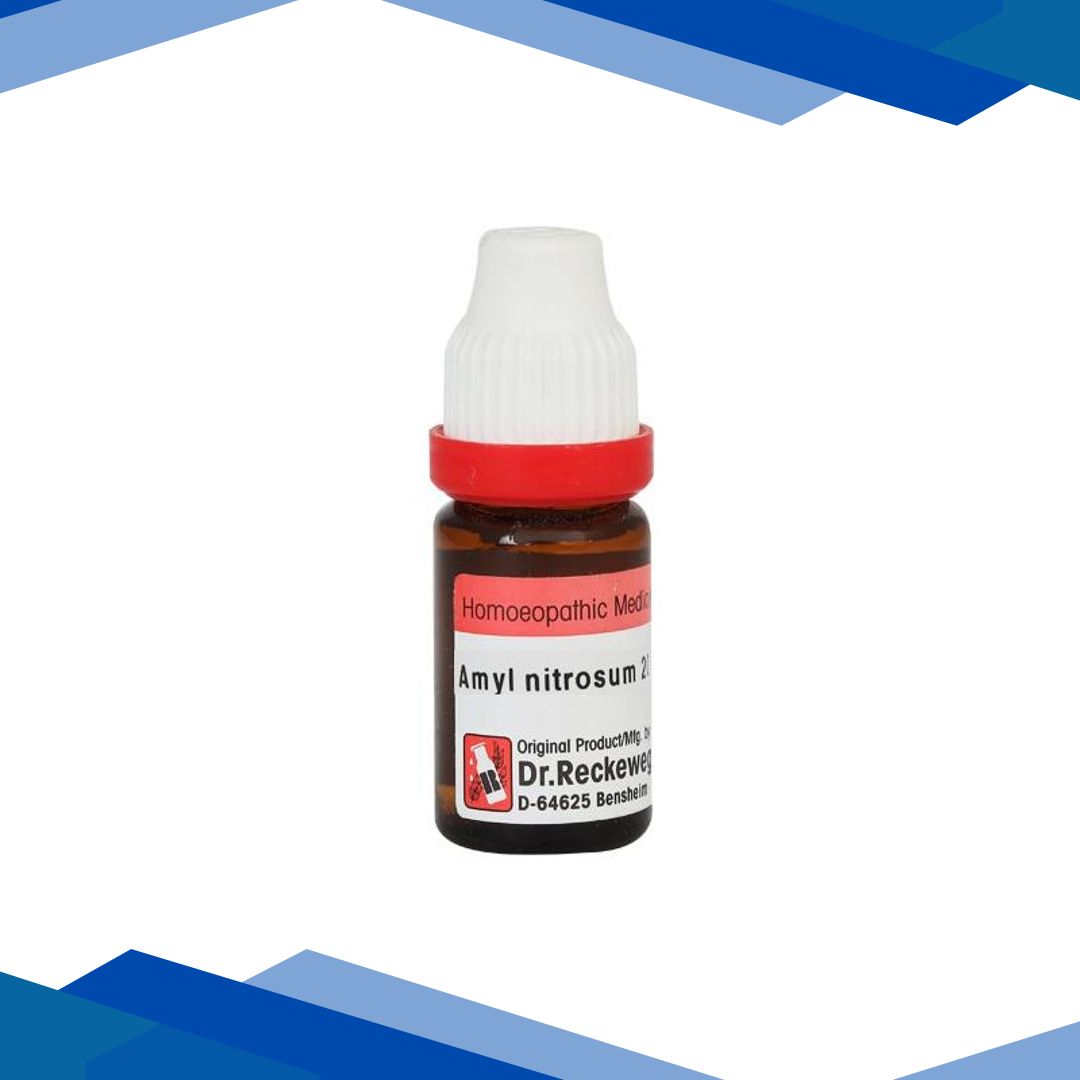
Dr. Reckeweg Amylium Nitrosum 200 Liquid 11 ml
❌ Due to high demand, this product is currently out of stock. New stock will be available shortly.
👉 Click here to Buy Same Salt medicine
Dr. Reckeweg Amylium Nitrosum 200 Liquid 11 is an eye drop medicine used to help reduce pain, swelling, and inflammation in the eye. Flurbiprofen sodium is a non-steroidal anti-inflammatory medicine that works by blocking substances in the body called prostaglandins, which play a role in inflammation and discomfort. Hydroxypropyl methylcellulose helps lubricate and protect the eye surface, making the drops more comfortable to use. Phenylmercuric nitrate acts as a preservative to help keep the solution safe from contamination. This medicine is commonly used under medical supervision before or after certain eye procedures, or in conditions where eye inflammation needs control. It should be used exactly as advised by an eye care professional.
Description
Dr. Reckeweg Amylium Nitrosum 200 Liquid 11 is an ophthalmic medicine combination commonly used for eye-related inflammatory and discomfort conditions. it is formulated to act locally in the eye, helping reduce pain, irritation, redness, and inflammation associated with certain eye problems or procedures. because it is applied directly to the eye, it is designed to provide targeted action with limited systemic exposure when used correctly.
the active anti-inflammatory component, flurbiprofen sodium, belongs to a class of medicines known as nonsteroidal anti-inflammatory drugs (nsaids). in the eye, it works by blocking the production of prostaglandins, which are chemical messengers involved in pain and inflammation. by reducing prostaglandin formation, it helps decrease swelling, discomfort, and inflammatory responses in the ocular tissues. this makes the medicine particularly useful when inflammation is expected after eye procedures or when the eye is irritated by certain conditions.
hydroxypropyl methylcellulose is a lubricating and viscosity-enhancing substance that helps the eye drop stay on the ocular surface longer. it can improve comfort by adding moisture and supporting the tear film, which may reduce the sensation of dryness, grittiness, or irritation. phenylmercuric nitrate acts primarily as a preservative in many ophthalmic preparations, helping maintain product stability and preventing contamination from microbial growth after opening. together, these ingredients provide anti-inflammatory action, lubrication, and preservation in a single eye-drop formulation.
this medicine is generally intended for use under medical guidance, especially when the eye condition involves surgery, inflammation, or special ophthalmic care. it is not a general “red eye” remedy for all causes of eye redness. the exact benefit depends on the condition being treated, and it is important to use it only as advised by an eye-care professional. since eye symptoms can sometimes signal infection, injury, glaucoma, or other serious conditions, correct diagnosis is essential before starting treatment.
ingredients
- flurbiprofen sodium: this is the main anti-inflammatory ingredient. it reduces pain and inflammation in the eye by inhibiting cyclooxygenase enzymes, which lowers prostaglandin production. in ophthalmic use, it is especially helpful for controlling inflammation around eye procedures and for reducing surgical-related discomfort.
- hydroxypropyl methylcellulose: this ingredient acts as a lubricant and eye-surface protectant. it helps the drop spread more evenly across the eye and remain in contact with the ocular surface for longer, which can improve comfort, reduce dryness, and support a smoother eye-drop experience.
- phenylmercuric nitrate: this is a preservative included to help prevent bacterial contamination in the product after opening. it supports the safety and shelf stability of the eye drop, although some individuals with sensitive eyes may experience irritation or intolerance to preservatives.
- other formulation components: the product may also contain vehicle substances, buffers, and stabilizers that help maintain the correct ph, clarity, and overall performance of the eye drop. these supporting components are essential for comfort and product consistency, even though they are not usually the main therapeutic ingredients.
key uses
- control of eye inflammation: this medicine is used to reduce inflammation in the eye and surrounding tissues. by lowering prostaglandin activity, it can help ease swelling and discomfort linked to inflammatory eye conditions.
- relief of ocular pain and irritation: it may help relieve mild to moderate eye discomfort caused by inflammation or procedures. the lubricating component can further reduce the feeling of dryness or foreign-body sensation.
- support during and after eye procedures: ophthalmic nsaids are often used around procedures to help reduce postoperative inflammation and maintain patient comfort. this is one of the most common medically valid reasons for such formulations.
- prevention of certain procedure-related complications: in some eye-care settings, nsaid drops may be prescribed to help reduce inflammatory responses that can contribute to unwanted swelling after surgery or diagnostic procedures.
- ocular lubrication support: the hydroxypropyl methylcellulose component helps provide moisture and surface protection, which may be beneficial when the eye feels irritated, dry, or rough.
how to use
use this medicine exactly as directed by your eye specialist or healthcare provider. it is for ophthalmic use only, meaning it should be placed in the eye and not swallowed or used in any other way. before applying the drops, wash your hands thoroughly. if you wear contact lenses, ask your healthcare professional whether you should remove them before use, since preservatives in eye drops can sometimes interact with lenses or irritate the eye surface. in many cases, contact lenses should not be worn while using medicated eye drops unless specifically approved.
when applying the drop, avoid touching the tip of the container to the eye, eyelids, fingers, or any other surface. this helps prevent contamination. gently tilt the head back, pull down the lower eyelid to create a pocket, and place the drop into the eye as instructed. after instillation, gently close the eye for a short time to help the medicine spread over the ocular surface. pressing lightly on the inner corner of the eye may also help reduce drainage into the tear duct, but only do this if advised by your clinician.
use the medicine at evenly spaced times if it has been prescribed for more than one application per day. try to use it at the same times each day to maintain consistent effect. if you are also using other eye drops or ointments, separate them according to professional guidance so that one medicine does not wash out the other. in general, different eye medications should not be placed back-to-back unless instructed, as spacing helps improve absorption and effectiveness. continue using the product for the full recommended duration even if symptoms improve, unless your doctor tells you to stop earlier.
do not increase the number of drops or frequency on your own, because more is not necessarily better and may increase the risk of irritation or side effects. if the eye becomes more painful, vision worsens, or symptoms fail to improve, medical review is important. eye conditions can change quickly, and self-adjusting treatment can delay necessary care.
safety information
- warnings: flurbiprofen sodium is an nsaid, so it can cause eye irritation and, in rare cases, more serious ocular reactions. stop use and seek medical care if you experience severe pain, marked redness, unusual sensitivity to light, vision changes, or signs of allergy. do not use if you have a known allergy to flurbiprofen, aspirin, or other nsaids unless your doctor specifically advises it. if the eye condition is infectious, an nsaid drop may not be appropriate without additional treatment.
- side effects: common side effects may include temporary stinging or burning after application, mild eye irritation, blurred vision for a short time, watery eyes, or a foreign-body sensation. less common but more serious effects can include worsening irritation, allergic reaction, corneal problems, increased eye inflammation, or delayed healing in susceptible patients. any persistent discomfort should be evaluated.
- precautions: use caution if you have a history of eye surgery complications, corneal disease, dry eye, bleeding disorders, asthma triggered by nsaids, or sensitivity to preservatives. people with a history of severe allergy to anti-inflammatory medicines should discuss risks carefully before use. this medicine should be used under supervision if you have fragile ocular surfaces or significant eye disease.
- pregnancy/breastfeeding: safety depends on the individual situation and the stage of pregnancy. nsaids may require special caution during pregnancy, especially later stages, so do not use unless recommended by a clinician. if breastfeeding, ask your healthcare professional whether the benefits outweigh potential risks, even though topical eye use usually leads to limited systemic absorption.
- interactions: tell your doctor about all medicines you use, including prescription drugs, over-the-counter medicines, and herbal products. systemic nsaids, aspirin, anticoagulants, and other medicines that affect bleeding may increase overall nsaid-related risks. alcohol does not directly interact with the eye drop in the same way as oral medicines, but heavy alcohol use can worsen dehydration and general medication safety concerns. if using multiple ophthalmic products, follow spacing instructions to avoid reduced effect or added irritation.
additional information
- storage: store the medicine in a cool, dry place away from excessive heat, moisture, and direct sunlight. keep the bottle tightly closed when not in use. do not freeze unless the label or pharmacist specifically says it is safe. keep out of reach of children.
- missed dose: if you miss a dose, use it as soon as you remember unless it is almost time for the next one. if that is the case, skip the missed dose and return to the regular schedule. do not use extra drops to make up for a missed dose, since this can increase irritation without improving benefit.
- overdose: excessive use is unlikely to cause life-threatening effects, but it may lead to marked eye irritation, redness, tearing, burning, or blurred vision. if too much has been used or the medicine has been accidentally swallowed, contact a healthcare professional or poison control center for advice. severe eye symptoms after overuse require prompt medical attention.
- habit forming: no. this medicine is not considered habit forming and does not cause dependence. however, it should still be used only as prescribed or advised, because inappropriate or prolonged use may increase the risk of eye irritation or delayed healing.
frequently asked questions
Q: what is Dr. Reckeweg Amylium Nitrosum 200 Liquid 11 used for?
A: it is used mainly to reduce eye inflammation, discomfort, and irritation, often in relation to ophthalmic procedures or inflammatory eye conditions. the lubricating component also helps improve eye comfort and surface moisture.
Q: how quickly does this eye drop work?
A: some people notice relief from irritation or discomfort fairly soon after use, but the full anti-inflammatory benefit may depend on regular use as directed by the healthcare provider. the response varies based on the eye condition being treated.
Q: can i use this medicine if i wear contact lenses?
A: contact lenses may need to be removed before using the drops, especially because the product may contain a preservative that can irritate the eye or interact with lenses. ask your eye-care professional for specific instructions.
Q: what should i do if the eye drop causes stinging?
A: a mild, brief stinging sensation can occur and may be temporary. if the burning is strong, lasts longer than expected, or is accompanied by swelling, rash, pain, or vision changes, stop using it and contact a healthcare professional.
Q: is it safe to use with other eye medicines?
A: it may be used with other ophthalmic medicines when prescribed, but timing matters. different eye drops are often spaced apart so one does not wash out the other. follow your clinician’s instructions carefully.
Q: can this medicine treat an eye infection?
A: not by itself. this medicine is not an antibiotic or antiviral. if eye redness or pain is due to an infection, the correct treatment may require different medicines, so a doctor should evaluate the cause.
Q: why is hydroxypropyl methylcellulose included in the formula?
A: it helps lubricate the eye, improve comfort, and keep the drop on the ocular surface longer. this can reduce dryness, grittiness, and irritation while the anti-inflammatory ingredient works.
Q: what is the role of phenylmercuric nitrate?
A: it functions as a preservative to help prevent contamination after the bottle is opened. while useful for product safety, preservatives can sometimes cause irritation in sensitive eyes.
Q: can i stop using it when my symptoms improve?
A: do not stop or continue longer than recommended without guidance. the proper duration depends on the reason it was prescribed, and stopping too early may allow inflammation to return or worsen.
Q: what signs mean i should get urgent medical help?
A: seek prompt care if you develop severe eye pain, sudden blurred vision, marked redness, swelling, light sensitivity, discharge, or signs of an allergic reaction. these may indicate a more serious eye problem.
this information is for educational purposes only and should not be considered medical advice. always consult a qualified healthcare professional before use.
At Gem Pharmacy, we make every effort to provide accurate, expert-written, and thoroughly reviewed information related to medicines. However, this information should not be considered a substitute for professional medical advice, diagnosis, or treatment from a qualified doctor.
The purpose of this information is to educate users and improve communication between patients and healthcare professionals. It should not be used to diagnose or treat any condition.
Always consult a certified healthcare professional before taking any medication.


Related products
SBL Acidum Aceticum 200 Liquid 30 ml
SBL Acidum Aceticum 1M Liquid 30 ml
SBL Acidum Lacticum 1M Liquid 30 ml