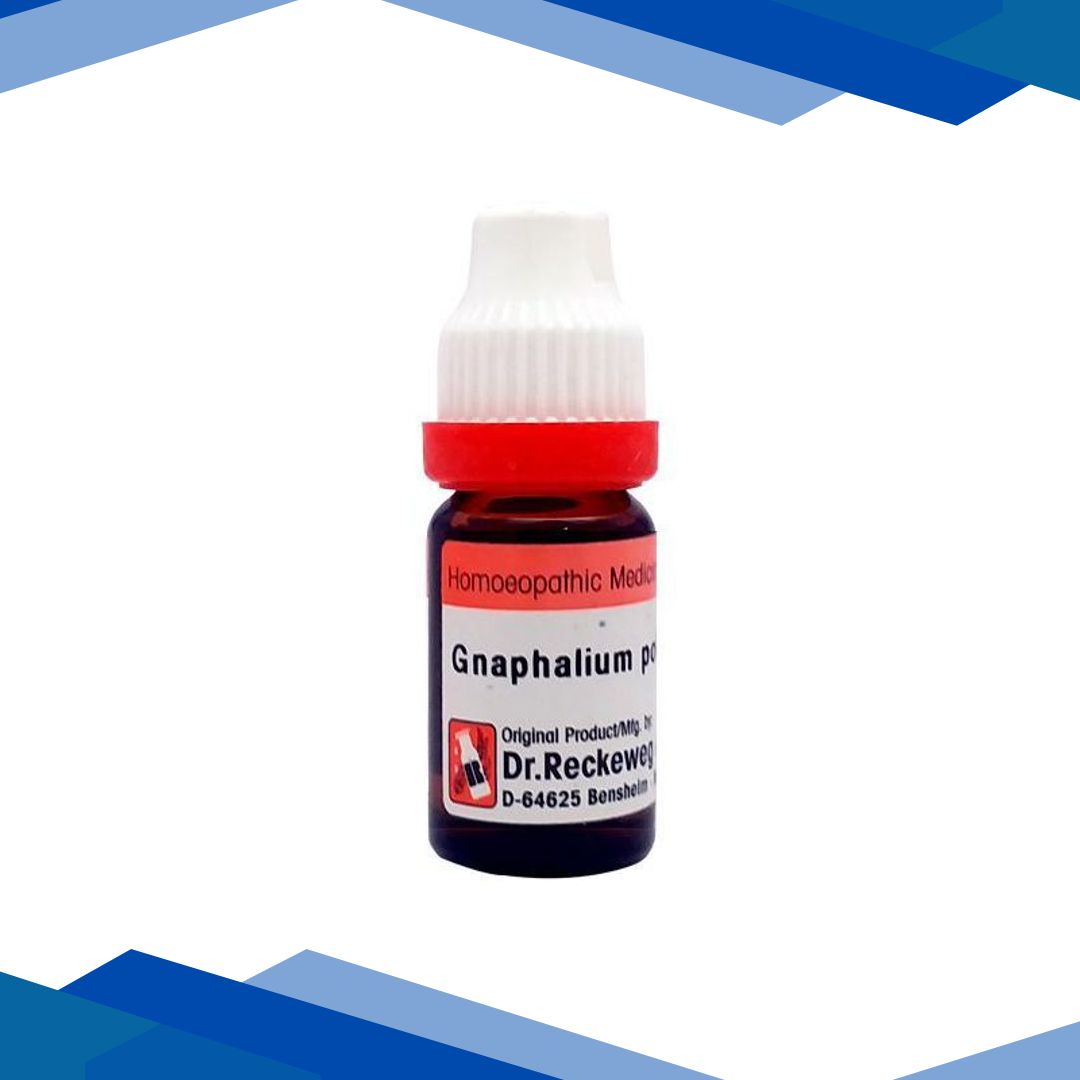
Dr. Reckeweg Gnaphalium Polycephalum 1M Liquid 11 ml
Dr. Reckeweg Gnaphalium Polycephalum 1M Liquid 11 is an antiseptic eye preparation used to help reduce germs and soothe eye discomfort. Povidone iodine works by killing or inactivating many types of microorganisms on the eye surface, helping lower the risk of infection. Polyvinyl alcohol acts as a lubricating agent, adding moisture and easing dryness or irritation. Chlorobutanol provides additional preservative and mild antiseptic support. Together, these ingredients help keep the eye clean, comfortable, and protected, especially when the eye is irritated, dry, or exposed to minor contamination. It is commonly used for eye hygiene and for supporting treatment or prevention of mild eye infections under medical advice.
Description
Dr. Reckeweg Gnaphalium Polycephalum 1M Liquid 11 is a combination ophthalmic medicine commonly used for eye-related conditions where cleansing, lubrication, and antiseptic protection are needed. it is designed to help support eye comfort while reducing the presence of microorganisms on the surface of the eye. this type of preparation is often selected when a clinician wants both a soothing effect for dryness or irritation and an antimicrobial component to help lower the risk of infection. because the eyes are delicate and exposed to the environment, products like this are formulated to be gentle while still providing useful protective action.
each component in Dr. Reckeweg Gnaphalium Polycephalum 1M Liquid 11 serves a different purpose. povidone iodine is an antiseptic that helps inactivate a broad range of germs, including many bacteria, viruses, fungi, and some protozoa, by releasing iodine slowly at the site of application. polyvinyl alcohol acts primarily as a lubricating and moisturizing agent that helps relieve dryness, burning, and irritation by stabilizing the tear film and reducing friction on the eye surface. chlorobutanol is a preservative with mild antiseptic properties that helps maintain product stability and may contribute to antimicrobial protection in the formulation. together, these ingredients are intended to provide both comfort and cleansing support.
this medicine may be recommended for people experiencing mild eye irritation, dryness, or discomfort, particularly when a clinician suspects that antiseptic eye care may be helpful. it may also be used in settings where infection control is important, such as certain eye procedures or short-term supportive care, depending on the specific formulation and medical advice. although it can be helpful in many situations, it is not a substitute for proper diagnosis and treatment of serious eye disease. persistent redness, pain, discharge, blurred vision, light sensitivity, or injury to the eye should always be assessed by a healthcare professional.
because the eyes are highly sensitive, this product should be used carefully and exactly as directed. overuse or incorrect use may lead to irritation, allergic reactions, or worsening of symptoms. people with a history of iodine sensitivity, thyroid disorders, or significant eye disease should consult a medical professional before using it. if you are unsure whether the medicine is appropriate for your eye problem, it is best to seek advice from an eye specialist or pharmacist.
ingredients
- povidone iodine: a broad-spectrum antiseptic that works by releasing iodine gradually. it helps reduce the number of microorganisms on the eye surface and is valued for its activity against many types of pathogens. in ophthalmic use, it may help support infection control and eye hygiene when used under medical guidance.
- polyvinyl alcohol: a lubricating agent that helps soothe dryness and irritation. it improves moisture retention on the eye surface, reduces friction during blinking, and can provide a more comfortable tear film. it is especially helpful when symptoms are related to dryness, environmental exposure, or mild irritation.
- chlorobutanol: a preservative and mild antiseptic that helps maintain the quality of the formulation and may contribute to antimicrobial protection. it supports product stability and reduces the risk of contamination in multi-use preparations, although some sensitive users may experience irritation from preservatives.
- inactive vehicle/excipients: the exact additional non-medicinal ingredients may vary by manufacturer. these help maintain the right ph, texture, sterility, and comfort of the eye drop or eye preparation.
key uses
- relief of dry, irritated eyes: the lubricating effect of polyvinyl alcohol helps soothe dryness, burning, and a gritty sensation, especially when symptoms are caused by wind, dust, screen use, or reduced tear production.
- supportive antiseptic eye care: povidone iodine helps lower microbial load on the eye surface, which may be useful in situations where reducing the risk of infection is important.
- adjunct care before or after certain eye procedures: in some clinical settings, antiseptic eye preparations may be used as part of pre-procedure cleansing or short-term post-procedure care, based on a doctor’s judgment.
- temporary comfort in mild ocular irritation: the combination can help ease minor irritation caused by environmental factors, while the antiseptic component provides added protective support.
- support in eye hygiene routines: when recommended by a healthcare professional, it may be used to help maintain a cleaner ocular surface in selected situations.
how to use
use Dr. Reckeweg Gnaphalium Polycephalum 1M Liquid 11 exactly as instructed by your doctor or the product label. wash your hands thoroughly before handling the bottle. if you wear contact lenses, remove them before use unless your eye doctor tells you otherwise. tilt your head back slightly, pull down the lower eyelid to form a small pocket, and apply the prescribed number of drops without letting the tip touch the eye, eyelids, fingers, or any surface. this helps prevent contamination of the bottle and reduces the chance of eye injury. after instilling the drop, gently close the eye for a short time and avoid blinking rapidly or rubbing the eye.
if more than one eye medicine is being used, space them apart as directed so one product does not wash out the other. in general, eye drops are used at regular intervals according to the condition being treated, but the exact frequency should be followed carefully because too much use may increase irritation. do not use the product if the solution looks discolored, cloudy, or contaminated, unless the manufacturer specifically states otherwise. if you miss a dose, use it when you remember unless it is almost time for the next scheduled use. never double up without medical advice. for persistent symptoms, worsening redness, discharge, eye pain, or vision changes, seek prompt medical evaluation rather than continuing self-treatment.
safety information
- warnings: do not use this medicine if you have a known allergy to iodine, povidone, chlorobutanol, or any similar eye-drop ingredient. stop using it and seek medical help if you develop severe burning, swelling, rash, worsening redness, or trouble breathing. eye medicines should never be shared with others. contamination of the dropper can lead to serious eye infection, so avoid touching the tip.
- side effects: common side effects may include mild stinging, temporary burning, eye irritation, watery eyes, blurred vision for a short time after instillation, or a foreign-body sensation. less common but more serious effects may include allergic conjunctivitis, eyelid swelling, significant eye redness, eye pain, corneal irritation, or hypersensitivity reactions. if symptoms are severe or do not improve, medical assessment is important.
- precautions: use with caution in people who have thyroid disease, iodine sensitivity, a history of eye surgery, severe dry eye, corneal damage, or chronic eye inflammation. people with sensitive eyes may react to preservatives such as chlorobutanol. children, older adults, and people with multiple eye conditions should use it only under professional supervision. do not use it for eye pain caused by injury, chemical exposure, or suspected foreign body without urgent medical advice.
- pregnancy/breastfeeding: ophthalmic use generally leads to limited body absorption, but safety should still be discussed with a healthcare professional during pregnancy or breastfeeding. because iodine-containing products can have special considerations in thyroid-related situations, medical guidance is especially important if prolonged use is being considered.
- interactions: tell your doctor about all other eye drops, ointments, or systemic medications you use. using multiple eye products at the same time may reduce effectiveness if not properly spaced. avoid combining with other antiseptic or irritating eye preparations unless advised. alcohol does not directly interact with eye use, but it may worsen dehydration or dryness in some people, which can increase eye discomfort. if you use thyroid medications or have iodine-related treatment, mention this to your clinician.
additional information
- storage: store at room temperature as directed on the label, away from direct heat, sunlight, and moisture. keep the bottle tightly closed when not in use. do not freeze unless the manufacturer specifically permits it. keep out of reach of children, and discard the medicine after the recommended period once opened, if specified by the product instructions.
- missed dose: if you miss a scheduled application, use it as soon as you remember. if it is nearly time for the next dose, skip the missed one and continue with the regular schedule. do not use extra medicine to make up for a missed dose unless instructed by a healthcare professional.
- overdose: using too much eye medicine may cause increased irritation, redness, watering, or discomfort. if a large amount is accidentally swallowed or if severe eye symptoms occur after overuse, seek medical advice promptly. rinse the eyes gently with clean water or saline if instructed by a healthcare professional, but do not force irrigation if the eye is painful or injured.
- habit forming: no. this medicine is not habit-forming and does not cause dependence. however, using it too frequently without medical advice can lead to irritation or masking of a more serious eye condition.
frequently asked questions
Q: what is Dr. Reckeweg Gnaphalium Polycephalum 1M Liquid 11 used for?
A: it is used for eye comfort, lubrication, and antiseptic support. the combination can help relieve mild dryness and irritation while reducing the presence of microorganisms on the eye surface when recommended by a healthcare professional.
Q: can i use Dr. Reckeweg Gnaphalium Polycephalum 1M Liquid 11 for red eyes?
A: it may help some cases of mild irritation, but red eyes can have many causes, including allergy, infection, dryness, injury, or glaucoma. if redness is persistent, painful, or associated with discharge or vision changes, you should see an eye specialist.
Q: does this medicine sting when applied?
A: a mild, brief stinging or burning sensation can happen, especially right after instillation. if the discomfort is strong, lasts a long time, or worsens with each use, stop using it and seek medical advice.
Q: can i wear contact lenses while using it?
A: usually contact lenses should be removed before applying eye drops unless your doctor says otherwise. some eye preparations can irritate the eyes or interact with lenses, so follow professional instructions carefully.
Q: is it safe for children?
A: children may use it only if a doctor recommends it. eye conditions in children should be assessed carefully because symptoms may signal infection, allergy, or injury that needs specific treatment.
Q: can i use it during pregnancy?
A: topical eye use usually results in limited absorption, but pregnancy safety should still be reviewed by a healthcare professional, especially because the product contains iodine-related ingredients.
Q: what side effects should make me stop using it?
A: stop using it if you experience severe burning, swelling, rash, significant worsening of redness, eye pain, or any signs of an allergic reaction. get medical help promptly if the reaction is serious.
Q: can i use it with other eye drops?
A: yes, but timing matters. different eye medicines should usually be spaced apart so they do not wash out each other. your pharmacist or doctor can tell you the proper order and interval.
Q: does this medicine cure eye infections?
A: it may help reduce microorganisms and support eye hygiene, but it is not a universal cure for all eye infections. the right treatment depends on the cause, and some infections require specific prescription medicines.
Q: how long should i use it?
A: use it only for the duration advised by your healthcare professional or as directed on the product label. if symptoms do not improve or keep coming back, you need a medical review rather than prolonged self-treatment.
Q: can this medicine blur vision?
A: temporary blurred vision can happen for a short time after applying eye drops. avoid driving or operating machinery until your vision is clear.
Q: is it okay if the bottle tip touches the eye?
A: no. the tip should not touch the eye, eyelid, fingers, or any other surface because this can contaminate the medicine and may lead to infection.
Q: what if i accidentally use too many drops?
A: usually excess drops will overflow from the eye and may cause temporary irritation. if there is significant discomfort or the medicine was taken in a large amount by mouth, contact a healthcare professional for advice.
Q: can i use it for eye injury or chemical exposure?
A: no, not without urgent medical evaluation. eye injuries, burns, chemical splashes, or foreign bodies need immediate professional care, and self-treatment may delay proper treatment.
Q: what should i do if symptoms do not improve?
A: if eye redness, pain, discharge, dryness, or vision problems continue despite use, consult a doctor promptly. persistent symptoms may indicate an underlying condition that needs different treatment.
this information is for educational purposes only and should not be considered medical advice. always consult a qualified healthcare professional before use.
At Gem Pharmacy, we make every effort to provide accurate, expert-written, and thoroughly reviewed information related to medicines. However, this information should not be considered a substitute for professional medical advice, diagnosis, or treatment from a qualified doctor.
The purpose of this information is to educate users and improve communication between patients and healthcare professionals. It should not be used to diagnose or treat any condition.
Always consult a certified healthcare professional before taking any medication.


Related products
SBL Magnesia Muriatica 1M Liquid 30 ml

SBL Magnesia Phosphoricum 200 Liquid 30 ml
Dr. Reckeweg Magnesia Phosphoricum 1M Liquid 11 ml