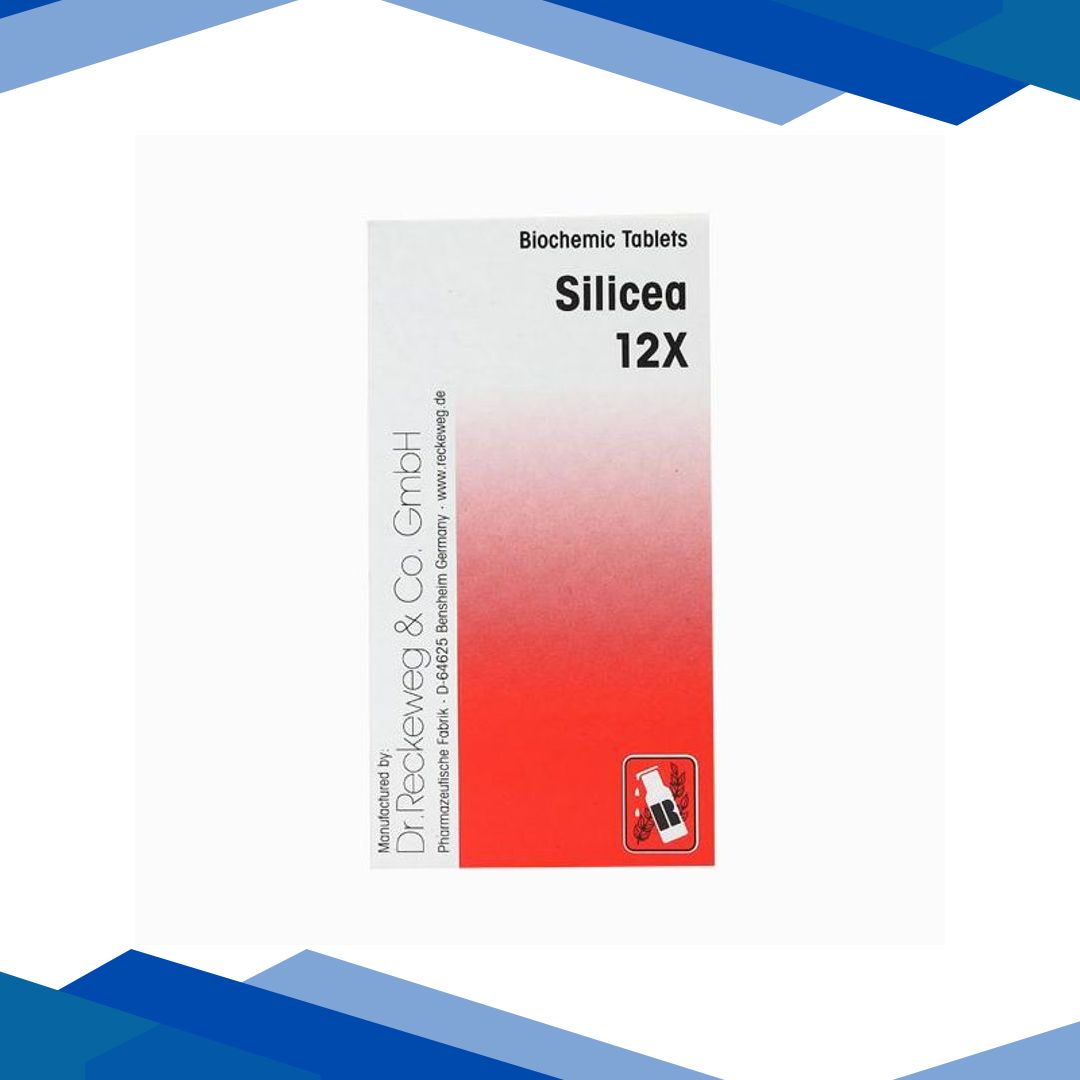
Dr. Reckeweg Silicea 12X Tablet 20 gm
Dr. Reckeweg Silicea 12X Tablet 20 is a combination medicine used to relieve common stomach and digestive discomfort. Aluminium hydroxide and magnesium hydroxide are antacids that work by neutralizing excess stomach acid, helping reduce symptoms such as heartburn, acid indigestion, and sour stomach. Simethicone helps break up gas bubbles in the stomach and intestines, which can ease bloating, pressure, and belching. Sodium carboxy methyl cellulose helps form a soothing coating that may protect the stomach lining and provide a gentle calming effect. This medicine is commonly used for temporary relief of acidity, gas, and related upset stomach symptoms. It should be used as directed by a healthcare professional, especially if symptoms are frequent or persistent.
Description
Dr. Reckeweg Silicea 12X Tablet 20 is a combination medicine commonly used to relieve symptoms related to excess stomach acid, indigestion, gas, and acidity. it brings together four ingredients that work in complementary ways: aluminium hydroxide and magnesium hydroxide neutralize acid in the stomach, simethicone helps break up gas bubbles, and sodium carboxy methyl cellulose helps provide a soothing, protective coating effect in the digestive tract. together, these ingredients are designed to provide fast relief from discomfort such as heartburn, sour stomach, bloating, belching, and mild stomach upset associated with acid irritation.
this medicine is generally considered supportive and symptom-relieving rather than curative. it does not treat the underlying cause of persistent acid-related problems such as peptic ulcer disease, gastroesophageal reflux disease, or helicobacter pylori infection, although it may temporarily reduce discomfort caused by these conditions. people often use this type of combination when they experience occasional acidity after meals, burning in the chest or upper stomach, or a feeling of fullness and trapped gas. because it acts locally in the stomach and upper digestive tract, its effect is usually felt relatively quickly.
the balance between aluminium hydroxide and magnesium hydroxide is important. aluminium hydroxide can help neutralize acid but may cause constipation in some people, while magnesium hydroxide also neutralizes acid and may help counter constipation, though it can sometimes loosen stools. simethicone reduces surface tension on gas bubbles, making them easier to pass or eliminate. sodium carboxy methyl cellulose is included to support the protective and soothing action, which may help reduce irritation in the lining of the stomach and esophagus. this combination is often chosen for people who need relief from multiple digestive symptoms at the same time.
although this product is available in many forms and brands, it should be used thoughtfully. people with kidney disease, significant bowel problems, or those taking multiple medicines should be especially careful because antacids can interfere with absorption of other drugs and, in some cases, alter mineral balance. if symptoms are frequent, severe, or long-lasting, medical evaluation is important because ongoing acidity or gas may indicate a more serious condition that needs targeted treatment.
ingredients
- aluminium hydroxide: this is an antacid that works by neutralizing excess stomach acid. by reducing acidity, it can help relieve heartburn, acid indigestion, and sour stomach. it may also provide some protective effect by decreasing the corrosive action of acid on the stomach lining. a common limitation is that aluminium compounds may contribute to constipation, especially with frequent use or in sensitive individuals.
- magnesium hydroxide: this is also an antacid, but it has a different tendency from aluminium hydroxide because it can help reduce constipation and may loosen stools in some people. it neutralizes acid in the stomach and can provide fairly quick symptom relief. in people with reduced kidney function, magnesium-containing products may build up in the body and cause unwanted effects, so caution is important.
- simethicone: this ingredient is an anti-foaming agent used to relieve gas, bloating, and abdominal discomfort caused by swallowed air or trapped intestinal gas. it does not reduce gas production itself; instead, it helps small gas bubbles combine into larger ones so they can pass more easily. simethicone acts locally in the digestive tract and is not significantly absorbed into the bloodstream.
- sodium carboxy methyl cellulose: this component is used to support the soothing and protective properties of the formulation. it can help improve the consistency of the product and contribute to a coating effect that may reduce irritation in the upper gastrointestinal tract. in combination products, it is often included to enhance comfort and the overall patient experience during acid-related discomfort.
key uses
- relief of acidity and heartburn: the antacid ingredients reduce excess stomach acid, helping ease the burning sensation in the chest or upper abdomen commonly experienced after spicy, fatty, or heavy meals.
- indigestion and sour stomach: this medicine can reduce discomfort caused by acid irritation, including upset stomach, mild nausea related to acidity, and a sour or acidic taste in the mouth.
- gas and bloating: simethicone helps break up gas bubbles that cause abdominal fullness, pressure, belching, and bloating, improving comfort after eating or when air is swallowed.
- symptomatic relief in acid-related irritation: it may help soothe mild irritation of the stomach and esophagus caused by acid exposure, providing short-term comfort when symptoms are occasional.
- supportive relief in mild reflux symptoms: it can reduce the burning and discomfort associated with mild reflux, although it is not a substitute for long-term treatment when reflux is frequent or severe.
how to use
use this medicine exactly as directed on the label or by a healthcare professional. it is commonly taken after meals and sometimes at bedtime, depending on the product instructions and the symptoms being treated. because formulations differ, always follow the instructions specific to your product. many antacid combinations are intended to be taken with a small amount of water, and some liquid forms may need to be shaken well before use to ensure the ingredients are evenly distributed.
for best results, avoid taking it at the same time as other medicines unless a pharmacist or doctor has confirmed it is safe to do so. antacids can reduce the absorption of several drugs by changing stomach ph or binding to them in the digestive tract. a spacing interval is often needed between this medicine and other oral medicines. if you are using it for occasional symptoms, take it only when needed and do not exceed the directions on the label.
if symptoms persist for more than a short period, occur frequently, worsen, or are accompanied by warning signs such as vomiting, black stools, blood in vomit, unexplained weight loss, trouble swallowing, or severe abdominal pain, seek medical attention promptly. recurrent acid symptoms may need proper evaluation rather than repeated self-treatment.
safety information
- warnings: this medicine may provide temporary symptom relief but does not treat serious underlying causes of stomach pain or reflux. do not use it as a substitute for medical care if symptoms are persistent, severe, or unusual. long-term or excessive use of antacids can cause electrolyte disturbances and may mask important digestive conditions. people with kidney disease should be particularly cautious because aluminium and magnesium can accumulate and cause harmful effects.
- side effects: common side effects may include constipation, loose stools, mild abdominal cramping, nausea, or a chalky taste. the balance of aluminium and magnesium may reduce the chance of one extreme, but bowel changes can still occur. rare but serious effects may include significant weakness, confusion, muscle problems, irregular heartbeat, or signs of high magnesium or aluminium levels, especially in people with kidney impairment or very frequent use.
- precautions: use caution if you have kidney problems, chronic constipation, diarrhea, bowel obstruction, severe dehydration, or a low-phosphate diet. older adults may be more sensitive to electrolyte changes and drug interactions. if you have a history of gallstones, intestinal blockage, or severe or unexplained abdominal symptoms, consult a healthcare professional before use. children should only use this medicine under guidance appropriate to their age and condition.
- pregnancy/breastfeeding: antacid combinations are sometimes used during pregnancy for occasional heartburn, but safety depends on the exact product, amount used, and individual health conditions. breastfeeding use is also generally considered with caution. because sodium carboxy methyl cellulose and the antacid components may not be suitable for everyone, pregnant or breastfeeding individuals should consult a clinician or pharmacist before using it regularly.
- interactions: this medicine can reduce the absorption of many oral medicines, including certain antibiotics, iron supplements, thyroid hormone, bisphosphonates, and some antifungal or heart medicines. it may also interfere with medications that require an acidic stomach environment. alcohol can worsen acidity and stomach irritation, so limiting alcohol is advisable. always check with a pharmacist if you take multiple medicines, including over-the-counter products and supplements.
additional information
- storage: store at room temperature in a dry place away from excess heat, moisture, and direct sunlight. keep the container tightly closed and out of reach of children. do not freeze liquid formulations unless the label specifically says it is safe to do so.
- missed dose: if you are using it on a regular schedule and miss a dose, take it when you remember unless it is almost time for the next dose. do not double the dose to make up for a missed one. if you use it only as needed for symptoms, take it when symptoms occur, following the label instructions.
- overdose: taking too much may cause significant constipation or diarrhea, stomach upset, weakness, or electrolyte imbalance. in severe cases, especially in people with kidney disease, overdose can lead to serious toxicity from magnesium or aluminium. if overdose is suspected, stop using the product and seek medical help or contact a poison control center immediately.
- habit forming: no, this medicine is not habit forming. however, frequent dependence on antacids for symptom control may indicate an untreated digestive problem that should be medically assessed rather than self-managed indefinitely.
frequently asked questions
Q: what does Dr. Reckeweg Silicea 12X Tablet 20 do?
A: it helps relieve symptoms of excess stomach acid, including heartburn, sour stomach, indigestion, bloating, and gas. the antacid ingredients neutralize acid, simethicone reduces gas discomfort, and sodium carboxy methyl cellulose supports a soothing effect in the digestive tract.
Q: how quickly does this medicine work?
A: it usually works relatively quickly because it acts locally in the stomach. many people notice relief within a short time after taking it, especially for acid-related burning and gas-related fullness.
Q: can i take this medicine every day?
A: occasional use is common, but regular daily use should be discussed with a healthcare professional. frequent need for antacids may mean there is an underlying condition that needs proper evaluation and treatment.
Q: will this medicine help with gas and bloating?
A: yes, simethicone is included specifically to reduce gas-related discomfort. it helps gas bubbles combine so they can pass more easily, which may reduce bloating and abdominal pressure.
Q: can this medicine cause constipation or diarrhea?
A: yes. aluminium hydroxide may cause constipation, while magnesium hydroxide may cause loose stools or diarrhea in some people. the combination is designed to balance these effects, but bowel changes can still happen.
Q: should i take it with food?
A: many people take antacid combinations after meals or when symptoms occur, since symptoms often worsen after eating. however, always follow the instructions on your specific product or your healthcare professional's advice.
Q: can it be taken with other medicines?
A: sometimes, but not always at the same time. antacids can interfere with the absorption of many medicines, so spacing doses apart is often necessary. ask a pharmacist if you take prescription drugs, supplements, or vitamins.
Q: is it safe for people with kidney problems?
A: people with kidney disease should use this medicine only with medical advice. aluminium and magnesium can build up in the body when kidney function is reduced, which may lead to serious side effects.
Q: can pregnant women use it?
A: some pregnant people may use antacids for occasional heartburn, but it is important to check with a healthcare professional first. safety depends on your symptoms, health history, and how often you need the medicine.
Q: does this medicine treat ulcers or gerd?
A: it may relieve symptoms, but it does not cure ulcers or long-term reflux disease. if symptoms are persistent, severe, or keep coming back, proper medical diagnosis and treatment are needed.
Q: can i use it for stomach pain?
A: it may help if the pain is caused by acid, indigestion, or gas. it should not be used to self-treat severe, sudden, or unexplained abdominal pain, which may need urgent medical evaluation.
Q: what should i do if i take too much?
A: stop taking the medicine and seek medical advice right away, especially if you have kidney disease or develop weakness, severe constipation, vomiting, confusion, or abnormal bowel symptoms.
Q: does it contain medicine that reduces gas production?
A: simethicone does not stop gas production, but it helps break up trapped gas bubbles so they are easier to pass and less likely to cause bloating or pressure.
Q: can it be taken with alcohol?
A: alcohol can irritate the stomach and worsen acidity or reflux symptoms, so it is best to limit or avoid alcohol when you have digestive discomfort. also, alcohol may make stomach symptoms harder to control.
Q: when should i see a doctor instead of taking this medicine repeatedly?
A: see a doctor if you need it often, if symptoms last more than a short time, or if you have warning signs such as vomiting blood, black stools, trouble swallowing, unexplained weight loss, chest pain, or severe abdominal pain.
this information is for educational purposes only and should not be considered medical advice. always consult a qualified healthcare professional before use.
At Gem Pharmacy, we make every effort to provide accurate, expert-written, and thoroughly reviewed information related to medicines. However, this information should not be considered a substitute for professional medical advice, diagnosis, or treatment from a qualified doctor.
The purpose of this information is to educate users and improve communication between patients and healthcare professionals. It should not be used to diagnose or treat any condition.
Always consult a certified healthcare professional before taking any medication.


Related products
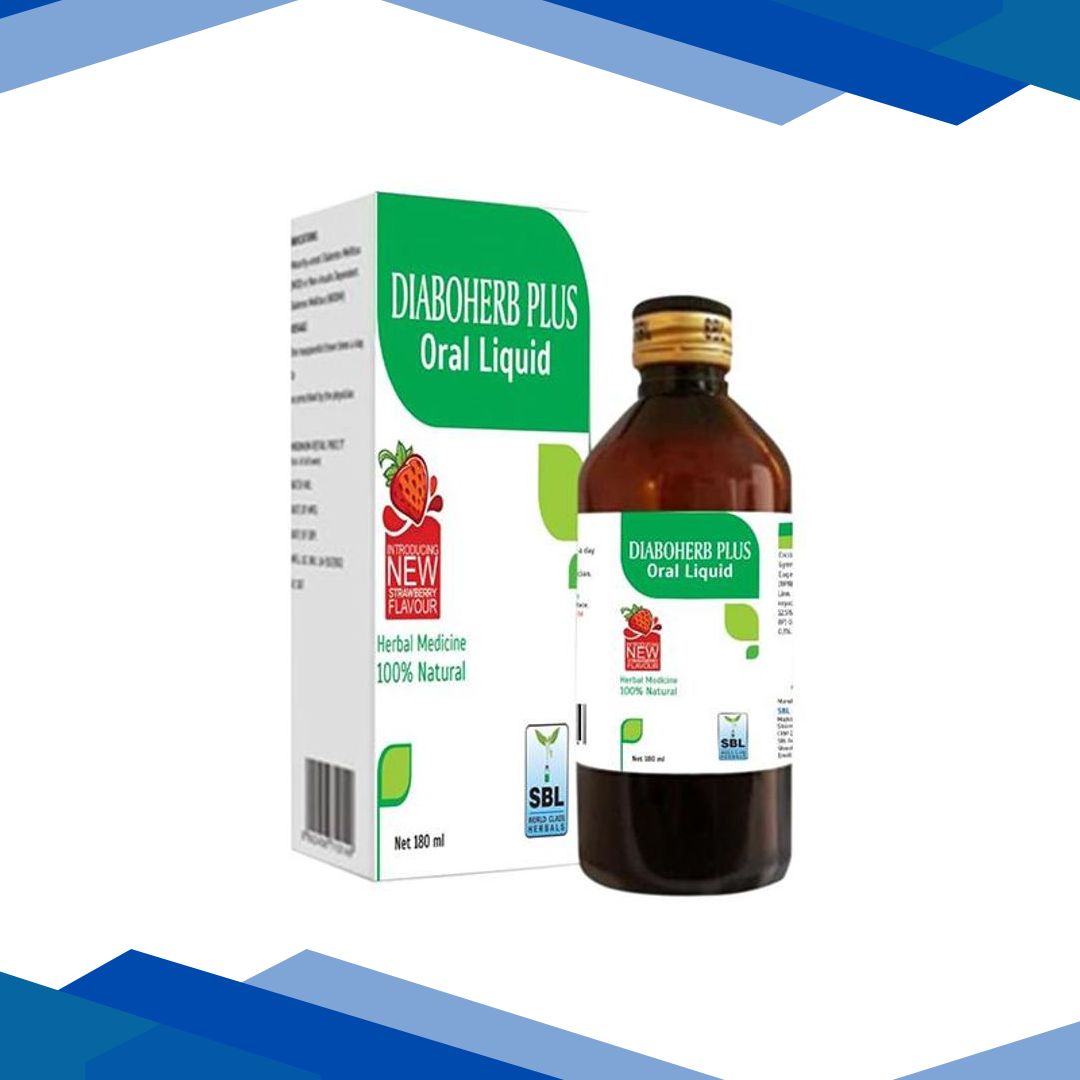
SBL Diaboherb Plus New Strawberry Flavour Oral Liquid 180 ml
Dr. Reckeweg Magnesium Phosphoricum 6X Tablet 20 gm