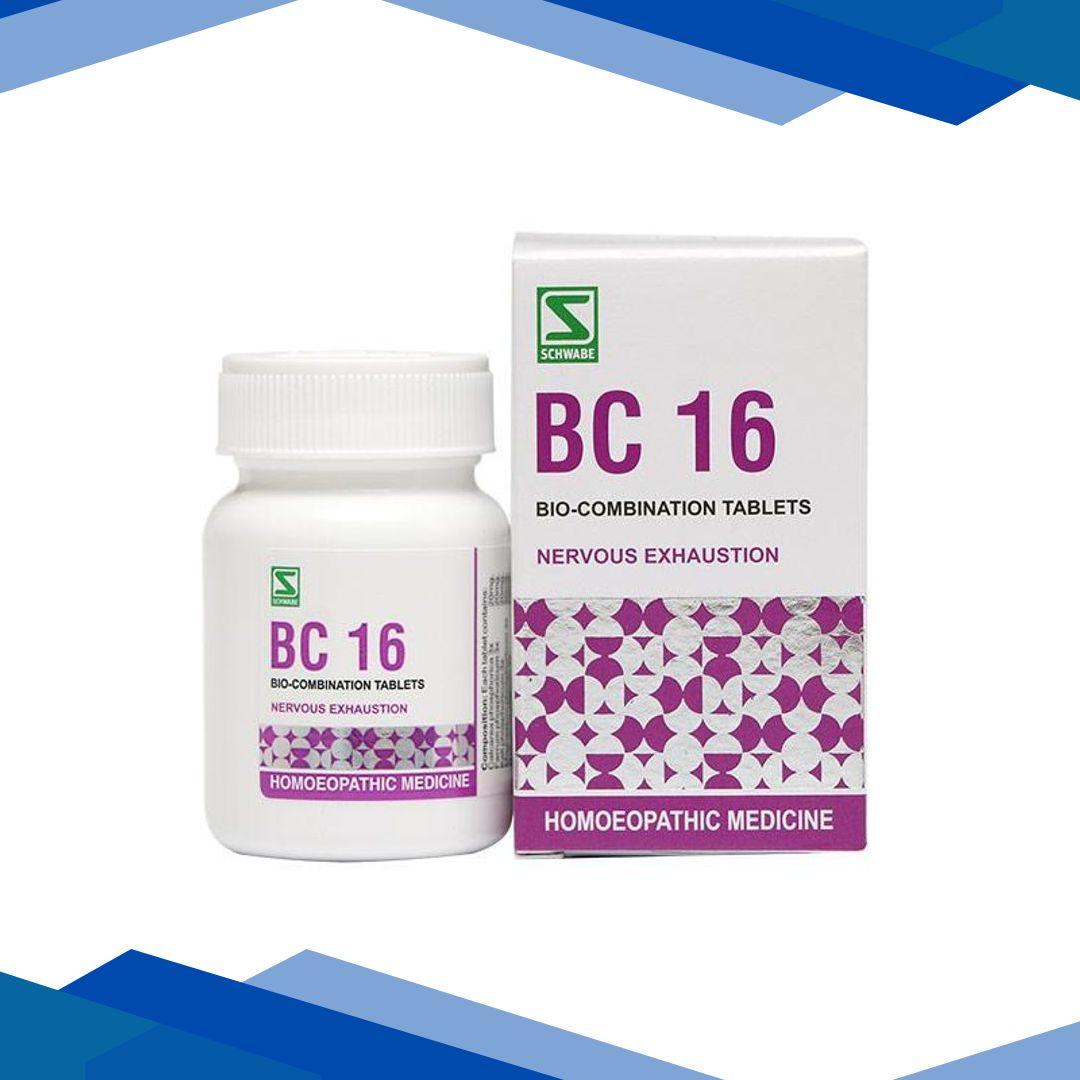
Dr.Willmar Schwabe Bio-Combination 16 Tablet 25 gm
Dr.Willmar Schwabe Bio-Combination 16 Tablet 25 is a plasma-expanding intravenous medicine used to help restore fluid volume in the bloodstream. POLYGELINE works by staying in the blood vessels and drawing in fluid, which helps improve circulation and support blood pressure when body fluids or blood volume are low. The added calcium chloride, potassium chloride, and sodium chloride help replace important electrolytes that may be lost during illness, dehydration, or medical treatment. This medicine is commonly used in situations such as shock, severe fluid loss, burns, surgery, or other conditions where quick restoration of circulating volume is needed. It is given under medical supervision because its effects on fluid balance and electrolytes need careful monitoring.
Description
Dr.Willmar Schwabe Bio-Combination 16 Tablet 25 is an intravenous fluid preparation used in medical settings to help restore circulating blood volume and support the body’s fluid and electrolyte balance. it is typically given under the supervision of a healthcare professional when a person has lost blood, plasma, or significant amounts of body fluid due to surgery, trauma, burns, dehydration, or certain medical conditions. the polygeline component acts as a colloid volume expander, meaning it helps draw and retain fluid within the bloodstream to improve blood pressure and circulation. the added electrolytes—calcium chloride, potassium chloride, and sodium chloride—help replace essential ions that may be depleted during illness or fluid loss.
this medicine is not used for routine everyday hydration. instead, it is intended for situations where rapid support of the circulatory system is needed, especially when low blood volume may cause dizziness, weak pulse, low blood pressure, poor tissue perfusion, or shock-like states. it works by increasing the volume of fluid in the vascular compartment and helping stabilize hemodynamics. because it contains electrolytes, it may also help correct or prevent certain abnormalities in sodium, potassium, calcium, and chloride levels, although the exact suitability depends on the patient’s laboratory results and overall condition.
the medication is usually administered in hospitals, emergency departments, operating rooms, or intensive care settings. it is not generally self-administered and should only be used when a clinician decides that the benefits outweigh the risks. the doctor will consider kidney function, heart status, electrolyte levels, bleeding risk, and other ongoing treatments before use. in some patients, careful monitoring is essential because excessive infusion or inappropriate use may lead to fluid overload, electrolyte imbalance, or allergic-type reactions.
in simple terms, Dr.Willmar Schwabe Bio-Combination 16 Tablet 25 is designed to support blood circulation, maintain blood pressure, and replace important body salts in acute medical situations. it is a supportive treatment rather than a cure for the underlying cause of shock, dehydration, or blood loss, so it is usually given alongside other necessary medical measures such as controlling bleeding, treating infection, or correcting the primary illness.
ingredients
- polygeline: a synthetic colloid plasma volume expander that stays mainly within the blood vessels for a period of time. it helps increase intravascular volume, improve circulation, and support blood pressure in cases of hypovolemia. it is commonly used when rapid fluid support is needed, especially after blood loss or during shock management.
- calcium chloride: a source of calcium and chloride used to help maintain normal nerve, muscle, and heart function. calcium is essential for cardiac contractility and clotting processes. in medically supervised settings, it may help correct low calcium levels, but it must be used cautiously because too much calcium can affect heart rhythm and interact with other medications.
- potassium chloride: a potassium replacement component that supports normal muscle activity, nerve conduction, and heart rhythm. potassium is vital for the electrical activity of cells, especially the heart. it is included to help address or prevent potassium depletion, but it must be monitored carefully since high potassium levels can be dangerous.
- sodium chloride: a source of sodium and chloride that helps maintain fluid balance, blood volume, and osmotic pressure. sodium is one of the main electrolytes in the body and is important for nerve function and hydration. chloride also helps maintain acid-base balance and supports normal body fluid composition.
key uses
- restoration of blood volume: used to increase circulating blood volume in patients with acute fluid loss, helping improve blood pressure and blood flow to vital organs.
- support in shock or hypovolemia: may be used in conditions where the body has insufficient effective blood volume, such as after trauma, surgery, burns, or severe dehydration, to help stabilize circulation.
- electrolyte support: helps supply essential electrolytes, which may be needed when sodium, potassium, or calcium levels are at risk of falling due to fluid loss or medical treatment.
- perioperative and emergency care: sometimes used during or after surgery and in emergency situations where rapid fluid replacement and circulatory support are required.
- adjunctive treatment in acute illness: used as part of broader medical management when maintaining tissue perfusion and organ function is important, especially while the underlying cause is being treated.
how to use
Dr.Willmar Schwabe Bio-Combination 16 Tablet 25 is administered by intravenous infusion only, typically by trained healthcare professionals in a monitored clinical setting. the infusion rate, total volume, and duration are determined by the doctor based on the patient’s age, weight, blood pressure, kidney function, heart condition, blood loss, and laboratory test results. it is not a medicine to be taken by mouth or used without supervision. during treatment, healthcare staff may monitor blood pressure, pulse, urine output, oxygen levels, and electrolyte concentrations to make sure the fluid is working safely and effectively.
the infusion should generally be given slowly enough to avoid sudden changes in blood volume or electrolyte levels. in acute emergencies, it may be started quickly under close monitoring, but the exact method depends on the clinical situation. the patient’s response is usually assessed continuously, and treatment may be adjusted or stopped if there are signs of fluid overload, breathing difficulty, swelling, allergic reactions, or abnormal laboratory results. because this medicine contains several active components, it should only be used according to the prescribing clinician’s judgment and hospital protocols.
safety information
- warnings: this medicine can cause serious complications if given too rapidly, in excessive amounts, or to patients who are not appropriate candidates. it may worsen fluid overload, heart failure, kidney impairment, or electrolyte disturbances. polygeline products may also carry a risk of allergic or anaphylactoid reactions in some patients. continuous monitoring is important during infusion.
- side effects: common side effects may include mild fever, flushing, nausea, headache, itching, rash, or discomfort at the infusion site. more serious side effects can include low blood pressure, breathing difficulty, swelling, chest tightness, abnormal heart rhythm, severe allergic reaction, increased blood volume, or worsening kidney function. any sudden reaction during infusion should be treated as urgent.
- precautions: use cautiously in people with kidney disease, heart failure, high blood potassium, high blood calcium, significant sodium imbalance, pulmonary edema, severe anemia, bleeding disorders, or a history of hypersensitivity to colloid solutions. extra care is also needed in older adults and in critically ill patients whose fluid balance may change quickly.
- pregnancy/breastfeeding: safety during pregnancy and breastfeeding depends on the clinical situation. because this is an intravenous hospital medicine used for urgent medical needs, it should only be used when clearly necessary and under direct medical supervision. a doctor should weigh the benefits against potential risks to the mother and baby.
- interactions: this medicine may interact with other iv fluids, blood products, diuretics, ace inhibitors, arbs, potassium-sparing medicines, calcium-containing products, digoxin, and drugs affecting kidney function or electrolyte balance. alcohol is not typically relevant during hospital infusion, but heavy alcohol use can worsen dehydration and electrolyte imbalance, so clinicians should be informed of any use.
additional information
- storage: store as directed by the manufacturer, usually in a cool, dry place away from direct sunlight and freezing conditions. keep the container sealed until use, and do not use if the solution is cloudy, discolored, or contains visible particles. hospital staff should follow local storage and handling guidelines.
- missed dose: since this medicine is administered by healthcare professionals in clinical settings, missed doses are uncommon. if a scheduled infusion is delayed or omitted, the prescribing team will decide when or whether it should be given based on the patient’s current condition.
- overdose: too much infusion may cause fluid overload, swelling, increased blood pressure, breathing difficulty, electrolyte disturbances, or strain on the heart and kidneys. overdose is a medical emergency and requires immediate assessment, stopping the infusion, and supportive treatment as directed by clinicians.
- habit forming: no. this medicine is not habit-forming and does not cause dependence. it is a short-term supportive treatment used for specific medical indications rather than for ongoing self-use.
frequently asked questions
Q: what is Dr.Willmar Schwabe Bio-Combination 16 Tablet 25 used for?
A: it is used in hospitals to restore blood volume, support circulation, and help manage fluid and electrolyte loss in acute conditions such as trauma, surgery, burns, dehydration, or shock-like states.
Q: is this medicine taken orally?
A: no. it is an intravenous infusion that must be given by trained healthcare professionals, usually in a hospital or emergency care setting.
Q: can this medicine be used for mild dehydration?
A: usually not. mild dehydration is often managed with oral fluids or simpler iv solutions. this medicine is reserved for more serious situations where blood volume or circulation needs rapid support.
Q: what monitoring is needed during infusion?
A: doctors may monitor blood pressure, pulse, urine output, breathing, kidney function, and blood electrolyte levels to ensure the infusion is safe and effective.
Q: can it cause allergic reactions?
A: yes. although not common, colloid-containing solutions like polygeline can cause allergic or anaphylactoid reactions in some people. immediate medical attention is needed if symptoms such as rash, wheezing, swelling, or low blood pressure occur.
Q: who should be especially careful with this medicine?
A: people with heart failure, kidney disease, electrolyte imbalances, or a history of allergy to plasma expanders should be assessed very carefully before receiving it.
Q: does it replace blood?
A: no. it helps restore circulating volume and improve blood pressure, but it does not replace the oxygen-carrying function of blood or treat the cause of blood loss. additional treatment may be needed.
Q: can it affect potassium levels?
A: yes. because it contains potassium chloride, it can influence potassium balance. patients with kidney disease or those taking medicines that raise potassium need close monitoring.
Q: can it be used during surgery?
A: it may be used in surgical settings when the healthcare team needs to support blood volume or circulation, depending on the patient’s condition and clinical judgment.
Q: is it safe in kidney disease?
A: it may not be suitable for some patients with kidney disease because they may not be able to handle fluid or electrolyte changes well. a healthcare professional must evaluate this carefully.
Q: what should i do if i notice swelling or breathing difficulty during infusion?
A: inform the medical team immediately. these may be signs of fluid overload or an allergic reaction and require urgent evaluation.
Q: does Dr.Willmar Schwabe Bio-Combination 16 Tablet 25 treat infection?
A: no. it does not treat infection. it only supports circulation and electrolyte balance while the underlying illness is treated separately.
Q: why are electrolytes included in this fluid?
A: the electrolytes help maintain normal body fluid composition and support the heart, nerves, and muscles, especially when the body has lost salts due to illness or treatment.
Q: can this medicine raise blood pressure?
A: it may improve low blood pressure when the cause is reduced blood volume, but it is not a general blood pressure medicine. its effect depends on the clinical situation.
Q: should it be used without lab tests?
A: ideally no. because it can affect blood volume and electrolyte levels, clinicians often rely on lab results and vital signs to guide safe use.
this information is for educational purposes only and should not be considered medical advice. always consult a qualified healthcare professional before use.
At Gem Pharmacy, we make every effort to provide accurate, expert-written, and thoroughly reviewed information related to medicines. However, this information should not be considered a substitute for professional medical advice, diagnosis, or treatment from a qualified doctor.
The purpose of this information is to educate users and improve communication between patients and healthcare professionals. It should not be used to diagnose or treat any condition.
Always consult a certified healthcare professional before taking any medication.


Related products

SBL Magnesia Phosphorica 12X Tablet 25 g

Dr. Willmar Schwabe Magnesium Phos Pentarkan (PTK 60) Tablet 20 gm

Dr.Willmar Schwabe Magnesium Phosphoricum 30X Tablet 25 gm