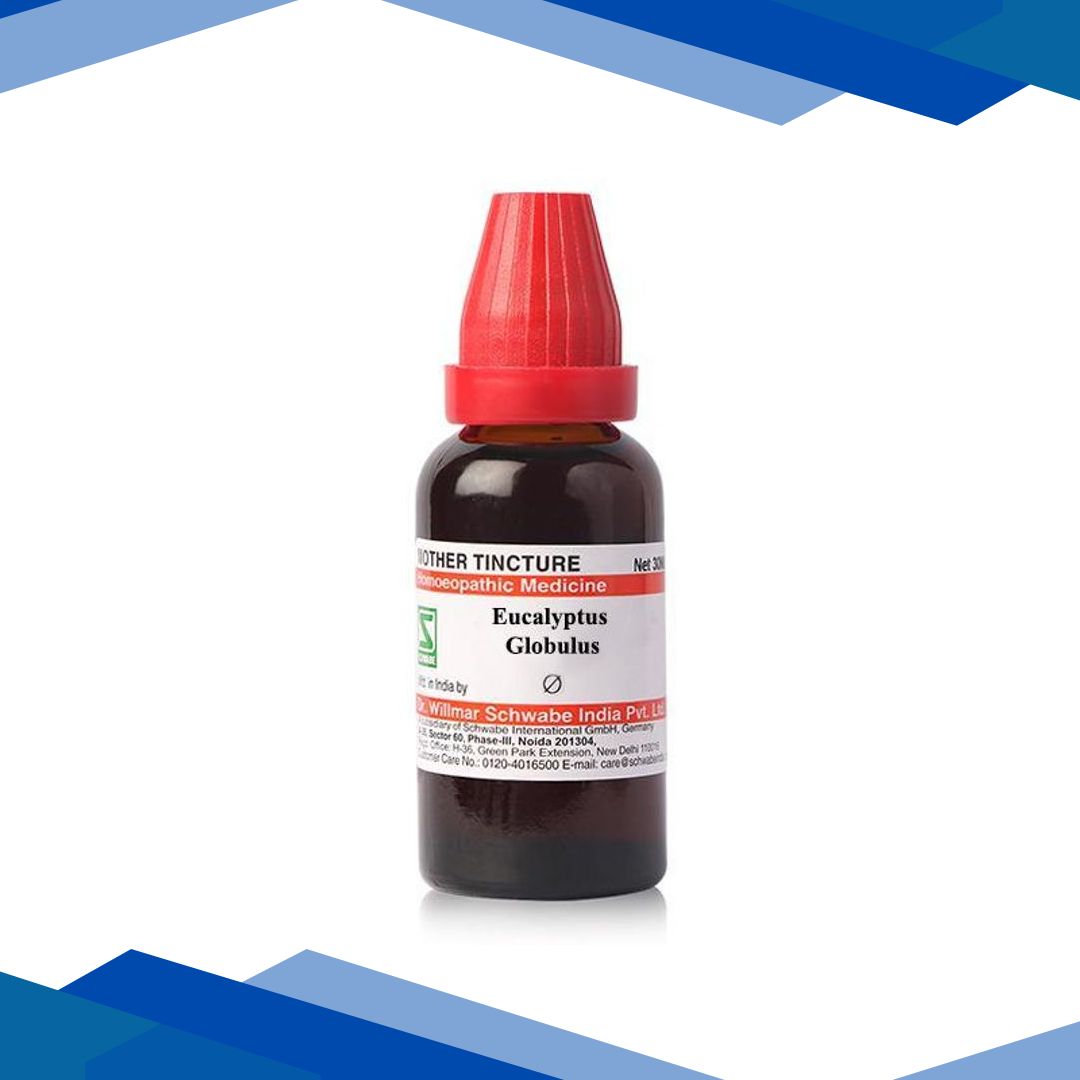
Dr.Willmar Schwabe Eucalyptus Globulus Ø Liquid 30 ml
Dr.Willmar Schwabe Eucalyptus Globulus Ø Liquid 30 is a combination medicine used to help support liver health and reduce liver-related inflammation. GLYCINE and L CYSTEINE HYDROCHLORIDE are amino acid-based ingredients that help the body maintain normal cell function and support antioxidant defenses, while MONOAMMONIUM GLYCYRRHIZINATE is known for its anti-inflammatory and liver-protective effects. Together, this medicine may help improve liver function in conditions where the liver is stressed or irritated, such as certain liver disorders or after exposure to harmful substances. It is generally used as part of medical management to support recovery and protect liver cells. Because liver problems can have different causes, this medicine should be used under the guidance of a healthcare professional.
Description
Dr.Willmar Schwabe Eucalyptus Globulus Ø Liquid 30 is a combination medicine that is used in supportive treatment for liver-related concerns, especially when the goal is to help protect liver cells, support detoxification pathways, and reduce inflammation related to liver stress. it is not a cure for all liver diseases, but it may be prescribed or recommended by a healthcare professional as part of a broader treatment plan when the liver needs nutritional and protective support. because the liver performs many essential functions, including processing nutrients, filtering toxins, making proteins, and supporting metabolism, medicines in this category are often used to help maintain liver health during illness, medication exposure, poor dietary intake, or other forms of hepatic strain.
each component in this combination plays a different supportive role. glycine is an important amino acid involved in many body processes, including the formation of proteins and the synthesis of protective compounds that help cells manage oxidative stress. l cysteine hydrochloride is a sulfur-containing amino acid that supports glutathione production, and glutathione is one of the body’s major natural antioxidant systems. monoammonium glycyrrhizinate is derived from licorice root and is known for its anti-inflammatory and liver-supportive properties in some medical formulations. together, these ingredients are intended to help reduce oxidative damage, support liver function, and promote recovery in conditions where the liver is under stress.
this medicine is generally intended for people who may have impaired liver function, mild liver inflammation, or liver stress associated with poor nutrition, environmental exposure, medication use, or certain chronic conditions. it may also be used in supportive care when a clinician wants to help improve biochemical markers of liver health. however, it is important to understand that the exact benefit depends on the underlying cause of liver issues, and this product should not replace proper diagnosis, monitoring, or treatment of hepatitis, cirrhosis, fatty liver disease, alcohol-related liver injury, or other significant medical conditions.
because this combination influences metabolic and antioxidant pathways, it should be used thoughtfully and with awareness of safety issues. some people may experience mild stomach-related side effects, and the glycyrrhizin component may affect fluid balance, blood pressure, or potassium levels in susceptible individuals if used in a way that increases systemic exposure. for that reason, patients with heart disease, high blood pressure, kidney problems, edema, or low potassium should use it only under medical supervision. if there is any uncertainty about whether this medicine is appropriate, a doctor or pharmacist should be consulted before use.
ingredients
- glycine: glycine is a non-essential amino acid that helps the body build proteins and support normal cell function. in liver support formulations, it is valued for its role in antioxidant defense, tissue repair, and metabolic balance. it also contributes to the formation of compounds that help the body neutralize harmful substances and may support overall liver resilience during periods of stress.
- l cysteine hydrochloride: l cysteine hydrochloride is a stable form of cysteine, an amino acid that helps the body produce glutathione, a key antioxidant that protects cells from oxidative damage. the liver relies heavily on glutathione for detoxification and defense against toxic injury. this ingredient may therefore be helpful in supporting liver cell protection, especially when antioxidant demand is increased.
- monoammonium glycyrrhizinate: monoammonium glycyrrhizinate is a salt form of glycyrrhizin, a component obtained from licorice root. it is commonly used in some liver-support products for its anti-inflammatory, protective, and soothing effects on the liver. it may help reduce inflammatory processes that can contribute to liver irritation and may be used as part of supportive management of liver dysfunction.
key uses
- supportive management of liver stress: this combination may be used to help support liver function when the liver is strained by illness, poor diet, environmental exposure, or medication use. it is intended to assist the body’s natural protective mechanisms rather than act as a standalone cure.
- antioxidant support for liver cells: the amino acids in this product can contribute to the production of protective compounds such as glutathione, which helps reduce oxidative injury to liver cells. this may be useful when the liver is exposed to toxins or inflammatory stress.
- adjunctive support in mild hepatic dysfunction: it may be prescribed as part of a broader treatment plan in people with mild liver function abnormalities. its purpose is generally supportive and may include helping the liver recover while the underlying cause is being addressed.
- inflammation-related liver support: the glycyrrhizinate component may help in conditions where inflammation is contributing to liver irritation. this does not replace specific treatment for hepatitis or other liver diseases, but it may complement medical care in selected cases.
- nutritional and metabolic support: since glycine and cysteine are amino acids, the product may be useful when the body’s demand for these building blocks is increased. this can happen during illness, recovery, or reduced nutritional intake, especially when liver health is a concern.
how to use
use this medicine exactly as directed by a healthcare professional or according to the product label if it is an over-the-counter formulation. the medicine may be taken with or after food if stomach discomfort occurs, although some products may have specific instructions depending on the dosage form. swallow tablets or capsules with water unless the label indicates another method of use. if it is available as a powder or oral preparation, it should be prepared and taken as directed. do not change the amount or frequency on your own, especially if you have liver disease, high blood pressure, kidney problems, or other ongoing medical conditions.
the timing of use may vary depending on the reason it was recommended. in general, consistent daily use helps maintain steady supportive effects, but the exact schedule should follow the clinician’s instructions. if you are taking other medicines for liver disease, diabetes, blood pressure, or chronic illness, it is important to keep your dosing schedule organized and inform your healthcare provider about everything you take. this medicine is usually part of supportive therapy, so regular follow-up may be necessary to monitor liver function tests and overall response.
safety information
- warnings: this medicine should be used carefully in people with hypertension, fluid retention, kidney disease, heart disease, low potassium, or hormone-sensitive conditions. the glycyrrhizinate component may, in some people, contribute to sodium retention, swelling, or increased blood pressure if systemic exposure becomes significant. it should not be considered a substitute for medical evaluation of jaundice, severe abdominal pain, dark urine, persistent vomiting, or other signs of serious liver disease. seek urgent medical attention if liver symptoms worsen.
- side effects: common side effects may include mild stomach upset, nausea, bloating, altered taste, or general discomfort after taking the medicine. less common but more serious effects may include swelling in the legs, elevated blood pressure, weakness, muscle cramps, irregular heartbeat, or signs of low potassium, especially with prolonged use or in sensitive individuals. allergic reactions are also possible and may present as rash, itching, swelling, dizziness, or breathing difficulty.
- precautions: people with chronic liver disease should use this only under supervision, because liver problems may require diagnosis and targeted treatment rather than supportive supplementation alone. those with kidney disease, uncontrolled blood pressure, edema, heart failure, or electrolyte disorders should be especially cautious. children, older adults, and people taking multiple medicines may need closer monitoring. if you are scheduled for surgery or laboratory testing, tell the healthcare provider about this product.
- pregnancy/breastfeeding: safety data may be limited depending on the formulation and dose. pregnant or breastfeeding individuals should not use this medicine without medical advice. although some ingredients are naturally occurring, that does not guarantee safety during pregnancy or lactation. a clinician can weigh the potential benefit against any possible risk.
- interactions: this medicine may interact with drugs that affect blood pressure, potassium balance, or fluid retention, including diuretics, corticosteroids, and certain heart medicines. it may also require caution when taken with other liver-support products, herbal supplements, or medications metabolized by the liver. alcohol should generally be avoided or strictly limited because it can worsen liver stress and reduce the usefulness of supportive treatment. always tell your pharmacist or doctor about all prescription medicines, over-the-counter products, and supplements you use.
additional information
- storage: store in a cool, dry place away from direct sunlight, moisture, and excessive heat. keep the container tightly closed and out of reach of children. do not store in a bathroom unless the packaging specifically allows it, because humidity can affect stability. if the product has a specific storage temperature on the label, follow that instruction exactly.
- missed dose: if you miss a dose, take it when you remember unless it is almost time for the next scheduled dose. if the next dose is near, skip the missed dose and continue as usual. do not double the dose to make up for a missed one unless your healthcare professional specifically tells you to do so.
- overdose: taking too much may increase the risk of stomach upset, headache, dizziness, weakness, swelling, blood pressure changes, or electrolyte imbalance. in severe cases, overdose effects may include muscle weakness, heart rhythm problems, or marked fluid retention. if an overdose is suspected, seek immediate medical advice or contact a poison control center right away, especially if symptoms are present.
- habit forming: no, this medicine is not considered habit forming. it does not typically cause dependence or cravings. however, that does not mean it should be used without supervision, particularly in people with existing medical conditions or those taking other interacting medicines.
frequently asked questions
Q: what is Dr.Willmar Schwabe Eucalyptus Globulus Ø Liquid 30 used for?
A: it is generally used as a liver-supportive medicine. healthcare professionals may recommend it to help protect liver cells, support antioxidant defense, and assist recovery when the liver is under stress. it is usually part of supportive care rather than a stand-alone treatment for serious liver disease.
Q: how does this medicine help the liver?
A: glycine and l cysteine hydrochloride can support the formation of protective molecules such as glutathione, which helps defend liver cells from oxidative damage. monoammonium glycyrrhizinate may contribute anti-inflammatory and protective effects, making the combination useful in some supportive liver care settings.
Q: can this medicine cure liver disease?
A: no, it should not be expected to cure liver disease. it may help support liver function and reduce stress on the liver, but the underlying cause still needs proper diagnosis and treatment. conditions such as hepatitis, fatty liver disease, cirrhosis, and alcohol-related injury require individualized medical care.
Q: what are the common side effects?
A: common side effects may include mild nausea, stomach discomfort, bloating, or a change in taste. some people may also notice headache or general discomfort. more serious effects are uncommon but can include swelling, elevated blood pressure, low potassium, or allergic reactions in susceptible individuals.
Q: who should be careful before using it?
A: people with high blood pressure, kidney disease, heart disease, swelling, low potassium, or significant liver disease should be cautious and use this medicine only with professional guidance. pregnant or breastfeeding individuals should also consult a clinician before taking it.
Q: can i take it with alcohol?
A: it is usually best to avoid alcohol, especially if the medicine is being used for liver support. alcohol can worsen liver stress and may interfere with recovery. if you drink alcohol regularly, discuss this with your doctor or pharmacist.
Q: should i take it with food?
A: this depends on the product form and how your healthcare professional advises you to take it. if it causes stomach discomfort, taking it with food may help. always follow the label or your clinician’s directions.
Q: what should i do if i miss a dose?
A: take it when you remember unless it is close to the time for your next dose. if so, skip the missed dose and continue your normal schedule. do not take extra to make up for the missed dose unless advised by a healthcare professional.
Q: is long-term use safe?
A: long-term use may be appropriate in some cases, but it should be monitored by a healthcare professional. because the glycyrrhizinate component can affect blood pressure and fluid balance in certain people, regular follow-up may be needed if the medicine is used for an extended period.
Q: can this interact with my other medicines?
A: yes, it may interact with medicines that affect blood pressure, potassium levels, fluid retention, or liver metabolism. it is important to share a full medication list with your doctor or pharmacist, including supplements and herbal products.
this information is for educational purposes only and should not be considered medical advice. always consult a qualified healthcare professional before use.
At Gem Pharmacy, we make every effort to provide accurate, expert-written, and thoroughly reviewed information related to medicines. However, this information should not be considered a substitute for professional medical advice, diagnosis, or treatment from a qualified doctor.
The purpose of this information is to educate users and improve communication between patients and healthcare professionals. It should not be used to diagnose or treat any condition.
Always consult a certified healthcare professional before taking any medication.


Related products
Dr.Willmar Schwabe Verbascum Thapsus Ø Liquid 30 ml
Similia Mother Tincture Mullein Liquid 30 ml
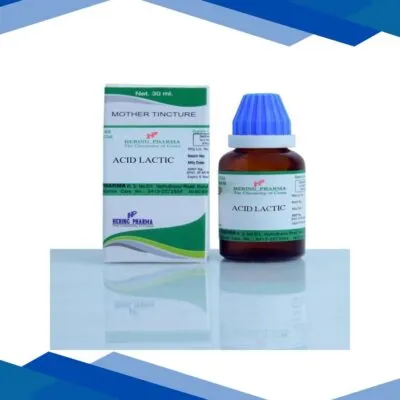
Hering Pharma Acid Lactic Mother Tincture 30 ml