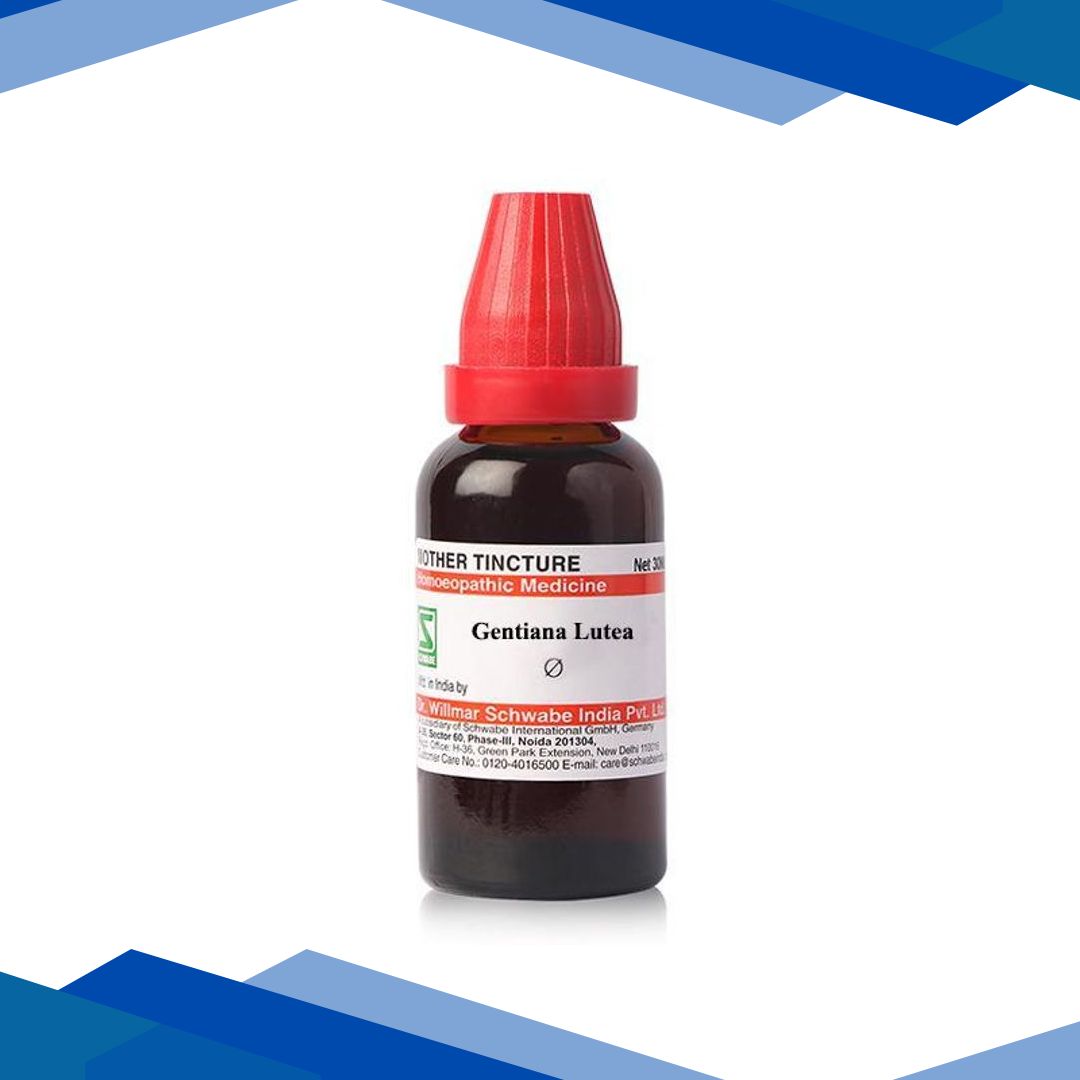
Dr.Willmar Schwabe Gentiana Lutea Ø Liquid 30 ml
Dr.Willmar Schwabe Gentiana Lutea Ø Liquid 30 is a skin-care medicine used mainly to help improve the appearance of dark spots, melasma, and uneven skin tone. It works by reducing excess melanin production, which is the pigment responsible for skin darkening. ARBUTIN, KOJIC ACID, and MULBERRY EXTRACT help lighten areas of hyperpigmentation, while TRANEXAMIC ACID supports the fading of stubborn patches caused by sun exposure or hormonal changes. MAGNESIUM and VITAMIN E help support skin health and provide antioxidant protection against damage from free radicals. This combination is commonly used to promote a brighter, more even-looking complexion under medical guidance. It is best suited for people looking to manage discoloration safely and effectively as part of a dermatologist-recommended skin treatment plan.
Description
this combination of Dr.Willmar Schwabe Gentiana Lutea Ø Liquid 30 is used in skin-care and dermatology-oriented formulations that aim to improve the appearance of uneven skin tone, dark patches, and discoloration. it is generally associated with products designed for pigmentation-related concerns such as melasma, post-inflammatory hyperpigmentation, tanning, and dull-looking skin. the overall purpose of this blend is to help reduce excess melanin formation, support brighter-looking skin, and provide antioxidant protection to skin that may be stressed by inflammation, sun exposure, or environmental damage.
each ingredient in this combination contributes in a different way. arbutin and kojic acid are commonly used for their skin-lightening and melanin-inhibiting properties. tranexamic acid is widely recognized in dermatology for helping manage stubborn pigmentation, especially melasma, by influencing pathways involved in pigment formation and inflammation. mulberry extract is valued for its antioxidant and brightening support, while vitamin e helps protect skin from oxidative stress and may support skin barrier comfort. magnesium is included in some formulations for supportive skin-conditioning or formulation balance, although its exact role can vary depending on the product type and delivery system.
this type of ingredient combination is not intended to bleach skin or produce instant results. instead, it is generally used over time as part of a broader skin-care plan that may also include sun protection, gentle cleansing, moisturization, and avoidance of triggers that worsen pigmentation. the effectiveness can depend on the concentration of ingredients, the dosage form, consistency of use, and the underlying cause of the discoloration. people who commonly seek such products include adults dealing with facial melasma, age spots, uneven tone after acne, or other benign hyperpigmentation concerns. because skin sensitivity varies, it is important to use these ingredients carefully and to monitor for irritation.
although this combination can be helpful for many people, it should be used thoughtfully. ingredients such as kojic acid and arbutin may cause irritation in sensitive skin, and tranexamic acid is not appropriate for all users, especially when underlying medical conditions or other medications raise safety concerns. the best results usually occur when these ingredients are used as directed and paired with daily sun protection, since ultraviolet exposure can quickly reverse progress in pigmentation management. if there is uncertainty about whether the product is appropriate for a specific skin condition, a dermatologist or healthcare professional should be consulted.
ingredients
- arbutin:
a well-known skin-brightening ingredient that helps reduce the formation of excess melanin, the pigment responsible for dark spots and uneven tone. it is often used to improve the appearance of hyperpigmentation, sun spots, and discoloration without being as harsh as some stronger depigmenting agents. arbutin is valued because it may offer gradual brightening with a relatively gentle profile when used correctly. - kojic acid:
a compound commonly used in pigmentation-focused skincare for its ability to interfere with melanin production. it is frequently included in products aimed at fading dark patches and supporting a more even complexion. because kojic acid can be irritating for some skin types, its presence should be balanced with proper skin care and cautious use. - magnesium:
a mineral included in some formulations for supportive skin-conditioning and product stability purposes. in skincare, magnesium may help support normal skin function and may contribute to a balanced formulation, although its role is often secondary compared with the primary brightening agents. its exact benefit depends on the product design and delivery system. - mulberry extract:
a botanical ingredient recognized for antioxidant properties and use in brightening-oriented skincare. it may help support a more even skin appearance by assisting in the control of pigment-related pathways and by reducing oxidative stress that can contribute to dullness and discoloration. mulberry extract is often used as a supportive ingredient rather than a sole treatment. - tranexamic acid:
a medicine-like ingredient widely used in dermatology and cosmetic formulations for pigmentation concerns, especially melasma. it helps reduce the signaling pathways that contribute to excess pigment production and inflammation-related discoloration. it is considered an important ingredient for stubborn or recurring pigmentation when used appropriately. - vitamin e:
a fat-soluble antioxidant that helps protect skin cells from oxidative damage. in topical formulations, vitamin e may support skin barrier comfort and contribute to a healthier skin appearance. it is commonly included to complement brightening ingredients and help reduce the impact of environmental stress on the skin.
key uses
- melasma support:
this combination is commonly used for melasma, a chronic pigmentation condition that often affects the face. tranexamic acid, arbutin, and kojic acid may help reduce the intensity of brown patches over time, especially when paired with sun protection. - post-inflammatory hyperpigmentation:
it may help improve dark marks left behind after acne, irritation, or minor skin inflammation. by limiting excess melanin production and supporting antioxidant protection, the formula may gradually fade residual spots. - uneven skin tone:
the ingredients may help make the skin appear more uniform by reducing patchy discoloration and supporting a brighter overall complexion. this is often a gradual process and works best with consistent use. - sun-related pigmentation:
for discoloration worsened by sun exposure, the formulation may support visible improvement over time. however, daily sunscreen use remains essential because unprotected uv exposure can worsen pigmentation again. - dull-looking skin with pigmentation concerns:
the antioxidant components, including vitamin e and mulberry extract, may help skin look healthier and less affected by environmental stress. this does not replace basic skincare but may complement it.
how to use
use this product exactly as directed on the label or by a healthcare professional, because the best method depends on whether it is a cream, serum, gel, lotion, or another topical formulation. in general, it is applied to clean, dry skin and used only on the affected areas unless the product instructions indicate broader use. a small amount is usually enough for targeted pigmentation areas. avoid applying it to broken, irritated, or freshly shaved skin unless specifically advised, as this can increase stinging or irritation.
most pigmentation products work best when used consistently over several weeks rather than expecting quick changes. apply gently and do not rub aggressively. if the product is part of a nighttime routine, it may be used after cleansing and before moisturizer, depending on the formulation. if it is recommended for daytime use, sunscreen is especially important because untreated uv exposure can reduce the benefit of the active ingredients and may further darken existing spots. do not combine it casually with multiple strong exfoliants or harsh lightening products unless a clinician has said it is appropriate, since this can increase skin sensitivity.
safety information
- warnings:
this combination may cause irritation, redness, dryness, itching, or mild peeling, especially in sensitive skin. kojic acid and arbutin can be helpful for pigmentation but may not suit everyone. tranexamic acid should be used with caution in people who have a history of clotting disorders or who are using medications that affect clotting, depending on the formulation and route of use. if the product causes worsening redness, swelling, burning, rash, or darkening of the skin, stop use and seek medical advice. - side effects:
common side effects may include mild stinging, dryness, tightness, irritation, peeling, or temporary redness. some people may experience contact dermatitis or increased sensitivity. serious reactions are uncommon but can include severe allergic reaction, marked swelling, blistering, intense burning, or signs of skin injury. if these occur, stop using the product and get medical help promptly. - precautions:
people with very sensitive skin, active eczema, rosacea, open wounds, or a history of reactions to cosmetic actives should use extra caution. those with known allergy to any ingredient should avoid the product. if the formula is being used alongside other prescription or over-the-counter skin treatments, medical advice is helpful to avoid over-irritation or conflicting regimens. always perform a patch test if advised by a professional. - pregnancy/breastfeeding:
topical skin products may have different safety considerations than oral medicines, but pregnancy and breastfeeding require caution with any active ingredient combination. tranexamic acid, in particular, should not be used without medical guidance if there are concerns about systemic absorption or individual risk factors. consult a doctor before use during pregnancy or while breastfeeding. - interactions:
topical interactions are mostly related to irritation rather than dangerous drug interactions, but combining this product with retinoids, alpha hydroxy acids, benzoyl peroxide, harsh scrubs, or other bleaching agents may increase dryness and sensitivity. if tranexamic acid is used in a non-topical form or if the user takes prescription clotting-related medicines, a healthcare professional should review the combination. alcohol does not directly interact with the topical product, but excessive alcohol use may worsen skin health and inflammation in some individuals.
additional information
- storage:
store in a cool, dry place away from direct sunlight, heat, and moisture. keep the cap tightly closed when not in use. do not freeze unless the package specifically allows it. keep out of reach of children. - missed dose:
if you miss an application, use it when you remember unless it is almost time for the next scheduled use. do not apply extra product to make up for a missed application, as this can increase irritation without improving results. - overdose:
using too much topical product may cause excessive dryness, redness, burning, or peeling. if a large amount is accidentally swallowed or applied to a very large irritated area, seek medical advice promptly. in case of severe reaction, wash the area gently and get medical help. - habit forming:
no. this combination is not habit forming. however, some users may become dependent on it for maintenance of pigmentation control, especially if their underlying condition tends to recur when sun protection or skincare is inconsistent.
frequently asked questions
Q: what is Dr.Willmar Schwabe Gentiana Lutea Ø Liquid 30 used for?
A: it is generally used for pigmentation-related concerns such as melasma, dark spots, post-acne marks, and uneven skin tone. the combination works by helping reduce excess melanin formation and supporting antioxidant protection for the skin.
Q: how long does it take to see results?
A: results are usually gradual and may take several weeks of consistent use. pigmentation improves slowly, and the response depends on the cause of discoloration, skin type, and regular use of sunscreen.
Q: can i use it every day?
A: many topical pigmentation products are intended for daily use, but the exact frequency depends on the formulation and your skin sensitivity. follow the product directions or your clinician's advice, and reduce frequency if irritation occurs.
Q: does it work on acne marks?
A: it may help fade dark marks left after acne, especially when the marks are brown or tan rather than red. it does not treat active acne itself, so ongoing breakouts may still need separate management.
Q: is sunscreen necessary while using this product?
A: yes. sunscreen is very important because uv exposure can worsen pigmentation and reduce the benefits of brightening ingredients. daily broad-spectrum sun protection helps maintain results.
Q: can sensitive skin use this combination?
A: some people with sensitive skin can use it, but kojic acid and other active ingredients may cause irritation. a patch test and careful introduction are often helpful, and a healthcare professional can advise if your skin is reactive.
Q: will it bleach my skin?
A: no. medically appropriate pigmentation products are not meant to bleach normal skin. they are used to help reduce excess pigment and improve the appearance of dark patches or uneven tone.
Q: can i use it with retinol or acids?
A: sometimes, but combining multiple active ingredients can increase dryness and irritation. it is best to get guidance on how to space or alternate products rather than layering them without advice.
Q: is this ingredient combination safe in pregnancy?
A: safety in pregnancy depends on the exact formulation, application area, and individual medical history. because tranexamic acid is included, you should consult a doctor before using it during pregnancy or breastfeeding.
Q: what should i do if my skin burns after applying it?
A: stop using the product, wash the area with gentle water if needed, and avoid further irritation. if symptoms are severe or persistent, seek medical evaluation, especially if swelling, blistering, or rash appears.
Q: can it be used on the body as well as the face?
A: that depends on the product label and formulation. some products are designed for facial use only, while others may be suitable for body pigmentation areas. follow the specific directions carefully.
Q: does this product treat the cause of melasma?
A: it may help manage the visible pigmentation, but melasma is often chronic and influenced by sun exposure, hormones, and heat. effective control usually requires a broader plan rather than a single product alone.
Q: is a patch test important?
A: yes, especially for sensitive or allergy-prone skin. a patch test can help identify irritation before applying the product more widely.
Q: can men use this product?
A: yes. pigmentation concerns such as dark spots, uneven tone, and melasma can affect any gender, and the product can be used by adults when appropriate.
Q: what if i do not see improvement?
A: if there is no improvement after a reasonable period of consistent use, or if the pigmentation is worsening, consult a dermatologist. the spot may need a different diagnosis or treatment approach.
this information is for educational purposes only and should not be considered medical advice. always consult a qualified healthcare professional before use.
At Gem Pharmacy, we make every effort to provide accurate, expert-written, and thoroughly reviewed information related to medicines. However, this information should not be considered a substitute for professional medical advice, diagnosis, or treatment from a qualified doctor.
The purpose of this information is to educate users and improve communication between patients and healthcare professionals. It should not be used to diagnose or treat any condition.
Always consult a certified healthcare professional before taking any medication.


Related products
Dr.Willmar Schwabe Verbena Officinalis Ø Liquid 30 ml
Similia Mother Tincture Muira Puama Liquid 30 ml
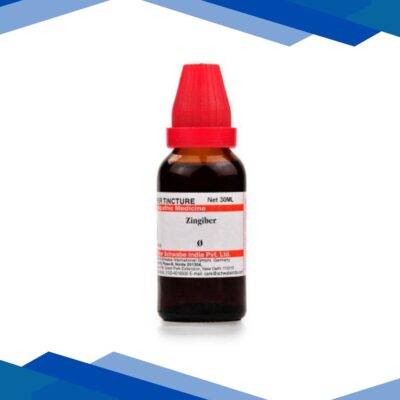
Dr.Willmar Schwabe Zingiber (Zingiber Officinale) Ø Drops 30 ml