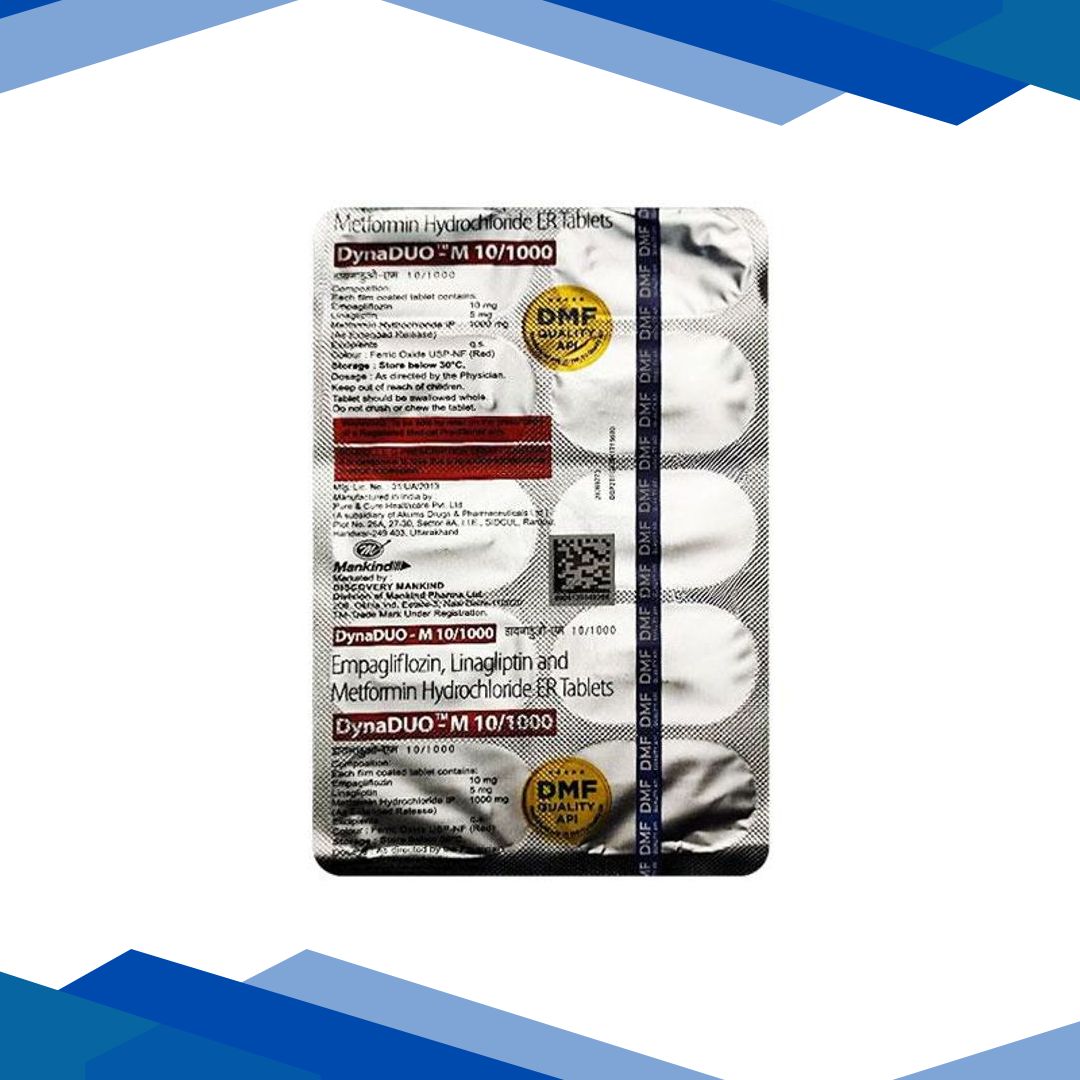
DYNADUO M 10/1000 Tablet 10’s
DYNADUO M 10/1000 Tablet is a combination medicine used mainly in people with diabetes, especially when nerve health support is also needed. Metformin helps lower blood sugar by reducing glucose production in the liver and improving the body’s response to insulin. Benfotiamine is a form of vitamin B1 that may help protect nerves from damage related to high blood sugar and support overall nerve function. Together, this medicine is commonly used to help manage blood sugar levels and to support symptoms linked to diabetic nerve problems, such as tingling, numbness, or burning sensations. It is not a cure for diabetes, but it can be an important part of treatment under medical supervision, along with diet, exercise, and regular monitoring.
Description
DYNADUO M 10/1000 Tablet is a combination medicine commonly used in people who need support for blood sugar control along with nutritional support for nerve health. it brings together two very different but complementary ingredients: metformin, a well-established blood glucose-lowering medicine, and benfotiamine, a fat-soluble form of vitamin b1 that is often used to support nerve function and help address vitamin b1 deficiency. this combination is generally considered in patients with diabetes-related metabolic concerns, especially when nerve symptoms such as burning, tingling, numbness, or discomfort are present.
metformin works mainly by lowering the amount of glucose produced by the liver, improving the body’s response to insulin, and reducing sugar absorption in the intestine. it does not usually cause weight gain and is widely used in type 2 diabetes management. benfotiamine, on the other hand, helps replenish thiamine activity in the body and may support healthy nerve metabolism. in people with diabetes, chronic high blood sugar can contribute to nerve damage over time, and vitamin b1-related support is sometimes included as part of a broader management plan.
this medicine is not a cure for diabetes and does not replace healthy eating, exercise, or regular monitoring of blood sugar. it is usually used as part of a long-term treatment plan directed by a healthcare professional. because it contains metformin, it requires careful use in certain people, especially those with kidney problems, dehydration, severe infections, liver disease, or a history of conditions that increase the risk of lactic acidosis. benfotiamine is generally well tolerated, but the overall suitability of the combination depends on the patient’s medical history, current medicines, and laboratory results.
in simple terms, DYNADUO M 10/1000 Tablet is often chosen when a clinician wants to address both glucose control and nutritional nerve support in one formulation. it may be particularly relevant for adults living with type 2 diabetes and related neuropathic symptoms, but it should only be used under medical guidance. regular follow-up is important so that benefits, side effects, vitamin status, kidney function, and blood glucose control can be monitored appropriately.
ingredients
- benfotiamine: benfotiamine is a fat-soluble derivative of vitamin b1 (thiamine). it is used to support nerve health, especially in people who may have reduced thiamine levels or diabetes-related nerve discomfort. thiamine is essential for energy production in cells and for healthy functioning of nerves, muscles, and the brain. benfotiamine is often valued because it is absorbed differently from regular thiamine and may help improve thiamine availability in the body. it is not a painkiller, but it may support nerve metabolism and help reduce symptoms associated with diabetic neuropathy when used as part of a broader treatment plan.
- metformin: metformin is an oral antidiabetic medicine used to help lower elevated blood sugar in type 2 diabetes. it reduces glucose production by the liver, improves the body’s sensitivity to insulin, and helps decrease glucose absorption from the gut. metformin is one of the most commonly prescribed diabetes medicines because it is effective, generally does not cause weight gain, and has a long history of use. it is not used to treat low blood sugar or type 1 diabetes. its use requires attention to kidney function and other safety factors because rare but serious complications can occur in high-risk situations.
key uses
- type 2 diabetes blood sugar control: metformin helps lower blood glucose levels and is used to improve long-term glycemic control in adults with type 2 diabetes, especially when diet and exercise alone are not enough.
- supportive care in diabetic neuropathy: benfotiamine is often included to support nerve health in people who experience tingling, burning, numbness, or discomfort related to diabetes-associated nerve problems.
- help in vitamin b1-related deficiency states: benfotiamine may help correct or prevent thiamine deficiency, which can occur in certain chronic illnesses, poor nutrition, or increased metabolic demand.
- adjunct therapy in metabolic management: in some patients, the combination may be used as part of a comprehensive diabetes care plan that includes lifestyle modification, monitoring, and other medicines when needed.
how to use
DYNADUO M 10/1000 Tablet should be used exactly as prescribed by a healthcare professional. it is usually taken by mouth with food or shortly after meals to help reduce stomach-related side effects, particularly those caused by metformin. swallow the medicine as directed and do not crush, chew, or break it unless your pharmacist or doctor specifically says it is acceptable for your formulation. the timing and frequency may vary depending on the product strength, your blood sugar control, and how well you tolerate the medicine.
it is important to take this medicine regularly to get the best benefit. blood sugar control medicines work best when taken consistently, along with a diabetes-friendly diet, regular physical activity, and routine monitoring. do not stop the medicine suddenly without speaking to your doctor, even if you feel well, because diabetes symptoms may not always be obvious while blood glucose remains elevated. if you are checking your blood sugar at home, follow the schedule recommended by your healthcare provider.
if you have digestive side effects at the beginning of treatment, they may improve after your body adjusts. taking the medicine with meals, drinking adequate water, and avoiding excessive alcohol may help improve tolerability. if your clinician has advised kidney function tests, vitamin monitoring, or periodic blood tests, attend these appointments on time. always inform your doctor about all other medicines and supplements you use.
safety information
- warnings: metformin can rarely cause lactic acidosis, a serious medical emergency characterized by unusual weakness, severe tiredness, muscle pain, trouble breathing, stomach pain, vomiting, dizziness, or unusual sleepiness. the risk is higher in people with significant kidney disease, dehydration, severe infection, low oxygen states, liver disease, or heavy alcohol use. seek urgent medical attention if these symptoms occur. benfotiamine is generally well tolerated, but the combination should still be used only after considering the patient’s overall medical status.
- side effects: common side effects of metformin include nausea, vomiting, loose stools, abdominal discomfort, gas, bloating, and reduced appetite. these often improve over time or when taken with meals. less common but important side effects may include metallic taste or vitamin b12 reduction with long-term use. benfotiamine is usually associated with mild side effects, if any, but some people may experience nausea, stomach upset, rash, or allergy-like reactions. serious allergic reactions are rare but require immediate care.
- precautions: this medicine may not be suitable for people with severe kidney impairment, metabolic acidosis, significant liver disease, dehydration, alcohol dependence, or acute severe illness. caution is needed in older adults, people with poor oral intake, those undergoing surgery, and people receiving contrast dye for imaging studies. regular monitoring of renal function and glucose levels is important. if you have a history of vitamin b12 deficiency, neuropathy, anemia, or gastrointestinal disease, discuss this with your doctor.
- pregnancy/breastfeeding: metformin is sometimes used during pregnancy when clinically necessary, but the decision must be individualized by a doctor. benfotiamine safety data in pregnancy and breastfeeding are more limited than for standard vitamins, so use should be discussed with a healthcare professional. do not self-medicate during pregnancy or while breastfeeding. a clinician should decide whether the expected benefit outweighs any potential risk.
- interactions: alcohol can increase the risk of lactic acidosis with metformin and should be limited or avoided. certain medicines may affect blood sugar levels or kidney function, including corticosteroids, some diuretics, iodinated contrast agents, some blood pressure medicines, and certain diabetes drugs. other medicines that may interact or require monitoring include cimetidine, some antivirals, and drugs that alter hydration status. tell your doctor about all prescription medicines, over-the-counter products, herbal supplements, and vitamins you use.
additional information
- storage: store the medicine in a cool, dry place away from moisture, heat, and direct sunlight. keep it in its original container, tightly closed, and out of reach of children and pets. do not store it in the bathroom unless the label specifically says it is safe to do so.
- missed dose: if you miss a dose, take it when you remember unless it is almost time for the next dose. if the next dose is near, skip the missed dose and continue your regular schedule. do not take two doses at the same time to make up for a missed dose.
- overdose: taking too much metformin can be dangerous and may cause severe nausea, vomiting, diarrhea, abdominal pain, drowsiness, weakness, rapid breathing, or signs of lactic acidosis. an overdose of benfotiamine is less likely to cause major toxicity, but the overall combination still requires urgent evaluation if too much is taken. if an overdose is suspected, seek emergency medical help immediately or contact poison control right away.
- habit forming: no. DYNADUO M 10/1000 Tablet is not habit forming and does not cause dependence. however, it should still be taken only as directed, because blood sugar control and nerve support depend on regular and appropriate use.
frequently asked questions
Q: what is DYNADUO M 10/1000 Tablet used for?
A: it is commonly used for type 2 diabetes management along with supportive care for diabetes-related nerve symptoms. metformin helps control blood sugar, while benfotiamine supports nerve health and thiamine activity.
Q: can DYNADUO M 10/1000 Tablet cure diabetes?
A: no. it helps manage blood sugar and may support nerve health, but it does not cure diabetes. it works best along with diet, exercise, and regular medical follow-up.
Q: should i take DYNADUO M 10/1000 Tablet with food?
A: it is generally recommended to take metformin-containing medicines with food to reduce stomach upset. follow your doctor’s or pharmacist’s instructions for your specific product.
Q: what are the most common side effects?
A: the most common side effects are stomach-related, such as nausea, diarrhea, gas, abdominal discomfort, and reduced appetite. these effects often improve as the body adjusts.
Q: is DYNADUO M 10/1000 Tablet safe for people with kidney problems?
A: it may not be suitable in significant kidney impairment because metformin can build up and increase the risk of serious side effects. kidney function should be checked before and during treatment as advised by a doctor.
Q: can i drink alcohol while taking this medicine?
A: it is best to avoid heavy alcohol use because alcohol can raise the risk of serious metformin-related complications, including lactic acidosis. ask your doctor what amount, if any, is safe for you.
Q: does benfotiamine help with numbness and tingling?
A: benfotiamine is used to support nerve function and may help with symptoms such as numbness, tingling, or burning that are associated with diabetic neuropathy. results can vary, and it is not an instant pain relief medicine.
Q: can this medicine cause low blood sugar?
A: metformin alone usually does not cause low blood sugar very often, but the risk can be higher if it is combined with other diabetes medicines, if you skip meals, or if you exercise heavily. symptoms of low blood sugar should be recognized promptly.
Q: what should i do if i miss a dose?
A: take it when you remember unless it is almost time for the next dose. if so, skip the missed dose and continue normally. do not double the dose.
Q: is DYNADUO M 10/1000 Tablet used for type 1 diabetes?
A: metformin is not a standard treatment for type 1 diabetes, and this combination is generally intended for type 2 diabetes or related supportive needs. your doctor will determine whether it is appropriate for your condition.
Q: can long-term use affect vitamin levels?
A: long-term metformin use may lower vitamin b12 levels in some people, so monitoring may be recommended. if you have anemia, neuropathy, or fatigue, your doctor may check vitamin status and related blood tests.
Q: how soon will i notice benefits?
A: blood sugar improvement may be seen gradually with regular use, while nerve-related benefits from benfotiamine may also take time. the response varies by person, so follow-up with your healthcare provider is important.
this information is for educational purposes only and should not be considered medical advice. always consult a qualified healthcare professional before use.
At Gem Pharmacy, we make every effort to provide accurate, expert-written, and thoroughly reviewed information related to medicines. However, this information should not be considered a substitute for professional medical advice, diagnosis, or treatment from a qualified doctor.
The purpose of this information is to educate users and improve communication between patients and healthcare professionals. It should not be used to diagnose or treat any condition.
Always consult a certified healthcare professional before taking any medication.


Related products