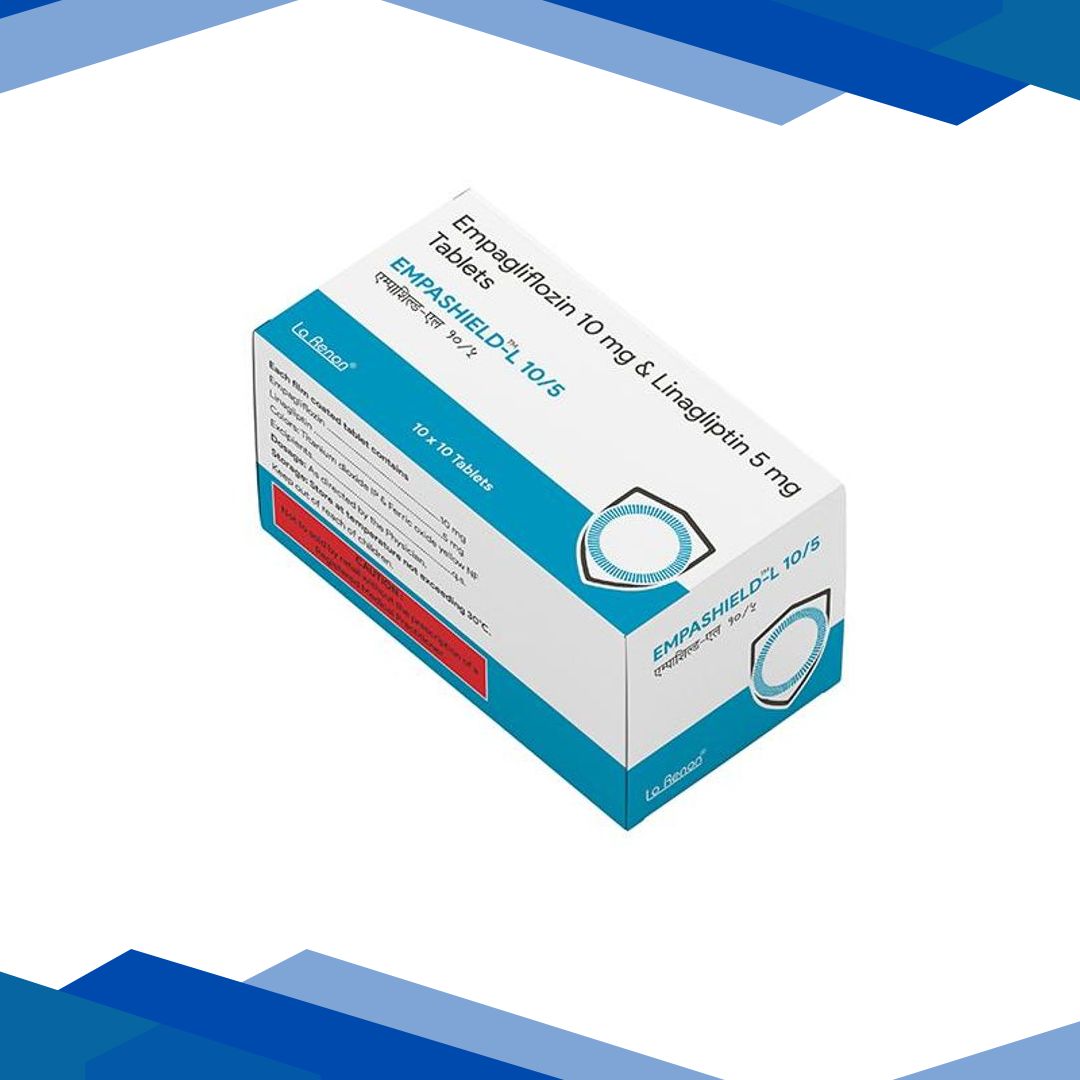
EMPASHIELD L 10/5 Tablet 10’s
EMPASHIELD L 10/5 Tablet is a prescription medicine used to help manage type 2 diabetes in adults. It combines two different diabetes medicines that work in complementary ways to improve blood sugar control. Empagliflozin helps the body remove extra glucose through the urine, while linagliptin helps the body release more insulin after meals and lowers the amount of sugar made by the liver. Together, they can help reduce high blood sugar when used along with a healthy diet and exercise. This medicine is commonly prescribed when one medicine alone does not provide enough control. It is not used to treat type 1 diabetes or diabetic ketoacidosis. A healthcare professional should guide its use to make sure it is safe and appropriate for each person.
Description
EMPASHIELD L 10/5 Tablet is a prescription medicine used to help improve blood sugar control in adults with type 2 diabetes mellitus. it combines two well-established antidiabetic medicines with different but complementary mechanisms of action, which can provide better glucose-lowering effects than either medicine alone when used appropriately. this combination is not intended for type 1 diabetes or for treating diabetic ketoacidosis, and it should be used as part of a broader diabetes management plan that includes diet, physical activity, weight management, and regular blood sugar monitoring.
empagliflozin belongs to a class of medicines known as sodium-glucose co-transporter 2 (sglt2) inhibitors. it works mainly in the kidneys by reducing the reabsorption of glucose back into the bloodstream, allowing excess sugar to be removed through the urine. this lowers blood glucose levels and may also contribute to modest weight reduction and a mild lowering of blood pressure in some patients. linagliptin belongs to the dipeptidyl peptidase-4 (dpp-4) inhibitor class. it works by increasing natural incretin hormones, which help the pancreas release insulin in response to meals and reduce the liver’s production of glucose. because these two medicines act through separate pathways, the combination can be useful when one medicine alone does not provide adequate glucose control.
this medicine is generally prescribed for adults with type 2 diabetes when improved glycemic control is needed. in some patients, it may be chosen because it offers the convenience of a single tablet containing two agents. however, it is important to understand that this medicine does not replace healthy eating, exercise, and routine follow-up. its benefits are maximized when taken consistently and monitored by a healthcare professional, especially in people who have kidney disease, dehydration risk, recurrent infections, or other medical conditions that may affect safety.
although EMPASHIELD L 10/5 Tablet can help lower blood sugar, it is not a cure for diabetes. patients still need regular check-ups, blood glucose monitoring as advised, and assessment of kidney function and overall metabolic health. because the medicine can cause side effects related to increased urine sugar loss and changes in fluid balance, awareness of warning signs is important. anyone using this medicine should know when to seek medical care, especially if symptoms suggest infection, dehydration, severe low blood sugar, or diabetic ketoacidosis.
ingredients
- empagliflozin: a selective sglt2 inhibitor that lowers blood glucose by preventing the kidneys from reabsorbing filtered glucose. by increasing urinary glucose excretion, it helps reduce fasting and post-meal blood sugar levels. it may also cause a mild diuretic effect, which can be helpful in some patients but may increase the risk of dehydration or low blood pressure in susceptible individuals.
- linagliptin: a dpp-4 inhibitor that enhances the body’s own incretin system. it helps increase insulin release after meals and decreases glucagon secretion, thereby reducing glucose production by the liver. linagliptin is known for its glucose-dependent action, meaning it generally has a lower risk of causing hypoglycemia when used alone compared with some other diabetes medicines.
- inactive ingredients: the exact tablet excipients vary by manufacturer and are used to support tablet stability, swallowing, and absorption. these components do not provide the therapeutic effect but may be relevant for patients with allergies, intolerances, or special dietary restrictions.
key uses
- type 2 diabetes mellitus: this medicine is used to improve blood sugar control in adults whose glucose levels are not adequately managed by diet, exercise, and/or another antidiabetic medicine.
- combination therapy when single-agent treatment is not enough: it may be used when a clinician wants to target two different pathways of glucose regulation to improve overall glycemic control.
- convenience of dual therapy in one tablet: for some patients, a fixed-dose combination can simplify treatment routines and improve adherence compared with taking two separate medicines.
- support for broader diabetes management: when used correctly, it can help reduce average blood glucose and support overall diabetes care, but it must be combined with lifestyle measures and monitoring.
how to use
EMPASHIELD L 10/5 Tablet should be taken exactly as prescribed by a qualified healthcare professional. it is generally taken once daily, with or without food, depending on the specific product instructions and the patient’s treatment plan. many people find it easiest to take it at the same time every day to help maintain consistent blood levels and establish a routine. swallow the tablet whole with water unless the product label or your doctor advises otherwise. do not crush, split, or chew the tablet unless specifically instructed, as this may affect how the medicine is taken or tolerated.
the medicine is most effective when used alongside a diabetes-friendly diet, regular exercise, and monitoring of blood glucose. patients may need periodic blood tests to check kidney function, electrolyte balance, and longer-term glucose control such as hba1c. if you are sick, unable to eat or drink normally, or experiencing vomiting, diarrhea, or dehydration, contact a healthcare professional promptly because medicines that affect glucose and fluid balance may need temporary reassessment. do not stop the medicine on your own unless instructed by your doctor.
safety information
- warnings: this medicine can increase glucose in the urine, which may raise the risk of genital fungal infections and urinary tract infections. it may also cause dehydration, dizziness, or low blood pressure, especially in older adults, people taking diuretics, or those with reduced fluid intake. in rare cases, sglt2 inhibitors may be associated with diabetic ketoacidosis even when blood sugar is not extremely high; warning signs include nausea, vomiting, abdominal pain, rapid breathing, unusual fatigue, and confusion. seek urgent medical care if these occur.
- side effects: common side effects may include increased urination, thirst, nasal congestion, sore throat, mild gastrointestinal discomfort, urinary tract infection, and genital itching or irritation. serious side effects can include severe dehydration, kidney function changes, low blood pressure, severe urinary infections, allergic reactions, and symptoms of ketoacidosis. hypoglycemia is more likely when this medicine is combined with insulin or medicines that stimulate insulin release.
- precautions: use caution in people with kidney disease, recurrent urinary or genital infections, a history of pancreatitis, low blood pressure, or those at risk of dehydration. it may not be suitable for patients with significant renal impairment depending on the clinical situation and local prescribing guidance. older adults may be more sensitive to fluid-related side effects and should be monitored carefully. inform your doctor about all medical conditions before starting treatment.
- pregnancy/breastfeeding: this medicine is generally not recommended during pregnancy unless specifically advised by a clinician after weighing risks and benefits. good blood sugar control is important in pregnancy, but the safety of this combination is limited, so alternative treatments are often preferred. it is also not generally recommended during breastfeeding without medical advice, as the safety profile for the infant may not be fully established.
- interactions: insulin and insulin secretagogues such as sulfonylureas may increase the risk of low blood sugar when used together with this medicine. diuretics can increase dehydration risk, and medications affecting kidney function may require caution. alcohol can worsen dehydration and may complicate blood sugar control, so use should be discussed with a healthcare professional. always tell your clinician about prescription medicines, over-the-counter drugs, herbal products, and supplements before starting therapy.
additional information
- storage: store at room temperature in a dry place away from excess heat, moisture, and direct sunlight. keep the tablets in their original container if possible and out of reach of children and pets.
- missed dose: if a dose is missed, take it as soon as you remember unless it is almost time for the next dose. if it is close to the next scheduled dose, skip the missed one and continue with the regular schedule. do not take two doses at once to make up for a missed dose.
- overdose: taking too much may increase the risk of dehydration, dizziness, low blood pressure, abnormal blood sugar levels, stomach upset, or other adverse effects. if an overdose is suspected, seek urgent medical help or contact a poison control center immediately, especially if there are symptoms such as confusion, fainting, difficulty breathing, or severe weakness.
- habit forming: no. EMPASHIELD L 10/5 Tablet is not known to cause dependence or habit formation. however, it should be used regularly as prescribed because stopping it abruptly may worsen blood sugar control.
frequently asked questions
Q: what is EMPASHIELD L 10/5 Tablet used for?
A: it is used to improve blood sugar control in adults with type 2 diabetes, usually when one medicine alone is not enough or when a two-in-one tablet is preferred for convenience.
Q: how does EMPASHIELD L 10/5 Tablet work?
A: it combines empagliflozin, which helps the kidneys remove extra sugar through urine, and linagliptin, which helps the body release insulin more effectively after meals and reduce glucose production.
Q: can this medicine cause low blood sugar?
A: low blood sugar is less common when used alone, but the risk increases if it is taken with insulin or certain other diabetes medicines. symptoms may include sweating, shakiness, hunger, dizziness, and confusion.
Q: does this medicine help with weight loss?
A: some people may notice modest weight reduction, mainly because empagliflozin causes the body to lose glucose in the urine. however, it is not primarily a weight-loss medicine and results vary from person to person.
Q: can i take EMPASHIELD L 10/5 Tablet with food?
A: yes, it is generally taken with or without food, but follow the instructions given by your doctor or the product label for the specific brand you are using.
Q: what side effects should i watch for?
A: common side effects include increased urination, thirst, and urinary or genital infections. seek medical help for severe dehydration, persistent vomiting, abdominal pain, trouble breathing, or signs of an allergic reaction.
Q: is this medicine safe for kidney disease?
A: it may not be appropriate for certain levels of kidney impairment, and kidney function should be assessed before and during treatment. your doctor will decide whether it is suitable based on your renal health and overall condition.
Q: can i stop the medicine if my blood sugar improves?
A: do not stop it on your own. diabetes medicines should only be changed or stopped under medical supervision, because blood sugar can rise again if treatment is discontinued.
Q: will i need blood tests while taking this medicine?
A: yes, monitoring is usually recommended. your healthcare professional may check blood sugar control, kidney function, and other relevant parameters to make sure the medicine remains safe and effective.
Q: what should i do if i feel very thirsty or weak?
A: these symptoms may suggest dehydration or another issue related to the medicine or your diabetes. drink fluids if allowed, check your blood sugar if possible, and contact a healthcare professional if symptoms are severe or persistent.
this information is for educational purposes only and should not be considered medical advice. always consult a qualified healthcare professional before use.
At Gem Pharmacy, we make every effort to provide accurate, expert-written, and thoroughly reviewed information related to medicines. However, this information should not be considered a substitute for professional medical advice, diagnosis, or treatment from a qualified doctor.
The purpose of this information is to educate users and improve communication between patients and healthcare professionals. It should not be used to diagnose or treat any condition.
Always consult a certified healthcare professional before taking any medication.


Related products

Glyxambi 25/5mg Tablet 10’S
EMPAONE L 10/5 Tablet 10’s