
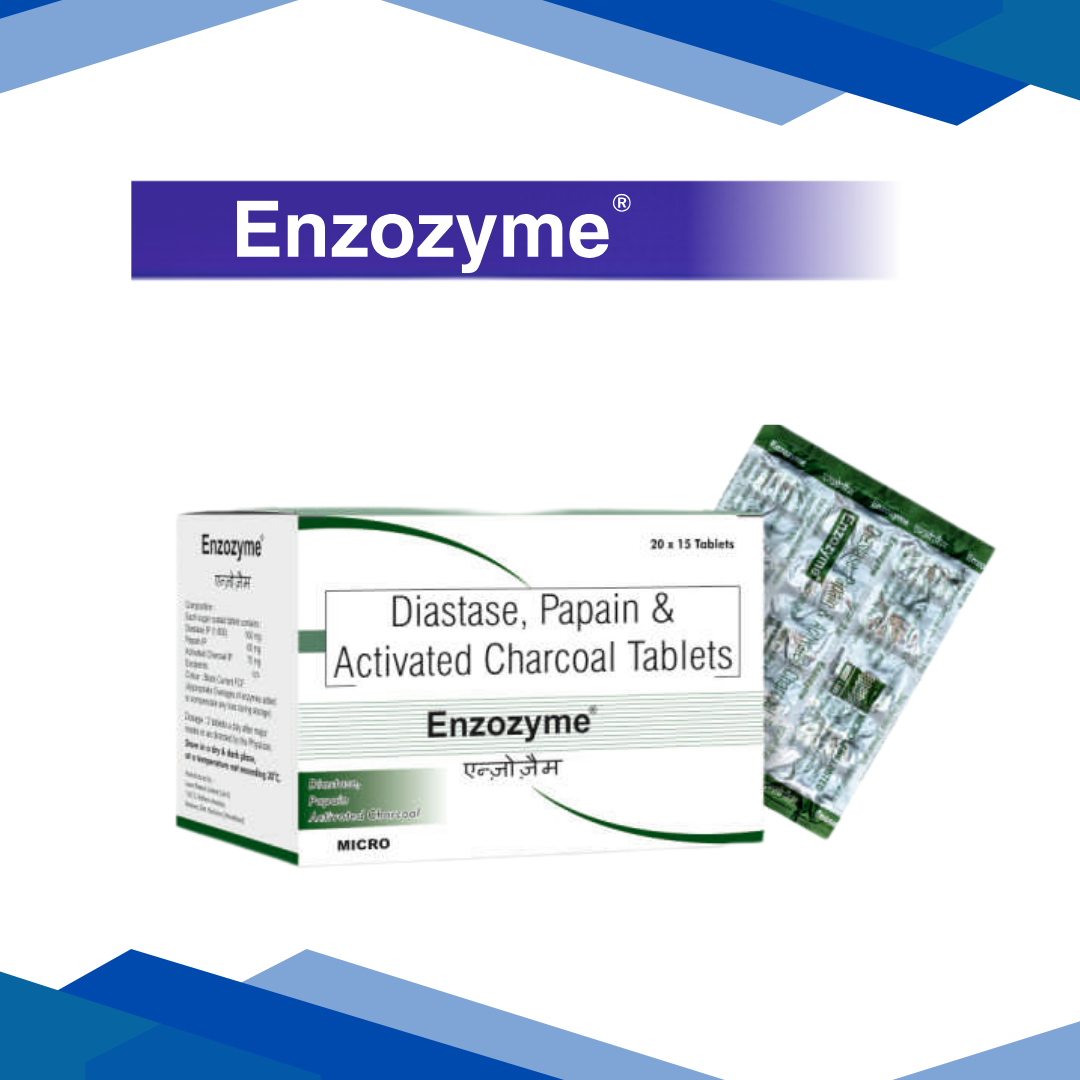
Enzozyme
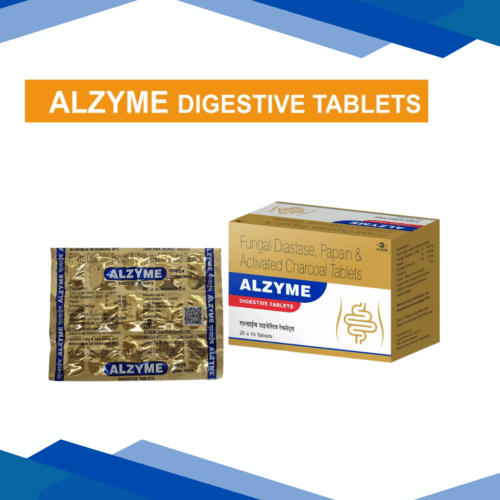
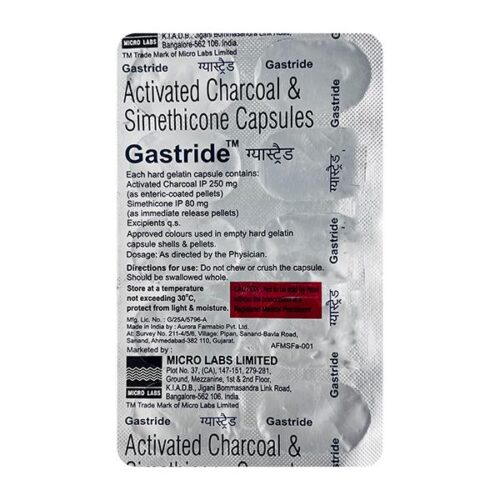
This combination is used to treat indigestion, bloating, gas, and fullness by improving digestion and absorbing excess gas and toxins from the digestive tract.For more details kindly click on Medicine Salts below:
Activated Charcoal
Activated Charcoal (Food Grade)
Activated Charcoal is highly processed carbon with small or negligible sized pores created, by design, to increase surface area in order to allow for the adsorption process. Different from regular charcoal, medicinal-grade crosses an activation process whereby it must be heated at high temperatures after allowing activation agent entrance. This process creates this mass internal tunnel-network of "traps" interceding by binding onto these toxins and chemicals in the gut, thereby preventing their absorption into the bloodstream. It is a classic treatment in emergency toxicology and a well-known remedy for acute colitis.
Therapeutic Uses & Benefits
Emergency Treatment for External Decontamination: Helps trap, before they enter the systemic circulation, toxic substances entering the gut from drugs and specific oral poisoning.
Antiflatulent: Reduces bloating by binding excessive gas in digestive tract.
Cholesterol: Some trials have proposed that charcoal can bind to bile acids and cholesterol in the gut, thus reducing the levels of bad cholesterol (LDL).
Kidney: It may help in the removal of undigested toxins and urea, especially useful in case of chronic kidney disease.
Water: Special filters intended to eliminate heavy metals as well as fluoride from drinking water.
The Product Details
Form(s): It is marketed as Cap, Tab, and Pow.
Only Active Ingredient: X USP/IP grade Activated Carbon.
Action: Adsorbent (remember, not absorbent).
Trade Names: Charcoal 250 mg, Gastone, Carbactive.
How to Use
Gas/Bloating: Dose 500 to 1000 mg of charcoal at least an hour before a meal that causes them with a glass of water.
Emergencies: Must be given with close medical supervision. Dosages must be calculated according to the patient's weight. For adults, a dose typically ranges from 25 g to 100 g.
Hydration: Remember to drink lots of water along with your charcoal to prevent constipation.
Safety Information
Drug Interactions: Activated charcoal "catches" things so effectively that regular medications may not be absorbed into your body. Take charcoal either two hours before or after other medications.
Black Stool: The black color of the stools when taking this medication is entirely normal and is no cause for worry.
Absolute Contraindications: This should not be used when there is a bowel obstruction, a case of sluggish motility within the gut, or when the ingestion of something highly corrosive had taken place, such as lye or strong acid.
Frequently Asked Questions
Q: Can activated charcoal alleviate alcohol hangovers?
Activated charcoal is provided as a cure-all for the hangover, however, it does not actually work to absorb alcohol (ethanol); consequently, if an alcohol hangover is a concern, activated charcoal can actually benefit in removing other toxins obtained when the ethanol is consumed with those other substances aggravating stomach issues.
Q: It is said that this "Activated Carbon" is the very same as the coal we use for grilling.
No, never consume charcoal used for cooking purposes for it has toxic additives and chemicals. Hence, only products labelled as "Medicinal Grade" or "Activated Charcoal USP" are to be used.
Q: Its reaction with contraceptive pills?
Yes, activated charcoal is an adsorbent, and it can bind with the hormones in contraceptive pills, thus making them ineffective. Therefore, in case you are taking charcoal, always use an alternative birth control method at this time.
Q: Can I use it for teeth whitening?
Indeed, one could use charcoal tooth powder as a method for lifting surface stains, as many people resort to using it—but the powder is also abrasive. Using more than necessary might disintegrate tooth enamel. So, always see a dentist before using it in place of a regular dental product.
Q: How long does it actually stay in your system?
Activated charcoal is never absorbed by your body. It stays inside the digestive tract for a certain unspecified period of time, and it will walk out through the back door of your anus, while carrying various toxins along the way.
Expert Storing Tips
Keep it in a tightly closed container in a dry area. Activated charcoal is very efficient in alleviating moisture and odors from the air, which in case it might lose some of its medicinal powers when left exposed.
Disclaimer: The information presented is for educational purposes. If there is any suspected poisoning or overdose incident, immediately contact an emergency service or poison control center.
Diastase
Fungal Diastase
Digestive Enzyme / Nutritional Supplement
Aristozyme, Digeplex, Vitazyme.
Oral Liquid (Syrup), Capsules, Tablets
Highlights
Diastase, also known as Fungal Diastase, is a very potent digestive enzyme that helps the body break down complex carbohydrates and starches into simpler sugars. The enzyme is normally derived from Aspergillus oryzae and acts effectively to reduce indigestion and gastric distress. It is commonly prescribed along with Pepsin to provide a dual-action digestive support for both protein and carbohydrate digestion.
Specific Benefits and Uses
Indigestion: This preparation helps relieve a feeling of heaviness in the stomach, flatulence, and bloating after meals.
Starches: Through hydrolysis facilitated by diastase, starch is converted into maltose, thereby reducing the workload on the pancreas.
Disease Support: Often recommended for patients with functional dyspepsia or individuals recovering from chronic illness where digestive function may be weak.
Appetite Enhancement: By improving gastric digestion, diastase helps restore natural appetite in both children and adults.
Dosing Diastase
Dosage: Adults usually require 5–10 ml (1–2 teaspoons) twice daily, or as prescribed by a doctor.
Timing: Diastase should be taken immediately after meals for maximum effectiveness. Taking it without food may reduce its digestive action.
Consistency: The medicine should be taken at the same time every day to help maintain consistent digestive support.
Safety Precautions and Interactions
Allergenic: Do not use if you are allergic to fungal diastase or any inactive ingredients in the syrup. Always consult your physician if you suspect an allergy.
Chronic Diseases: Individuals with pancreatitis, diabetes (due to sugar content in the syrup), or persistent abdominal pain should consult a doctor before using.
Side Effects: Some individuals may experience mild nausea, diarrhea, or stomach cramps. If symptoms persist or worsen, medical advice should be sought.
Pregnancy/Nursing: Medical consultation is recommended before using this product during pregnancy or breastfeeding.
Frequently Asked Questions (FAQs)
1. What exactly is Diastase?
Diastase refers to a group of enzymes that break down starch into maltose. In pharmacology, it is widely used as a digestive aid to help digest heavy or starch-rich meals.
2. Can Diastase cure chronic acidity?
Diastase may help relieve indigestion and bloating associated with acidity, but it does not treat GERD (acid reflux). It works by improving digestion rather than suppressing stomach acid.
3. Is Fungal Diastase safe for kids?
Yes, it is often prescribed in lower doses for children, especially for loss of appetite or digestive discomfort. A pediatrician should determine the correct dose based on the child’s age and weight.
4. Can Diastase be taken with other medications?
Generally yes, but it is recommended to avoid taking it simultaneously with certain antacids, as they may interfere with enzyme activity. Always inform your doctor about all medications you are currently taking.
5. How should I store the syrup?
Store the product in a cool, dry place away from direct sunlight. Do not freeze the bottle and ensure the cap is tightly closed after each use to prevent contamination.
Papain
Papain is a proteolytic enzyme extracted from the fruit of the papaya plant (Carica papaya). It is widely used as a digestive aid, helping break down complex proteins into simpler peptides and amino acids. Clinically, it is also recognized for its role in wound healing and as a potent anti-inflammatory agent.
Benefits to Primary Health
Optimizes the Digestion: Helps reduce bloating by breaking down high-protein meals efficiently.
Prevents Bloating and Gas: Limits fermentation in the stomach, thereby reducing gas formation.
Anti-Inflammatory: Helps reduce swelling and pain, especially after dental procedures or minor injuries.
Immune Support: Acts as a potent antioxidant, combating oxidative stress.
Sore Throat Relief: Lozenges may help reduce redness and swelling of the throat and pharynx.
Usage of Papain
For Digestion: Most effective when taken during or immediately after meals.
Dosage: Typically available in 100 to 500 mg capsules or chewable tablets. Always follow package instructions or your nutritionist’s advice.
Administration: Chewable tablets should be fully chewed or dissolved before swallowing for maximum enzyme activity in the mouth and throat.
Safety Precautions & Warnings
Allergy Alert: Individuals allergic to latex may experience cross-reactivity with papain (also linked with kiwi or figs). Discontinue use if rash or itching occurs.
Pregnancy & Breastfeeding: Generally not recommended during pregnancy, as enzymes from unripe papaya may trigger uterine contractions.
Surgical Precaution: Stop use at least 2 weeks before surgery or dental procedures due to its mild blood-thinning effect.
Drug Interaction: Consult a doctor before combining with blood thinners like Warfarin, as it may increase bruising risk.
Potential Side Effects
Papain is generally well-tolerated, but some users may experience:
- Mild stomach cramps
- Temporary diarrhea (especially at high doses)
- Throat irritation (with strong lozenges)
Frequently Asked Questions (FAQs)
Q: Can I mix the labels for Papain and Bromelain?
A: Both are proteolytic enzymes, but differ in source and function. Papain (from papaya) is more focused on protein digestion, while Bromelain (from pineapple) is often used for joint inflammation.
Q: Will taking Papain with water make me thin?
A: Papain is not a fat burner, but it may improve digestion and reduce bloating, which can contribute to a flatter abdomen.
Q: So will Morphin affect Papain in some way?
A: Some proteolytic enzymes may enhance the absorption of certain medications. It’s best to space doses or consult your healthcare provider.
Q: Can I get enough Papain from merely having the ripe papaya fruit?
A: Ripe papaya is beneficial, but higher concentrations of papain are found in unripe (green) papaya latex. Supplements provide a more standardized dose.
Q: Is it safe for daily use?
A: Generally safe for healthy adults when used as directed. For chronic conditions, cyclic use under professional guidance is recommended.
At Gem Pharmacy, we make every effort to provide accurate, expert-written, and thoroughly reviewed information related to medicines. However, this information should not be considered a substitute for professional medical advice, diagnosis, or treatment from a qualified doctor.
The purpose of this information is to educate users and improve communication between patients and healthcare professionals. It should not be used to diagnose or treat any condition.
Always consult a certified healthcare professional before taking any medication.


Related products
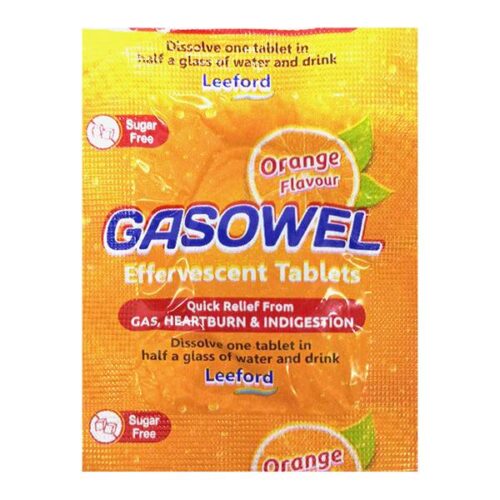
GASOWEL SUGAR FREE ORANGE FLAVOUR Effervescent Tablet 2’s

PEPFIZ TASTY ORANGE FLAVOUR Effervescent Tablet 2’s