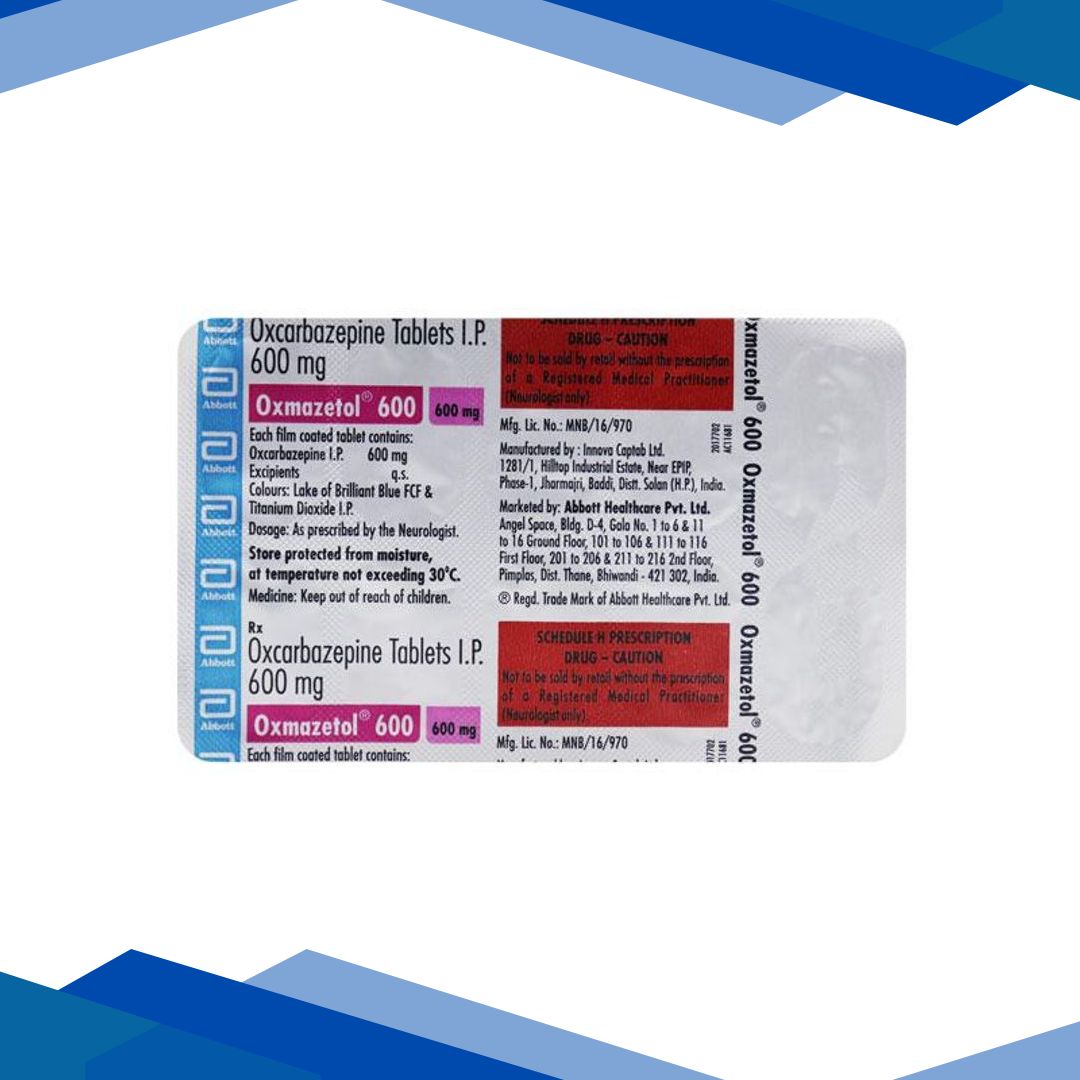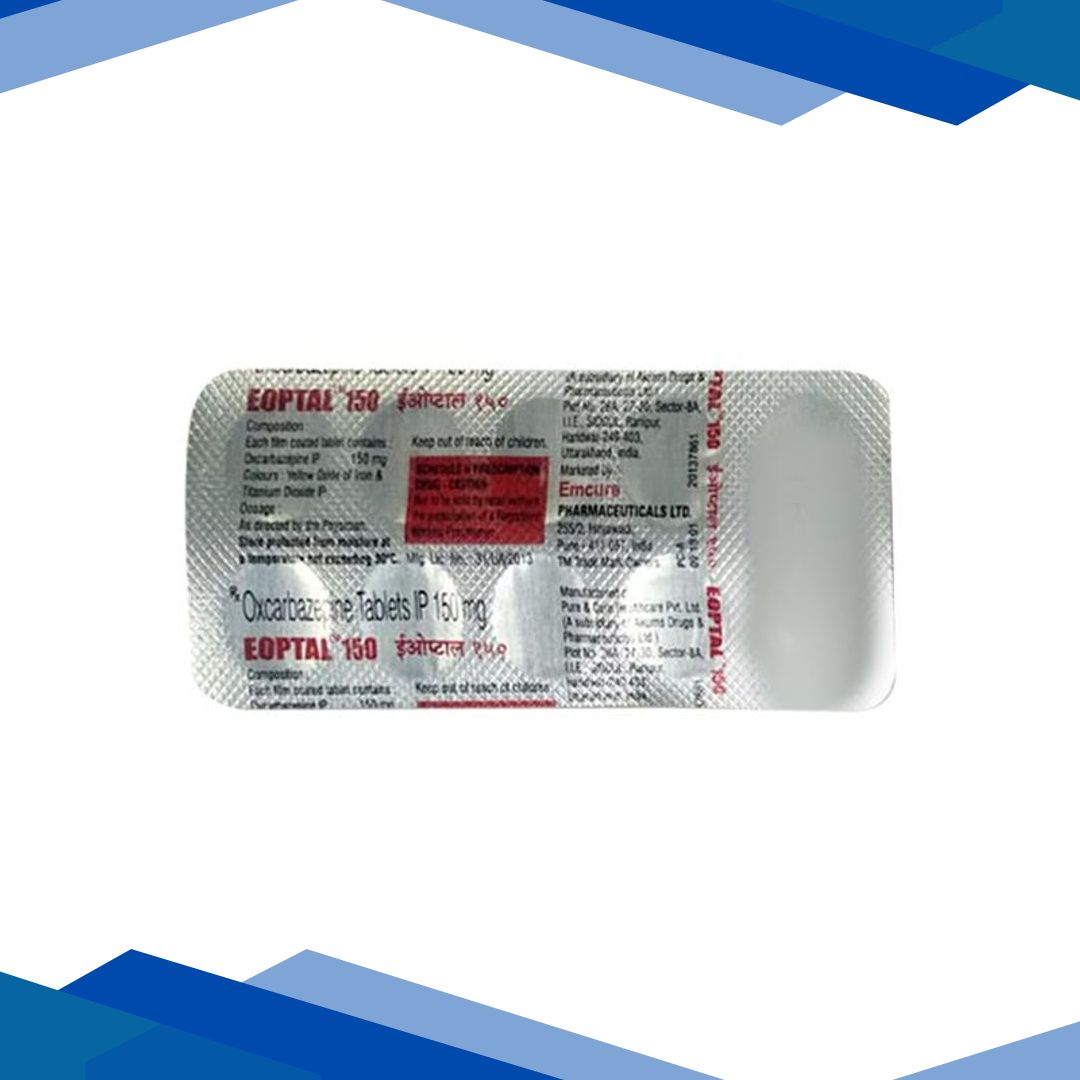
EOPTAL 150 Tablet 10’s
❌ Due to high demand, this product is currently out of stock. New stock will be available shortly.
👉 Click here to Buy Same Salt medicine
EOPTAL 150 Tablet is a prescription medicine used to help control seizures in people with epilepsy. It works by calming overactive electrical signals in the brain, which helps reduce how often seizures happen and how severe they may be. This medicine is mainly used to treat partial-onset seizures in adults and children, and it may be used alone or along with other anti-seizure medicines, depending on the patient’s condition. EOPTAL 150 Tablet does not cure epilepsy, but it can be an effective part of long-term seizure management when used under medical supervision. Because it affects the brain and nervous system, it should be taken exactly as prescribed by a doctor. Common monitoring may be needed to make sure it is working safely and effectively.
Description
EOPTAL 150 Tablet is a prescription medicine used mainly to help control certain types of seizures in people with epilepsy. it belongs to a class of medicines called antiepileptic or anticonvulsant agents. its primary role is to reduce abnormal electrical activity in the brain, which helps lower the chance of seizure episodes and may improve day-to-day functioning in people living with seizure disorders. it is commonly used when a healthcare professional determines that seizure control is needed and the medicine is appropriate for the person’s age, health status, and seizure type.
EOPTAL 150 Tablet works by stabilizing overactive nerve signals in the brain. it does this by affecting sodium channels, which are important pathways involved in nerve transmission. by limiting the repetitive firing of nerve cells, the medicine helps prevent the spread of seizure activity. this calming effect on electrical activity is what makes it useful in the management of epilepsy. it does not cure epilepsy, but it can be an important long-term treatment option to reduce seizure frequency and severity.
this medicine is usually prescribed for partial-onset seizures, which are seizures that begin in one area of the brain. in some patients, it may be used alone, while in others it may be combined with additional antiseizure medicines for better control. because seizure disorders can differ greatly from person to person, the exact treatment plan should always be individualized. EOPTAL 150 Tablet should only be used under the guidance of a qualified healthcare professional, since correct selection, monitoring, and dose adjustment are important for safe use.
although the medicine is generally well tolerated, it can cause side effects and requires careful monitoring in some people. certain individuals may be more sensitive to changes in sodium levels, skin reactions, mood changes, or interactions with other medicines. for that reason, patients and caregivers should understand both the benefits and the risks before using it. proper adherence to the prescribed schedule is essential because skipping doses or stopping suddenly can increase the risk of seizures.
ingredients
- EOPTAL 150 Tablet: this is the active medicinal ingredient responsible for controlling seizures. it works by reducing excessive electrical activity in the brain and helping stabilize nerve impulses. its main benefit is seizure reduction in people with epilepsy, especially those with partial-onset seizures.
- tablet or suspension base/excipients: depending on the formulation, the product may contain inactive ingredients such as fillers, binders, sweeteners, flavoring agents, preservatives, coloring agents, or coating materials. these do not treat seizures directly, but they help with product stability, taste, absorption, and ease of administration.
- vehicle or carrier system: in liquid formulations, a liquid base is used to evenly distribute the medicine. this helps ensure consistent dosing and makes the product easier to swallow for children or adults who cannot take tablets comfortably.
key uses
- partial-onset seizures: EOPTAL 150 Tablet is commonly used to help control seizures that start in one part of the brain. it can reduce how often these seizures occur and may lessen their intensity.
- adjunct treatment for epilepsy: in some patients, it is added to other antiseizure medicines when a single drug does not provide enough control. combining treatments may improve seizure management under medical supervision.
- monotherapy in selected patients: for certain individuals, healthcare professionals may use EOPTAL 150 Tablet alone as the main treatment for seizure control, depending on the clinical situation and response to therapy.
how to use
EOPTAL 150 Tablet should be taken exactly as directed by a healthcare professional. it is usually taken by mouth and may be prescribed once or twice daily depending on the formulation and the treatment plan. it can often be taken with or without food, but taking it consistently the same way each day may help improve routine and reduce stomach discomfort in some patients. the medicine should be swallowed as directed; if a liquid form is used, it should be measured carefully with an appropriate measuring device rather than a household spoon.
consistency is very important with EOPTAL 150 Tablet. taking it at the same times each day helps maintain steady medicine levels in the body, which is important for seizure prevention. if the medicine causes dizziness or drowsiness, caution should be used when driving, operating machinery, or performing tasks that require alertness until the individual knows how it affects them. people should not stop taking it suddenly without medical advice, because abrupt discontinuation can worsen seizures or trigger frequent seizure episodes.
if a person has trouble swallowing tablets, experiences side effects, or feels the medicine is not working well, they should speak with their prescriber rather than changing the regimen on their own. monitoring may be recommended during treatment, especially if there are symptoms such as unusual tiredness, confusion, swelling, rash, mood changes, or signs of low sodium. regular follow-up helps the healthcare team decide whether dose adjustments or additional tests are needed.
safety information
- warnings: EOPTAL 150 Tablet can cause serious skin reactions, including rare but potentially life-threatening conditions. any rash, blistering, peeling skin, mouth sores, fever, or facial swelling should be reported urgently. it may also lower sodium levels in the blood, which can lead to headache, confusion, nausea, weakness, or seizures in severe cases. people with a history of allergic reactions to similar medicines should discuss this carefully with their healthcare professional.
- side effects: common side effects may include dizziness, sleepiness, tiredness, headache, nausea, vomiting, double vision, blurred vision, unsteady walking, and abdominal discomfort. more serious side effects can include severe rash, allergic reaction, low sodium, abnormal mood or behavior changes, worsening seizures, liver-related problems, or blood-related abnormalities. any unusual or severe symptom should be evaluated promptly.
- precautions: extra caution is needed in people with kidney problems, a history of low sodium, liver disease, depression, suicidal thoughts, or previous severe medication reactions. older adults may be more sensitive to dizziness and sodium changes. children may require close supervision and careful dose adjustments. anyone with a known sensitivity to this medicine or related seizure medicines should tell their prescriber before starting treatment.
- pregnancy/breastfeeding: EOPTAL 150 Tablet should be used during pregnancy only when clearly needed and when the potential benefit outweighs possible risks. seizure control during pregnancy is important, but exposure to antiseizure medicines may carry risks, so treatment must be carefully supervised. if breastfeeding, a healthcare professional should be consulted, as the medicine may pass into breast milk and monitoring of the infant may be needed.
- interactions: EOPTAL 150 Tablet may interact with other antiseizure medicines, hormonal contraceptives, sedatives, alcohol, and certain prescription or nonprescription products. alcohol can increase dizziness, drowsiness, and coordination problems. because some interactions may reduce contraceptive effectiveness or alter seizure control, patients should provide a full medication list, including supplements and herbal products, to their healthcare professional.
additional information
- storage: store EOPTAL 150 Tablet at room temperature in a dry place, away from excess heat, moisture, and direct sunlight. keep it in its original container with the lid tightly closed. keep all medicines out of reach of children and pets.
- missed dose: if a dose is missed, it should generally be taken as soon as remembered unless it is almost time for the next dose. if the next dose is near, skip the missed dose and return to the regular schedule. do not double up doses unless instructed by a healthcare professional.
- overdose: taking too much EOPTAL 150 Tablet may cause severe dizziness, sleepiness, agitation, confusion, poor coordination, slowed breathing, fainting, or seizure worsening. in case of suspected overdose, seek emergency medical help or contact a poison control center immediately.
- habit forming: no, EOPTAL 150 Tablet is not considered habit forming in the way addictive medicines are. however, it should not be stopped suddenly because the body may react with increased seizure activity. any change should be done gradually under medical supervision.
frequently asked questions
Q: what is EOPTAL 150 Tablet used for?
A: EOPTAL 150 Tablet is mainly used to help control partial-onset seizures in people with epilepsy. it reduces abnormal electrical activity in the brain and may be used alone or with other antiseizure medicines depending on the treatment plan.
Q: how long does EOPTAL 150 Tablet take to work?
A: some people may notice improvement gradually after starting treatment, but the full benefit can take time because the dose is often adjusted carefully. seizure control depends on the condition being treated, adherence to the schedule, and individual response.
Q: can i stop EOPTAL 150 Tablet suddenly if i feel better?
A: no. stopping suddenly can increase the risk of seizures or cause seizures to return more strongly. any dose reduction or discontinuation should be done only under the guidance of a healthcare professional.
Q: does EOPTAL 150 Tablet cause drowsiness?
A: yes, drowsiness and dizziness are common side effects, especially when starting treatment or after a dose change. until you know how the medicine affects you, use caution with driving or activities that require alertness.
Q: can EOPTAL 150 Tablet affect sodium levels?
A: yes. one important safety concern is low sodium in the blood, which may cause headache, nausea, confusion, weakness, or more severe symptoms in some cases. your healthcare professional may monitor for this if needed.
Q: is EOPTAL 150 Tablet safe during pregnancy?
A: it may be used during pregnancy only when clearly needed and under close medical supervision. the decision depends on seizure control needs and possible risks, so a healthcare professional should guide treatment during pregnancy.
Q: can i drink alcohol while taking EOPTAL 150 Tablet?
A: alcohol is generally not recommended because it can worsen dizziness, drowsiness, and coordination problems, and may interfere with seizure control. it is best to discuss alcohol use with your healthcare professional.
Q: what should i do if i develop a rash?
A: a rash should be taken seriously because EOPTAL 150 Tablet can rarely cause severe skin reactions. contact a healthcare professional promptly, and seek urgent care if the rash is widespread, blistering, peeling, or accompanied by fever or mouth sores.
Q: can EOPTAL 150 Tablet be taken with other seizure medicines?
A: yes, it may be used with other antiseizure medicines in some cases. however, combinations should be carefully supervised because interactions can affect efficacy and side effects.
Q: who should be extra careful before using EOPTAL 150 Tablet?
A: people with kidney disease, liver problems, low sodium, a history of severe medication reactions, mood disorders, or previous allergic reactions to related medicines should discuss risks carefully with their healthcare professional before starting therapy.
this information is for educational purposes only and should not be considered medical advice. always consult a qualified healthcare professional before use.
At Gem Pharmacy, we make every effort to provide accurate, expert-written, and thoroughly reviewed information related to medicines. However, this information should not be considered a substitute for professional medical advice, diagnosis, or treatment from a qualified doctor.
The purpose of this information is to educate users and improve communication between patients and healthcare professionals. It should not be used to diagnose or treat any condition.
Always consult a certified healthcare professional before taking any medication.


Related products
Oxetol XR 450mg Tablet 10’S
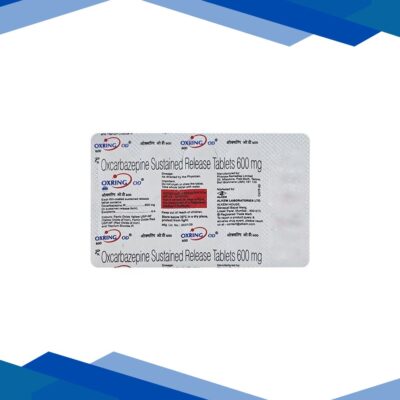
Oxring OD 600mg Tablet 10’S