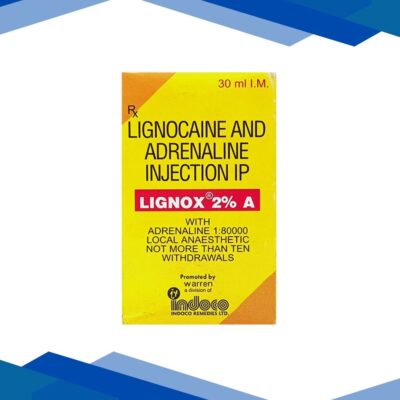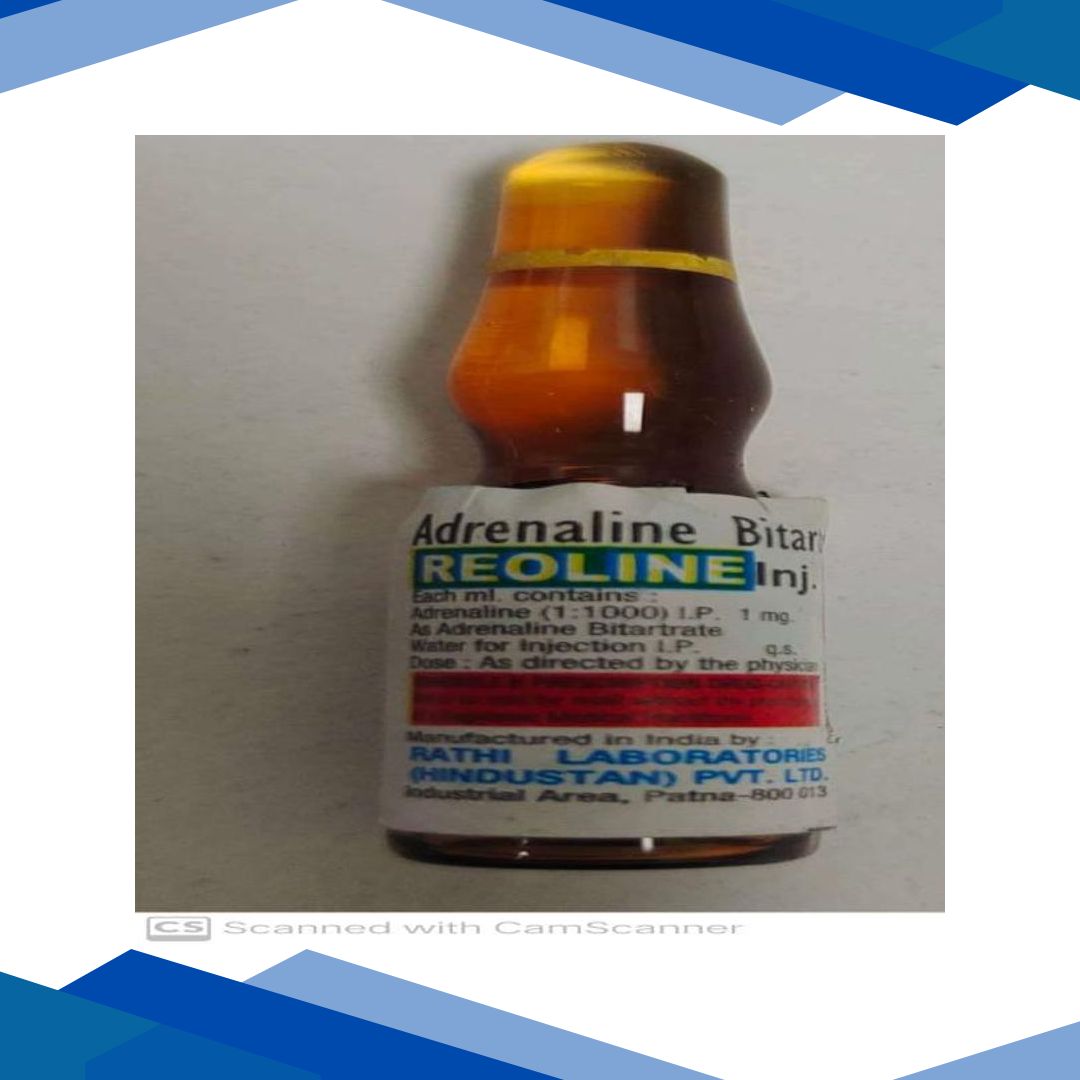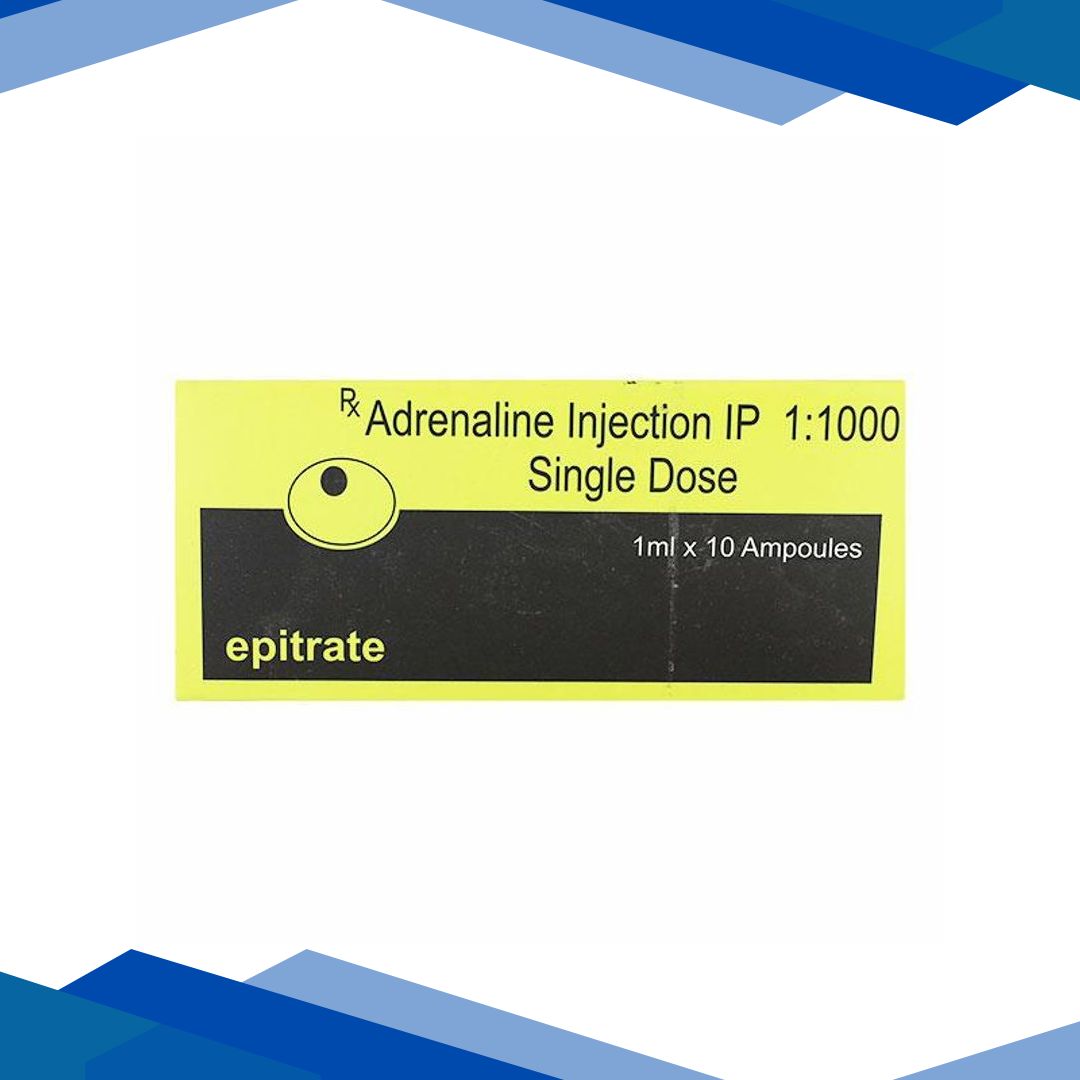
Epitrate Injection 1ml
Epitrate Injection is a fast-acting medicine used in emergency situations to quickly reverse severe allergic reactions and other life-threatening problems. It works by stimulating the body’s fight-or-flight response, which helps open the airways, tighten blood vessels, and support blood pressure and heart function. This can improve breathing, reduce swelling, and restore circulation when every second matters. Epitrate Injection is commonly used for anaphylaxis, severe asthma attacks, cardiac arrest, and certain situations where rapid heart and vessel support is needed. Because it acts very quickly and can have strong effects on the heart and blood pressure, it should only be used under proper medical supervision. It is an essential emergency medicine that can be life-saving when given appropriately.
Description
Epitrate Injection is a fast-acting emergency medicine used to reverse life-threatening allergic reactions and to support the body during certain medical emergencies where the heart, blood vessels, or airways need immediate help. it is a naturally occurring hormone and neurotransmitter in the body, and when used as a medicine it can rapidly increase blood pressure, improve heart function, open the airways, and reduce swelling in the throat and air passages. because it works within minutes in many situations, it is widely recognized as a critical rescue treatment in emergency care.
this medicine acts on specific receptors in the body known as adrenergic receptors. by stimulating these receptors, Epitrate Injection tightens blood vessels, which helps raise blood pressure and reduce severe swelling. it also relaxes the muscles around the airways, making breathing easier during serious allergic reactions or asthma-related emergencies. at the same time, it increases the strength and speed of the heartbeat, which can be helpful in cardiac emergencies where circulation needs support. these effects are powerful and can be life-saving when used appropriately by trained individuals or under medical supervision.
Epitrate Injection is most commonly associated with emergency treatment of anaphylaxis, a severe allergic reaction that can happen after exposure to foods, insect stings, medicines, or other triggers. it may also be used in other urgent medical situations, including certain types of cardiac arrest, severe asthma attacks, and some cases of low blood pressure or shock in clinical settings. because it is a high-alert medicine with potentially serious effects if misused, it should be handled exactly as directed by healthcare professionals. patients and caregivers who are prescribed or trained to use it should understand when it is needed, how to recognize symptoms that require immediate action, and when emergency medical help must be called without delay.
in practical terms, Epitrate Injection is not a medicine for routine symptom relief or long-term control. it is a rescue treatment designed for emergencies. its use is guided by the severity of the condition, the response of the patient, and the availability of emergency support. anyone prescribed Epitrate Injection should receive clear instructions from a clinician on how and when to use it, since rapid treatment can make a major difference in outcomes during serious allergic or cardiovascular events.
ingredients
- Epitrate Injection: the active medicine responsible for the therapeutic effect. it works by stimulating alpha and beta adrenergic receptors, which helps tighten blood vessels, improve blood flow to vital organs, open the airways, and support heart activity during emergencies.
- inactive ingredients: depending on the product formulation, the medicine may contain additional stabilizing or preservative components that help maintain potency and shelf life. these ingredients do not provide the therapeutic effect but are important for product safety and proper storage.
- delivery components: some Epitrate Injection products are supplied in prefilled devices, ampoules, or vials depending on their intended use. the delivery system helps ensure the correct administration in emergency settings and may vary by brand or country.
key uses
- anaphylaxis: Epitrate Injection is the first-line treatment for severe allergic reactions, especially when there is difficulty breathing, swelling of the throat, wheezing, dizziness, or a drop in blood pressure. it helps rapidly reverse airway narrowing and circulatory collapse.
- severe bronchospasm or asthma emergency: in selected emergency situations, it may be used to help relax tightened airway muscles when breathing becomes dangerously difficult and other measures are not enough or not available.
- cardiac arrest support: in resuscitation settings, Epitrate Injection may be used by trained medical professionals to help stimulate the heart and improve the chance of restoring circulation during cardiac arrest.
- shock or severe low blood pressure: in hospital and critical care settings, it can help raise blood pressure and maintain organ perfusion when a patient is in severe shock.
- adjunct in certain emergency procedures: it may be used in some clinical situations to reduce bleeding by constricting blood vessels or to prolong the effect of local anesthetics, depending on medical judgment and formulation.
how to use
Epitrate Injection should be used exactly as instructed by a healthcare professional, because the correct route and method depend on the emergency and the specific product formulation. in allergic emergencies, it is commonly given as an injection into the outer thigh using a prefilled device or another approved delivery form. the medicine is intended for rapid use at the first sign of a severe allergic reaction, especially if breathing problems, throat swelling, faintness, or widespread hives are present. after using it, emergency medical help should be sought immediately, since symptoms can return or worsen even after initial improvement.
if Epitrate Injection is prescribed for personal emergency use, the patient and caregivers should be trained to recognize the signs of anaphylaxis and to use the device promptly. it should never be delayed while waiting to see if symptoms improve on their own. for hospital use, administration is performed by trained professionals who monitor heart rate, blood pressure, breathing, and response to treatment. because Epitrate Injection acts quickly and can have strong effects on the heart and circulation, it should not be used casually or without proper instruction. follow the product-specific directions provided by the prescriber or emergency protocol, and always check the device or solution before use to ensure it is not expired, damaged, or discolored.
safety information
- warnings: Epitrate Injection is an emergency medicine and should be used with caution because it can cause sudden increases in blood pressure, rapid heartbeat, palpitations, anxiety, and tremors. incorrect use can be dangerous, especially in people with heart disease, high blood pressure, or certain rhythm problems. even when symptoms improve after use, emergency care is still necessary because a second allergic wave can occur.
- side effects: common side effects may include shakiness, nervousness, headache, dizziness, sweating, paleness, nausea, and a racing heartbeat. more serious side effects can include severe hypertension, abnormal heart rhythms, chest pain, breathing difficulty that worsens, stroke-like symptoms, or severe injection-site reactions. any chest pain, collapse, or persistent shortness of breath after use requires urgent medical attention.
- precautions: use extra caution in people with heart disease, coronary artery disease, high blood pressure, diabetes, glaucoma, hyperthyroidism, parkinson’s disease, or a history of arrhythmias. it may also require special medical consideration in older adults and in patients taking multiple heart or psychiatric medicines. people with severe allergies should be trained in emergency recognition and carry the medicine if prescribed.
- pregnancy/breastfeeding: Epitrate Injection may be used during pregnancy if the benefits outweigh the risks, especially in life-threatening allergic reactions where delaying treatment can be far more dangerous than the medicine itself. it should only be used when clearly needed and under medical guidance. in breastfeeding, occasional emergency use is generally considered less concerning than untreated anaphylaxis, but a healthcare professional should still be consulted whenever possible.
- interactions: Epitrate Injection may interact with certain medicines, including some beta-blockers, tricyclic antidepressants, monoamine oxidase inhibitors, inhaled anesthetics, and stimulant medicines. these interactions can increase the risk of blood pressure changes or heart rhythm problems. alcohol is not a direct interaction in most emergency settings, but intoxication may cloud symptom recognition and delay treatment. always inform the healthcare provider about all medicines, supplements, and medical conditions.
additional information
- storage: store Epitrate Injection according to the product label and pharmacist instructions, typically in a cool place away from direct light, heat, and moisture. do not freeze unless the specific product instructions allow it. keep the medicine in its original packaging and check expiration dates regularly. if the solution becomes cloudy, discolored, or contains particles, it should not be used.
- missed dose: Epitrate Injection is usually not taken on a scheduled routine basis for most emergency uses. if it is prescribed as a rescue medicine and a dose is missed in a non-emergency context, follow the prescriber’s instructions. in an emergency such as anaphylaxis, do not wait for a “missed dose” schedule—use it immediately if indicated and seek emergency help.
- overdose: overdose can cause severe pounding heartbeat, extreme anxiety, headache, chest pain, dangerous blood pressure elevation, irregular heart rhythms, tremors, and in serious cases heart attack or stroke. if too much Epitrate Injection is used or if it is accidentally injected incorrectly, emergency medical attention is needed right away. call emergency services or go to the nearest emergency department immediately.
- habit forming: no. Epitrate Injection is not habit forming and does not cause dependence. it is used as a short-term emergency treatment rather than a medication for long-term routine use.
frequently asked questions
this information is for educational purposes only and should not be considered medical advice. always consult a qualified healthcare professional before use.
At Gem Pharmacy, we make every effort to provide accurate, expert-written, and thoroughly reviewed information related to medicines. However, this information should not be considered a substitute for professional medical advice, diagnosis, or treatment from a qualified doctor.
The purpose of this information is to educate users and improve communication between patients and healthcare professionals. It should not be used to diagnose or treat any condition.
Always consult a certified healthcare professional before taking any medication.


Related products