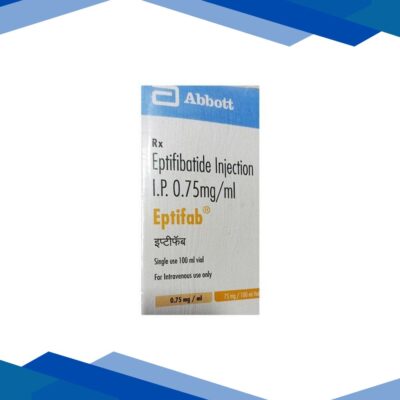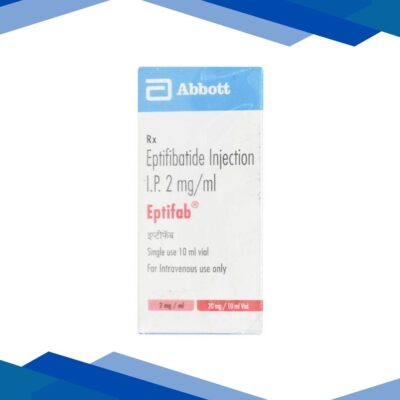
Eptibind 20mg Injection 10ml
❌ Due to high demand, this product is currently out of stock. New stock will be available shortly.
👉 Click here to Buy Same Salt medicine
Eptibind 20mg Injection is an antiplatelet medicine used to help prevent blood clots from forming in the arteries of the heart. It works by blocking a protein on platelets called glycoprotein IIb/IIIa, which reduces the ability of platelets to stick together and form clots. This action helps improve blood flow and lowers the risk of serious heart-related events in certain people with acute coronary syndromes, such as unstable angina or heart attack, and in those undergoing procedures like angioplasty. Eptibind 20mg Injection is given under medical supervision because it can increase the risk of bleeding. It is used in hospital settings where careful monitoring is available, making it an important treatment for selected patients at high risk of clot-related complications.
Description
Eptibind 20mg Injection is a potent antiplatelet medicine used in hospital settings to help prevent dangerous blood clots from forming in the arteries of the heart. it belongs to a class of medicines known as glycoprotein iib/iiia inhibitors, which work by reducing the ability of platelets to stick together. platelets are small blood cells that normally help stop bleeding, but in certain heart conditions they can clump excessively and form a clot that blocks blood flow, leading to a heart attack or worsening chest pain. by lowering platelet aggregation, Eptibind 20mg Injection helps keep the blood flowing more freely through narrowed or unstable coronary arteries.
this medicine is generally used in acute cardiovascular care, especially in patients with unstable angina or non-st-segment elevation acute coronary syndromes, and in some cases around percutaneous coronary intervention, a procedure used to open blocked heart arteries. it is not a medicine for long-term self-use at home, and it is typically given under close medical supervision in a hospital because of its strong effect on clotting. since it interferes with platelet function, Eptibind 20mg Injection can reduce the risk of clot-related complications, but it can also increase the risk of bleeding, which is why careful monitoring is essential.
the effect of Eptibind 20mg Injection begins quickly after administration and is useful when doctors need rapid, short-term platelet inhibition. it does not dissolve existing clots directly; instead, it helps prevent new clots from forming and existing unstable clots from growing. the medicine is often combined with other therapies such as aspirin, heparin, or other standard cardiac treatments, depending on the patient’s condition and the treatment plan. because the balance between clot prevention and bleeding risk is delicate, the decision to use Eptibind 20mg Injection is made only by trained healthcare professionals after assessing the patient’s heart condition, bleeding risk, kidney function, and overall clinical status.
ingredients
- Eptibind 20mg Injection: the active ingredient in the medicine. it is a platelet aggregation inhibitor that blocks the glycoprotein iib/iiia receptor on platelets. this prevents fibrinogen from binding to platelets, which reduces platelet clumping and lowers the risk of arterial clot formation in high-risk cardiac situations.
- inactive ingredients: depending on the formulation, Eptibind 20mg Injection injections may contain additional non-active components that help stabilize the solution, maintain proper ph, and keep the product suitable for intravenous use. these may vary by manufacturer and are not intended to produce the therapeutic effect.
- water for injection or compatible diluents: in injectable forms, sterile water or a compatible intravenous solution is used as the vehicle for administration. these components assist with safe delivery into the bloodstream but do not treat the condition themselves.
key uses
- unstable angina: used in patients with chest pain caused by reduced blood flow to the heart when the condition is unstable and there is a risk of clot-related cardiac events.
- non-st-segment elevation acute coronary syndromes: helps reduce the likelihood of heart attack or worsening ischemic events in certain acute coronary conditions where platelets play a major role in clot formation.
- during percutaneous coronary intervention: may be given around procedures such as angioplasty or stent placement to reduce the risk of clot formation in the treated coronary artery.
- prevention of procedure-related clot complications: supports blood flow and lowers the chance of thrombotic blockage during high-risk interventional cardiac procedures.
how to use
Eptibind 20mg Injection is administered only by healthcare professionals, usually in a hospital or cardiac catheterization setting, and it is given intravenously. it is not a medicine that patients typically inject or take on their own. the exact dosing, rate of infusion, and length of treatment depend on the patient’s diagnosis, weight, kidney function, bleeding risk, and whether the medicine is being used before, during, or after a coronary procedure. nurses and doctors monitor the patient closely throughout treatment, checking blood pressure, heart status, and signs of bleeding.
before giving Eptibind 20mg Injection, the care team typically reviews the patient’s medical history, recent surgeries, current medicines, kidney function, and blood counts. during treatment, patients may need repeated blood tests to monitor platelet levels and other markers of safety. because this medicine can increase bleeding risk, any unusual bruising, bleeding from gums, nosebleeds, blood in urine or stool, or sudden weakness should be reported immediately. patients should follow all hospital instructions carefully and should not leave the supervised care setting without approval from their healthcare team.
safety information
- warnings: Eptibind 20mg Injection can cause serious bleeding, including internal bleeding, gastrointestinal bleeding, bleeding at injection sites, or bleeding in the brain in rare cases. it should be used cautiously in patients with recent surgery, active bleeding, a history of bleeding disorders, severe uncontrolled hypertension, or severe kidney impairment. because it affects platelet function, even minor injuries may bleed longer than usual.
- side effects: common side effects may include headache, mild bleeding, nausea, low blood pressure, and injection site reactions. more serious side effects can include major bleeding, severe drops in platelet count, allergic reactions, chest pain worsening, and rare but life-threatening hemorrhage. any sudden back pain, weakness, confusion, trouble speaking, or black stools should be treated as urgent.
- precautions: extra caution is needed in older adults, people with kidney disease, low body weight, recent trauma, recent stroke, recent major surgery, active peptic ulcer disease, or a history of bleeding problems. patients receiving other blood thinners, antiplatelet agents, or thrombolytic medicines require close monitoring because the bleeding risk may be significantly higher.
- pregnancy/breastfeeding: safety data in pregnancy are limited, so Eptibind 20mg Injection should be used only when the potential benefit clearly outweighs the risk. it is not known whether it passes into breast milk in meaningful amounts, so breastfeeding decisions should be made with a healthcare professional after weighing maternal need and infant safety.
- interactions: Eptibind 20mg Injection may interact with aspirin, heparin, clopidogrel, prasugrel, ticagrelor, warfarin, direct oral anticoagulants, thrombolytic agents, and nonsteroidal anti-inflammatory drugs, all of which can increase bleeding risk. alcohol can also raise the risk of stomach irritation and bleeding, so it should be avoided or restricted according to medical advice. always inform the medical team about all prescription medicines, over-the-counter products, and herbal supplements.
additional information
- storage: store as directed by the manufacturer, usually in a controlled room-temperature environment away from excessive heat, moisture, and light. injectable products should be kept in their original packaging until use and should never be frozen unless specifically stated by the product labeling.
- missed dose: since Eptibind 20mg Injection is administered in a supervised clinical setting, missed doses are uncommon. if a scheduled infusion or dose is delayed, the healthcare team will decide the appropriate timing and whether treatment should be resumed or adjusted.
- overdose: an overdose may lead to excessive bleeding, marked blood pressure changes, or abnormal laboratory results such as very low platelet counts. if overdose is suspected, emergency medical care is required immediately, and treatment may involve stopping the medicine and providing supportive measures, including blood products or other interventions as needed.
- habit forming: no. Eptibind 20mg Injection is not habit forming and does not cause dependence or addiction. it is used for a short-term medical purpose under close supervision.
frequently asked questions
Q: what is Eptibind 20mg Injection used for?
A: Eptibind 20mg Injection is used in hospital care to help prevent blood clots in patients with unstable angina, certain acute coronary syndromes, and during some coronary procedures such as angioplasty or stent placement. it lowers the chance of platelet clumping, which can reduce the risk of heart-related complications.
Q: is Eptibind 20mg Injection a blood thinner?
A: Eptibind 20mg Injection is commonly described as a blood thinner, but more precisely it is an antiplatelet medicine. it works by stopping platelets from sticking together, which helps prevent artery-clogging clots.
Q: can Eptibind 20mg Injection be taken at home?
A: no, Eptibind 20mg Injection is usually given in a hospital or specialized cardiac setting by healthcare professionals. it requires close monitoring because it can cause significant bleeding.
Q: what are the most important risks of Eptibind 20mg Injection?
A: the biggest risk is bleeding, which can range from mild bruising to serious internal bleeding. patients are also monitored for low platelet counts and other complications during treatment.
Q: does Eptibind 20mg Injection dissolve clots?
A: no, Eptibind 20mg Injection does not directly dissolve clots. it helps prevent new clots from forming and keeps existing platelet-rich clots from growing larger.
Q: how quickly does Eptibind 20mg Injection work?
A: Eptibind 20mg Injection acts quickly after intravenous administration, which is why it is useful in urgent heart-care situations where rapid platelet inhibition is needed.
Q: can Eptibind 20mg Injection be used with aspirin?
A: yes, it is often used with aspirin as part of a broader cardiac treatment plan, but the combination can increase bleeding risk and must be managed by a healthcare professional.
Q: who should avoid Eptibind 20mg Injection?
A: people with active bleeding, a history of major bleeding problems, severe uncontrolled hypertension, very low platelet counts, or recent major surgery may not be good candidates. kidney function and overall bleeding risk must also be considered.
Q: what signs of bleeding should be reported immediately?
A: report unusual bruising, prolonged bleeding from cuts, blood in urine or stool, vomiting blood, severe headache, dizziness, weakness, or sudden changes in speech or vision right away.
Q: is kidney function important for Eptibind 20mg Injection?
A: yes. kidney function is important because the medicine may require careful adjustment and monitoring in patients with reduced renal function to lower the risk of bleeding and drug accumulation.
Q: can Eptibind 20mg Injection cause low platelet count?
A: yes, low platelet count can occur and is one of the serious safety concerns that healthcare professionals monitor for during treatment.
Q: is Eptibind 20mg Injection used for long-term prevention?
A: no, it is generally used short term in acute settings. long-term prevention of clotting usually relies on other medicines chosen by the treating doctor.
Q: can i drink alcohol while receiving Eptibind 20mg Injection?
A: alcohol can increase bleeding risk and may irritate the stomach, so it is generally best avoided unless your healthcare professional says otherwise.
Q: does Eptibind 20mg Injection affect blood pressure?
A: it can sometimes contribute to low blood pressure, so vital signs are monitored closely while the medicine is being given.
Q: what should i tell my doctor before receiving Eptibind 20mg Injection?
A: tell your doctor about any bleeding history, recent surgery or injury, kidney disease, stomach ulcers, stroke history, and all medicines or supplements you use, especially blood thinners and antiplatelet drugs.
this information is for educational purposes only and should not be considered medical advice. always consult a qualified healthcare professional before use.
At Gem Pharmacy, we make every effort to provide accurate, expert-written, and thoroughly reviewed information related to medicines. However, this information should not be considered a substitute for professional medical advice, diagnosis, or treatment from a qualified doctor.
The purpose of this information is to educate users and improve communication between patients and healthcare professionals. It should not be used to diagnose or treat any condition.
Always consult a certified healthcare professional before taking any medication.


Related products