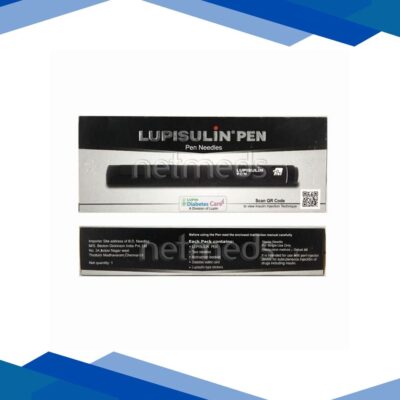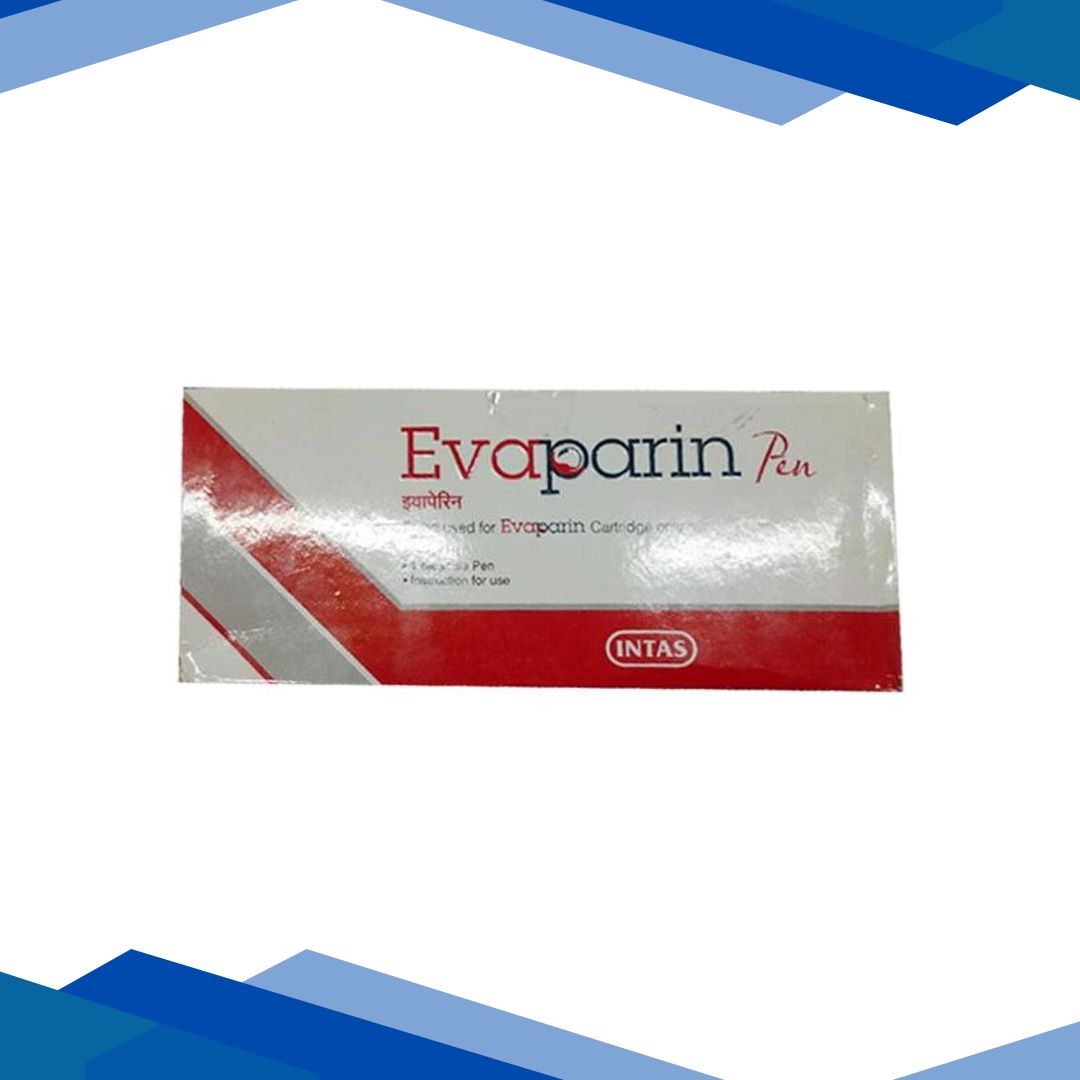
EVAPARIN Pen 1’s
EVAPARIN Pen is an anticoagulant medicine, often called a blood thinner, that helps prevent harmful blood clots from forming or getting bigger. It works by slowing down certain clotting proteins in the blood, which helps keep blood flowing more smoothly and lowers the risk of clot-related problems. EVAPARIN Pen is commonly used to prevent deep vein thrombosis and pulmonary embolism, especially after surgery or during periods of reduced movement. It is also used in the treatment of existing blood clots and in some patients with heart-related conditions to reduce the risk of serious complications. Because it affects blood clotting, it should be used under medical supervision. This medicine does not dissolve clots already present, but it helps stop them from worsening and supports the body’s natural healing process.
Description
EVAPARIN Pen is an anticoagulant medicine, commonly known as a “blood thinner,” used to help prevent and treat blood clots. it does not actually make the blood thinner in the literal sense; instead, it slows down the body’s clotting process so that harmful clots are less likely to form or grow. this makes EVAPARIN Pen especially important in situations where the risk of clotting is high, such as after surgery, during periods of prolonged bed rest, in certain heart conditions, or when a person already has a clot in the veins or lungs.
EVAPARIN Pen belongs to a class of medicines called low molecular weight heparins. these medicines work by enhancing the activity of a natural protein in the body called antithrombin, which helps block clotting factors involved in the formation of fibrin, the mesh-like substance that stabilizes blood clots. by reducing the activity of clotting factor xa, and to a lesser extent factor iia, EVAPARIN Pen helps prevent clots from becoming dangerous or spreading. because of this action, it is widely used in hospital and outpatient settings for prevention and treatment of venous thromboembolism.
this medicine is often prescribed for adults who are at risk of deep vein thrombosis and pulmonary embolism, and in some cases it is used in people with acute coronary syndromes such as unstable chest pain or certain types of heart attack. it may also be used in patients undergoing surgery or those who have limited mobility. in select situations, healthcare professionals may use EVAPARIN Pen in other clot-related conditions based on the patient’s medical history, risk factors, and overall condition.
EVAPARIN Pen is typically given by injection under the skin, and in some cases by a healthcare professional in a clinical setting. because it affects clotting, it requires careful use and monitoring, especially in people with kidney problems, bleeding disorders, a history of ulcers, or those taking other medicines that increase bleeding risk. it is an effective and commonly used medicine, but it must be used exactly as directed to reduce the risk of serious bleeding or clotting complications.
ingredients
- EVAPARIN Pen: this is the active medicinal ingredient. it is the part of the product responsible for its anticoagulant effect. EVAPARIN Pen works by reducing the ability of the blood to form clots, helping prevent dangerous clot formation in the veins, lungs, and heart-related conditions.
- inactive ingredients: depending on the manufacturer and presentation, the product may contain additional non-medicinal ingredients that help maintain stability, sterility, ph balance, and proper formulation for injection. these inactive components do not treat the condition but support safe delivery and storage of the medicine.
key uses
- prevention of deep vein thrombosis: EVAPARIN Pen is often used to help prevent clots in the deep veins, especially after surgery or during periods of reduced mobility. this helps lower the risk that a clot will break off and travel to the lungs.
- treatment of deep vein thrombosis: it may be used when a clot has already formed in the leg or another deep vein, helping prevent the clot from enlarging and reducing the chance of complications.
- prevention and treatment of pulmonary embolism: EVAPARIN Pen can help manage clots that have reached the lungs or prevent them from forming in high-risk patients. pulmonary embolism can be life-threatening, so timely anticoagulation is important.
- use in acute coronary syndromes: in certain heart-related emergencies, EVAPARIN Pen may be used to reduce clot formation in the arteries of the heart. this can help lower the risk of worsening chest pain or heart attack progression.
- clot prevention in hospitalized patients: patients who are confined to bed, recovering from illness, or unable to move normally may receive EVAPARIN Pen to reduce the risk of hospital-associated clotting.
- other medically directed uses: in some patients, doctors may use EVAPARIN Pen in special situations such as clot prevention during certain medical procedures or in patients with a history of clotting disorders, depending on individual risk assessment.
how to use
EVAPARIN Pen is usually administered as an injection under the skin, commonly into the fatty tissue of the abdomen, although a healthcare professional may also provide it in a medical setting when appropriate. it should be used exactly as prescribed, because the timing and frequency depend on the condition being treated, the patient’s clotting risk, kidney function, and other medical factors. it is important not to change the schedule or stop the medicine on your own, since doing so can increase the risk of a dangerous clot.
if a patient is taught to self-inject, the injection technique should be followed carefully to reduce discomfort and minimize bruising. the skin is usually cleaned before injection, and the medication should be injected into a different site each time when possible. patients should not rub the injection area after administration because this can increase bruising. because EVAPARIN Pen can cause bleeding, users should be aware of signs such as unusual bruising, bleeding gums, nosebleeds, blood in urine, or black stools and report them promptly to a healthcare professional.
EVAPARIN Pen should only be used under medical guidance, especially in people with kidney disease, low body weight, a history of bleeding, or those taking other medicines that affect clotting. some patients may require blood tests or monitoring depending on their condition. if there is any confusion about injection technique, timing, missed doses, or whether it is safe to use with another medicine, a pharmacist or physician should be consulted before use.
safety information
- warnings: EVAPARIN Pen increases the risk of bleeding, which can sometimes be serious or life-threatening. extra caution is needed in patients with a history of stomach ulcers, recent surgery, bleeding disorders, high blood pressure that is not well controlled, kidney impairment, or spinal/epidural procedures. spinal or epidural blood clots can rarely occur and may cause severe complications, including nerve damage or paralysis, especially if the medicine is used around the time of spinal anesthesia or puncture.
- side effects: common side effects may include mild pain, redness, swelling, or bruising at the injection site, as well as mild bleeding or increased tendency to bruise. serious side effects can include major bleeding, blood in the stool or urine, severe headache, dizziness, weakness, vomiting blood, sudden back pain, numbness, reduced movement, or signs of spinal bleeding. rarely, it may also cause a drop in platelet count, which can paradoxically increase the risk of clotting in some cases.
- precautions: use caution in people with kidney disease, liver disease, low body weight, bleeding disorders, peptic ulcer disease, uncontrolled hypertension, a history of stroke caused by bleeding, or recent surgery. it may not be suitable for people who have had an allergic reaction to EVAPARIN Pen or related heparin-type medicines. tell the healthcare provider about all medical conditions before starting treatment.
- pregnancy/breastfeeding: EVAPARIN Pen is commonly considered one of the preferred anticoagulants in pregnancy when anticoagulation is needed, because it does not routinely cross the placenta in significant amounts. however, its use must still be supervised by a clinician. during breastfeeding, it is generally considered compatible in many cases because it is unlikely to be absorbed by the infant’s digestive tract, but medical advice is still important before use.
- interactions: EVAPARIN Pen may interact with other medicines that increase bleeding risk, including aspirin, clopidogrel, other antiplatelet agents, nsaids such as ibuprofen or naproxen, warfarin, direct oral anticoagulants, and certain herbal products like ginkgo, garlic, or high-dose fish oil. alcohol can also raise the risk of stomach irritation and bleeding, especially when combined with anticoagulants. always inform the prescriber about all prescription medicines, over-the-counter products, and supplements.
additional information
- storage: store EVAPARIN Pen as directed on the product label, usually at controlled room temperature and away from excessive heat, moisture, and direct light. do not freeze the medicine. keep it in its original packaging and out of reach of children. if the solution appears discolored, cloudy, or contains particles, it should not be used unless a pharmacist confirms it is acceptable.
- missed dose: if a dose is missed, the patient should follow the instructions provided by the healthcare professional or pharmacist. in many cases, the missed dose should be taken as soon as remembered unless it is close to the time of the next scheduled dose. do not double doses unless specifically instructed, because doing so may increase bleeding risk.
- overdose: an overdose of EVAPARIN Pen can cause serious bleeding, including internal bleeding that may not be immediately visible. symptoms may include extensive bruising, weakness, fainting, blood in stool or urine, vomiting blood, or uncontrolled bleeding from minor cuts. if overdose is suspected, seek urgent medical help immediately. emergency treatment may be needed, and careful medical assessment is essential.
- habit forming: no, EVAPARIN Pen is not habit forming. it does not cause addiction or dependence. however, it must be used consistently and exactly as directed because stopping it too early or using it incorrectly can increase the risk of blood clots.
frequently asked questions
Q: what is EVAPARIN Pen used for?
A: EVAPARIN Pen is used to prevent and treat blood clots, including deep vein thrombosis and pulmonary embolism, and it may also be used in certain heart-related conditions and during hospital stays when clot risk is higher.
Q: how does EVAPARIN Pen work in the body?
A: it works by reducing the activity of clotting factors, especially factor xa, which slows down the formation and growth of blood clots.
Q: is EVAPARIN Pen the same as a blood thinner?
A: yes, it is commonly called a blood thinner, although it does not truly thin the blood. it helps prevent clot formation by interfering with the clotting process.
Q: can EVAPARIN Pen cause bleeding?
A: yes, bleeding is one of the most important risks. minor bruising can happen, but serious bleeding can also occur and needs immediate medical attention.
Q: how is EVAPARIN Pen usually given?
A: it is usually given by injection under the skin, often in the abdomen, according to the instructions of a healthcare professional.
Q: can i stop EVAPARIN Pen once i feel better?
A: do not stop it on your own. stopping anticoagulation early can increase the chance of a clot returning or worsening.
Q: what are the common side effects of EVAPARIN Pen?
A: common side effects include bruising, mild pain, redness, or swelling at the injection site, and minor bleeding such as nosebleeds or gum bleeding.
Q: what serious warning signs should i watch for?
A: seek urgent medical care for heavy bleeding, black stools, blood in urine, vomiting blood, severe headache, sudden weakness, or unusual back pain after injection use.
Q: can EVAPARIN Pen be used during pregnancy?
A: it may be used during pregnancy when clearly needed and prescribed by a healthcare professional, as it is often preferred for anticoagulation in pregnant patients.
Q: is EVAPARIN Pen safe while breastfeeding?
A: it is generally considered compatible with breastfeeding in many cases, but the final decision should be made with a clinician.
Q: can i take ibuprofen with EVAPARIN Pen?
A: ibuprofen and similar pain relievers can increase bleeding risk when used with EVAPARIN Pen. always ask a healthcare professional before combining them.
Q: do i need monitoring while using EVAPARIN Pen?
A: some patients may need monitoring based on kidney function, bleeding risk, or the reason for treatment. your healthcare provider will decide what is appropriate.
Q: what should i do if i miss a dose?
A: follow the instructions from your prescriber or pharmacist. usually, take it as soon as remembered unless it is close to the next dose, and never double up without advice.
Q: can EVAPARIN Pen cause low platelet count?
A: yes, in rare cases it can reduce platelet count, which may increase bleeding risk and, in some situations, clotting risk. medical monitoring helps detect this.
Q: is it safe to drink alcohol while using EVAPARIN Pen?
A: alcohol can increase bleeding risk, especially if taken in excess. it is best to limit alcohol and ask your healthcare professional for personal advice.
Q: what if i notice a lump or bruising at the injection site?
A: mild bruising or a small lump can happen after injection. if it is severe, painful, growing, or associated with significant bleeding, contact a healthcare professional.
Q: can EVAPARIN Pen be used before surgery?
A: sometimes it is used before or after surgery to prevent clots, but the timing must be carefully planned by the surgical or medical team because of bleeding risk.
Q: why is kidney function important with EVAPARIN Pen?
A: the medicine is cleared partly by the kidneys, so reduced kidney function can increase drug levels and bleeding risk. dose decisions and monitoring may need adjustment by a clinician.
this information is for educational purposes only and should not be considered medical advice. always consult a qualified healthcare professional before use.
At Gem Pharmacy, we make every effort to provide accurate, expert-written, and thoroughly reviewed information related to medicines. However, this information should not be considered a substitute for professional medical advice, diagnosis, or treatment from a qualified doctor.
The purpose of this information is to educate users and improve communication between patients and healthcare professionals. It should not be used to diagnose or treat any condition.
Always consult a certified healthcare professional before taking any medication.


Related products

Flamingo Arm Sling – Beige (OC – 2004) (M) 1’s
Dr. Odin Pulse Oximeter (A-330N) 1’s

Transpacer VM New Device 1’s