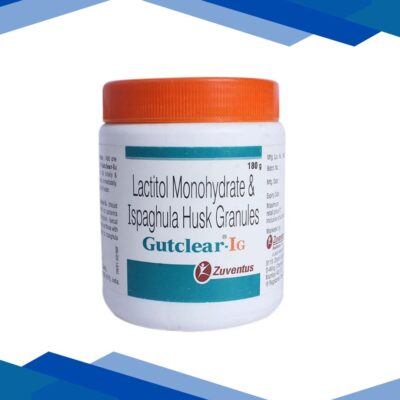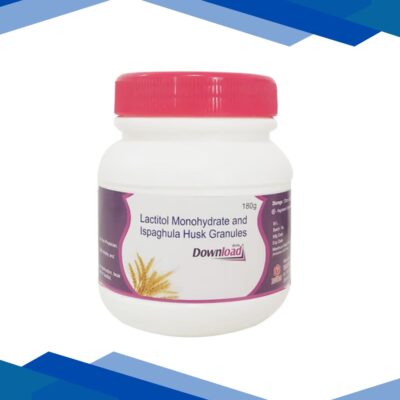
EZYFIBRE Granules 180g
No Prescription yet? Don’t worry! Click Here to Get Online Consultation
Ezyfibre Granules belongs to the group of medicines called laxatives used to treat constipation. Constipation refers to infrequent bowel movements in which the stools are often dry, painful, and hard to pass.
Ispaghula
Ispaghula Husk (Isabgol)
Ispaghula, a natural bulk laxative derived from the seeds of Plantago ovata, is widely known for its high soluble fiber content that helps smooth the transit of hard, irregular stools while supporting overall digestive health. Unlike stimulant laxatives, it works through a water-absorbing (mechanical) action rather than irritating the bowel.
Health Benefits
Treats Constipation: Makes stools softer and bulkier, easing natural bowel movements.
IBS Syndrome Treatment: Helps regulate bowel movements in Irritable Bowel Syndrome (IBS).
Cardiac: Binds to cholesterol-rich bile acids, helping to reduce cholesterol levels.
Sugar Controls: Slows glucose absorption, helping manage post-meal blood sugar spikes.
Weight Management: Promotes satiety (fullness) when taken before meals, reducing overeating.
How to Use & Dosage
The effectiveness of Ispaghula husk largely depends on proper preparation and intake.
A physician may advise patients to take Ispaghula husk based on their medical condition.
When starting for the first time, it should be taken with adequate water in small steps, as its coarse texture requires proper hydration to work effectively.
Without sufficient water, the fiber may not expand properly, reducing its therapeutic benefit.
For chronic conditions or general use, a doctor will guide the timing and dosage regimen based on individual needs.
Important Safety Note
Hydration is essential: Always take Ispaghula with plenty of water to ensure safe and effective action.
Frequently Asked Information
Q: What happens if I don't drink enough water with it?
A: It is extremely important, because with low fluid intake, the husk may swell excessively and potentially block the throat or intestines, leading to serious discomfort or medical emergencies. Always stay well-hydrated.
Lactitol monohydrate
Lactitol Monohydrate: Overview, Uses, and Side Effects
Lactitol Monohydrate is a synthetic, crystalline sugar alcohol (polyol) derived from milk sugar (lactose). It is used clinically as a highly effective osmotic laxative and a hepatic protective agent.
Lactitol Monohydrate is structurally unique because it is completely resistant to digestion in the upper gastrointestinal tract. It passes entirely intact through the stomach and small intestine, arriving completely unchanged in the colon. Once in the large intestine, it acts as a mechanical osmotic agent, drawing fluid into the bowel to soften stools and stimulate predictable movement. Simultaneously, it serves as a prebiotic, undergoing fermentation by beneficial colon bacteria to create a localized environment that helps safely lower systemic toxin levels.
Key Benefits & Uses
Gastroenterologists and hepatologists prescribe Lactitol Monohydrate to manage two primary medical conditions:
-
Treatment of Chronic Constipation: Functioning as a reliable osmotic laxative to relieve occasional or chronic constipation, promoting soft, well-formed stools and regular bowel evacuation without irritating the intestinal lining.
-
Management of Hepatic Encephalopathy (HE): Serving as a critical first-line therapy for patients with advanced liver disease (cirrhosis) who develop cognitive decline due to high blood ammonia. In the colon, bacteria ferment lactitol into short-chain fatty acids, acidifying the bowel contents. This acidic environment traps toxic ammonia ($\text{NH}_3$) by converting it into ammonium ions ($\text{NH}_4^+$), which cannot be reabsorbed into the bloodstream and are safely flushed out through evacuation.
How to Take Lactitol Monohydrate Safely
-
Stay Well-Hydrated: Because osmotic laxatives function by pulling water directly into your intestines, it is vital to drink plenty of fluids (6 to 8 glasses of water daily) during treatment to support the medication and prevent systemic dehydration.
-
Administration Routine: Lactitol Monohydrate is typically supplied as an oral powder. It should be dissolved completely in a glass of water, juice, milk, tea, or coffee, and swallowed immediately. It can be taken with or without food.
-
The Morning or Evening Choice: For chronic constipation, it is often recommended to take your dose once daily with breakfast or at bedtime. When used for Hepatic Encephalopathy, your doctor will direct a specific multi-dose schedule tailored to yield a precise number of soft stools per day.
Safety Advice & Vital Precautions
| Category | Guidance |
| Galactosemia Warning | Strictly Contraindicated. Lactitol is metabolically derived from lactose. Individuals born with galactosemia—a rare genetic disorder where the body cannot process the sugar galactose—must completely avoid this medication. |
| Bowel Obstruction | Do not take Lactitol Monohydrate if you have a known or suspected structural bowel obstruction, fecal impulsion, or unexplained acute abdominal pain. |
| Electrolyte Balances | Prolonged, excessive use of any osmotic laxative can lead to diarrhea, which can deplete fluid levels and cause an imbalance in essential blood electrolytes (such as potassium and sodium). |
| Pregnancy & Lactation | Lactitol is minimally absorbed systemically, making it widely considered safe. However, if you are pregnant or breastfeeding, always verify your dosage with your obstetrician. |
Common Side Effects
Lactitol Monohydrate is highly targeted and generally well-tolerated. However, as your intestinal bacteria actively ferment the compound in your colon, minor gastrointestinal adjustments can happen, especially during the first few days:
-
Abdominal flatulence, gas, or gurgling sounds (borborygmi)
-
Mild bloating or a feeling of fullness in the stomach
-
Mild abdominal cramps or nausea
-
Loose stools or diarrhea (a sign that the dose may need to be lowered)
These digestive symptoms are typically mild and disappear within a few days as your intestinal tract adapts to the medication. If diarrhea becomes severe or persistent, contact your physician to adjust your dosage.
Frequently Asked Questions (FAQs)
Q: How long does it take for Lactitol Monohydrate to produce a bowel movement?
Unlike stimulant laxatives which force immediate bowel contractions, Lactitol Monohydrate works naturally with your body's fluids. For constipation, it typically produces a soft stool within 24 to 48 hours of taking the first dose. Because it relies on a steady osmotic gradient, consistency is key, and it should be taken exactly as your doctor prescribed without missing days.
Q: What is the main difference between Lactitol and Lactulose?
Both are synthetic sugars used identically to treat constipation and Hepatic Encephalopathy. However, clinical studies demonstrate that Lactitol Monohydrate is often better tolerated by patients. It has a mild, less intensely sweet taste compared to the heavy syrup form of lactulose, making it easier to drink. Additionally, lactitol statistically tends to cause less severe gas, bloating, and abdominal cramping during the initial days of treatment.
Q: Can a person with diabetes safely take Lactitol Monohydrate?
Yes, under medical supervision. Although lactitol is chemically derived from milk sugars, it has an incredibly low glycemic index and a minimal caloric value (about $2\text{ kcal/g}$). Because it is not absorbed into the bloodstream in the upper digestive tract, it does not cause rapid spikes in blood glucose or insulin levels, making it a safe choice for individuals managing diabetes.
Q: What should I do if I miss a scheduled daily dose?
If you are taking it for constipation, take the missed dose as soon as you remember that day. If you don't remember until the following day, skip the missed dose entirely and return to your regular schedule. Never take a double dose to make up for a forgotten day. If you are taking it for Hepatic Encephalopathy, contact your physician or nursing team immediately for guidance, as maintaining specific bowel clearances is critical for your cognitive health.
Disclaimer: The gastroenterological, hepatic, and clinical insights provided on this page are intended strictly for general educational purposes. They cannot replace a personalized, professional medical consultation, diagnosis, or treatment plan from a certified gastroenterologist, hepatologist, or physician. Always consult your doctor before beginning or altering any prescription medication routine.
At Gem Pharmacy, we make every effort to provide accurate, expert-written, and thoroughly reviewed information related to medicines. However, this information should not be considered a substitute for professional medical advice, diagnosis, or treatment from a qualified doctor.
The purpose of this information is to educate users and improve communication between patients and healthcare professionals. It should not be used to diagnose or treat any condition.
Always consult a certified healthcare professional before taking any medication.


Related products
LACTIHEP LEMON FLAVOR Syrup 450ml

Cremadiet Duo Mixed Fruit Flavour Powder 150gm