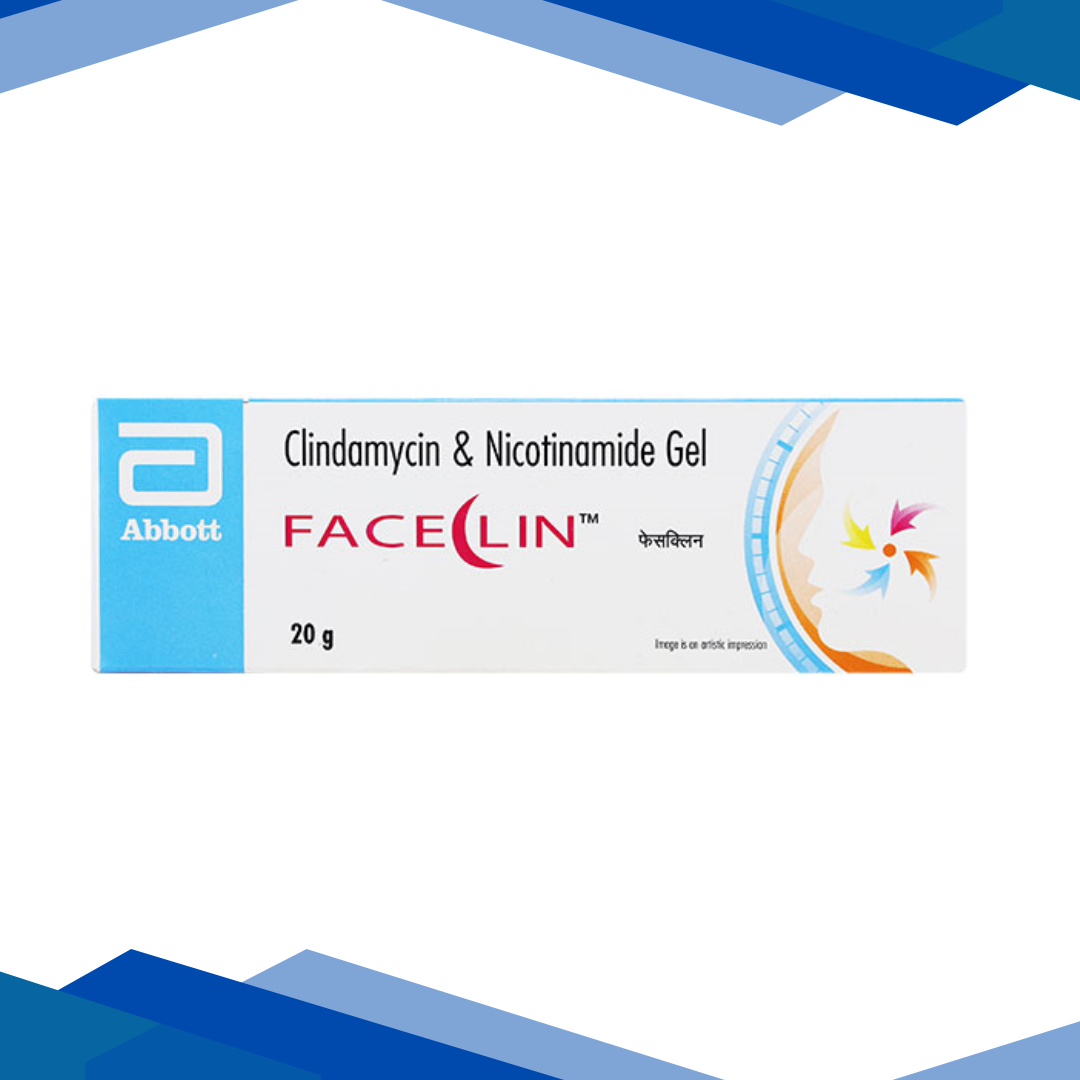
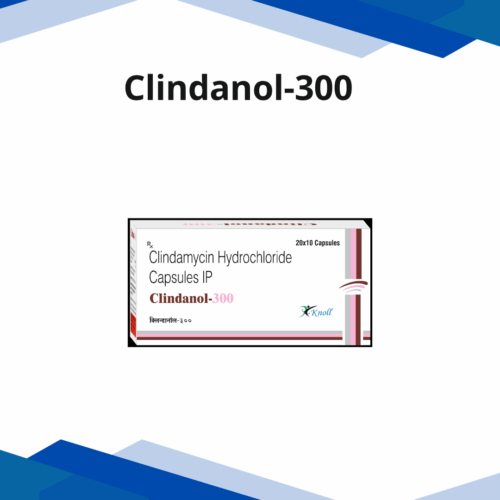
Clindamycin
CLINDAMYCIN
Overview:
Clindamycin is an antibiotic, which means it helps treat infections caused by bacteria.
Classification:
Antibiotic
Uses:
Doctors often prescribe clindamycin to treat:
Skin infections (like acne or infected wounds)
Bone and joint infections
Lung infections (like pneumonia)
Dental infections
Serious infections caused by certain bacteria when other antibiotics don’t work
How it works:
Clindamycin works by interfering with the bacteria’s ability to make proteins. Without these proteins, the bacteria can’t grow, reproduce, or survive—so the infection starts to clear up.
Dosage:
As prescribed by your doctor.
Side effects:
Common side effects may include:
Diarrhea – This is the most frequent side effect. It usually goes away on its own, but if it’s severe or lasts long, let your doctor know.
Stomach discomfort – You might feel some pain, bloating, or cramps.
Nausea or vomiting – Some people may feel sick or actually throw up.
Metallic or bitter taste – Especially when taken by mouth. It can be unpleasant but not harmful.
Skin rash or itching – A mild allergic reaction that usually goes away.
Serious side effects (less common but important):
Severe diarrhea that doesn’t stop or comes with stomach pain and fever—this could be a sign of a serious bowel infection called C. difficile.
Allergic reactions like swelling of the face, lips, or throat, or trouble breathing—this needs immediate medical help.
Yellowing of the skin or eyes – could be a sign of liver trouble.
If you notice anything unusual while taking clindamycin, especially if symptoms feel strong or don’t go away, it’s best to talk to your doctor
Precautions:
Take it exactly as prescribed – even if you feel better, finish the whole course.
Can cause stomach upset or diarrhea – this is common with antibiotics.
Watch out for serious diarrhea – if it’s severe or watery, contact your doctor. It could be a sign of a more serious condition called C. diff infection.
Tell your doctor if you have liver problems or a history of gut issues.
Let your doctor know about any allergies or other medications you’re taking—it can interact with some drugs.
Disclaimer:
This content is for informational purposes only. Always consult a healthcare provider for medical advice and proper dosage
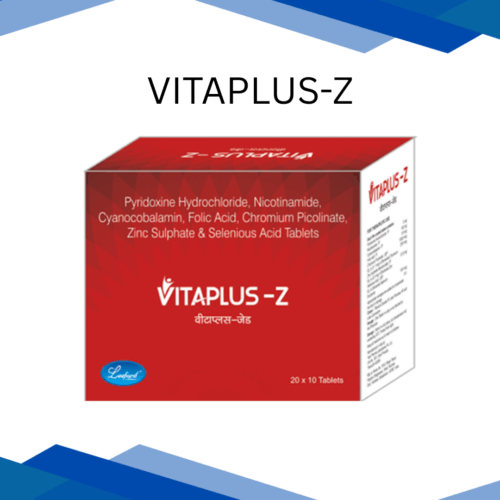
Nicotinamide
NICOTINAMIDE
Overview
Nicotinamide, also known as niacinamide, is a form of vitamin B3. It helps keep your skin, nerves, and digestive system healthy and supports the body’s natural energy processes.
Classification
Vitamin supplement
Uses
Helps treat or prevent vitamin B3 deficiency
Used to manage acne and other skin conditions
Supports skin healing and reduces inflammation
Sometimes used for anti-aging skincare
May assist in boosting cell energy and repair
How It Works
Nicotinamide helps the body by turning food into energy and supporting cell repair. On the skin, it helps reduce inflammation, control oil, strengthen the skin barrier, and improve overall skin texture and tone.
Dosage
As prescribed by your doctor.
Side effects
Most people tolerate nicotinamide well, but some may experience:
Upset stomach or nausea (with high doses)
Skin redness, itching, or mild irritation (with topical use)
Headache
Dizziness (rare)
Liver problems (very rare, usually with large oral doses over time)
Precautions
Tell your doctor if you have liver disease, diabetes, or stomach ulcers
Always follow the recommended dose — too much can cause side effects
If using a skin cream, test it on a small area first to check for irritation
Safe for most people, but pregnant or breastfeeding women should consult a doctor before use
Disclaimer
This content is for informational purposes only. Always consult a healthcare provider for medical advice and proper dosage