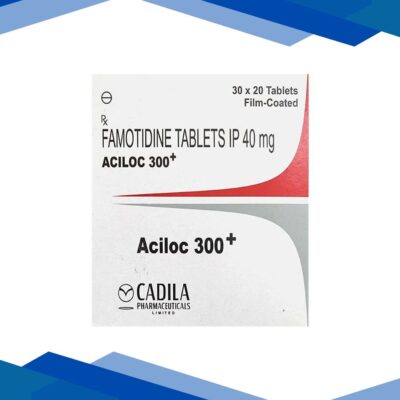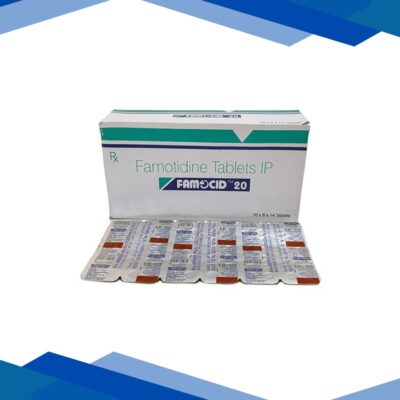
Fadine 40mg Tablet 14’S
❌ Due to high demand, this product is currently out of stock. New stock will be available shortly.
👉 Click here to Buy Same Salt medicine
Fadine 40mg Tablet is a combination medicine used to help relieve pain and inflammation while also reducing the risk of stomach irritation. Diclofenac sodium belongs to a group of medicines called non-steroidal anti-inflammatory drugs (NSAIDs), which work by lowering substances in the body that cause pain, swelling, and stiffness. Famotidine is a medicine that reduces stomach acid, helping protect the stomach lining from the irritation that can happen with diclofenac use. This medicine is commonly used for conditions such as arthritis, joint pain, muscle pain, back pain, and other painful inflammatory problems, especially in people who may need stomach protection. It should be used under medical guidance, particularly in people with a history of stomach ulcers or acid-related problems.
Description
Fadine 40mg Tablet is a combination medicine used to help relieve pain and inflammation while also reducing the risk of stomach irritation that can occur with anti-inflammatory pain medicines. diclofenac sodium belongs to a group of medicines called nonsteroidal anti-inflammatory drugs, or nsaids. it works by blocking substances in the body called prostaglandins, which are involved in pain, swelling, and fever. by reducing prostaglandin production, diclofenac can ease pain caused by conditions such as arthritis, muscle and joint disorders, sprains, and other inflammatory conditions.
famotidine is a medicine that lowers the amount of acid produced in the stomach. it belongs to a class called h2-receptor blockers. in this combination, famotidine is included to help protect the stomach from irritation, ulcers, and acid-related discomfort that may occur with diclofenac use. this is especially important because nsaids like diclofenac can increase the risk of gastritis, stomach ulcers, and bleeding in the digestive tract, particularly in people who use them for longer periods or who already have stomach risk factors.
this combination is generally prescribed for people who need effective pain relief from inflammation but may also need additional stomach protection. it may be used in adults who have conditions such as osteoarthritis, rheumatoid arthritis, ankylosing spondylitis, or other painful inflammatory disorders, depending on local prescribing guidance and the healthcare professional’s judgment. because it contains both a pain-relieving anti-inflammatory medicine and an acid-reducing medicine, it offers a practical approach for patients who are at risk of nsaid-related stomach problems.
although this medicine can be very helpful, it should be used carefully because diclofenac can still cause important side effects, including heart, kidney, liver, and gastrointestinal risks. famotidine reduces acid but does not eliminate all risk of bleeding or ulceration. the medicine is most appropriate when taken exactly as advised by a clinician, with attention to the person’s medical history, other medicines, and overall risk factors.
ingredients
- diclofenac sodium: the anti-inflammatory and pain-relieving component of the combination. it reduces chemicals in the body that drive inflammation, swelling, stiffness, and pain. it is commonly used for musculoskeletal pain and inflammatory joint disorders.
- famotidine: the stomach-protective component. it decreases acid production in the stomach, which can help lower the chance of indigestion, irritation, and acid-related injury during diclofenac treatment.
- inactive ingredients: depending on the specific product formulation, tablets or capsules may contain additional inactive substances such as fillers, binders, coatings, and stabilizers. these do not provide the therapeutic effect but help with manufacturing, stability, and absorption.
key uses
- relief of inflammatory pain: helps reduce pain, swelling, and stiffness in conditions where inflammation is a major part of the problem, such as arthritis and joint pain.
- management of chronic musculoskeletal disorders: may be used to improve mobility and comfort in long-term conditions affecting muscles, joints, and connective tissues.
- protection against nsaid-related stomach problems: famotidine helps lower stomach acid, which can reduce the risk of acid irritation, ulcers, and some digestive side effects linked to diclofenac.
- reduction of fever-associated discomfort: diclofenac can also help with pain and inflammation that may be accompanied by fever, although its main use is anti-inflammatory pain control.
- support in patients needing ongoing anti-inflammatory therapy: this combination may be considered when a patient needs regular nsaid treatment but has increased concern for gastric irritation.
how to use
Fadine 40mg Tablet should be used exactly as prescribed by a healthcare professional. it is usually taken by mouth, and the timing may depend on the formulation and the reason it was prescribed. in many cases, it is taken with food or after meals to help reduce stomach upset. swallow the tablet or capsule whole with water unless your pharmacist or doctor has told you otherwise. do not crush, break, or chew modified-release or specially coated forms unless specifically instructed, because doing so may alter how the medicine works and may increase side effects.
try to take it at the same time each day if you are using it regularly, as this helps maintain consistent symptom control. do not take more than recommended or use it for longer than advised, since diclofenac-related risks increase with higher doses and prolonged use. even though famotidine offers stomach protection, it does not make the medicine completely risk-free. if your pain persists, worsens, or changes in character, speak with a healthcare professional rather than increasing the dose on your own.
if you are using other medicines for pain, acid reflux, blood thinning, or chronic disease, tell your doctor or pharmacist before starting this combination. it is important to use the lowest effective amount for the shortest period necessary. if you experience severe stomach pain, black stools, vomiting blood, chest pain, shortness of breath, swelling, or reduced urine output, seek medical help promptly.
safety information
- warnings: Fadine 40mg Tablet can increase the risk of serious stomach bleeding, ulceration, and perforation, especially in older adults, people with a history of ulcers, those taking steroids or blood thinners, and those using the medicine for a long time. diclofenac may also increase the risk of heart attack, stroke, high blood pressure, fluid retention, and kidney problems. use extra caution if you have heart disease, kidney disease, liver disease, asthma, dehydration, or a history of gastrointestinal bleeding.
- side effects: common side effects may include stomach upset, heartburn, nausea, abdominal pain, indigestion, dizziness, headache, constipation, diarrhea, and mild swelling. serious side effects can include black or bloody stools, vomiting blood, severe abdominal pain, chest pain, shortness of breath, sudden weakness, facial swelling, severe skin rash, yellowing of the skin or eyes, dark urine, reduced urination, or signs of an allergic reaction.
- precautions: avoid or use only under close medical supervision if you have active stomach ulcers, previous gastrointestinal bleeding, severe kidney impairment, significant liver disease, uncontrolled high blood pressure, heart failure, or known allergy to diclofenac, famotidine, aspirin, or other nsaids. people with asthma may be more sensitive to nsaids and should be cautious. older adults may be more likely to develop complications and often require careful monitoring.
- pregnancy/breastfeeding: diclofenac is generally not recommended during pregnancy, especially in the later stages, because nsaids can affect the unborn baby and pregnancy outcomes. famotidine may be used in some situations, but the combination should only be used in pregnancy if a clinician decides the benefit outweighs the risk. during breastfeeding, limited amounts may pass into milk; medical advice is recommended before use so that safety can be assessed for the mother and baby.
- interactions: diclofenac can interact with blood thinners such as warfarin, other nsaids, aspirin, corticosteroids, certain blood pressure medicines, diuretics, lithium, methotrexate, and some antidepressants that affect bleeding risk. alcohol can increase the chance of stomach irritation and bleeding, so it should generally be limited or avoided. famotidine may interact with certain medicines that depend on stomach acidity for absorption. always tell your doctor or pharmacist about all prescription drugs, over-the-counter products, and herbal supplements you use.
additional information
- storage: store in a cool, dry place away from direct sunlight, moisture, and heat. keep it in the original container and out of reach of children and pets. do not use the medicine past its expiry date.
- missed dose: if you miss a dose, take it when you remember unless it is almost time for the next scheduled dose. if it is close to the next dose, skip the missed one and continue as directed. do not double the dose to make up for a missed dose.
- overdose: overdose can be dangerous and may cause severe stomach pain, vomiting, drowsiness, dizziness, low blood pressure, trouble breathing, confusion, kidney problems, or gastrointestinal bleeding. if an overdose is suspected, seek emergency medical help immediately or contact poison control right away.
- habit forming: no. Fadine 40mg Tablet is not considered habit-forming or addictive, but it should still be used only as directed because misuse can lead to serious medical complications.
frequently asked questions
Q: what is Fadine 40mg Tablet used for?
A: it is used to relieve inflammatory pain and swelling while also helping protect the stomach from acid-related irritation caused by diclofenac. it is commonly prescribed when both pain control and gastric protection are needed.
Q: can i take this medicine with food?
A: yes, it is often taken with food or after meals to help reduce stomach upset. always follow the instructions provided by your doctor or pharmacist, especially if your product has special release properties.
Q: does famotidine completely prevent stomach ulcers from diclofenac?
A: no. famotidine can reduce stomach acid and lower some risks, but it does not completely prevent ulcers or bleeding. people with higher risk may still need close monitoring and additional precautions.
Q: what should i do if i notice black stools or vomiting blood?
A: these can be signs of serious stomach bleeding. stop taking the medicine and seek urgent medical attention immediately.
Q: can this medicine affect my heart or blood pressure?
A: yes. diclofenac may increase blood pressure, cause fluid retention, and raise the risk of heart attack or stroke in some patients, especially with prolonged use or in those with heart disease.
Q: is it safe to use with other painkillers?
A: not always. using it with other nsaids or aspirin can increase the risk of bleeding and stomach problems. check with a healthcare professional before combining it with any pain medicine.
Q: can i drink alcohol while taking this medicine?
A: alcohol can increase the risk of stomach irritation and bleeding, so it is best to avoid or limit alcohol while using this combination.
Q: who should be especially careful with this medicine?
A: older adults, people with ulcers, bleeding problems, kidney disease, liver disease, asthma, heart disease, or those taking blood thinners or steroids should use this medicine only with medical guidance.
Q: what are signs of an allergic reaction?
A: signs may include rash, itching, swelling of the face or throat, wheezing, or trouble breathing. if these occur, stop the medicine and get emergency help immediately.
Q: can i stop the medicine once i feel better?
A: do not stop or continue it on your own without advice if it was prescribed for a specific course. if symptoms improve or side effects occur, ask your healthcare professional for guidance.
this information is for educational purposes only and should not be considered medical advice. always consult a qualified healthcare professional before use.
At Gem Pharmacy, we make every effort to provide accurate, expert-written, and thoroughly reviewed information related to medicines. However, this information should not be considered a substitute for professional medical advice, diagnosis, or treatment from a qualified doctor.
The purpose of this information is to educate users and improve communication between patients and healthcare professionals. It should not be used to diagnose or treat any condition.
Always consult a certified healthcare professional before taking any medication.


Related products