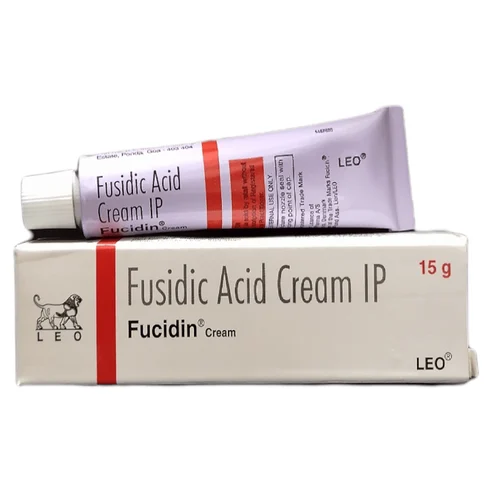
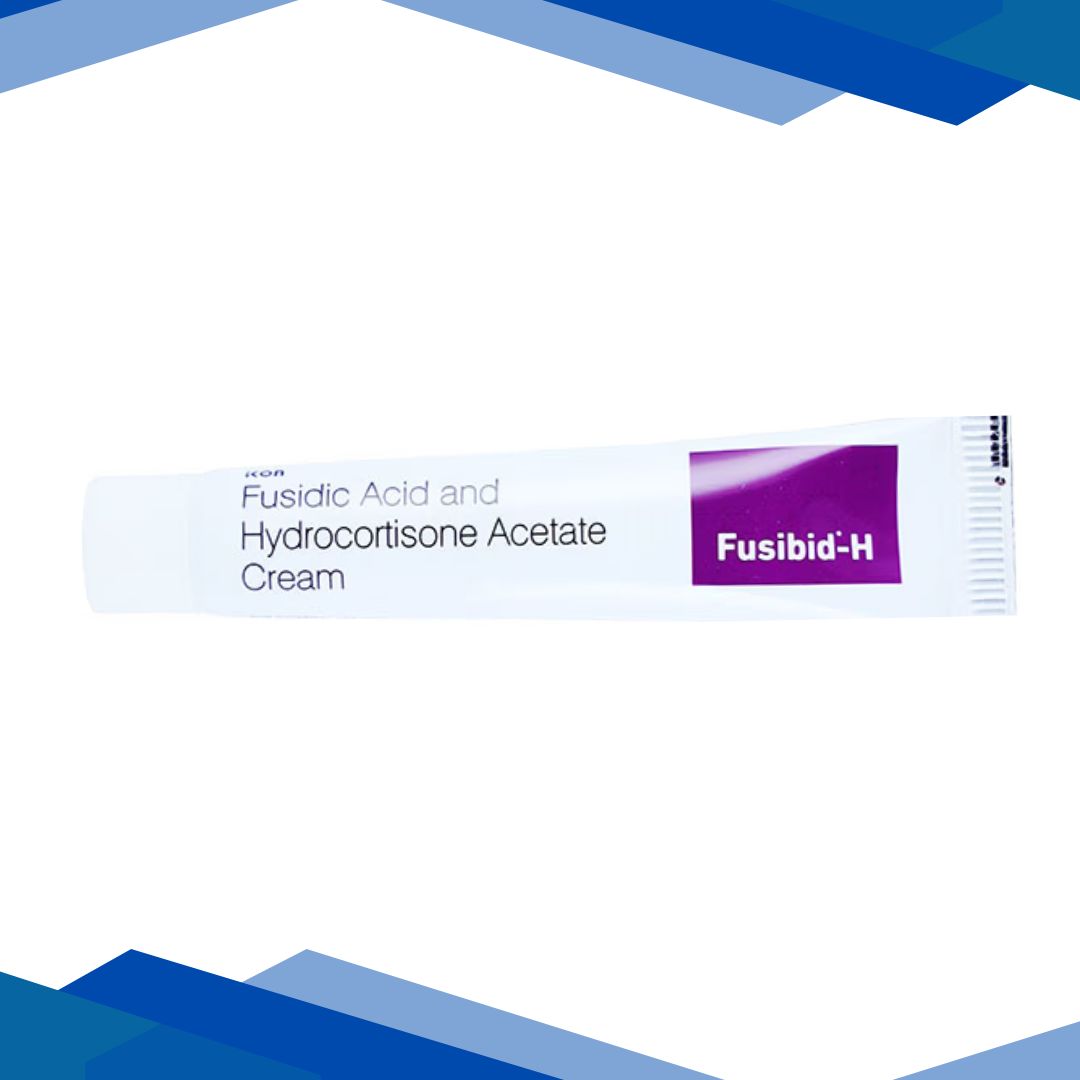
FUSIBID B Cream 10gm
No Prescription yet? Don’t worry! Click Here to Get Online Consultation
FUSIBID B CREAM is a combination of Beclomethasone and Fusidic acid which belongs to the group of medicines called Corticosteroids and Antibiotics respectively. It is used to manage specific skin infections caused by typical bacteria such as impetigo, folliculitis, eczema and seborrehic dermatitis.
Beclomethasone Dipropionate
Beclomethasone dipropionate (Topical/Inhalational) Beclomethasone Dipropionate is a potent corticosteroid used to reduce inflammation, redness, and itching. Depending on its formulation (cream, ointment, or inhaler), it works by suppressing the immune response and decreasing the release of inflammatory substances. It is widely used in asthma, allergic rhinitis, and skin conditions like eczema and psoriasis. Therapeutic Uses Prevention of asthma symptoms such as wheezing and breathlessness Reduction of skin inflammation, redness, and itching Management of allergic rhinitis and nasal congestion Treatment of nasal polyps by reducing their size How It Works Beclomethasone Dipropionate is a prodrug that becomes active after conversion in the body. It blocks prostaglandins and leukotrienes, which are responsible for inflammation flare-ups in the lungs and skin. How to Use Inhalers: Use at the same time daily; rinse mouth after use to prevent oral thrush Topical Application: Apply a thin layer; avoid covering with bandages Consistency: Take regularly as prescribed; effects may take 3–7 days Advice on Safety and Precautions Pregnancy/Lactation: Use only under medical advice Infected Skin: Avoid use on untreated infections Eye Contact: Do not apply near eyes due to risk of glaucoma or cataracts Children: Requires growth monitoring during long-term use Side Effects Inhalation: Hoarseness, sore throat, or oral thrush Topical: Skin thinning, stretch marks, or burning sensation Nasal: Dryness or nosebleeds Frequently Asked Questions Q: Can it be used during an asthma attack? No, it is a preventer, not a rescue inhaler (use salbutamol instead) Q: Why rinse mouth after inhaler use? To prevent oral infections and hoarseness Q: Is it safe for the face? Only under dermatologist supervision for short duration Q: What if I miss a dose? Take it when remembered; do not double dose Q: Does it cause weight gain? Unlikely, as systemic absorption is minimal compared to oral steroids
Fusidic Acid
Fusidic Acid 2% w/w Cream/Ointment Fusidic Acid is an effective topical bactericidal antibiotic used to treat a variety of bacterial skin infections. It is particularly active against Staphylococcus species, including resistant strains. It works by inhibiting bacterial protein synthesis, thereby stopping the spread of infection and promoting skin healing. Therapeutic Uses Impetigo: Treats honey-crusted skin lesions Infected Dermatitis: Manages secondary infections in eczema or psoriasis Folliculitis: Reduces infection and inflammation of hair follicles Infected Wounds: Helps treat minor cuts, scrapes, and stitches Erythrasma: Effective for bacterial infections in skin folds Key Benefits Targeted Action: Works mainly against Gram-positive bacteria Deep Penetration: Reaches infection beneath the skin surface Low Irritation: Generally well-tolerated, even in sensitive areas How to Apply Hand Hygiene: Wash hands before and after application Clean Area: Gently cleanse with mild soap Application: Apply a thin layer to the affected area Frequency: Usually 3–4 times daily or as directed Duration: Continue for 7–14 days or as prescribed Possible Adverse Reactions Mild burning or stinging sensation Redness or itching (contact dermatitis) Rare: Skin rash, hives, or severe allergic reaction Precautions and Warnings Avoid Eyes: Rinse immediately if accidental contact occurs Antibiotic Resistance: Avoid misuse for non-bacterial infections Pregnancy/Breastfeeding: Use under medical advice, especially near breast area Hygiene: Do not share medication to prevent cross-contamination Frequently Asked Questions (FAQs) Q: Is it a steroid cream? No, it is a pure antibiotic (some combinations may include steroids) Q: Can it be used for acne? Not first-line; better for infected lesions or boils Q: How long does it take to work? Improvement usually seen in 48–72 hours Q: Can I cover the area? Yes, covering may help better absorption Q: Difference between cream and ointment? Cream suits moist infections, ointment suits dry or crusty areas
At Gem Pharmacy, we make every effort to provide accurate, expert-written, and thoroughly reviewed information related to medicines. However, this information should not be considered a substitute for professional medical advice, diagnosis, or treatment from a qualified doctor.
The purpose of this information is to educate users and improve communication between patients and healthcare professionals. It should not be used to diagnose or treat any condition.
Always consult a certified healthcare professional before taking any medication.


Related products