

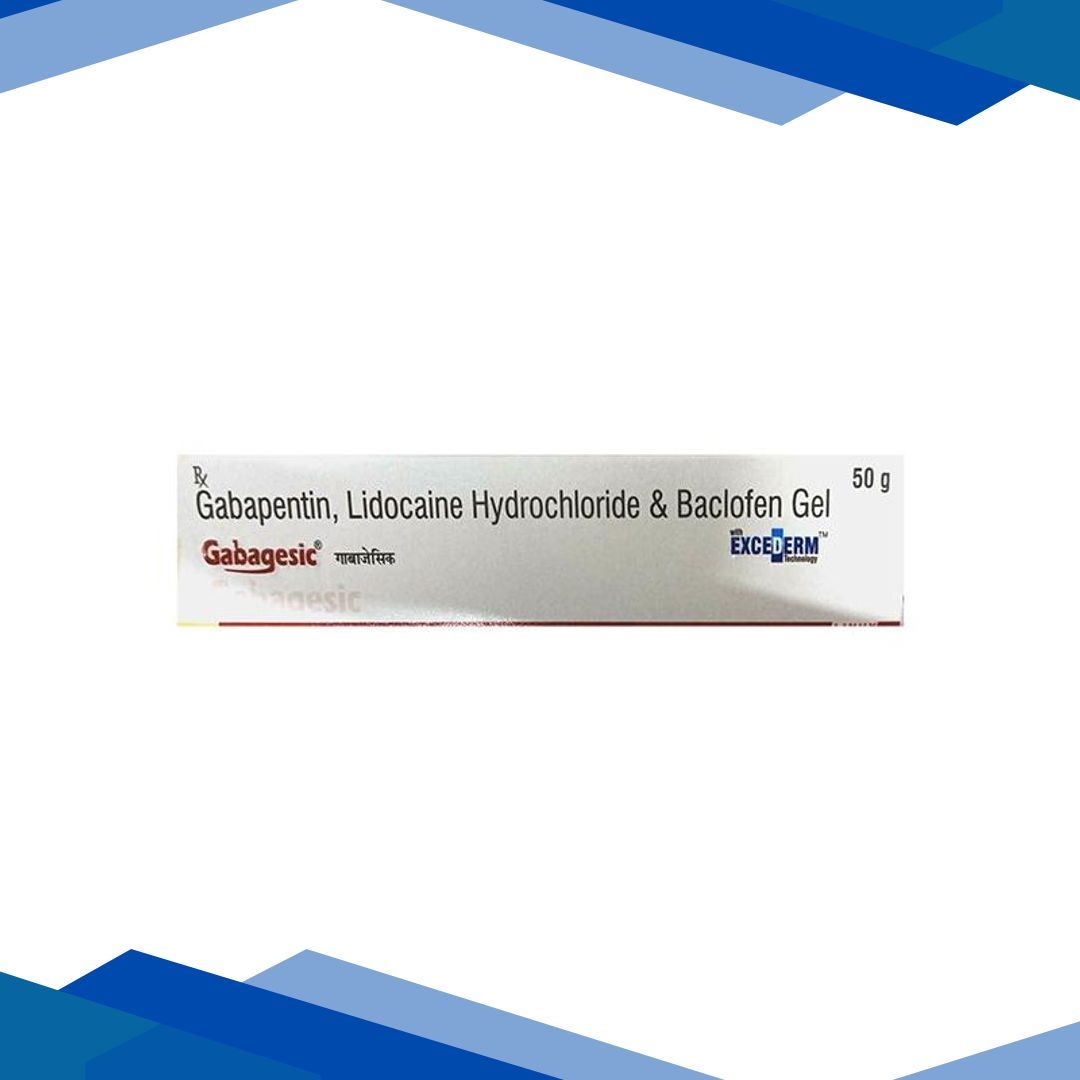
GABAGESIC Gel 50g
No Prescription yet? Don’t worry! Click Here to Get Online Consultation
**Benoxonium Chloride + Lidocaine** is a combination medication commonly used for the relief of pain, irritation, and infection in the mouth and throat. Benzoxonium chloride acts as an antiseptic that helps kill or inhibit the growth of bacteria and other microorganisms, while lidocaine is a local anesthetic that temporarily numbs the affected area to reduce pain and discomfort. This combination is often found in lozenges, sprays, or topical preparations used to manage sore throat, minor oral infections, and inflammation of the mucous membranes.
Baclofen
Baclofen: Uses, Dosage, Side Effects, and Safety Precautions
Baclofen is a drug with a faculty of relaxing muscles and inducing antispasmodic action. The major use of this drug is to relieve excessive muscle tone due to conditions of nervosa in the order. It acts on nerve fibers in the spinal cord, reducing the quantity and significance of muscle spasms. This in return relieves pain and makes it easier for the musculature to move.
Mode of Action of Baclofen
Baclofen is a member of the class of medications known as skeletal muscle relaxants. Inhibition by Baclofen generation of homogeneous monosynaptic and polysynaptic reflexes at the spinal level. Baclofen mimics the natural brain chemical GABA (gamma-Aminobutyric acid) to relax the nervous system and to prevent overstimulation of the muscles by the nerves.
Primary Indications
Baclofen is prescribed for the management of treatable spasticity associated with:
- Multiple Sclerosis (MS): Relief of flexor spasms and conjoint pain, musculature rigidity, and clonicity.
Disorders of the Spinal Cord: Baclofen is efficacious in patients suffering from trauma to/in the cord, syringomyelia, or transverse myelitis.
Neurological Disorders ought to be considered in cases of cerebral palsy or cerebrovascular accidents, with inputs from a healthcare practitioner.
5. Dosage and Administration
How Baclofen is to be administered: One must always follow the instructions when using Baclofen; it is typically taken by mouth with or without food.
The Starting Dosage: Baclofen is typically started at a low dose (e.g. 5 mg three times daily) and then titrated up by your physician to achieve optimum therapeutic effect while minimizing side effects.
Consistency: Drugs taken should be at the same time each day to ensure levels remain more level in your bloodstream.
Side Effects for Monitoring: Vulnerable to Side Effects
Though most people adapt to Baclofen very well, few may experience:
Common: Somnolence, dizziness, weakness, and fatigue.
GI tract: Nausea, constipation, and dry mouth.
Nervous system: Disorientation, headache, and insomnia.
Never stop taking Baclofen immediately. Sudden cessation can lead to withdrawal symptoms including hallucinations, seizures, or high fever. Consult your doctor for a tapering schedule.
FAQs
1. Is Baclofen a painkiller?
Traditional analgesics do not include Baclofen. However, they typically reduce pain by suppressing muscle spasms and stiffening in schools featuring otherwise intractable discomfort.
2. Can I drink alcohol while taking Baclofen?
It is strongly suggested that one should stay away from alcohol. Both Baclofen and alcohol are CNS depressants, and the combination of both potentially leads to over-sedation, respiratory depression, and exacerbation of giddiness.
3. How long before Baclofen begins to work?
Some patients may notice a decrease in muscle spasms within hours, but it could take several days or even weeks of steady use to derive full therapeutic benefit.
4. Does Baclofen cause weight gain?
There is weight gain in the adverse effects list, even though rare, so contact your healthcare provider if you have sudden or unusual weight changes or swelling in your extremities.
5. What should I do if I forget to take a dose?
Take the missed dose as you remember it because the time is almost about to lapse till the next scheduled administration. Ignore double doses to make up the dose for the missed one.
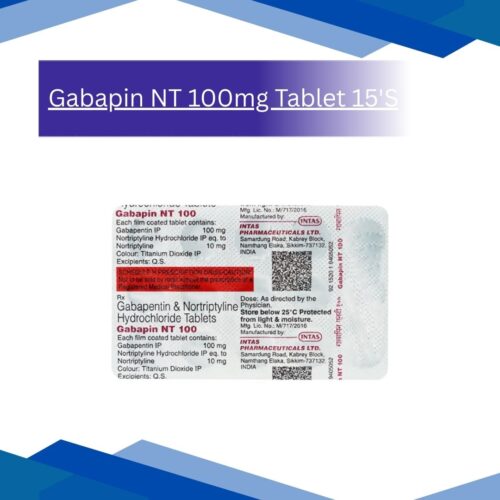
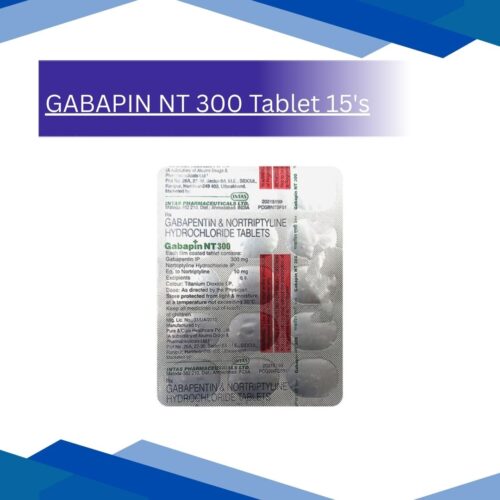
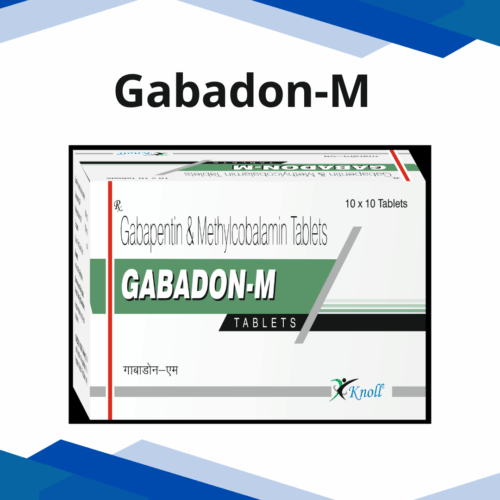
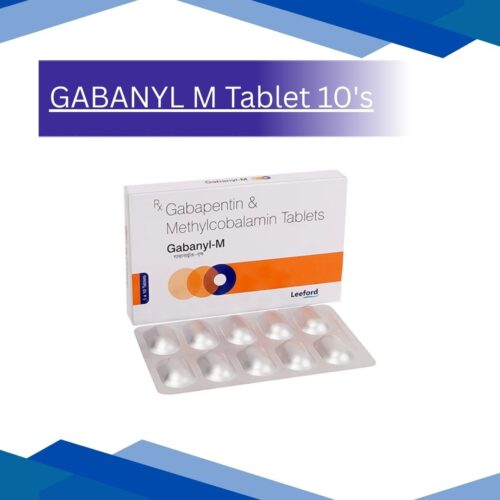
Gabapentin
Gabapentin Capsules/Tablets
Gabapentin is a versatile prescription medication primarily classified as an anticonvulsant or antiepileptic drug. While it was originally developed to treat certain types of seizures, it is now widely recognized as a gold standard for managing neuropathic pain (nerve pain). It works by stabilizing electrical activity in the brain and influencing the way the body sends pain signals through the nervous system.
+2
Therapeutic Uses
Neuropathic Pain: Effectively manages long-term pain caused by nerve damage, such as Diabetic Neuropathy or Peripheral Neuralgia.
Postherpetic Neuralgia: Relieves the burning or stabbing pain that often lingers after an encounter with Shingles (Herpes Zoster).
Epilepsy Management: Used as an "adjunctive" therapy to help control partial-onset seizures in adults and children.
Restless Legs Syndrome (RLS): Helps reduce the uncomfortable sensations and "urge to move" associated with RLS, particularly at night.
Quick Product Facts
Feature Details
Drug Class GABA Analog / Anticonvulsant
Common Strengths 100mg, 300mg, 400mg, 600mg, 800mg
Typical Onset 1–3 hours for peak plasma levels
Consumption With or without food
How to Use Gabapentin
Consistency is Key: Take your dose at the same time every day to maintain a steady level of the medicine in your bloodstream.
Swallow Whole: Do not crush or chew the capsules or tablets. If you are using scored tablets and break them in half, use the second half for your next scheduled dose.
Antacid Gap: If you take antacids containing Aluminum or Magnesium (like Digene or Mucaine Gel), wait at least 2 hours before taking Gabapentin, as these can block its absorption.
Safety & Side Effects
Most people tolerate Gabapentin well, though some "adjustment" symptoms are common during the first week:
Dizziness or Drowsiness: This is the most frequent side effect. Avoid driving until you know how the drug affects you.
Coordination Issues: You might feel a bit "clumsy" or unsteady on your feet initially.
Dry Mouth or Fatigue: Staying hydrated can help manage these minor issues.
Peripheral Edema: Some users notice slight swelling in their ankles or feet.
Critical Warning: In rare cases, this medication can affect your mood. If you or your family notice unusual changes in behavior, increased anxiety, or thoughts of self-harm, contact your healthcare provider immediately.
Frequently Asked Questions (FAQs)
Q: Is Gabapentin a painkiller like Ibuprofen or Paracetamol?
No. Gabapentin is not for routine pain from injuries or headaches. It specifically targets "nerve pain," which feels more like burning, tingling, or electric shocks. It works on the nervous system rather than at the site of a physical injury.
+1
Q: Can I stop taking it once my pain goes away?
Never stop Gabapentin abruptly. Doing so can cause "withdrawal-like" symptoms or even trigger seizures. Your doctor will typically "taper" your dose—slowly reducing it over several days—to ensure your body adjusts safely.
+1
Q: Why do I have to take it three times a day?
Gabapentin has a relatively short "half-life" in the body. Taking it at regular intervals (usually morning, afternoon, and night) ensures the medicine stays active and effective throughout the 24-hour cycle.
+1
Q: Will it make me feel "high" or addicted?
Gabapentin is not an opioid. However, because it calms the nervous system, it can cause a sense of relaxation. It should only be used under strict medical supervision to prevent misuse or dependency.
Q: What should I do if I miss a dose?
Take it as soon as you remember. However, if it’s almost time for your next dose, skip the missed one. Never "double up" to catch up.
Storage & Disposal
Store in a cool, dry place away from direct moisture and sunlight. Keep out of reach of children, as accidental ingestion can be dangerous for non-patients.
Disclaimer: This content is for informational purposes and mirrors standard pharmaceutical guides. It is not a substitute for professional medical diagnosis. Always consult your doctor before starting or stopping any prescription medication.
Lignocaine
Lidocaine oral solution / oral gel
Lidocaine oral solution / oral gel are considered as having a topical action in terms of the nerve passage blockage with following analgesia. Lidocaine, also known as lignocaine, was given in a milder concentration for the relief of anesthetic discomfort in minor dentistry-related forasts and wound treating medicines of home-care nature. Or alternatively the embedded, painful or hurtful lesions with wax-like medicines. Topically administrated medicines fail to be throngs of candidates except for skin itching, sunburn pain, burning, stings live up to article bites. Lidocaine is of greater value to stay on the shelves for some time.
Appropriate Uses
Local Anesthesia: Quick onset as the skin or mucous membrane goes in numbness and fades with application, thus amplifying the good.
Surface Analgesia: Helps relieve pain, albeit the temporary pain associated with minor burns, sunburn bites, or cracks of the skin.
Dental Aid: Used frequently on oral gels for oral ulcers or teething pain and oral soreness under close medical observation.
Post-Operative Relief: Help relieve discomfort during the healing phases of localized superficial wounds.
Proctology Relief: Generally used as an effective agent in ointments for symptoms of hemorrhoids (piles) and anal fissures.
Characteristics
Rapid Onset: Localized relief of symptoms takes place within about 2-5 minutes after application.
Pinned Down Action: Anesthetizing an area ensures no effect on the rest of the body.
Formulations of Different Kinds: It comes in various formulations such as gels, sprays, ointments, and patches to meet different clinical needs.
How to Take
Prepare the Area: Thoroughly clean and dry the area to be treated.
Application: Gently rub a thin layer of the ointment or spray onto the affected area, as per the advice of the medical professionals.
Take the Principle of Dosage: Follow the instructions regarding the quantity strictly. Using excessive amounts on a wide area of the skin may permit systemic absorption of the drug.
Wash Your Hands! Just in case: Remember to wash your hands after applying unless the hands are the area being treated.
Never ignore any potential side effect or bogus safety of using this product.
Lignocaine is usually safe when used in accordance with the instructions, yet it might cause issues in some persons:
- Temporary redness or swelling in the area it is applied to.
- A little bit of burning or stinging.
- The appearance of paleness or local itching.
When an application of lignocaine causes dizziness, blurred vision, or a severe fall in working heart rate, an urgent medical consultation is in order; this is a warning sign of systemic toxicity.
Cautions
If you have a history of hypersensitivity to amide-type local anesthetics, then it is not safe to use Lignocaine.
These applications are prohibited by the manufacturer: Wounds: these are deep wounds. Damaged skin: injuries and sores significantly damaged by infections and blisters.
DO NOT let it touch your eyes and inside the ears. If it does come into contact, rime with water.
Consult your doctor about its use during pregnancy. Lignocaine should be used in pregnancy only if it is absolutely necessary.
Frequently Asked Questions (FAQs)
Q: How long will Lignocaine numb me?
The numbing effects usually last between 30 to 60 minutes, although the durations may vary according to the concentrations of the product and the location in which they are used.
Q: Can I use Lignocaine to act on a toothache?
Lignocaine might be incorporated in some oral gels. However, it is important to ensure that the product is designed for use in dentistry. Do not apply any over-the-counter skin creams or sprays into the mouth.
Q: Can one apply Lignocaine before tattooing?
Sometimes, vibratablum was used to perform pain-reducing procedures on tattoos but excessively applied, discoloring skin hue and killing healing tissue. It is important to discuss this with a professional who is providing your treatment.
Q: What should I do if I swallow some of the gel accidentally?
If the gel is only used in a small amount, little or no harm will be done; however, in those cases where a large amount of skin cream has been swallowed, calling the poison control center or the emergency room is advisable.
Make sure you do not cover the area with an occlusive dressing, a kind of membrane that is airtight, unless your doctor specifically tells you to, in order to increase the absorption of the medicine through the skin.
At Gem Pharmacy, we make every effort to provide accurate, expert-written, and thoroughly reviewed information related to medicines. However, this information should not be considered a substitute for professional medical advice, diagnosis, or treatment from a qualified doctor.
The purpose of this information is to educate users and improve communication between patients and healthcare professionals. It should not be used to diagnose or treat any condition.
Always consult a certified healthcare professional before taking any medication.


Related products