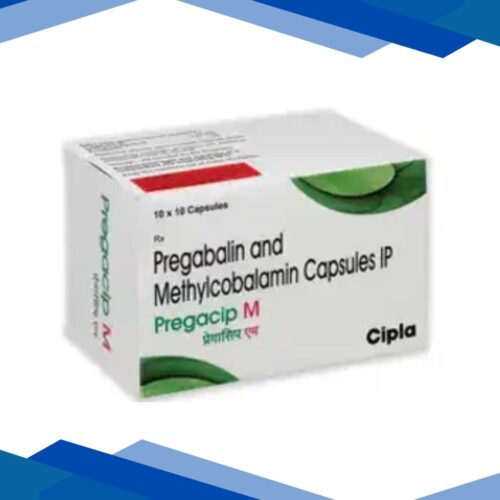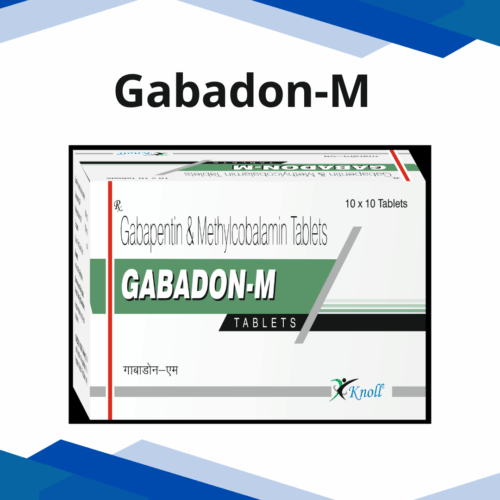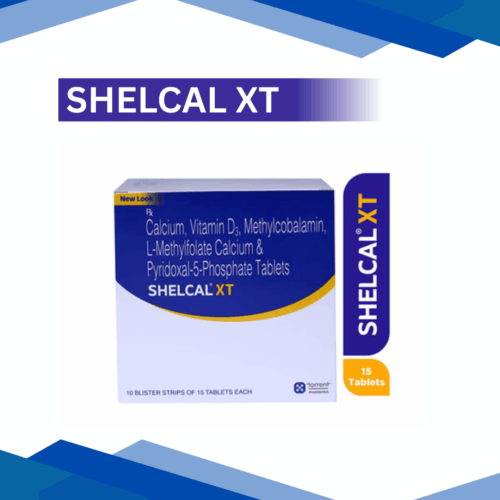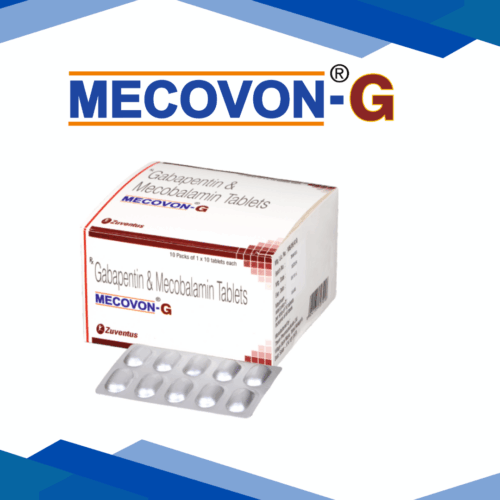

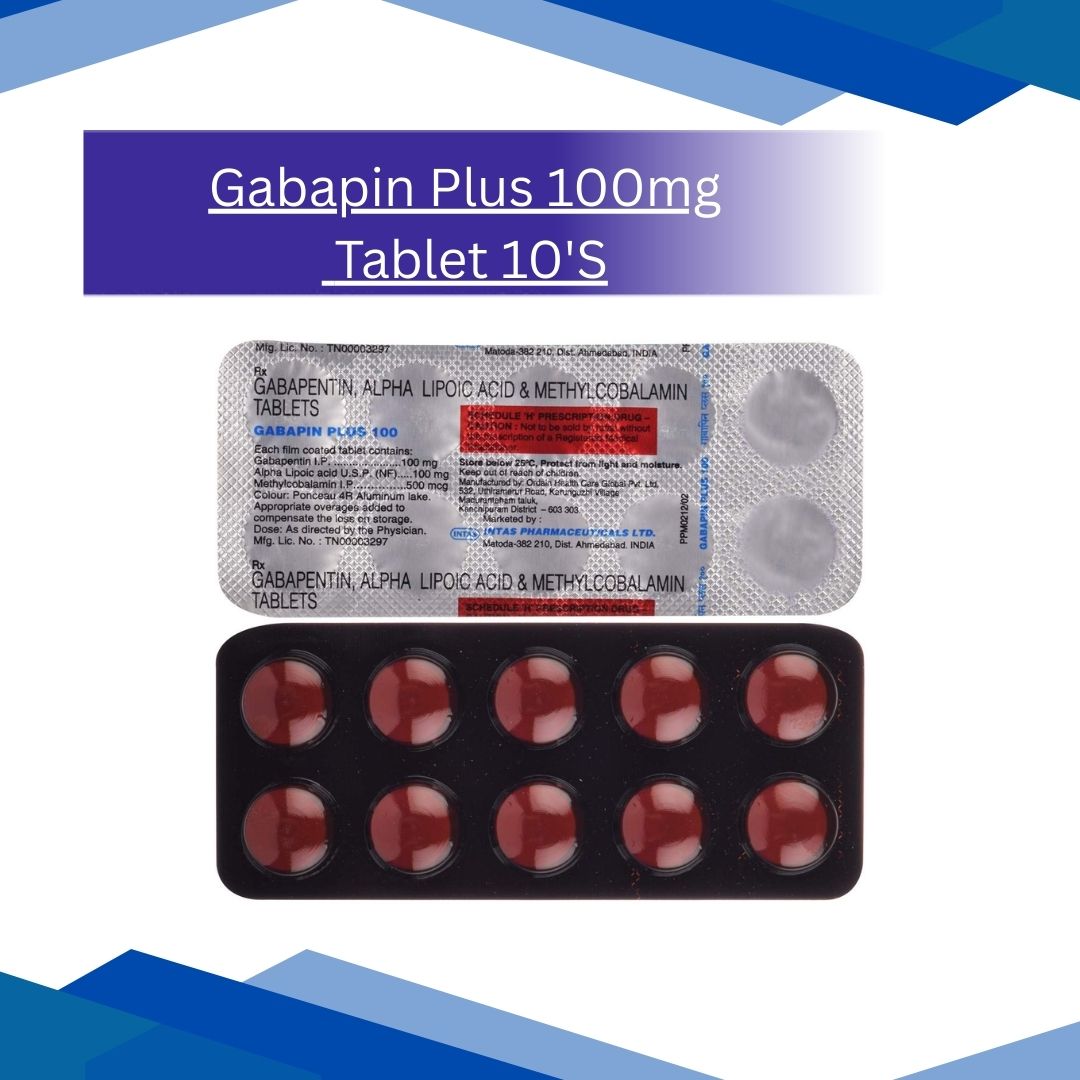
Gabapin Plus 100mg Tablet 10’S
No Prescription yet? Don’t worry! Click Here to Get Online Consultation
Gabapin Plus 100 Tablet is a combination medicine used in the treatment of neuropathic pain. It calms the damaged or overactive nerves by acting on the brain, thereby decreasing the sensation of pain. It also helps in the regeneration of damaged nerves in the body.
Alpha Lipoic Acid
600mg ALA 600mg Capsule Alpha-Lipoic Acid (ALA) is a versatile and potent antioxidant, an organosulfur compound. Known as the “universal antioxidant” because it is both water- and fat-soluble, it works throughout the body to neutralize free radicals. Besides its protective effect, it also plays a key role in cellular energy production, assisting mitochondria in turning glucose into energy.
Major Health Benefits Promotion of Nerve Health: Widely used in treating diabetic neuropathy symptoms such as tingling, burning sensation, and numbness in the hands and feet. Regulation of Blood Sugar: Helps improve insulin sensitivity and supports better blood glucose utilization. Making of Cellular Energy: Acts as a co-factor in the Citric Acid Cycle, thereby enhancing cellular metabolism. Recycles Antioxidants: Helps regenerate other antioxidants like Vitamin C, Vitamin E, and Glutathione after they are depleted.
Use Instruction Absorption Timing: For maximum bioavailability, take on an empty stomach—typically 30 minutes before meals or 2 hours after. Dosage: Common therapeutic doses include 300mg or 600mg, taken once or twice daily. Always follow your healthcare provider’s advice. Storage: Store in a cool, dry place away from sunlight to maintain stability of active ingredients.
Safety & Precautions Clinical Note: Although generally well-tolerated, ALA can significantly lower blood sugar levels. Monitor carefully if you are on insulin or oral antidiabetic medications. Alcohol Intake: Chronic alcohol use may cause thiamine (Vitamin B1) deficiency. Taking ALA in such cases may pose health risks—consult your doctor. Thyroid Health: May interact with thyroid hormone therapies (e.g., Levothyroxine). Medical supervision is advised. Surgery: Discontinue use at least 2 weeks before surgery due to its effect on blood glucose levels.
Common Side Effects Most individuals tolerate ALA well, but some may experience:
- Mild nausea or stomach upset
- Dizziness or lightheadedness
- Rare skin rash or itching
- Temporary metallic taste in the mouth
Frequently Asked Questions (FAQs) Q: Is Lipoic Acid the same as Omega-3 (alpha-linolenic acid)? A: No. Both share the acronym ALA but are different. Alpha-Lipoic Acid is a sulfur-containing antioxidant, while Alpha-Linolenic Acid is an essential fatty acid found in flaxseed and fish oil.
Q: Can Lipoic Acid aid in weight loss? A: Some studies suggest it may support weight management by reducing appetite and boosting metabolism, especially when combined with diet and exercise.
Q: Why should I take it on an empty stomach? A: Food—especially mineral-rich foods—can reduce absorption. Taking it before meals ensures better bioavailability.
Q: How long does it take to see results for nerve pain? A: Some may notice improvement within 3–5 weeks, but significant benefits are typically observed over 3–4 months with consistent use.
Q: Can my child take this supplement? A: High doses may be unsafe for children. Use only under strict medical supervision.
Gabapentin
Gabapentin Capsules/Tablets Gabapentin is a versatile prescription medication primarily classified as an anticonvulsant or antiepileptic drug. While it was originally developed to treat certain types of seizures, it is now widely recognized as a gold standard for managing neuropathic pain (nerve pain). It works by stabilizing electrical activity in the brain and influencing the way the body sends pain signals through the nervous system. +2 Therapeutic Uses Neuropathic Pain: Effectively manages long-term pain caused by nerve damage, such as Diabetic Neuropathy or Peripheral Neuralgia. Postherpetic Neuralgia: Relieves the burning or stabbing pain that often lingers after an encounter with Shingles (Herpes Zoster). Epilepsy Management: Used as an "adjunctive" therapy to help control partial-onset seizures in adults and children. Restless Legs Syndrome (RLS): Helps reduce the uncomfortable sensations and "urge to move" associated with RLS, particularly at night. Quick Product Facts Feature Details Drug Class GABA Analog / Anticonvulsant Common Strengths 100mg, 300mg, 400mg, 600mg, 800mg Typical Onset 1–3 hours for peak plasma levels Consumption With or without food How to Use Gabapentin Consistency is Key: Take your dose at the same time every day to maintain a steady level of the medicine in your bloodstream. Swallow Whole: Do not crush or chew the capsules or tablets. If you are using scored tablets and break them in half, use the second half for your next scheduled dose. Antacid Gap: If you take antacids containing Aluminum or Magnesium (like Digene or Mucaine Gel), wait at least 2 hours before taking Gabapentin, as these can block its absorption. Safety & Side Effects Most people tolerate Gabapentin well, though some "adjustment" symptoms are common during the first week: Dizziness or Drowsiness: This is the most frequent side effect. Avoid driving until you know how the drug affects you. Coordination Issues: You might feel a bit "clumsy" or unsteady on your feet initially. Dry Mouth or Fatigue: Staying hydrated can help manage these minor issues. Peripheral Edema: Some users notice slight swelling in their ankles or feet. Critical Warning: In rare cases, this medication can affect your mood. If you or your family notice unusual changes in behavior, increased anxiety, or thoughts of self-harm, contact your healthcare provider immediately. Frequently Asked Questions (FAQs) Q: Is Gabapentin a painkiller like Ibuprofen or Paracetamol? No. Gabapentin is not for routine pain from injuries or headaches. It specifically targets "nerve pain," which feels more like burning, tingling, or electric shocks. It works on the nervous system rather than at the site of a physical injury. +1 Q: Can I stop taking it once my pain goes away? Never stop Gabapentin abruptly. Doing so can cause "withdrawal-like" symptoms or even trigger seizures. Your doctor will typically "taper" your dose—slowly reducing it over several days—to ensure your body adjusts safely. +1 Q: Why do I have to take it three times a day? Gabapentin has a relatively short "half-life" in the body. Taking it at regular intervals (usually morning, afternoon, and night) ensures the medicine stays active and effective throughout the 24-hour cycle. +1 Q: Will it make me feel "high" or addicted? Gabapentin is not an opioid. However, because it calms the nervous system, it can cause a sense of relaxation. It should only be used under strict medical supervision to prevent misuse or dependency. Q: What should I do if I miss a dose? Take it as soon as you remember. However, if it’s almost time for your next dose, skip the missed one. Never "double up" to catch up. Storage & Disposal Store in a cool, dry place away from direct moisture and sunlight. Keep out of reach of children, as accidental ingestion can be dangerous for non-patients. Disclaimer: This content is for informational purposes and mirrors standard pharmaceutical guides. It is not a substitute for professional medical diagnosis. Always consult your doctor before starting or stopping any prescription medication.
Methylcobalamin
Vitamin B12 Methylcobalamin 1500 mcg Caps/Tab Methylcobalamin is the most bioactive and powerful form of Vitamin B12, especially suitable for vegetarians. Compared to synthetic forms like cyanocobalamin, it is already in a body-ready state and acts more efficiently without requiring conversion in the liver. It is primarily essential for nerve health, brain function, and red blood cell formation.
Major Likely Health Benefits Support the Nerves: Often recommended for neuropathy (especially in diabetes) and peripheral nerve pain. It helps regenerate nerve sheaths and improves nerve signal transmission. Boost Energy: Supports DNA synthesis and red blood cell production, helping reduce fatigue and brain fog. Support Cognitive Functions: Aids in memory, sleep regulation, and mental clarity. Homocysteine Regulation: Helps lower homocysteine levels, supporting cardiovascular health.
For Usage Guide Dosage: The usual dose is 25–75 mg per day. Higher doses may be gradually increased (in 25–50 mg increments) up to 300 mg per day over several months, depending on individual response and medical advice.
Adverse Effects and Interactions Toxicity: Methylcobalamin has low toxicity. Excess amounts are usually excreted in urine due to its water-soluble nature. Alcohol Interaction: Alcohol consumption may reduce absorption and effectiveness; avoid excessive intake.
Severe Adverse Effects Although rare, monitor for: Lightheadedness Unusual neurological symptoms
Withdrawal Symptoms Withdrawal symptoms may vary depending on associated medications and typically appear within hours to days, resolving over weeks.
Pregnancy and Lactation Pregnancy: Use only under medical supervision. Lactation: Small amounts may pass into breast milk, but generally considered safe under guidance.
Dosage Instructions for Special Populations Newborns, Infants, and Lactating Mothers: Use only under strict medical advice.
Possible Side Effects Methylcobalamin is generally well-tolerated, but some individuals may experience: Mild nausea or stomach upset Temporary dizziness Headache Occasional skin itching or rash
Frequently Asked Questions (FAQs)
Q: Why should I choose Methylcobalamin over Cyanocobalamin? A: Methylcobalamin is the natural, active form of Vitamin B12. It stays longer in the body and works directly at the nervous system level without requiring conversion, making it more efficient and effective.
Q: Can I take it for general tiredness? A: Yes, especially if fatigue is due to Vitamin B12 deficiency. Vegetarians and elderly individuals often benefit from supplementation.
Q: How long does it take to improve nerve pain? A: Energy levels may improve within 1–2 weeks, while nerve repair (numbness/tingling) may take 4–8 weeks of consistent use.
Q: Will overdosing on Vitamin B12 pose a risk? A: Generally no. Being water-soluble, excess Vitamin B12 is excreted. However, stick to recommended doses such as 1500 mcg daily unless advised otherwise.
Q: Are there any foods I should avoid while taking it? A: No major restrictions. However, excess alcohol may interfere with absorption, so moderation is advised.
At Gem Pharmacy, we make every effort to provide accurate, expert-written, and thoroughly reviewed information related to medicines. However, this information should not be considered a substitute for professional medical advice, diagnosis, or treatment from a qualified doctor.
The purpose of this information is to educate users and improve communication between patients and healthcare professionals. It should not be used to diagnose or treat any condition.
Always consult a certified healthcare professional before taking any medication.


Related products