

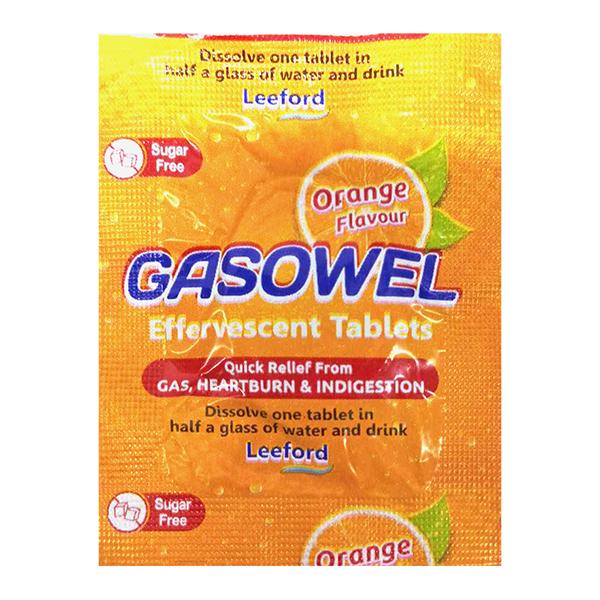
GASOWEL SUGAR FREE ORANGE FLAVOUR Effervescent Tablet 2’s
No Prescription yet? Don’t worry! Click Here to Get Online Consultation
Almagate + Simethicone is a combination medicine commonly used to relieve acidity, heartburn, gas, and indigestion. Almagate works as an antacid that neutralizes excess stomach acid, while Simethicone helps break down gas bubbles in the stomach and intestines, reducing bloating and discomfort. It provides quick relief from symptoms associated with acid reflux and gastric irritation.
Alpha Amylase
Alpha Amylase
Alpha amylase is a very strong digestive enzyme that is naturally synthesized by the salivary glands and the pancreas, with a general role in the initial stages of digestion, primarily by converting the very large carbohydrates (starch) into smaller carbohydrates like maltose and glucose that are easily absorbed by the body. Inadequate production of this enzyme diminishes the body from digesting bulkyness; the gas and bloating usually indicate that the body is not producing enough of the particular enzyme. These enzymes aren't only used to improve digestion, but are also used to create the necessary nutrients essential for bloating.
A-few Examples of When Alpha Amylase May Be Given:
Relief from dyspepsia: Minimizes bloatedness in belly and helps facilitate heavier digestion for Parneta Carbohydrates
Pancreatic health: Commonly used as adjunct therapy for chronic pancreatitis
Allergic Inflammation: Alpha-amylase is used in some enzyme mixtures to relieve inflammation and swelling of the throat and respiratory tract
Energizer: More glucose would be available for the body to burn by enhancing starch breakdown.
Snapshot of Product
Features
Category
Hydrolase/Digestive Enzyme
Available Form
Tablets, Syrup, Digestive Capsules
Common Uses
Bloating, Indigestion, Starch Malabsorption
More Common Synergists
Papain, Fungal Diastase, Pepsin
Dosage for Alpha Amylase
Timing: It is useful to take it after a meal or as directed by a physician for the right digestive Enhancer
Dosage: Measure it thoroughly as instructed on the label, and do not take more than allowed in a day.
Syrup: Follow a measuring spoon instead of a general kitchen spoon in case you get syrup liquids.
Important Safety Information
Warnings:
Diabetic Monitor: Sugar in the form of starch would be broken down into sugar levels; diabetics may need to have sugar levels monitored closely, particularly if they take Alpha Amylase.
Allergy Check: Verify the source of the enzyme, if it is derived from fungi or bacteria, as there may be some known sensitivity.
Pregnancy: Pregnancy, planning to get pregnant, or breast feeding: Consult your doctor.
Potential side effect:
Mild stomach cramps.
Excessive gas.
Mucusy or watery lots of stool.
6. What would be some of the ways in which Alpha Amylase improves the well-being of the individual?
Alpha Amylase cannot cause an effect upon body weight alone, but it aids digestion; therefore, it indirectly helps by improving the functioning of the gut and reducing bloating.
7. What is the difference between Salivary Amylase and Pancreatic Amylase?
Salivary amylase initially starts the ingestion of starch once the food is being chewed in the mouth while pancreatic amylase is secreted into the small intestine for the total starch breakdown; supplements will have a concentrated composition for support through both phases.
8. Does Alpha Amylase interact with other medications?
No major concerns about interactions with the compound have been established, and if the individual is taking blood thinners or gastrointestinal aids such as antacids, doctors should be informed so that the action of the enzyme is not hampered.
9. Why is Alpha Amylase sometimes included in sore throat medications?
In practice, Alpha Amylase has been shown to break down inflammation-causing proteins, thereby leading to reduced swelling in the throat and moist membranes.
10. How do I store these medications?
It should be stored in a cool and dry place and kept out of direct sunlight. These enzymes are pretty sensitive to heat, and once left at unsuitable temperatures the activities of enzymes can get affected.
Papain
Papain is a proteolytic enzyme extracted from the fruit of the papaya plant (Carica papaya). It is widely used as a digestive aid, helping break down complex proteins into simpler peptides and amino acids. Clinically, it is also recognized for its role in wound healing and as a potent anti-inflammatory agent.
Benefits to Primary Health
Optimizes the Digestion: Helps reduce bloating by breaking down high-protein meals efficiently.
Prevents Bloating and Gas: Limits fermentation in the stomach, thereby reducing gas formation.
Anti-Inflammatory: Helps reduce swelling and pain, especially after dental procedures or minor injuries.
Immune Support: Acts as a potent antioxidant, combating oxidative stress.
Sore Throat Relief: Lozenges may help reduce redness and swelling of the throat and pharynx.
Usage of Papain
For Digestion: Most effective when taken during or immediately after meals.
Dosage: Typically available in 100 to 500 mg capsules or chewable tablets. Always follow package instructions or your nutritionist’s advice.
Administration: Chewable tablets should be fully chewed or dissolved before swallowing for maximum enzyme activity in the mouth and throat.
Safety Precautions & Warnings
Allergy Alert: Individuals allergic to latex may experience cross-reactivity with papain (also linked with kiwi or figs). Discontinue use if rash or itching occurs.
Pregnancy & Breastfeeding: Generally not recommended during pregnancy, as enzymes from unripe papaya may trigger uterine contractions.
Surgical Precaution: Stop use at least 2 weeks before surgery or dental procedures due to its mild blood-thinning effect.
Drug Interaction: Consult a doctor before combining with blood thinners like Warfarin, as it may increase bruising risk.
Potential Side Effects
Papain is generally well-tolerated, but some users may experience:
- Mild stomach cramps
- Temporary diarrhea (especially at high doses)
- Throat irritation (with strong lozenges)
Frequently Asked Questions (FAQs)
Q: Can I mix the labels for Papain and Bromelain?
A: Both are proteolytic enzymes, but differ in source and function. Papain (from papaya) is more focused on protein digestion, while Bromelain (from pineapple) is often used for joint inflammation.
Q: Will taking Papain with water make me thin?
A: Papain is not a fat burner, but it may improve digestion and reduce bloating, which can contribute to a flatter abdomen.
Q: So will Morphin affect Papain in some way?
A: Some proteolytic enzymes may enhance the absorption of certain medications. It’s best to space doses or consult your healthcare provider.
Q: Can I get enough Papain from merely having the ripe papaya fruit?
A: Ripe papaya is beneficial, but higher concentrations of papain are found in unripe (green) papaya latex. Supplements provide a more standardized dose.
Q: Is it safe for daily use?
A: Generally safe for healthy adults when used as directed. For chronic conditions, cyclic use under professional guidance is recommended.
Simethicone
Simethicone, often prescribed as oral drops, chewable tablets, or capsules to relieve gas and pain, has almost become an accepted default anti-foaming agent for dyspepsia. Simethicone is actually an inert material that works to relieve its issues in physical ways without entering the general circulation and hence it is safe enough for children. Simethicone is usually available singly or in a tablet combined with an antacid for indigestion and heartburn.
UseTherapeutic Uses
Relieves Bloating: Quickly eases the bloated sensation of fullness and pressure in the stomach
Manages Flatulence: Assists in easy escape of the air, thereby reducing trapping of intestinal wind
Infantile Colic: Pediatric drops are often used to soothe babies with gas-induced distress
Preparation for Diagnosis: Occasionally used to clear out the gas shadow from the gastrointestinal tract before endoscopic or radiographic investigations
Mechanism of Action
All in all, simethicone lowers the surface tension of gas bubbles in the stomach and intestines.
Coalescence: This phenomenon brings together the small bubbles caught inside the larger ones.
Evacuation: These larger bubbles become more manageable for the body to excrete either by belching or burping.
Note: Simethicone does not prevent gas from forming but makes it easier to exit from the body.
Dosage & Administration
Adults: Generally, 40-125 mg should be taken four times a day or the dosage should be given as needed.
Children: Dosage used in infants is normally weight-based. Use the medicine dropper provided with the drug.
Timing: It is better to take simethicone after meals and at bedtime.
Form: The chewable tablets need to be thoroughly chewed before swallowing; liquids must be shaken prior to usage
Safety Profile & Side Effects
Since simethicone does not enter the bloodstream, its side effects are almost nonexistent, leading to a good safety profile.
Use of Common Side Effects: Infrequent record of diarrhea or nausea. Consult your physician if you experience any signs of allergy.
Prep & Warnings
Interactions: Simethicone could potentially reduce the uptake of indifferent thyroid medicaments (Levothyroxine) while being taken. Keep four hours in between the two.
Pregnancy/Breastfeeding: It ought to be fine, as it is not leaked into the general circulation, but do ask the doctor.
Underlying/Minor Ailments: If they bother people for more than two weeks or get worse, sidle close to a gastroenterologist.
FAQs
Q: Can Simethicone be an antacid?
No; simethicone is, in fact, an antiflatulent. While the combination of antacids and simethicone (such as magnesium hydroxide) available sell them as "2-in-1," they do not, in fact, work to neutralize stomach acid. It is working to break down the gas bubbles.
Q: When does simethicone usually begin to work?
You will typically feel relief in 15 to 30 minutes, as the gas bubbles begin to move through and break up in the digestive tract.
Q: Can I give simethicone to my newborn?
Yes, actually simethicone is quite often given to colicky babies. Just make sure you use only the infant-strength (drops) and administer as per pediatrician's instructions.
Q: Can simethicone be taken every day?
You can use it daily as needed; however, always discuss with your doctor if you need it every day for more than two weeks, to rule out chronic conditions like IBS or food intolerances.
Q: Does simethicone cause constipation?
No, simethicone doesn't usually induce constipation. Should you experience an alteration of your bowel habits, it could be the other ingredients and/or any existing components present within the formula that promote bowel habit alterations, so talk with your doctor about simethicone or the composition of the pharmaceutical preparation.
Storage
Store at room temperature ($20\text{°C}$ to $25\text{°C}$). Keep bottled products away from dampness and heat. Always keep the bottle tightly closed when not in use.
Disclaimer: These facts are only for educational purposes and not a piece of actual medical advice. Always go through the label or see your physician before using the product.
At Gem Pharmacy, we make every effort to provide accurate, expert-written, and thoroughly reviewed information related to medicines. However, this information should not be considered a substitute for professional medical advice, diagnosis, or treatment from a qualified doctor.
The purpose of this information is to educate users and improve communication between patients and healthcare professionals. It should not be used to diagnose or treat any condition.
Always consult a certified healthcare professional before taking any medication.


Related products

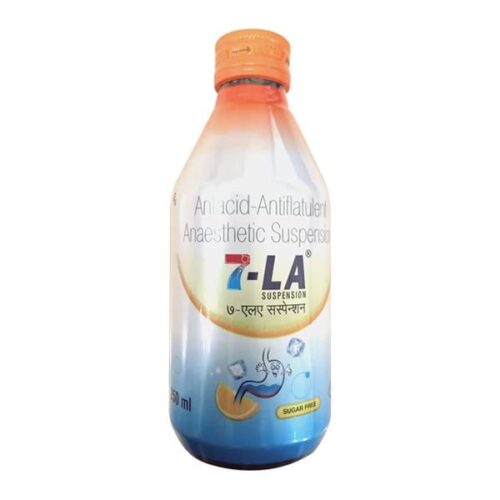
7 LA SUGAR FREE Suspension 250ml

Ulgel Sugar Free Low Sodium Saunf Flavour Suspension 450ml