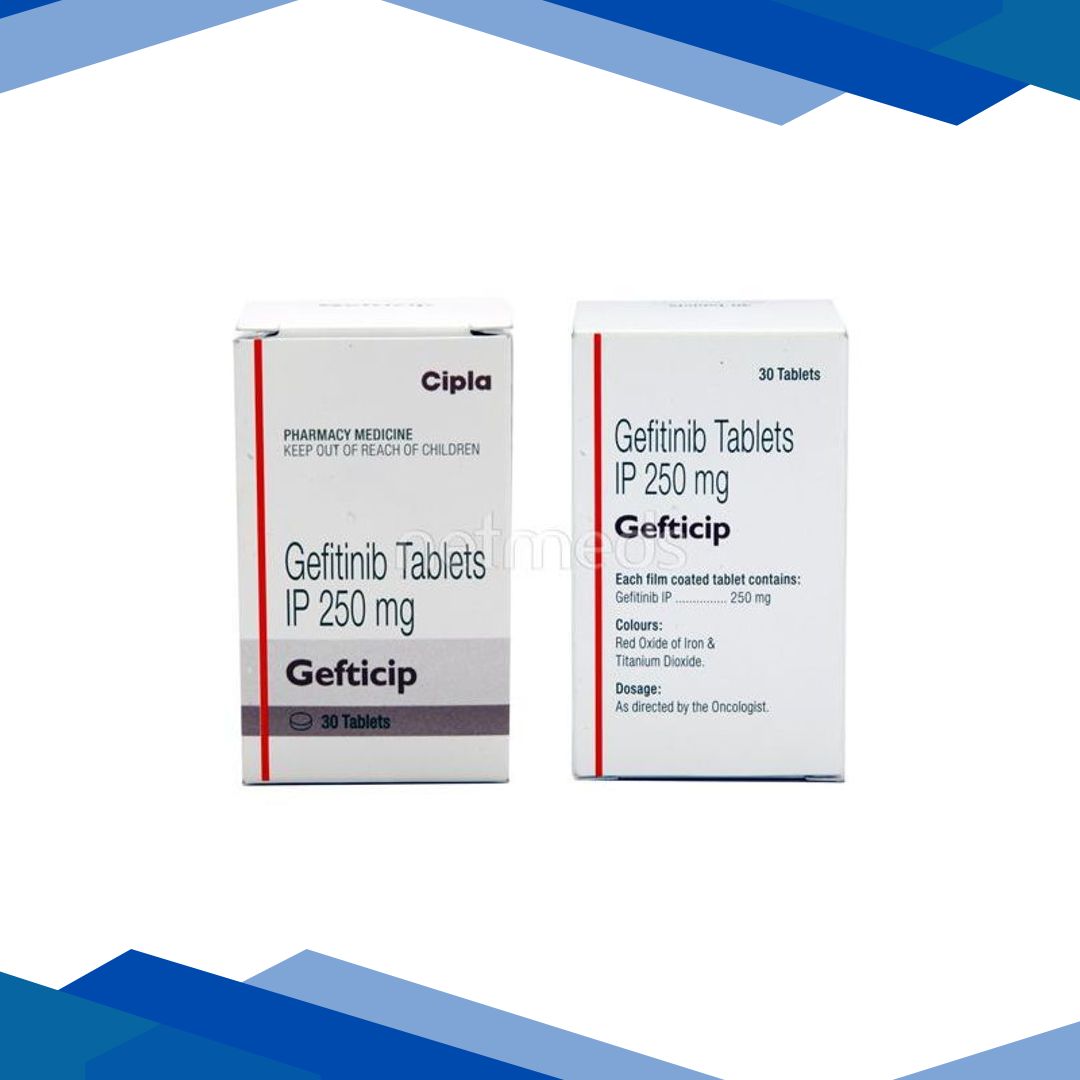
Gefticip 250mg Tablet 30’S
Gefticip 250mg Tablet is a prescription medicine used to treat certain types of non-small cell lung cancer, especially when the cancer cells have specific changes that make them grow too quickly. It works by blocking a protein called epidermal growth factor receptor, or EGFR, which helps cancer cells receive signals to grow and divide. By stopping this signal, Gefticip 250mg Tablet can help slow the growth and spread of cancer. It is not a cure, but it may help control the disease and improve symptoms in some patients. This medicine is usually given under the care of an oncologist after proper testing to confirm it is the right treatment. Like all cancer medicines, it should be used only as directed by a healthcare professional.
Description
Gefticip 250mg Tablet is a targeted anti-cancer medicine used in the treatment of certain types of lung cancer, especially non-small cell lung cancer that has specific genetic changes affecting the epidermal growth factor receptor, commonly called egfr. it belongs to a group of medicines known as egfr tyrosine kinase inhibitors, which means it works by blocking signals that cancer cells need in order to grow, divide, and survive. by interfering with these signals, Gefticip 250mg Tablet can help slow the progression of the disease and may improve symptoms in some patients.
this medicine is not a general chemotherapy drug in the traditional sense. instead of attacking all rapidly dividing cells, it is designed to act more selectively on cancer cells that depend on egfr signaling. because of this targeted action, it may be better tolerated than some older cancer treatments, although it can still cause serious side effects and requires close medical supervision. it is usually considered only when testing shows that the cancer carries an egfr mutation or when a specialist determines it is appropriate based on the patient’s condition.
Gefticip 250mg Tablet is mainly used in adults with advanced or metastatic non-small cell lung cancer, particularly when the tumor has egfr activating mutations. these mutations make the cancer more likely to respond to egfr-blocking therapy. the medicine may be used as first-line therapy in selected patients or in other situations depending on treatment history and clinical judgment. because cancer treatment must be individualized, the decision to use Gefticip 250mg Tablet should always be made by an oncologist or other qualified healthcare professional.
understanding how this medicine works can help patients know why genetic testing and careful follow-up are so important. cancer cells with egfr abnormalities receive strong growth signals through this receptor. Gefticip 250mg Tablet binds to the internal part of the receptor and blocks its enzyme activity, which reduces downstream signaling pathways involved in cell growth, survival, and spread. as a result, the tumor may shrink, remain stable for a period, or grow more slowly. however, resistance can develop over time, so monitoring and reassessment are often needed during treatment.
ingredients
- Gefticip 250mg Tablet: this is the active ingredient and the main therapeutic component of the medicine. it is the substance responsible for blocking egfr signaling in cancer cells, helping slow tumor growth and disease progression in appropriate patients.
- tablet excipients or inactive ingredients: depending on the manufacturer, the tablet may contain substances such as fillers, binders, disintegrants, and coating materials that help form the tablet, maintain stability, and allow proper absorption. these do not treat cancer directly but are essential for the medicine’s quality and delivery.
key uses
- egfr mutation-positive non-small cell lung cancer: Gefticip 250mg Tablet is used to treat certain patients whose tumors test positive for egfr mutations. these cancers often respond well to egfr-targeted therapy compared with standard treatment alone.
- advanced or metastatic lung cancer: it may be used when lung cancer has spread beyond the original site or cannot be removed surgically, especially when the disease is driven by egfr signaling.
- first-line targeted therapy in selected patients: in some cases, specialists may prescribe it early in treatment if the tumor characteristics and patient factors support its use.
- disease control and symptom relief: by slowing tumor growth, it may help reduce cancer-related symptoms such as cough, breathlessness, chest discomfort, or fatigue in some patients.
how to use
Gefticip 250mg Tablet should be taken exactly as directed by the prescribing oncologist. it is generally used as an oral medicine taken by mouth, usually once daily, but the exact schedule should always follow the specialist’s instructions. it may be taken with or without food depending on the product directions, but it is important to take it consistently in the same way each day to help maintain steady levels in the body. swallow the tablet whole with water unless your healthcare professional advises otherwise.
because this is a cancer medicine, treatment should not be started, stopped, or changed without medical guidance. if the patient has trouble swallowing, experiences stomach upset, or has any questions about administration, the oncology team should be consulted. regular follow-up visits, blood tests, and sometimes imaging studies are often needed to monitor response to treatment and check for adverse effects. genetic testing for egfr mutation is generally important before or during decision-making, as the medicine is most effective in patients with the appropriate tumor profile.
if a dose is missed, the patient should follow the instructions provided by the healthcare professional or the medicine label. in many cases, the missed dose is skipped if it is close to the time of the next scheduled dose rather than doubling up. taking extra medicine to make up for a missed dose can increase the risk of side effects. patients should also tell their doctor about any new symptoms, especially breathing problems, severe rash, eye discomfort, persistent diarrhea, or signs of liver issues.
safety information
- warnings: Gefticip 250mg Tablet can cause serious lung, liver, skin, and gastrointestinal side effects in some people. rare but severe lung inflammation, known as interstitial lung disease or pneumonitis, can occur and may be life-threatening. any new or worsening cough, fever, or shortness of breath should be reported urgently. liver function changes are also possible, so monitoring may be required. severe diarrhea can lead to dehydration if not treated promptly.
- side effects: common side effects may include diarrhea, skin rash, acne-like eruptions, dryness or itching of the skin, nausea, vomiting, decreased appetite, mouth irritation, and tiredness. some patients may also notice nail changes or mild hair changes. serious side effects can include severe lung problems, significant liver injury, eye inflammation, severe skin reactions, or worsening general condition. immediate medical attention is needed if symptoms are severe or unusual.
- precautions: people with a history of lung disease, liver disease, severe dehydration, or significant eye problems should use extra caution. patients should inform their healthcare provider about all existing medical conditions and all medicines they take. the medicine should be used only when prescribed by a clinician familiar with cancer treatment. not every patient with lung cancer is a suitable candidate; egfr status and overall clinical condition matter.
- pregnancy/breastfeeding: Gefticip 250mg Tablet may harm an unborn baby and is generally not recommended during pregnancy unless a specialist determines the benefit outweighs the risk. effective contraception is usually advised during treatment and for a period after the last dose, according to medical guidance. breastfeeding is generally not recommended while taking this medicine because of potential risk to the infant. patients who are pregnant, planning pregnancy, or breastfeeding should consult their oncologist promptly.
- interactions: several medicines can interact with Gefticip 250mg Tablet, especially drugs that affect liver enzymes such as cyp3a4. certain antibiotics, antifungals, anti-seizure medicines, and herbal products may alter how the medicine works. medicines that reduce stomach acid, such as some proton pump inhibitors and h2 blockers, may lower absorption and should be reviewed by a clinician. grapefruit products may also affect levels of some medicines and should be discussed with a healthcare professional. alcohol may worsen side effects such as nausea, dehydration, or liver stress, so caution is advised.
additional information
- storage: store Gefticip 250mg Tablet in its original container at room temperature, away from excess heat, moisture, and direct light. keep it out of reach of children and pets. do not store it in a bathroom unless the product instructions specifically allow it, as humidity can damage the medicine.
- missed dose: if a dose is missed, follow the instructions given by the healthcare provider or prescription label. in many cases, the missed dose is not taken if it is almost time for the next dose. do not take two doses at once unless a doctor specifically tells you to do so.
- overdose: taking too much Gefticip 250mg Tablet can increase the risk of severe side effects such as marked diarrhea, vomiting, skin reactions, liver problems, and general weakness. if an overdose is suspected, seek urgent medical help or contact a poison control center immediately. bring the medicine package with you if possible.
- habit forming: no. Gefticip 250mg Tablet is not known to be habit forming or addictive. however, it must be used exactly as prescribed because it is a serious anti-cancer treatment that requires careful medical monitoring.
frequently asked questions
Q: what is Gefticip 250mg Tablet used for?
A: Gefticip 250mg Tablet is used to treat certain types of non-small cell lung cancer, especially when the tumor has an egfr mutation that makes it responsive to egfr-targeted therapy.
Q: does Gefticip 250mg Tablet cure cancer?
A: Gefticip 250mg Tablet is not considered a cure for cancer, but it may help control the disease, slow its growth, and improve symptoms in appropriate patients.
Q: why is egfr testing important before taking this medicine?
A: egfr testing helps determine whether the cancer is likely to respond to Gefticip 250mg Tablet. the medicine works best in tumors with activating egfr mutations.
Q: can Gefticip 250mg Tablet cause diarrhea?
A: yes. diarrhea is a common side effect. it should be monitored closely because severe diarrhea can lead to dehydration and may require medical treatment.
Q: can Gefticip 250mg Tablet cause skin problems?
A: yes. a rash, dry skin, itching, or acne-like changes are common. in some cases, skin reactions can be more severe and need medical attention.
Q: what serious side effects should i watch for?
A: seek urgent help for shortness of breath, persistent cough, fever, yellowing of the eyes or skin, severe diarrhea, eye pain, or a rapidly worsening rash.
Q: can i take Gefticip 250mg Tablet with food?
A: it is usually taken by mouth according to the prescriber’s directions, and it is important to take it consistently as advised. if the product label or doctor gives specific instructions about food, follow those carefully.
Q: what if i miss a dose?
A: if you miss a dose, follow the directions on your prescription label or from your doctor. do not double the dose unless specifically instructed by a healthcare professional.
Q: is Gefticip 250mg Tablet safe during pregnancy?
A: it may harm an unborn baby, so it is generally avoided during pregnancy unless a specialist decides it is necessary. contraception is usually recommended during treatment.
Q: can i breastfeed while taking Gefticip 250mg Tablet?
A: breastfeeding is generally not recommended during treatment because of the potential risk to the nursing infant. discuss safer options with your doctor.
Q: does alcohol interact with Gefticip 250mg Tablet?
A: alcohol does not have a known direct major interaction in all cases, but it may worsen side effects like dehydration, stomach upset, or liver stress. medical advice is recommended.
Q: can other medicines affect how Gefticip 250mg Tablet works?
A: yes. some prescription medicines, over-the-counter drugs, and herbal products can affect Gefticip 250mg Tablet levels or absorption. always tell your doctor and pharmacist about everything you take.
Q: do i need regular tests while taking this medicine?
A: yes. regular monitoring is often important to check treatment response and watch for side effects, including liver tests and assessment for lung or skin complications.
Q: what should i do if i develop breathing problems?
A: new or worsening breathing problems can be a serious warning sign. stop and seek immediate medical attention, as this may indicate lung inflammation or another urgent condition.
Q: can Gefticip 250mg Tablet be used in all lung cancers?
A: no. it is mainly used for specific egfr mutation-positive non-small cell lung cancers. it is not appropriate for every type of lung cancer or every patient.
Q: should i stop the medicine if i feel better?
A: no. do not stop or change the medicine on your own. cancer treatment decisions should be made with the oncology team, even if symptoms improve.
Q: what are signs of liver problems with Gefticip 250mg Tablet?
A: possible signs include yellowing of the skin or eyes, dark urine, unusual tiredness, loss of appetite, nausea, or upper abdominal pain. report these promptly to a doctor.
Q: can this medicine cause eye problems?
A: yes, eye irritation or inflammation can occur in some patients. pain, redness, blurred vision, or increased tearing should be checked by a healthcare professional.
Q: is Gefticip 250mg Tablet the same as chemotherapy?
A: it is a targeted anticancer therapy, not traditional chemotherapy. it works by blocking a specific cancer-related pathway rather than broadly killing fast-growing cells.
Q: who should decide whether i can take Gefticip 250mg Tablet?
A: an oncologist or qualified healthcare professional should decide based on the cancer type, egfr mutation status, overall health, other medicines, and treatment goals.
this information is for educational purposes only and should not be considered medical advice. always consult a qualified healthcare professional before use.
At Gem Pharmacy, we make every effort to provide accurate, expert-written, and thoroughly reviewed information related to medicines. However, this information should not be considered a substitute for professional medical advice, diagnosis, or treatment from a qualified doctor.
The purpose of this information is to educate users and improve communication between patients and healthcare professionals. It should not be used to diagnose or treat any condition.
Always consult a certified healthcare professional before taking any medication.


Related products
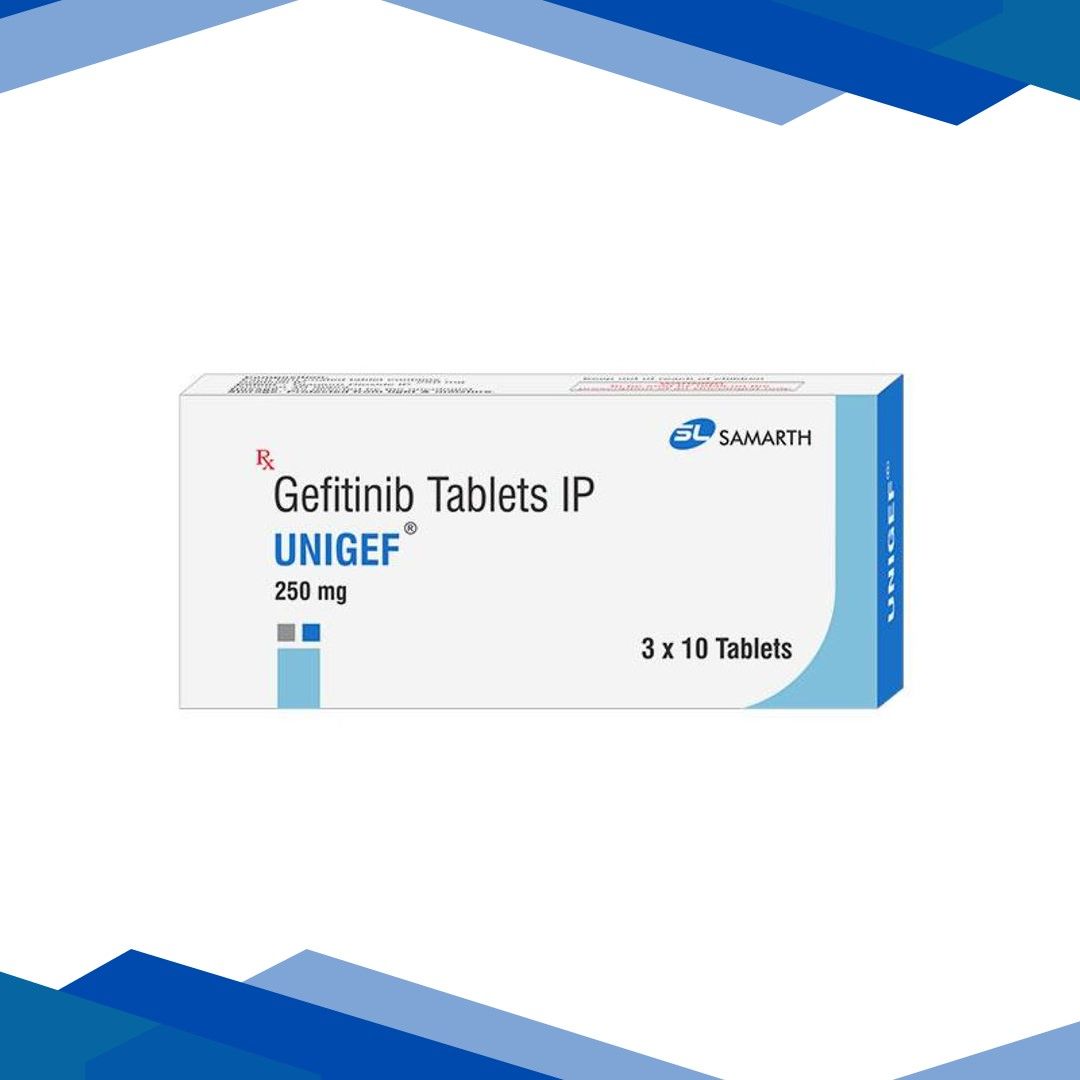
UNIGEF 250 Tablet 10’s