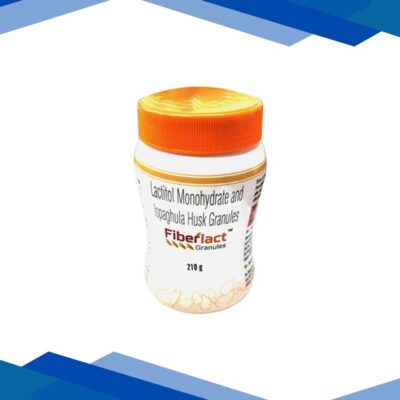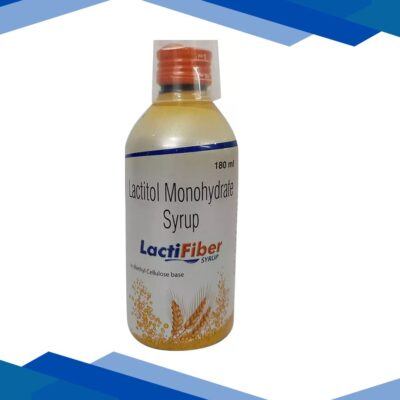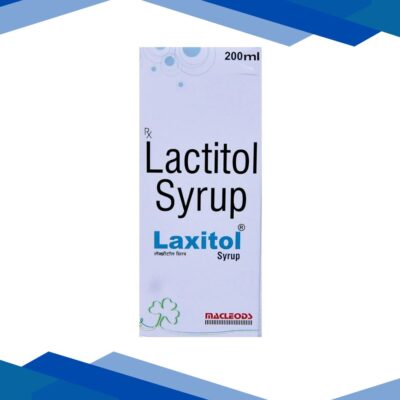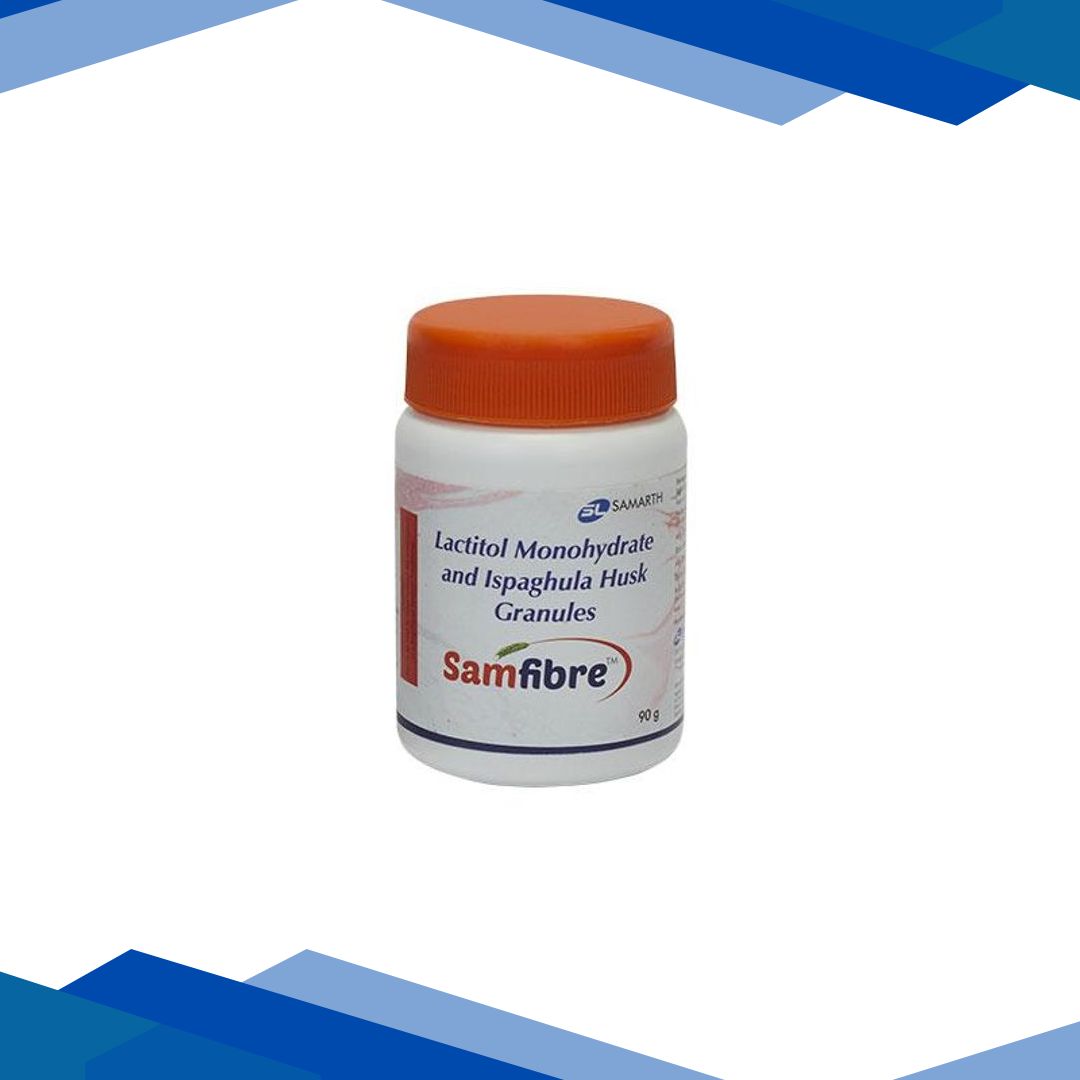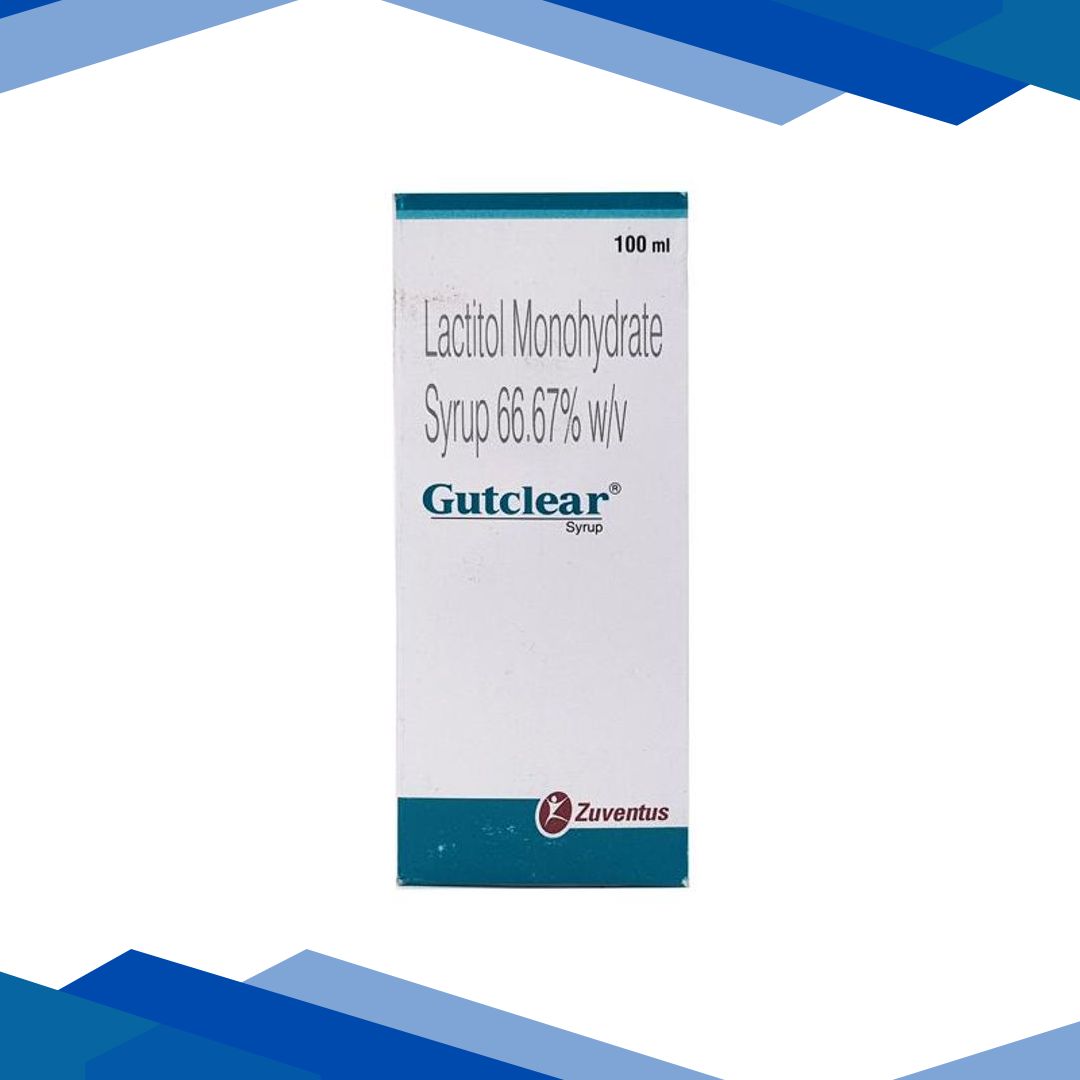
Gutclear Syrup 100ml
❌ Due to high demand, this product is currently out of stock. New stock will be available shortly.
👉 Click here to Buy Same Salt medicine
Gutclear Syrup is an osmotic laxative used to help relieve constipation and, in some cases, to manage hepatic encephalopathy. It works by drawing water into the bowel, which softens the stool and makes it easier to pass. Gutclear Syrup is also broken down by gut bacteria, creating an environment that helps stimulate bowel movement naturally. Because of this action, it can improve stool frequency and reduce discomfort caused by hard or infrequent stools. In people with liver disease, it may help lower the amount of ammonia absorbed from the gut, supporting brain function under medical supervision. Gutclear Syrup is generally used when gentle relief from constipation is needed, and it should be taken as directed by a healthcare professional for the best and safest results.
Description
Gutclear Syrup is an osmotic laxative used mainly to relieve constipation and, in some situations, to help reduce the absorption of ammonia in people with certain liver-related conditions. it works by drawing water into the bowel, which softens stool and makes it easier to pass. because it is not significantly broken down or absorbed in the upper digestive tract, Gutclear Syrup reaches the colon where it is acted on by normal bowel bacteria and exerts its laxative effect. this makes it a useful option for people who need gentle relief from infrequent, hard, or difficult bowel movements.
unlike stimulant laxatives, which directly trigger intestinal contractions, Gutclear Syrup works more gradually by changing the water content and consistency of stool. this often leads to a smoother bowel movement pattern, though the effect may take time to appear. it is commonly considered when dietary measures such as increased fiber, fluids, and physical activity are not enough to manage constipation. in some patients with hepatic encephalopathy, Gutclear Syrup may also help lower blood ammonia by altering bowel ph and bowel transit, though this use should always be supervised by a healthcare professional.
Gutclear Syrup is generally intended for adults and, in selected cases, older children under medical guidance. it is important to use it as directed because taking too much may cause diarrhea, cramping, bloating, or dehydration. people with underlying bowel disease, severe abdominal pain, or unexplained changes in bowel habits should seek medical advice before using it. while it is often well tolerated, safe use depends on choosing the right patient, monitoring symptoms, and adjusting intake according to response.
ingredients
- Gutclear Syrup: the active ingredient in this medicine. Gutclear Syrup is an osmotic disaccharide alcohol that is poorly absorbed in the small intestine. once it reaches the colon, it attracts water into the bowel and is fermented by intestinal bacteria, which helps soften stool and stimulate bowel movements. this action supports relief from constipation and may also help in certain liver-related conditions by reducing ammonia absorption.
- inert excipients: depending on the product formulation, Gutclear Syrup may be present as a powder, granules, or oral solution with non-medicinal ingredients used for stability, taste, texture, or shelf life. these inactive components do not provide the therapeutic effect, but they may matter for people with sensitivities. the exact excipients vary by brand and country, so the product label should be checked carefully.
key uses
- constipation relief: Gutclear Syrup is used to help soften hard stools and improve bowel movement frequency in people with occasional or chronic constipation. it can be helpful when constipation is linked to low fiber intake, inadequate fluid intake, inactivity, or slow bowel transit.
- support for bowel regularity: in people who experience infrequent or difficult bowel movements, Gutclear Syrup may be used to restore a more regular pattern of stool passage. it works gently by increasing water in the stool rather than forcing the bowel to contract.
- hepatic encephalopathy management: in some patients with liver disease, Gutclear Syrup may be used under specialist care to help reduce intestinal ammonia absorption and lower the risk of confusion or other symptoms related to hepatic encephalopathy. this use requires close monitoring and should not be self-treated.
- preparation for improved bowel comfort: by softening stool and reducing straining, Gutclear Syrup may help lessen discomfort associated with hard stools, hemorrhoids, or anal fissures caused or worsened by constipation. it does not treat the underlying cause of these problems, but it may support symptom relief.
how to use
Gutclear Syrup should be taken exactly as recommended on the product label or by a healthcare professional. it is commonly taken by mouth as a powder, granules, or solution, and it may be mixed with water or another suitable beverage if the formulation allows. the medicine can often be taken with or without food, but following the specific instructions for the brand is important because some forms may be easier to tolerate when taken with meals or after food.
for constipation, Gutclear Syrup is usually taken consistently rather than only when symptoms are severe, because its effect is gradual. it may take some time before bowel movements improve, so it should not be expected to work immediately like a stimulant laxative. drinking enough fluids during treatment is important, since dehydration can worsen constipation and increase the risk of side effects such as dizziness or diarrhea-related fluid loss. diet and lifestyle measures such as higher fiber intake, regular exercise, and responding promptly to the urge to defecate may improve results.
if Gutclear Syrup is being used for a liver-related condition, the dosing approach and monitoring may differ, and treatment should be directed by a physician. do not increase the amount on your own if relief is not immediate. too much Gutclear Syrup can produce loose stools, abdominal bloating, gas, or cramping. if symptoms persist, if constipation becomes severe, or if there is blood in the stool, vomiting, or significant abdominal pain, medical evaluation is necessary.
safety information
- warnings: Gutclear Syrup can cause excessive diarrhea if taken in too high an amount, which may lead to dehydration, weakness, low blood pressure, and imbalance of electrolytes such as sodium or potassium. people with severe abdominal pain, nausea, vomiting, or suspected bowel obstruction should not use it until a doctor has ruled out a serious condition. any sudden or unexplained change in bowel habits should be assessed, especially if constipation is new, persistent, or associated with weight loss or rectal bleeding.
- side effects: common side effects include bloating, gas, abdominal discomfort, cramping, nausea, and loose stools. these effects are often related to fermentation in the colon and may improve as the body adjusts or if the dose is reduced. serious side effects are uncommon but can include severe diarrhea, dehydration, fainting, electrolyte disturbances, or allergic reactions such as rash, itching, swelling, or difficulty breathing.
- precautions: use caution in people with diabetes, because some formulations may affect blood sugar considerations depending on the product and overall diet, though Gutclear Syrup itself is minimally absorbed. extra caution is needed in older adults, people with kidney problems, those at risk of dehydration, and anyone with a history of bowel obstruction, inflammatory bowel disease flare-ups, unexplained abdominal pain, or chronic diarrhea. children should use it only under medical supervision. patients with liver disease should use it only as prescribed and monitored by a clinician.
- pregnancy/breastfeeding: Gutclear Syrup is generally considered to have low systemic absorption, which suggests a low likelihood of direct exposure to the fetus or infant. however, safety data in pregnancy and breastfeeding may be limited, and any use should be discussed with a doctor. the benefits and possible risks should be assessed individually, especially if diarrhea or dehydration could become a concern.
- interactions: Gutclear Syrup may affect the absorption of other oral medicines if it causes rapid bowel transit or diarrhea, potentially reducing their effectiveness. it may also interact indirectly with diuretics, corticosteroids, or other medicines that can alter fluid and electrolyte balance, increasing the risk of dehydration or potassium loss if diarrhea occurs. alcohol is not a direct chemical interaction, but it may worsen dehydration or gastrointestinal irritation in some people, so moderation is advisable. always tell a healthcare professional about all prescription medicines, over-the-counter products, and supplements being used.
additional information
- storage: store Gutclear Syrup according to the product label, usually in a cool, dry place away from moisture, heat, and direct sunlight. keep the container tightly closed and out of reach of children. do not use the medicine if it appears contaminated, has an unusual odor, or has changed in texture unless the label indicates that such changes are expected.
- missed dose: if a dose is missed, take it when remembered unless it is almost time for the next dose. if it is close to the next scheduled time, skip the missed dose and continue as directed. do not take extra medicine to make up for a missed dose, because this may increase the risk of diarrhea and abdominal discomfort.
- overdose: taking too much Gutclear Syrup can cause marked diarrhea, stomach cramps, bloating, dehydration, and loss of electrolytes. in severe cases, weakness, dizziness, confusion, or fainting may occur. if an overdose is suspected, stop taking the medicine and seek medical advice promptly. emergency care may be needed if symptoms are severe, persistent, or involve reduced consciousness or inability to keep fluids down.
- habit forming: no. Gutclear Syrup is not considered habit forming or addictive. however, some people may become psychologically dependent on laxatives if they fear not having regular bowel movements. it is best used as part of a broader bowel-health plan rather than as the only strategy for long-term constipation management.
frequently asked questions
Q: what is Gutclear Syrup used for?
A: Gutclear Syrup is mainly used to relieve constipation by softening the stool and making it easier to pass. in some patients with liver disease, it may also be used under medical supervision to help lower ammonia levels in the bowel.
Q: how long does Gutclear Syrup take to work?
A: Gutclear Syrup usually works gradually rather than immediately. the time to effect can vary from person to person, and some people may need consistent use for a short period before noticing better bowel movements.
Q: can Gutclear Syrup cause gas or bloating?
A: yes. gas, bloating, and abdominal discomfort are among the most common side effects because Gutclear Syrup is fermented by bacteria in the colon. these effects may improve with time or if the dose is adjusted by a healthcare professional.
Q: is Gutclear Syrup safe for long-term use?
A: Gutclear Syrup may be used for longer periods in some people, but long-term use should be guided by a healthcare professional. persistent constipation should be evaluated to identify the cause rather than relying only on laxatives.
Q: can i take Gutclear Syrup with other medicines?
A: it may be used with many medicines, but diarrhea or faster bowel transit can reduce the absorption of some oral drugs. always tell your doctor or pharmacist about all medicines and supplements you take.
Q: what should i do if Gutclear Syrup causes diarrhea?
A: if diarrhea occurs, stop taking it temporarily and drink fluids to avoid dehydration. if diarrhea is severe, persistent, or accompanied by weakness, dizziness, or cramps, seek medical advice promptly.
Q: can pregnant or breastfeeding women use Gutclear Syrup?
A: because Gutclear Syrup is minimally absorbed, the risk is thought to be low, but safety information may be limited. pregnant or breastfeeding women should use it only after discussing it with a healthcare professional.
Q: does Gutclear Syrup work the same as stimulant laxatives?
A: no. Gutclear Syrup is an osmotic laxative, which works by drawing water into the bowel. stimulant laxatives work by directly stimulating bowel contractions, so their effects and side-effect profiles are different.
Q: who should avoid Gutclear Syrup?
A: people with suspected bowel obstruction, severe unexplained abdominal pain, or significant dehydration should avoid it until assessed by a doctor. extra caution is also needed in people prone to electrolyte imbalances or frequent diarrhea.
Q: can Gutclear Syrup be used in children?
A: it may be used in selected children only under medical supervision. the child’s age, weight, and cause of constipation should be assessed by a healthcare professional before use.
Q: what lifestyle changes can help along with Gutclear Syrup?
A: adequate fluid intake, a fiber-rich diet, regular physical activity, and timely bowel habits can improve constipation management. these measures may reduce the need for frequent laxative use over time.
Q: can i take Gutclear Syrup on an empty stomach?
A: depending on the product, it may be taken with or without food, but the label instructions should be followed. if it causes stomach upset, taking it with food or after meals may be better tolerated.
this information is for educational purposes only and should not be considered medical advice. always consult a qualified healthcare professional before use.
At Gem Pharmacy, we make every effort to provide accurate, expert-written, and thoroughly reviewed information related to medicines. However, this information should not be considered a substitute for professional medical advice, diagnosis, or treatment from a qualified doctor.
The purpose of this information is to educate users and improve communication between patients and healthcare professionals. It should not be used to diagnose or treat any condition.
Always consult a certified healthcare professional before taking any medication.


Related products