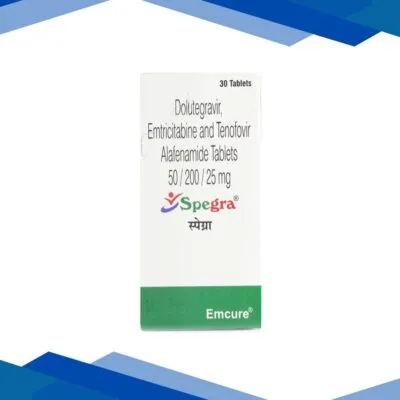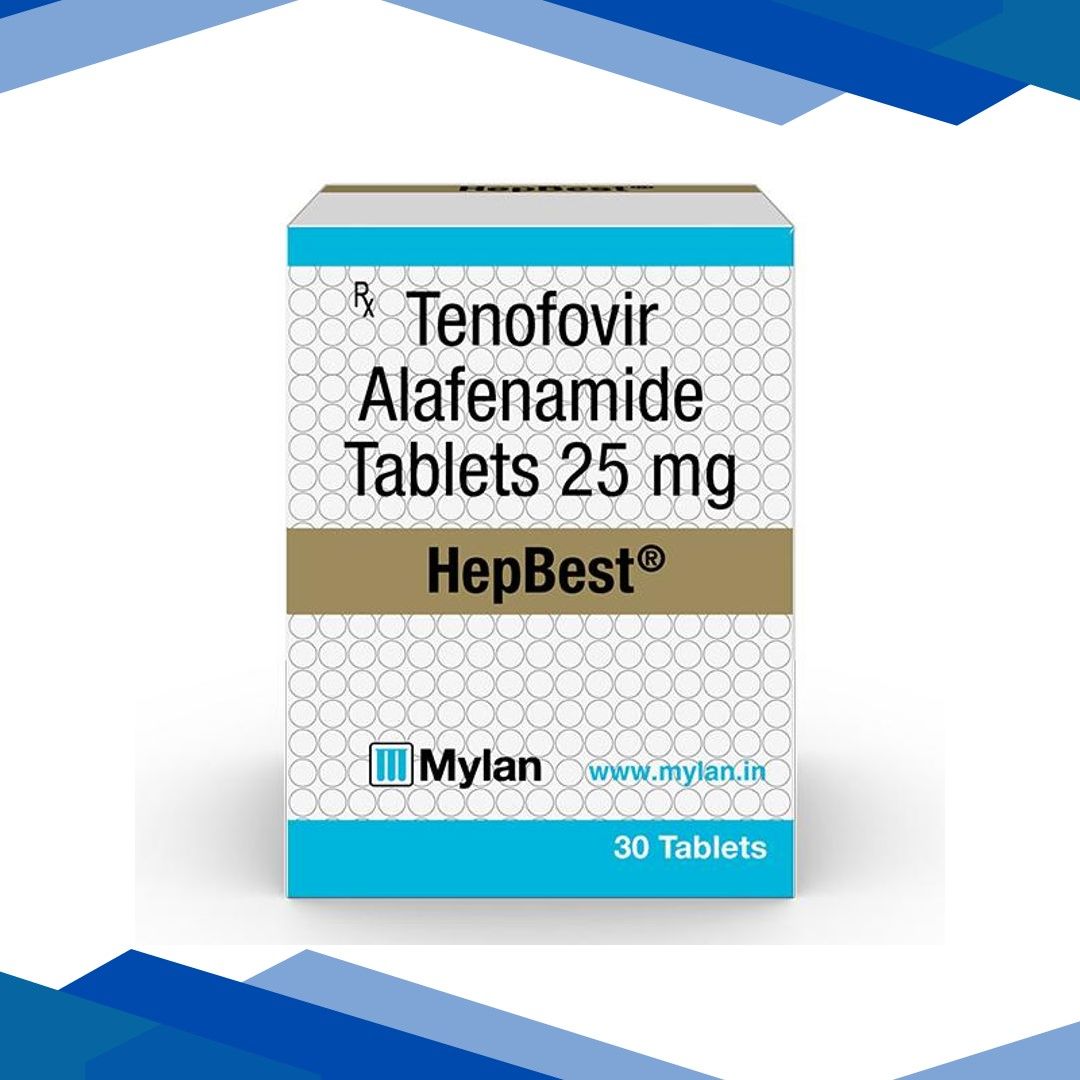
Hepbest 25mg Tablet 30’S
Hepbest 25mg Tablet is a prescription combination medicine used to treat HIV-1 infection in adults and some children. It contains three antiviral medicines that work together to help block the virus from multiplying in the body. BICTEGRAVIR stops an HIV enzyme needed for the virus to insert its genetic material into human cells, while EMTRICITABINE and TENOFOVIR ALAFENAMIDE help prevent the virus from making copies of itself. By lowering the amount of HIV in the blood, this medicine helps improve immune function and reduces the risk of HIV-related illness. It is used as part of long-term HIV treatment and should be taken under medical supervision. It does not cure HIV, but it can help keep the infection well controlled.
Description
Hepbest 25mg Tablet is a combination antiretroviral medicine used to treat human immunodeficiency virus type 1 (hiv-1) infection in appropriate patients. it contains three active ingredients that work together to suppress the virus at different stages of its life cycle, helping reduce the amount of hiv in the body and improve immune system function. when used consistently as prescribed, this medicine can lower viral load to undetectable levels in many people, which helps reduce the risk of hiv-related complications and supports long-term health.
this medicine is commonly used as a complete treatment regimen in a single tablet formulation, which can make therapy simpler and improve adherence. it is not a cure for hiv, and it does not remove the virus from the body. however, it can be highly effective at controlling the infection when taken regularly. because hiv can become resistant if treatment is interrupted or taken inconsistently, it is important to follow medical advice closely and not stop the medicine without guidance from a healthcare professional.
the three ingredients in Hepbest 25mg Tablet work in complementary ways. bictegravir blocks an hiv enzyme called integrase, which the virus needs to insert its genetic material into human cells. emtricitabine and tenofovir alafenamide are nucleoside/nucleotide reverse transcriptase inhibitors, often referred to as nrtis, and they interfere with another crucial viral enzyme called reverse transcriptase. together, these actions help stop the virus from multiplying. this combination is generally intended for people with hiv-1 who meet clinical criteria for this therapy, as decided by a doctor based on medical history, lab tests, and resistance considerations.
in some settings, this medicine may also be discussed in the context of hiv management plans where a complete, once-daily regimen is appropriate. the exact choice of treatment depends on many factors, including kidney function, liver health, other medications, prior hiv treatment exposure, and the presence of hepatitis b infection. because hiv treatment is individualized, only a qualified clinician should determine whether this medicine is suitable for a given patient.
ingredients
- bictegravir: bictegravir is an integrase strand transfer inhibitor. it works by preventing the hiv integrase enzyme from inserting viral dna into the dna of human cells. this step is essential for the virus to establish infection and continue replicating. by blocking this mechanism, bictegravir helps reduce viral replication and supports long-term suppression of hiv when used consistently.
- emtricitabine: emtricitabine is a nucleoside reverse transcriptase inhibitor. it mimics one of the building blocks that hiv uses to make copies of itself. when the virus tries to use emtricitabine in place of a natural building block, the replication process is interrupted. this reduces the ability of hiv to multiply and spread within the body.
- tenofovir alafenamide: tenofovir alafenamide is a prodrug of tenofovir, meaning it is converted inside the body into its active form. it is also a reverse transcriptase inhibitor and helps block hiv replication at a different point in the viral copying process. compared with some older tenofovir formulations, tenofovir alafenamide is designed to deliver active drug efficiently inside cells, which may allow effective antiviral action with improved kidney and bone safety in many patients, though monitoring is still important.
key uses
- treatment of hiv-1 infection: this medicine is used as part of antiretroviral therapy to control hiv-1 in eligible patients. it helps lower the viral load, improves cd4 cell counts over time, and reduces the risk of hiv-related illness when taken regularly.
- single-tablet regimen convenience: because it combines three active medicines into one regimen, it can simplify treatment and support adherence. better adherence is important for maintaining viral suppression and preventing resistance.
- long-term viral suppression: in patients who respond well, this medicine can help maintain stable control of hiv over time. consistent suppression reduces the chance of disease progression and supports overall health outcomes.
how to use
Hepbest 25mg Tablet should be taken exactly as prescribed by a healthcare professional. it is generally taken once daily, and consistent daily timing helps maintain steady drug levels in the body. the tablet is usually swallowed whole with water and may be taken with or without food, unless the prescriber advises otherwise. it is important not to skip doses, crush, split, or chew the tablet unless a clinician or pharmacist specifically says it is safe to do so.
before starting treatment, the doctor may order blood tests to evaluate kidney function, liver health, hepatitis b status, and hiv resistance patterns. these factors can affect whether the medicine is appropriate and how closely the patient should be monitored. if the person has hepatitis b infection, stopping this medicine suddenly may cause a flare of hepatitis b, so any changes in therapy should be supervised by a healthcare professional.
patients should take this medicine regularly for the best chance of viral suppression. if a dose is forgotten, general guidance is to take it as soon as remembered unless it is nearly time for the next dose; in that case, the missed dose is usually skipped rather than doubled. because treatment plans can differ, patients should follow the instructions provided by their prescriber or pharmacist. hiv therapy should not be changed or discontinued without medical advice, even if the person feels well, because the infection may still be active in the body.
safety information
- warnings: this medicine can interact with other medicines and is not suitable for every patient. it should be used with care in people with kidney problems, liver disease, hepatitis b coinfection, or a history of resistance to hiv medications. although tenofovir alafenamide is generally considered more kidney- and bone-sparing than some older tenofovir formulations, kidney function still needs monitoring. bictegravir may interact with products containing polyvalent cations such as calcium, magnesium, aluminum, or iron, which can reduce absorption if taken incorrectly. patients should also be aware that hiv treatment should not be interrupted without medical guidance.
- side effects: common side effects may include nausea, diarrhea, headache, tiredness, abdominal discomfort, and mild dizziness. some patients may notice trouble sleeping or changes in appetite. less common but more serious effects can include severe allergic reactions, signs of liver problems, worsening kidney function, lactic acidosis, and immune reconstitution inflammatory syndrome, a condition where the recovering immune system reacts to hidden infections. any rash, yellowing of the skin or eyes, dark urine, severe weakness, unusual muscle pain, or breathing trouble should be reported urgently.
- precautions: people with significant kidney disease, liver impairment, hepatitis b infection, or a history of hypersensitivity to any component should discuss risks carefully with their clinician. this medicine may not be appropriate for patients taking certain anticonvulsants, rifamycin antibiotics, or herbal supplements such as st. john’s wort because of interaction risks. those with osteoporosis or low bone density may also need monitoring, especially if there are additional risk factors for bone loss. as with all hiv medicines, routine follow-up is important.
- pregnancy/breastfeeding: use during pregnancy should be decided by a healthcare professional based on the balance of benefits and risks. maintaining maternal viral suppression is very important during pregnancy, but treatment choices may differ depending on the individual situation. breastfeeding guidance depends on local recommendations, hiv status, treatment goals, and infant feeding considerations; patients should follow the advice of their hiv specialist or obstetric clinician. do not assume the medicine is safe in pregnancy or breastfeeding without professional consultation.
- interactions: this medicine can interact with medicines that induce or inhibit certain liver enzymes or transporters, potentially affecting drug levels. important interaction concerns include some anti-seizure medicines, tuberculosis treatments, certain antibiotics, some antacids or mineral supplements, and herbal products like st. john’s wort. alcohol does not have a direct known pharmacologic interaction with the medicine, but heavy alcohol use may worsen adherence and can stress liver health, which is especially important in people living with hiv. patients should always provide a full list of prescription drugs, over-the-counter medicines, vitamins, and supplements to their healthcare provider.
additional information
- storage: store in the original container at room temperature, away from excess heat, moisture, and direct light. keep the tablets tightly closed and out of reach of children and pets. do not store in bathrooms or other damp places unless specifically directed. if the product has a desiccant or moisture protector, keep it in the container as instructed.
- missed dose: if a dose is missed, it is generally taken as soon as remembered. if it is close to the time of the next scheduled dose, the missed dose is usually skipped and the regular schedule resumed. patients should not take extra tablets to make up for a missed dose unless instructed by a healthcare professional.
- overdose: taking too much may increase the risk of side effects such as nausea, vomiting, dizziness, headache, or worsening of other symptoms. in a suspected overdose, urgent medical advice should be sought right away. emergency help or poison control guidance may be needed, especially if the person has taken other medicines at the same time or develops severe symptoms.
- habit forming: no. this medicine is not habit forming and does not cause addiction. however, it must be taken consistently and long-term as directed because stopping or missing doses can allow hiv to multiply again and may lead to resistance.
frequently asked questions
Q: what is Hepbest 25mg Tablet used for?
A: it is used to treat hiv-1 infection in appropriate patients as part of antiretroviral therapy. it helps reduce the amount of virus in the body and support immune health when taken regularly under medical supervision.
Q: does this medicine cure hiv?
A: no, it does not cure hiv. it helps control the infection by blocking viral replication, but the virus can remain in the body. long-term treatment is usually needed to keep hiv suppressed.
Q: can i take it with food?
A: this medicine is generally taken with or without food, but your healthcare provider may give specific instructions depending on your overall treatment plan and any other medicines you take.
Q: what should i do if i miss a dose?
A: take the missed dose as soon as you remember unless it is almost time for the next dose. do not double the dose. if you are unsure what to do, contact your doctor or pharmacist.
Q: can i stop taking it if i feel better?
A: no. hiv treatment should not be stopped just because you feel well. stopping can allow the virus to rebound and may increase the risk of resistance. any change should be supervised by a clinician.
Q: is it safe for people with kidney problems?
A: it may be used cautiously in some patients, but kidney function must be assessed and monitored. people with significant kidney disease should discuss risks and alternatives with their healthcare provider.
Q: does this medicine affect hepatitis b?
A: yes, because two of the ingredients also act against hepatitis b virus. if a person has hepatitis b, stopping treatment suddenly can cause a flare, so medical supervision is essential.
Q: what are common side effects?
A: common side effects may include nausea, diarrhea, headache, tiredness, and mild stomach discomfort. serious reactions are uncommon but can occur and should be reported immediately.
Q: can i take antacids or mineral supplements with this medicine?
A: some antacids and supplements containing calcium, magnesium, aluminum, or iron can reduce absorption if taken incorrectly. your pharmacist or doctor can tell you the best way to separate the doses, if needed.
Q: is alcohol allowed while taking this medicine?
A: moderate alcohol does not have a direct known interaction, but heavy drinking can affect adherence and overall liver health. it is best to discuss alcohol use with your healthcare provider, especially if you have liver disease.
Q: will i still need regular hiv tests while on this medicine?
A: yes. regular follow-up tests are important to check viral load, cd4 count, kidney function, liver function, and overall treatment response. monitoring helps ensure the medicine remains effective and safe.
Q: can this medicine be used alone for hiv treatment?
A: it is designed as a complete regimen in one tablet for appropriate patients, but whether it is suitable as the sole regimen depends on the person’s medical history, resistance profile, and clinician assessment.
Q: what should i tell my doctor before starting treatment?
A: tell your doctor about all medicines, supplements, allergies, kidney or liver problems, hepatitis b status, pregnancy plans, and any prior hiv treatments. this information helps prevent interactions and choose the safest therapy.
Q: are there signs that i should seek urgent medical help?
A: yes. seek urgent help for severe rash, swelling, trouble breathing, yellowing of the eyes or skin, severe weakness, persistent vomiting, dark urine, or any other symptoms that feel serious or unusual.
this information is for educational purposes only and should not be considered medical advice. always consult a qualified healthcare professional before use.
At Gem Pharmacy, we make every effort to provide accurate, expert-written, and thoroughly reviewed information related to medicines. However, this information should not be considered a substitute for professional medical advice, diagnosis, or treatment from a qualified doctor.
The purpose of this information is to educate users and improve communication between patients and healthcare professionals. It should not be used to diagnose or treat any condition.
Always consult a certified healthcare professional before taking any medication.


Related products
DURATAF 25mg Tablet 30’s
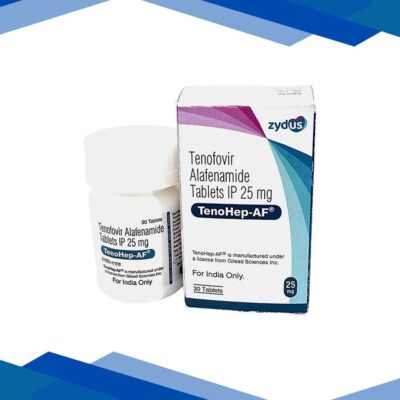
Tenohep AF Tablet 30’S