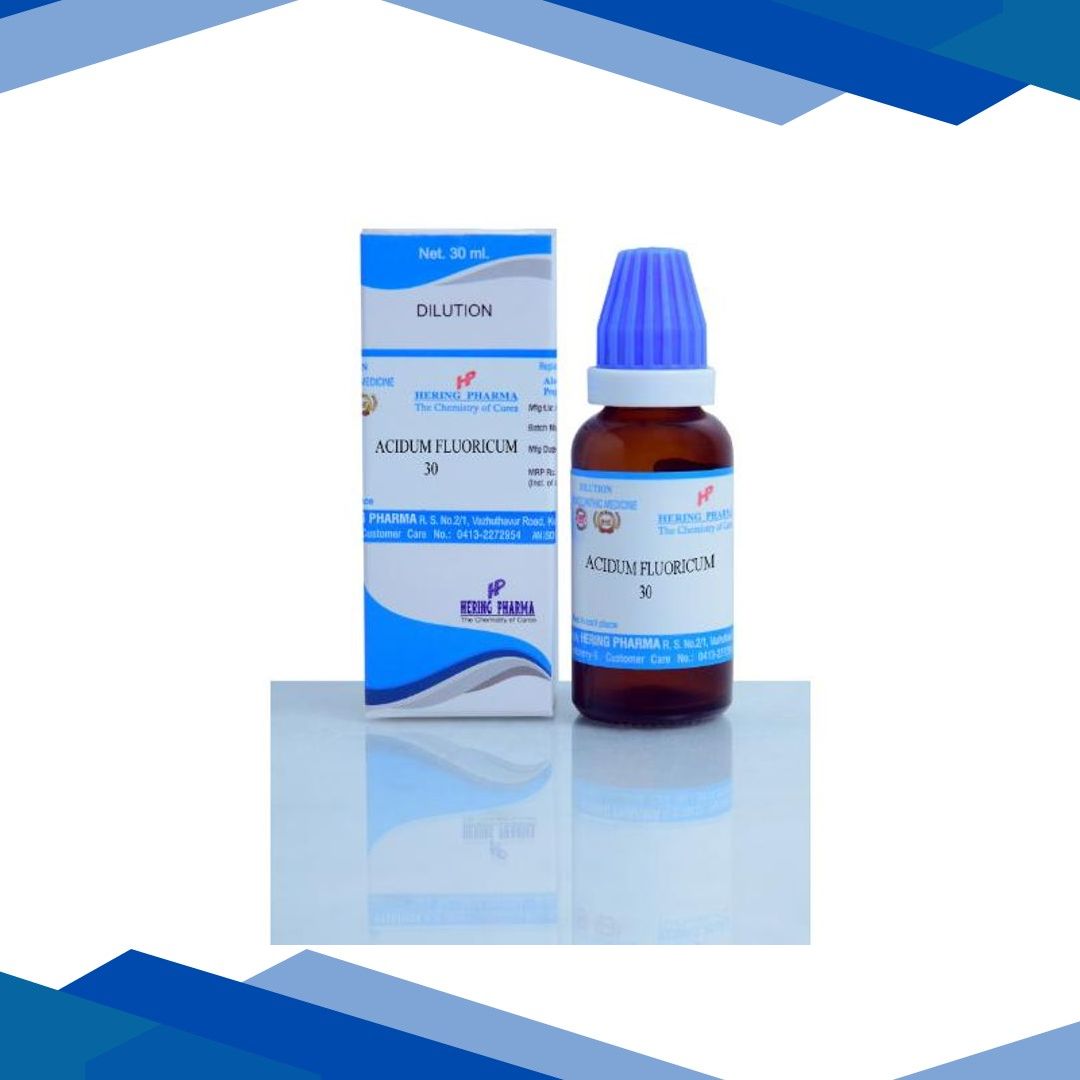
Hering Pharma Acidum Fluoricum 30 Dilution 30 ml
❌ Due to high demand, this product is currently out of stock. New stock will be available shortly.
👉 Click here to Buy Same Salt medicine
Hering Pharma Acidum Fluoricum 30 Dilution 30 is a combination medicine used to help treat certain bacterial infections while also supporting healthy gut bacteria. Doxycycline is an antibiotic that works by stopping the growth of bacteria, helping the body clear the infection. BETA CYCLODEXTRIN is used to improve the delivery and absorption of doxycycline, while LACTIC ACID BACILLUS helps restore beneficial bacteria in the intestines and may reduce stomach-related side effects sometimes linked to antibiotic use. This medicine is commonly prescribed for infections of the respiratory tract, skin, urinary tract, and some sexually transmitted infections, depending on a doctor’s advice. It should be used only under medical supervision to ensure it is appropriate for the infection being treated.
Description
Hering Pharma Acidum Fluoricum 30 Dilution 30 is a combination medicine used to help treat certain bacterial infections while also supporting healthy intestinal flora during and after antibiotic therapy. doxycycline is the main active antibacterial component. it belongs to the tetracycline class of antibiotics and works by stopping bacteria from making the proteins they need to grow and multiply. because of this, it helps control susceptible bacterial infections and is commonly used when a healthcare professional determines that the bacteria involved are likely to respond to doxycycline.
beta cyclodextrin is included as a pharmaceutical helper ingredient that can improve the delivery and stability of doxycycline. in many formulations, cyclodextrins are used to help the medicine dissolve more effectively, improve consistency of absorption, or enhance patient tolerability. while it does not treat infection by itself, it can play an important role in making the antibiotic easier for the body to utilize in an effective way.
lactic acid bacillus refers to beneficial probiotic bacteria that help restore and maintain the balance of normal gut flora. antibiotics can sometimes disturb the natural bacteria in the digestive tract, leading to loose stools, bloating, or other gastrointestinal discomfort. including a probiotic component may help reduce the risk of antibiotic-associated diarrhea and support digestive health during treatment. this combination is generally intended for people who need antibacterial therapy and may benefit from added gut flora support, but it should always be used under medical guidance because antibiotic selection, duration, and appropriateness depend on the type of infection and the patient’s health condition.
this medicine is not effective against viral illnesses such as the common cold or flu. it should be used only for bacterial infections where doxycycline is an appropriate option. a healthcare professional may choose this combination for infections where broad antibiotic activity and digestive support are both desirable, but treatment decisions should be based on clinical evaluation, medical history, and local prescribing standards.
ingredients
- beta cyclodextrin: beta cyclodextrin is a carrier and solubilizing agent that helps improve the formulation of doxycycline. it can support better stability, uniformity, and in some preparations may improve how the active ingredient is absorbed or tolerated. it does not have direct antibacterial activity, but it contributes to the effectiveness and usability of the product.
- doxycycline: doxycycline is a broad-spectrum tetracycline antibiotic that works by inhibiting bacterial protein synthesis. it binds to the bacterial ribosome and prevents the bacteria from producing proteins needed for survival and reproduction. this slows or stops bacterial growth, allowing the immune system to eliminate the infection more effectively. it is active against many susceptible organisms, but resistance can occur.
- lactic acid bacillus: lactic acid bacillus is a probiotic component that helps restore beneficial microorganisms in the intestines. it may reduce antibiotic-related digestive disturbances by promoting a healthier gut microbial balance. it does not replace the antibiotic effect of doxycycline and should be viewed as a supportive ingredient rather than the main treatment for infection.
key uses
- bacterial infections: doxycycline is used for a variety of susceptible bacterial infections, depending on the organism and clinical situation. it may be selected for respiratory, skin, soft tissue, genitourinary, or certain other infections when a healthcare professional considers it appropriate.
- acne and inflammatory skin conditions: in some cases, doxycycline is prescribed for acne because it helps reduce bacteria and inflammation. this use is generally based on medical evaluation and treatment planning.
- support during antibiotic therapy: lactic acid bacillus may help lessen antibiotic-associated diarrhea and support intestinal flora during treatment, especially in people prone to gastrointestinal upset.
- prevention of gut flora imbalance: the probiotic element can be useful when maintaining digestive comfort is a concern during antibiotic use, although benefits can vary from person to person.
how to use
use this medicine exactly as directed by a healthcare professional. it is commonly taken by mouth with a full glass of water, and it is important not to lie down immediately after taking it. this helps reduce the chance of irritation in the food pipe. many people are advised to take doxycycline with plenty of water and to remain upright for some time after swallowing the dose. if stomach upset occurs, a healthcare professional may advise taking it with food, but certain foods and supplements can interfere with absorption.
to get the best result, take the medicine at evenly spaced times if multiple daily doses are prescribed. try to take it at the same time each day to maintain steady levels in the body. complete the full course even if symptoms improve early, because stopping too soon can allow bacteria to return or become harder to treat. do not use it for illnesses that are not bacterial unless specifically told to do so.
because doxycycline can interact with calcium, iron, magnesium, aluminum, zinc, and some antacids or supplements, it is often recommended to separate dosing from these products by a few hours. dairy products may also reduce absorption in some situations, so follow the specific instructions given by your clinician or pharmacist. if you are unsure how to take it safely with your usual medicines or supplements, ask a healthcare professional for guidance.
safety information
- warnings: doxycycline can cause irritation of the esophagus if not taken properly. it may also increase sensitivity to sunlight, so excessive sun exposure should be avoided. using it when it is not needed can promote antibiotic resistance. severe allergic reactions are uncommon but possible and require urgent attention. any signs of swelling, difficulty breathing, or rash should be treated seriously.
- side effects: common side effects may include nausea, vomiting, stomach upset, loose stools, reduced appetite, mild abdominal discomfort, and sensitivity to sunlight. some people may experience changes in taste or irritation in the throat. serious side effects can include severe allergic reaction, severe skin reactions, persistent watery diarrhea, liver problems, difficulty swallowing, or signs of increased pressure inside the skull such as severe headache or vision changes. seek medical help promptly if serious symptoms occur.
- precautions: this medicine may not be suitable for people with a history of allergy to tetracycline antibiotics. caution is needed in people with liver disease, kidney problems, swallowing difficulties, gastrointestinal disease, or a history of antibiotic-associated colitis. it should be used carefully in people who take many medications because interactions are common. children and adolescents may need special consideration due to class-related effects on teeth and bone development.
- pregnancy/breastfeeding: doxycycline is generally avoided in pregnancy unless a doctor decides the benefits clearly outweigh the risks, because tetracyclines can affect fetal bone and tooth development. during breastfeeding, small amounts may pass into milk; use only under medical advice. the probiotic component is generally considered supportive, but the overall product should be discussed with a clinician before use in pregnancy or lactation.
- interactions: doxycycline can interact with antacids, iron, calcium, magnesium, zinc, bismuth, and some laxatives, which may reduce absorption. it may also interact with blood thinners, certain seizure medicines, isotretinoin, and some antibiotics. alcohol may worsen stomach irritation or reduce adherence to treatment in some people. because interactions can be clinically important, provide a full medication list to your pharmacist or doctor.
additional information
- storage: store in a cool, dry place away from direct light and moisture. keep the medicine in its original container and out of reach of children. avoid storing it in a bathroom or near a kitchen sink where humidity may affect stability.
- missed dose: if a dose is missed, take it as soon as you remember unless it is almost time for the next scheduled dose. if the next dose is near, skip the missed dose and continue as usual. do not double the dose to make up for a missed one.
- overdose: taking too much may lead to severe nausea, vomiting, dizziness, or worsening side effects. in a suspected overdose, contact emergency services, a poison control center, or a healthcare professional right away. do not wait for symptoms to worsen.
- habit forming: no. this medicine is not habit forming or addictive. however, it should still be used carefully and only as prescribed because inappropriate antibiotic use can lead to resistance and treatment failure.
frequently asked questions
Q: what is Hering Pharma Acidum Fluoricum 30 Dilution 30 used for?
A: it is used for susceptible bacterial infections, and the lactic acid bacillus component may help support healthy intestinal flora during antibiotic treatment. the exact use depends on the infection and the doctor’s assessment.
Q: can this medicine treat viral infections like cold or flu?
A: no. doxycycline is an antibiotic and does not work against viruses. it should only be used for bacterial infections when prescribed by a healthcare professional.
Q: how should i take it to avoid stomach or food pipe irritation?
A: take it with a full glass of water and avoid lying down immediately afterward. following the dosing instructions carefully can reduce irritation and improve tolerability.
Q: can i take it with milk or antacids?
A: milk, antacids, iron, calcium, magnesium, and similar products can interfere with doxycycline absorption. it is usually best to separate them by several hours, but follow the instructions from your clinician or pharmacist.
Q: does it cause sun sensitivity?
A: yes, doxycycline can make your skin more sensitive to sunlight. use sun protection, limit excessive sun exposure, and seek medical advice if you develop an unusual rash or severe sunburn.
Q: is diarrhea normal with this medicine?
A: mild loose stools can happen, and the probiotic component may help reduce this. however, severe or persistent diarrhea should be evaluated promptly because it may signal a more serious problem.
Q: can pregnant women use this medicine?
A: it is generally avoided during pregnancy unless a doctor decides it is necessary. pregnant or breastfeeding patients should consult a healthcare professional before using it.
Q: what if i forget a dose?
A: take it when remembered unless it is almost time for the next dose. do not take two doses at once to make up for the missed one.
Q: is this medicine safe for children?
A: it may not be appropriate for all children, especially depending on age and the reason for treatment. because doxycycline is a tetracycline antibiotic, pediatric use should always be guided by a doctor.
Q: why is lactic acid bacillus included?
A: it is included as a probiotic to help support the balance of beneficial gut bacteria during antibiotic therapy. this may reduce some digestive side effects in certain people.
this information is for educational purposes only and should not be considered medical advice. always consult a qualified healthcare professional before use.
At Gem Pharmacy, we make every effort to provide accurate, expert-written, and thoroughly reviewed information related to medicines. However, this information should not be considered a substitute for professional medical advice, diagnosis, or treatment from a qualified doctor.
The purpose of this information is to educate users and improve communication between patients and healthcare professionals. It should not be used to diagnose or treat any condition.
Always consult a certified healthcare professional before taking any medication.


Related products

Hering Pharma Apomorphinum 30 Dilution 30 ml

Hering Pharma Ammonium Nitricum 30 Dilution 30ml

Bio-India Dilution Zincum Muriaticum 50M Liquid 30 ml