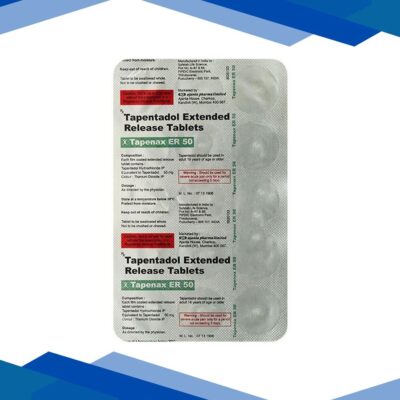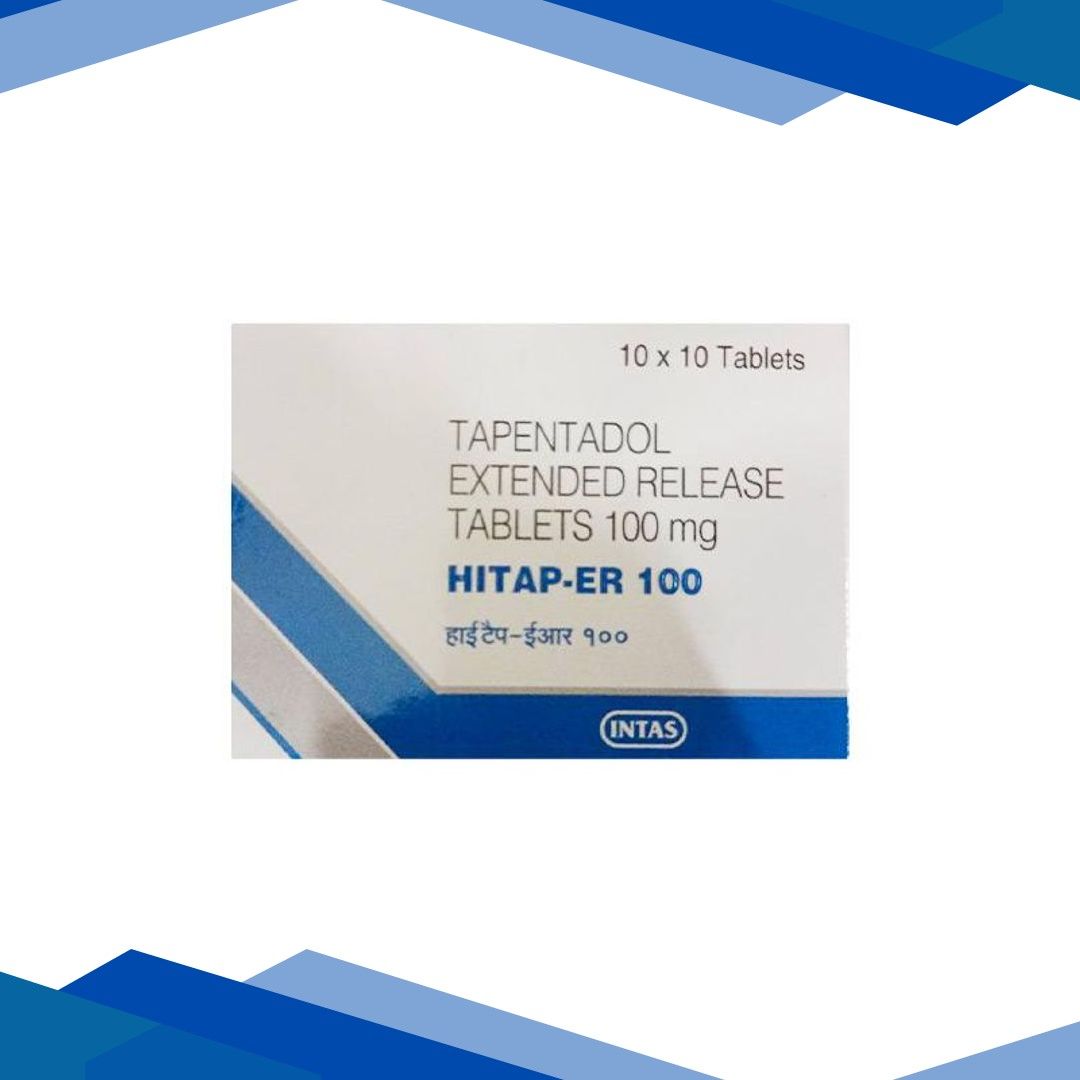
HITAP ER 100 Tablet 10’s
❌ Due to high demand, this product is currently out of stock. New stock will be available shortly.
👉 Click here to Buy Same Salt medicine
HITAP ER 100 Tablet is a prescription opioid medicine used to relieve moderate to severe pain. It works by acting on specific opioid receptors in the brain and spinal cord, which helps reduce the feeling of pain. HITAP ER 100 Tablet is often used when other pain medicines are not enough or when stronger pain relief is needed under medical supervision. In some settings, it may also be used during or after surgery to help control pain. Because it can cause drowsiness, dizziness, nausea, or slowed breathing in some people, it should be used only as directed by a healthcare professional. HITAP ER 100 Tablet can provide effective pain relief, but it may also be habit-forming if misused, so careful monitoring is important.
Description
HITAP ER 100 Tablet is a prescription opioid analgesic used for the relief of moderate to severe pain, especially when other non-opioid medicines are not enough. it belongs to a class of medicines known as mixed opioid agonist-antagonists. in simple terms, it helps reduce the feeling of pain by acting on specific pain pathways in the brain and spinal cord. unlike some stronger opioid medicines, it has a unique action that can make it useful in certain clinical situations, especially in hospitals or supervised medical settings.
this medicine works by interacting with opioid receptors in the nervous system, mainly the kappa receptors where it produces pain-relieving effects, and it also blocks or partially blocks mu receptors. this dual action can help relieve pain while sometimes causing less of the typical opioid-related euphoria seen with other narcotic pain medicines. however, it can still cause sedation, dizziness, and breathing problems, so it must be used carefully and only under medical guidance. because of its opioid activity, it should never be treated as a simple pain reliever like acetaminophen or ibuprofen.
HITAP ER 100 Tablet is generally used when a healthcare professional needs controlled pain relief, such as after surgery, during labor, or for certain acute pain situations. it is not usually a first-choice medicine for everyday mild pain, and it is not intended for self-medication. the choice to use it depends on the type of pain, the patient’s overall health, prior opioid exposure, and the clinical setting. a doctor, nurse, or anesthesiology team may select this medicine when a balance of pain relief and safety is needed.
because HITAP ER 100 Tablet can affect the central nervous system, it may impair alertness, judgment, and coordination. it can also interact with other medicines that cause drowsiness or affect breathing. people with breathing disorders, severe liver or kidney problems, head injury, or a history of substance misuse may need extra caution. understanding how this medicine works and the risks involved is essential for safe use.
ingredients
- ingredient name: HITAP ER 100 Tablet — this is the active medicine responsible for pain relief. it acts on opioid receptors to reduce the perception of pain and is commonly used in supervised settings for moderate to severe pain. its mixed agonist-antagonist activity gives it a distinct profile compared with many other opioids, but it still carries important safety concerns such as sedation, nausea, and possible respiratory depression.
- inactive ingredients: depending on the formulation, the product may also contain solvents, preservatives, or stabilizing agents that help keep the medicine sterile and effective. these components do not provide pain relief but are necessary for proper formulation, storage, and administration. the exact inactive ingredients can vary by manufacturer and presentation.
key uses
- moderate to severe pain relief: HITAP ER 100 Tablet may be used when pain is strong enough that non-opioid medicines are not sufficient. it helps reduce pain intensity and improve comfort under medical supervision.
- postoperative pain: it is often used after surgery to manage short-term, acute pain. in this setting, healthcare professionals can monitor its effects and adjust treatment as needed.
- obstetric pain management: in some cases, HITAP ER 100 Tablet may be used during labor or delivery to relieve pain. because it can affect both mother and baby, it is used cautiously and only when clinically appropriate.
- pain control in hospital or clinical settings: it may be selected when clinicians want a controlled opioid option that can provide analgesia with a distinct receptor profile. this makes it useful in certain monitored environments.
- adjunctive pain management: sometimes it may be part of a broader pain-control plan along with other medications or procedures. the aim is to improve relief while minimizing the need for higher opioid exposure.
how to use
HITAP ER 100 Tablet should be used exactly as directed by a healthcare professional. it is typically administered in a medical setting by injection, rather than taken on your own at home. the route, timing, and frequency depend on the severity of pain, the patient’s response, and the clinical context. because it can cause drowsiness and breathing suppression, careful monitoring is important after administration.
if the medicine is given in a hospital or clinic, trained staff will determine when and how it should be used. patients should not attempt to adjust the dose, repeat the dose early, or combine it with other pain medicines unless specifically instructed by a clinician. if pain is not adequately controlled, the safest step is to inform the healthcare provider rather than self-medicating.
to use HITAP ER 100 Tablet safely, avoid alcohol and do not drive, operate machinery, or perform tasks requiring full alertness until you know how it affects you. it may cause dizziness or sleepiness soon after use. if you are receiving other sedating medications, your clinician may monitor you more closely or adjust treatment to reduce the risk of excessive sedation or breathing problems.
safety information
- warnings: HITAP ER 100 Tablet can cause serious breathing suppression, especially in higher-risk patients or when combined with other sedatives. it may also lower blood pressure, cause severe sleepiness, and impair mental alertness. use with caution in people with asthma, chronic lung disease, sleep apnea, head injury, liver disease, kidney disease, or a history of substance use disorder. because it is an opioid, it should be handled carefully and only with medical supervision.
- side effects: common side effects may include drowsiness, dizziness, nausea, vomiting, sweating, dry mouth, headache, and lightheadedness. some people may feel fatigue or mild confusion. serious side effects can include slow or difficult breathing, severe sedation, fainting, allergic reactions, unusual agitation, hallucinations, or withdrawal symptoms in people who have recently used other opioids. seek emergency help if breathing becomes slow, shallow, or difficult.
- precautions: people who are very sensitive to opioids, those with respiratory disease, severe liver impairment, severe kidney impairment, low blood pressure, or a history of dependence on opioid medicines should be treated with extra caution. HITAP ER 100 Tablet may not be suitable for patients who are currently dependent on full opioid agonists because it can trigger withdrawal symptoms. older adults may be more vulnerable to confusion, sedation, and falls.
- pregnancy/breastfeeding: HITAP ER 100 Tablet should be used during pregnancy only if clearly needed and prescribed by a healthcare professional. opioid use close to delivery can affect the newborn, including causing respiratory depression or withdrawal symptoms. if breastfeeding, small amounts may pass into milk, so a clinician should weigh benefits and risks carefully. always discuss pregnancy or nursing status before receiving this medicine.
- interactions: alcohol, benzodiazepines, sleeping pills, muscle relaxants, sedating antihistamines, other opioids, and certain anxiety or seizure medicines can increase drowsiness and breathing risks. combining HITAP ER 100 Tablet with these agents can be dangerous and should be avoided unless specifically supervised. it may also interact with drugs that affect the central nervous system or blood pressure. tell your healthcare provider about all prescription medicines, over-the-counter products, and herbal supplements you use.
additional information
- storage: store as directed on the package or by the healthcare facility, usually at controlled room temperature and protected from excessive heat, moisture, and light. keep out of reach of children and never share this medicine with others. if the product is an injectable hospital formulation, it should be handled according to sterile and institutional storage requirements.
- missed dose: since HITAP ER 100 Tablet is commonly used in supervised settings rather than scheduled self-administration, a missed dose should be addressed by the prescribing healthcare professional. do not double a dose or try to “catch up” on your own. if you believe a dose was missed in a hospital or care setting, inform the nurse or doctor promptly.
- overdose: overdose may cause extreme sleepiness, confusion, pinpoint pupils, cold or clammy skin, weak pulse, slow breathing, or inability to wake up. in severe cases, it can be life-threatening. call emergency services immediately if overdose is suspected. medical treatment may include airway support and other emergency interventions. do not wait for symptoms to improve on their own.
- habit forming: yes, HITAP ER 100 Tablet can be habit-forming and may lead to physical dependence or misuse, especially with repeated use or in individuals with a history of substance use disorder. although its abuse pattern may differ from some other opioids, it is still an opioid medicine and must be treated as a controlled drug. use only as prescribed and for the shortest duration necessary.
frequently asked questions
Q: what is HITAP ER 100 Tablet used for?
A: HITAP ER 100 Tablet is used for the relief of moderate to severe pain, often in hospital or supervised clinical settings. it may also be used after surgery or in certain obstetric situations when a clinician decides it is appropriate.
Q: is HITAP ER 100 Tablet an opioid medicine?
A: yes. HITAP ER 100 Tablet is an opioid analgesic with mixed agonist-antagonist activity. it still carries opioid-related risks such as drowsiness, nausea, and respiratory depression.
Q: can HITAP ER 100 Tablet make you sleepy?
A: yes. drowsiness and dizziness are common effects. because of this, patients should avoid driving or doing tasks that require alertness until they know how the medicine affects them.
Q: can HITAP ER 100 Tablet cause breathing problems?
A: yes. like other opioid medicines, HITAP ER 100 Tablet can slow breathing, especially when combined with alcohol, sedatives, or other opioids. this is a serious risk that requires immediate medical attention if it occurs.
Q: is HITAP ER 100 Tablet safe during pregnancy?
A: it may be used only when clearly needed and under medical supervision. use near delivery can affect the newborn, so the risks and benefits must be carefully evaluated by a healthcare professional.
Q: can HITAP ER 100 Tablet be taken with alcohol?
A: no. alcohol can greatly increase the sedative and breathing-suppressing effects of HITAP ER 100 Tablet and may be dangerous. patients should avoid alcohol while using this medicine.
Q: does HITAP ER 100 Tablet cause dependence?
A: yes, it can cause physical dependence and may be misused, especially with repeated exposure. it should be used only under medical guidance and not shared with others.
Q: who should avoid HITAP ER 100 Tablet?
A: people with serious breathing problems, severe liver or kidney disease, known opioid sensitivity, or current dependence on other opioids may need to avoid it or use it only with strict supervision. a clinician should assess individual risks.
Q: what should i do if i feel very sleepy after receiving HITAP ER 100 Tablet?
A: tell a healthcare professional right away, especially if the sleepiness is severe, unusual, or accompanied by slow breathing, confusion, or difficulty waking up. do not take additional sedating medicines unless instructed.
Q: can HITAP ER 100 Tablet interact with sleeping pills or anxiety medicines?
A: yes. medicines such as sleeping pills, benzodiazepines, and other sedatives can increase the risk of dangerous drowsiness and breathing suppression when combined with HITAP ER 100 Tablet.
Q: is HITAP ER 100 Tablet used at home?
A: it is most commonly used in supervised medical settings. if it is prescribed for use outside the hospital, the patient should follow the clinician’s instructions carefully and report any unusual symptoms promptly.
Q: what are the most common side effects of HITAP ER 100 Tablet?
A: common side effects include drowsiness, dizziness, nausea, vomiting, sweating, dry mouth, and headache. most side effects should be discussed with a healthcare professional if they are bothersome or persistent.
Q: can HITAP ER 100 Tablet trigger withdrawal in people using other opioids?
A: yes. because of its opioid-antagonist properties, it may precipitate withdrawal symptoms in individuals who are dependent on full opioid agonists. this is an important reason it should be used only under medical supervision.
Q: what should i tell my doctor before receiving HITAP ER 100 Tablet?
A: tell your doctor about all medicines you take, your breathing or liver/kidney problems, pregnancy or breastfeeding status, allergy history, and any history of substance misuse or opioid dependence.
Q: how quickly does HITAP ER 100 Tablet work?
A: it is generally used for relatively rapid pain relief in monitored settings, but the exact onset and duration depend on the formulation and the individual patient. a healthcare professional can explain what to expect in your specific case.
this information is for educational purposes only and should not be considered medical advice. always consult a qualified healthcare professional before use.
At Gem Pharmacy, we make every effort to provide accurate, expert-written, and thoroughly reviewed information related to medicines. However, this information should not be considered a substitute for professional medical advice, diagnosis, or treatment from a qualified doctor.
The purpose of this information is to educate users and improve communication between patients and healthcare professionals. It should not be used to diagnose or treat any condition.
Always consult a certified healthcare professional before taking any medication.


Related products