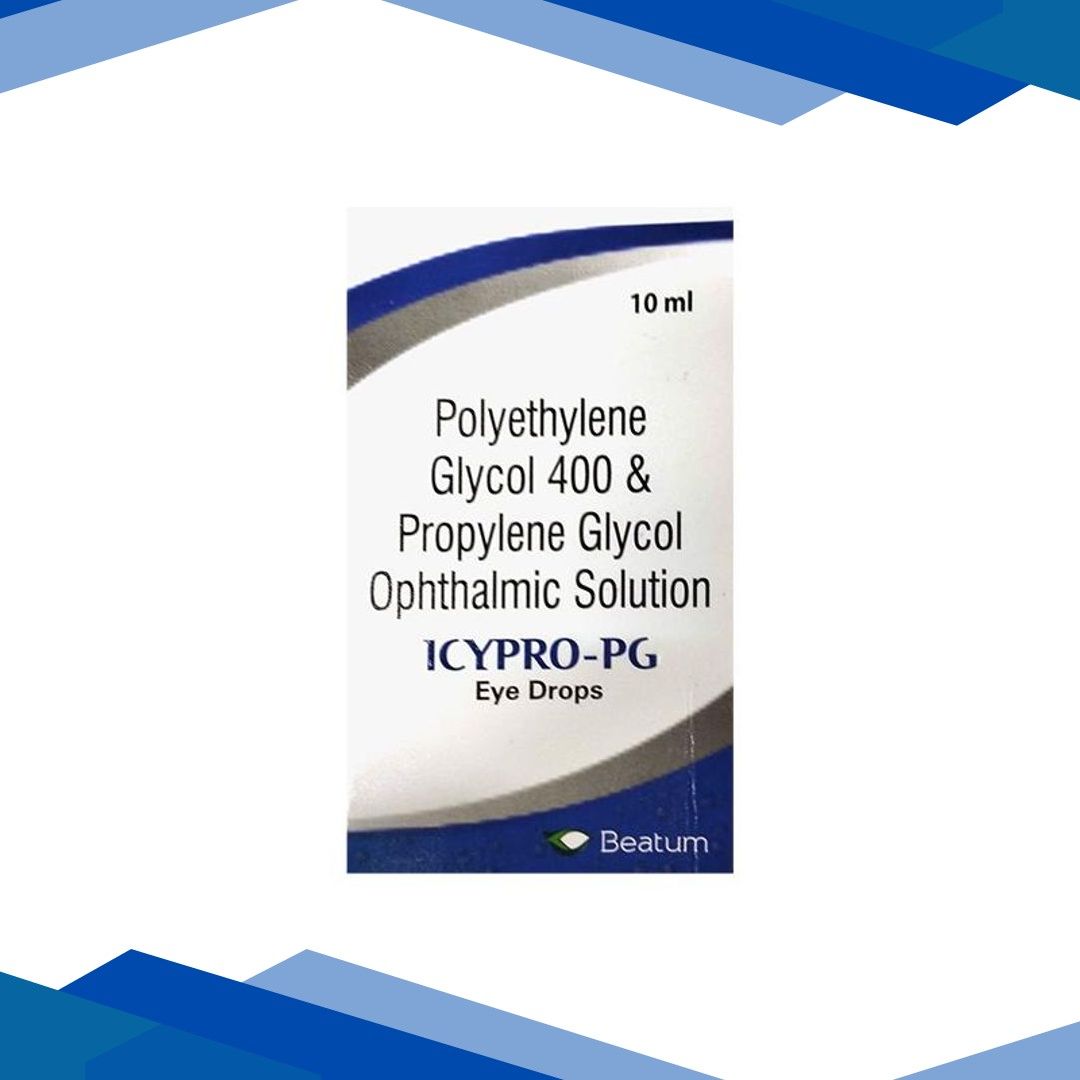
ICYPRO PG Eye Drops 10ml
ICYPRO PG Eye Drops is a combination eye medicine used to help relieve discomfort caused by minor eye irritation and allergy symptoms. It works in several ways: chlorpheniramine helps reduce allergic reactions and itching, naphazoline helps lessen redness by narrowing swollen blood vessels, sodium carboxymethylcellulose lubricates and soothes dry or irritated eyes, and camphor provides a mild cooling effect that can improve comfort. This medicine is commonly used for temporary relief of watery eyes, itching, redness, and irritation due to allergies, dust, or environmental factors. It is intended for short-term symptom relief and may not be suitable for every eye condition, so use under medical advice if symptoms persist or worsen.
Description
ICYPRO PG Eye Drops is a combination eye preparation commonly used to provide relief from minor eye discomfort, irritation, and redness. it combines a soothing lubricant with ingredients that help reduce itching, redness, and congestion of the eyes. this type of product is generally intended for short-term symptomatic relief rather than treatment of the underlying cause of a serious eye disease. it is often used when eye irritation is associated with exposure to dust, smoke, wind, pollution, dryness, or mild allergic reactions.
each ingredient contributes differently to the overall effect. sodium carboxymethylcellulose acts as a lubricating agent that helps moisten the eye surface and reduce the sensation of dryness or irritation. chlorpheniramine is an antihistamine that helps relieve allergy-related itching and discomfort by reducing histamine activity. naphazoline is a decongestant that constricts small blood vessels in the eye, which may reduce visible redness. camphor is included for its soothing, cooling, or calming effect in some formulations, helping provide a sensation of relief. together, these ingredients are designed to ease common, non-serious eye symptoms.
this medicine is generally for people experiencing mild eye irritation rather than severe pain, eye injury, infection, or sudden vision changes. it may be helpful for individuals with seasonal eye allergies, environmental irritation, or temporary dryness. however, because redness and irritation can also occur with more serious conditions such as conjunctivitis, corneal injury, glaucoma, or infection, persistent symptoms should be evaluated by a healthcare professional. proper use and attention to warning signs are important to avoid masking a condition that needs treatment.
ingredients
- camphor: camphor is included in some eye comfort formulations for its cooling and soothing sensation. it may help reduce the feeling of irritation or fatigue, although it does not treat infection or the root cause of eye disease. its role is mainly supportive and symptomatic.
- chlorpheniramine: chlorpheniramine is an antihistamine that helps reduce itching and irritation triggered by allergic reactions. in the eye, it may help calm symptoms caused by histamine release, such as watery, itchy, or red eyes. it is most useful when symptoms are allergy-related.
- naphazoline: naphazoline is a vasoconstrictor, meaning it narrows small blood vessels in the eye surface. this action helps reduce redness and the appearance of bloodshot eyes. it should be used carefully because frequent or prolonged use can sometimes worsen redness over time.
- sodium carboxymethylcellulose: sodium carboxymethylcellulose is a lubricating and moisturizing agent. it helps stabilize the tear film, reduce friction on the eye surface, and provide relief from dryness, burning, and minor irritation. it is especially helpful when environmental conditions or screen time contribute to dry eye discomfort.
key uses
- relief from eye redness: naphazoline helps temporarily reduce redness by constricting blood vessels on the eye surface, making the eyes appear less irritated.
- relief from itching due to allergies: chlorpheniramine may help reduce itching, watering, and irritation caused by mild allergic reactions such as pollen or dust exposure.
- temporary lubrication for dry eyes: sodium carboxymethylcellulose provides moisture and comfort when the eyes feel dry, gritty, or irritated.
- soothing minor environmental irritation: the combination may help with discomfort caused by wind, pollution, smoke, or extended screen use, especially when dryness is present.
- supportive comfort in mild eye strain: some users may experience relief from the irritated, tired feeling that can occur when eyes are exposed to harsh environments, though it does not treat the cause of eye strain.
how to use
use this medicine exactly as directed on the label or by a healthcare professional. it is usually intended for use in the affected eye or eyes as eye drops. before applying, wash your hands thoroughly and avoid touching the dropper tip to the eye, eyelid, fingers, or any surface, because this can contaminate the product. tilt the head back, pull down the lower eyelid gently, and place the recommended number of drops into the eye. after instilling the drops, close the eye gently for a short time without blinking excessively, and if advised, press lightly at the inner corner of the eye to reduce drainage into the tear duct.
this medicine is generally used only for short-term symptom relief. overuse, especially of the naphazoline component, may cause rebound redness, where the eyes become even redder after the medicine wears off. it is important not to use the product more often or for longer than recommended. if contact lenses are worn, they should usually be removed before use and may be reinserted later only if the product label or a healthcare professional says it is safe to do so. if symptoms do not improve within a few days, or if they worsen, medical advice should be sought.
safety information
- warnings: this product is meant for minor eye irritation and redness only. do not use it if you have severe eye pain, eye trauma, thick discharge, sudden vision loss, or light sensitivity, as these may indicate a serious condition. prolonged use may lead to rebound redness or reduced effectiveness. if symptoms continue, a doctor should assess the cause.
- side effects: common side effects may include temporary stinging, burning, mild blurred vision, eye dryness, or a slight unpleasant sensation after application. less common but more serious effects can include worsening redness, allergic reaction, eye swelling, increased eye pressure in susceptible individuals, or irritation that does not go away. stop use and seek help if severe symptoms occur.
- precautions: people with glaucoma, high eye pressure, narrow-angle eye problems, heart disease, high blood pressure, diabetes, thyroid disorders, enlarged prostate, or urinary retention should use caution, especially because decongestant and antihistamine ingredients may worsen certain conditions. avoid use in children unless specifically recommended by a healthcare professional. if you are using other eye medications, spacing doses may be necessary.
- pregnancy/breastfeeding: safety during pregnancy and breastfeeding depends on individual circumstances and the amount absorbed systemically. because eye medicines can still have some body-wide absorption, pregnant or breastfeeding individuals should consult a healthcare professional before use.
- interactions: avoid combining with other eye drops containing similar decongestant or antihistamine ingredients unless advised by a clinician. alcohol may increase dizziness or drowsiness if a small amount of chlorpheniramine is absorbed systemically. use caution if taking medicines for blood pressure, depression, sleep, allergies, or colds, since some combinations may increase side effects or affect heart rate and blood pressure.
additional information
- storage: store the product at room temperature as directed on the label, away from excess heat, moisture, and direct sunlight. keep the bottle tightly closed and do not freeze unless the label specifically allows it. keep out of reach of children.
- missed dose: if you use it on a schedule and miss a dose, apply it when remembered unless it is almost time for the next dose. do not double the amount to make up for a missed dose. for many users, it is used only as needed rather than on a fixed schedule.
- overdose: using too much may cause significant eye irritation, worsening redness, blurred vision, or systemic effects such as dizziness, headache, drowsiness, fast heartbeat, or unusual nervousness, depending on how much is absorbed. if excessive use occurs, rinse the eye if appropriate and seek medical advice promptly, especially if unusual symptoms develop.
- habit forming: no, this medicine is not considered habit forming. however, repeated overuse can lead to dependence on symptom relief and may cause rebound redness or irritation, making the eyes appear worse when the medicine is stopped.
frequently asked questions
Q: what is ICYPRO PG Eye Drops used for?
A: it is used for temporary relief of mild eye redness, irritation, dryness, and allergy-related itching. it helps soothe the eye surface and reduce visible redness, but it does not treat serious eye infections or injuries.
Q: can i use this medicine every day?
A: it should generally be used only for short-term relief or as directed on the label. daily long-term use may increase the risk of rebound redness, irritation, or reduced benefit. if you need it frequently, a healthcare professional should evaluate the cause.
Q: does it help with dry eyes?
A: yes, the sodium carboxymethylcellulose component helps lubricate and moisturize the eyes, which can reduce dryness and discomfort. if dry eye is persistent, other treatments may be more appropriate.
Q: will it cure eye allergies?
A: no, it can help relieve symptoms like itching and redness, but it does not cure the underlying allergy. avoiding triggers and getting medical advice may be important if allergies are frequent or severe.
Q: can it be used with contact lenses?
A: sometimes contact lenses must be removed before use, especially if the product contains preservatives or if the label says not to use with lenses in place. follow the package instructions and ask a pharmacist if unsure.
Q: why should i be careful with frequent use?
A: frequent use of the redness-relieving ingredient can cause rebound redness, where the eye becomes more red after the effect wears off. this can lead to a cycle of repeated use and worsening discomfort.
Q: what side effects should i watch for?
A: mild temporary stinging or burning can happen. seek help if you notice worsening redness, eye pain, swelling, vision changes, severe headache, or signs of an allergic reaction such as rash or difficulty breathing.
Q: is it safe for children?
A: use in children should only be done if a healthcare professional recommends it. children can be more sensitive to the effects of antihistamines and decongestants, so professional guidance is important.
Q: can i use it if i have glaucoma?
A: people with glaucoma or elevated eye pressure should be cautious and speak with a doctor before using it, because decongestants may affect eye pressure in some cases.
Q: how do i know if my eye problem is serious?
A: seek medical care if you have severe pain, sudden vision changes, light sensitivity, thick discharge, eye injury, or symptoms that do not improve. these may indicate infection, corneal damage, or another condition that needs treatment.
Q: can i use other eye drops at the same time?
A: sometimes multiple eye drops can be used, but they may need to be spaced apart to avoid washing each other out. ask a pharmacist or doctor before combining products, especially if they contain similar active ingredients.
Q: does this medicine cause drowsiness?
A: most users experience little to no drowsiness from eye use, but small amounts of chlorpheniramine may sometimes be absorbed and cause mild drowsiness in sensitive individuals. be cautious until you know how you respond.
Q: what if the redness keeps coming back?
A: recurring redness may mean the cause is dryness, allergies, infection, or another eye condition that needs targeted treatment. if symptoms return often, a healthcare professional should assess your eyes rather than relying on repeated self-treatment.
Q: should i stop wearing contact lenses if my eyes are irritated?
A: yes, it is often wise to stop wearing contact lenses until the irritation is fully evaluated and resolved. contact lenses can worsen irritation or hide a more serious problem.
Q: can i use this medicine for pink eye?
A: it may provide temporary comfort if redness or itching is present, but it does not treat most causes of pink eye, especially viral or bacterial infections. medical evaluation is recommended if pink eye is suspected.
this information is for educational purposes only and should not be considered medical advice. always consult a qualified healthcare professional before use.
At Gem Pharmacy, we make every effort to provide accurate, expert-written, and thoroughly reviewed information related to medicines. However, this information should not be considered a substitute for professional medical advice, diagnosis, or treatment from a qualified doctor.
The purpose of this information is to educate users and improve communication between patients and healthcare professionals. It should not be used to diagnose or treat any condition.
Always consult a certified healthcare professional before taking any medication.


Related products

I DEW ULTRA Eye Drops 10ml
SYSTANE ULTRA Ophthalmic Solution 10ml