Amla
Phyllanthus emblica, the botanical name of amla, is a prized rejuvenating agent in tradition. Not only does amla allow the body’s immune system to function properly, but it does so while enhancing iron absorption and acting as a shield of antioxidants that prevents oxidative harm to cells. Of further importance in clinical practice are amla´s demonstrated effect on lipid profiles and glucose metabolism; it is instrumental in the holistic approach to good health.
Key Points
Superior Antioxidant Profile: Amla has 20 times more Vitamin C than oranges and offers a strong barrier against seasonal infections.
Metabolic Support: Being a natural source of chromium, amla is useful in augmenting insulin sensitivity and stabilizing blood glucose levels.
Digestive Aid: High in fiber and its alkaline nature soothingly reduces hyperacidity and narrows gut motility.
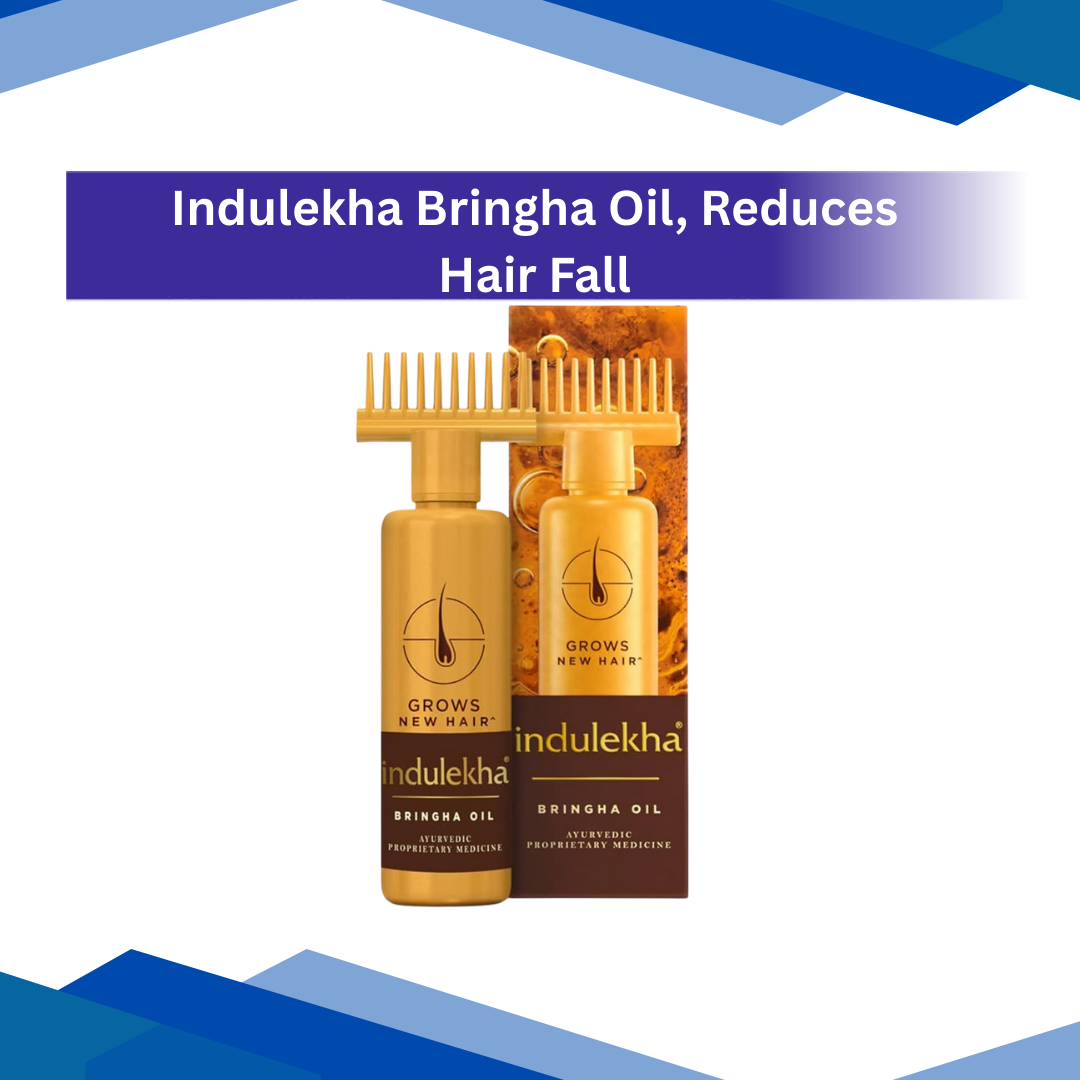
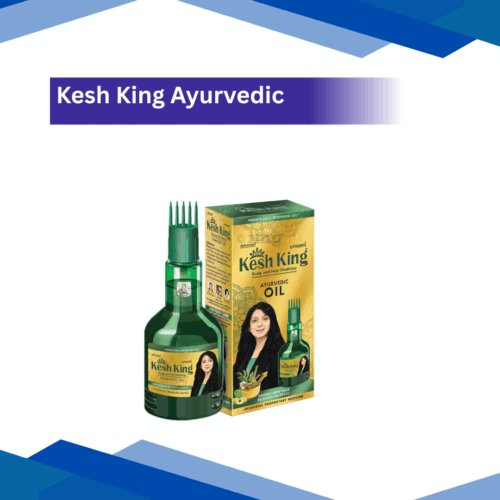
Dermatological Benefits: Reduces premature graying of hair by strengthening hair follicles and fosters beautiful, youthful skin by enhancing collagen synthesis.
Product specifications
Various pharmaceutical and traditional forms are available for Amla to adapt to different needs straight away:
Tablets/Capsules: Standardized extract (usually 500mg) for daily regular dosage.
Churna/Powder: It insists on being completely natural with its sun-dried fruit powder to boost the digestive and respiratory system.
Juice: Unhurried pressed juice, excellent for quick absorption and detoxification.
Health Benefits
Cardiovascular Health: Reduced LDL (bad) cholesterol and triglycerides by use of the anti-inflammatory effects of Amla.
Eye Health: Having a high content of Vitamin A and carotene, Amla decreases intraocular pressure and offers protection against macular degeneration caused by aging.
Liver Detox: Amla works as a gifted cleanser for liver detox, helping to restore damaged liver tissues by safely flushing out toxins.
Respiratory Health: It heals the congested airways and provides relaxation to chronic cough and bronchitis.
Safety Information & Precautions
May affect the reduction of blood sugar: For those on diabetes meds, blood sugar levels need to be watched closely to avert hypoglycemia as ID should not and must monitor sugar levels closely.
Surgery: Amla mildly affects blood-thinning. Do not use Amla for at least two weeks before surgery.
Heat Note: In a post-digestive action, Amla is alkaline; however, in subjects with active peptic ulcers, the high degree of acidity can cause discomfort.
Pregnancy: Eating the very fruit is guaranteed, but do not forget to inquire your obstetrician prior to taking any supplement made up of Amla.
Recommended Dosage
For server safeties intake Amla: 15–20 ml with an equal amount of water early in the day preferably on an empty stomach.
Amla Tablets/ Capsules: Two tablets, twice a day after lunchtime, or as directed by a healthcare practitioner.
Amla Powder: ½-1 teaspoon of powder followed by honey or lukewarm water before going to bed..
Frequently Asked Questions (FAQs)
Q. Is Amla (Indian gooseberry) useful for reducing hair fall?
A: Yes. Amla penetrates the scalp and strengthens hair roots with Vitamin C and tannins to prevent free radicals that damage the follicle.
Q: Is eating Amla daily dangerous?
A: Long-term immunity is really boosted by the consumption of Amla every day. However, you will need to check your frequency if your kidneys produce stones due to Amla and oxalates or even if you are on blood thinners.
Q: Why does the gooseberry taste sweet when I drink water?
A: This is the peculiar nature of that fruit. Saliva reacts with the tannins and acids of the gooseberry; when drinking water, this acids are washed away, leaving only the sweet taste sensation.
Q: Does Amla have interactions with medications?
A: Amla is said to potentiate drugs like hypertension and diabetes-treating agents. Always make it a point to mention your consumption of Amla extracts to the doctor whenever you also take prescription medications.