
The Earth Collective Hair Oil Ayurvedic Formulation
The Earth Collective 18-in-1 Hair Oil is a multi-functional Ayurvedic oil designed to nourish the scalp, improve texture & shine, help prevent dandruff, relax the scalp, and reduce hair loss. It combines herbal actives with oils for root strength and overall hair health. For more details kindly click on Medicine Salts below:
Bhringraj
Bhringraj (Eclipta alba): The King of Herbs for Hair and Liver Care
Bhringraj, scientifically known as Eclipta alba, is a renowned Ayurvedic herb often referred to as “Keshraja” (King of Hair). This plant is a rich source of bioactive compounds such as wedelolactone, coumestans, and flavonoids, which support systemic detoxification and cellular regeneration.
Therapeutic Uses of Bhringraj
Hair Restoration: Promotes hair growth by improving blood circulation in the scalp and revitalizing hair follicles, according to many Ayurvedic practitioners. It is often used to help manage premature greying and male pattern baldness.
Hepatoprotective (Liver Support): Acts as a powerful liver tonic, helping to purify the liver and support conditions such as fatty liver and jaundice.
Skin Rejuvenation: With its anti-inflammatory and antibacterial properties, Bhringraj helps treat minor skin infections, allergies, and may promote faster wound healing.
Stress Relief & Sleep Support: Bhringraj oil massage is valued for its cooling effect, often recommended to reduce stress and improve sleep quality.
Vision Support: Rich in Vitamin A, Bhringraj has traditionally been used to help maintain eye health and reduce eye strain.
Key Bio-Active Constituents
Wedelolactone: A major phyto-constituent known for its liver-protective and potential anti-cancer properties.
Alkaloids & Saponins: These compounds contribute to the herb’s anti-inflammatory and antimicrobial activities.
Natural Pigments: Help maintain hair melanin, potentially assisting in the prevention of premature greying.
Safety Measures & Warning
Cold Nature: Individuals prone to frequent coughs and colds should use Bhringraj internally with caution, especially during winter, due to its “Sheeta” (cooling) nature.
Topical Sensitivity: Although generally safe, performing a patch test is recommended before using Bhringraj oil to avoid possible skin sensitivity.
Pregnancy Warning: Bhringraj is not recommended during pregnancy due to limited clinical data on its internal use. Always consult a healthcare professional before taking it.
Medication Interactions: People taking blood-thinning or anti-diabetic medications should consult a doctor before use, as Bhringraj may influence blood parameters.
Frequently Asked Questions (FAQs)
1. How long does it take to see hair growth results?
Results may vary, but improvements in hair texture and scalp health are often noticeable within 4–6 weeks of regular use of Bhringraj oil or powder. More noticeable hair regrowth may appear after about 3 months.
2. Can Bhringraj be taken orally?
Yes, Bhringraj is available in tablet, capsule, and juice forms. It is commonly taken orally to support liver health and digestion. Always follow the dosage instructions provided by an Ayurvedic practitioner or on the product label.
3. Does Bhringraj help with dandruff?
Yes. Bhringraj can help reduce scalp infections and dryness that contribute to dandruff. Massaging Bhringraj oil into the scalp may help maintain a balanced scalp pH.
4. Is Bhringraj oil suitable for oily scalp or skin?
Yes. Bhringraj oil is generally lighter than many traditional oils and absorbs well into the scalp, helping regulate sebum production, making it suitable even for oily scalps.
5. Can Bhringraj oil be left on overnight?
Yes, leaving Bhringraj oil on the scalp overnight allows its healing properties to penetrate deeply into the hair roots. However, if you are prone to sore throat or sinus sensitivity, applying it 30–60 minutes before washing may be more suitable.
Brahmi
Brahmi (Bacopa monnieri): The Ancient Guardian of Cognitive Health
Brahmi, scientifically known as Bacopa monnieri, and sometimes called the “Herb of Grace,” represents the keystone of over 3000 years of Ayurvedic tradition. This remarkable herb has long been used to strengthen the nervous system, enhance intellectual performance, and promote emotional balance. Modern research supports these traditional uses, highlighting the role of bioactive compounds called bacosides, which help repair damaged neurons and improve the efficiency of nerve impulse transmission.
[Image: Close-up of Brahmi leaves / Brahmi Capsules by a glass of warm milk]
Therapeutic Uses & Health Benefits
Supporting Cognitive Functions: Traditionally used to enhance memory, learning capacity, and mental alertness, making it beneficial for students and older adults.
Stress and Anxiety Support: Brahmi acts as a natural adaptogen, helping the body manage stress, balance cortisol levels, and calm Vata-related nervous disturbances.
Neuroprotection: Its strong antioxidant properties help protect brain cells from oxidative stress, supporting the management of age-related cognitive decline.
Sleep Quality: By calming the central nervous system, Brahmi promotes relaxation, which may help individuals dealing with occasional insomnia.
Hair & Scalp Health: When used as Brahmi oil, it helps strengthen hair follicles, soothe the scalp, and reduce dryness and dandruff.
How to Use Brahmi
Formulations: Brahmi is available in multiple forms, including Churna (powder), Vati (tablets), Ghrita (medicated ghee), and Brahmi oil.
Best Taken With: In Ayurvedic practice, Brahmi is often consumed with a fat-based carrier such as warm cow’s milk or ghee, which helps improve the absorption of bacosides.
Timing: Usually taken once or twice daily, either early in the morning on an empty stomach for mental clarity or at night to support restful sleep.
Safety Advice & Precautions
Gastric Effects: Some individuals may experience mild nausea or stomach discomfort if Brahmi is consumed in excessive amounts.
Thyroid Interaction: Brahmi may slightly increase thyroid hormone levels, so individuals with hyperthyroidism should monitor their thyroid function carefully.
Bradycardia Risk: People with a tendency toward slow heart rhythm (bradycardia) should consult a healthcare professional before taking high doses, as Brahmi may have mild sedative effects on the heart.
Pregnancy & Lactation: There is limited clinical evidence regarding its safety during pregnancy or breastfeeding, so medical advice is recommended before use.
Frequently Asked Questions (FAQs)
1. How long does it take to notice the benefits of Brahmi?
Some calming effects may appear within a few days, but improvements in memory and cognitive performance generally develop gradually. Clinical evidence suggests 8–12 weeks of consistent use for noticeable cognitive enhancement.
2. Can children take Brahmi?
Yes, Brahmi is traditionally used in Ayurveda as a brain tonic for children, supporting concentration and coordination. However, the dosage should always be age-appropriate and supervised by a pediatrician or Ayurvedic practitioner.
3. Does Brahmi cause sedation?
Brahmi is not primarily a sedative, but it acts as an anxiolytic, meaning it helps reduce anxiety and promote relaxation. Daytime drowsiness is uncommon when taken at recommended doses.
4. Are Brahmi and Gotu Kola the same?
Although the name “Brahmi” is sometimes used for both herbs in different regions, they are distinct plants. The herb discussed here is Bacopa monnieri, while Gotu Kola refers to Centella asiatica. Both support brain health, but Bacopa monnieri is especially known for improving memory.
5. Can Brahmi be taken with anti-anxiety medications?
Brahmi may interact with sedatives, anxiolytics, antipsychotic drugs, or certain prescription medications. Individuals currently taking such medicines should consult a healthcare professional before combining them with Brahmi supplements.
rosemary
Rosemary: Memory and Vitality Support from Nature
Rosemary (Rosmarinus officinalis) is an enduring symbol of traditional wellness, which has found its distinct role in the human domain for centuries. Famously known as a culinary herb, its extracts do have lab-praised potential in the therapeutic arena as antioxidants and nutraceutical statins too. Some promising cognitive-enhancing features were also reported in a couple of clinical trials. Highly containing bioactive agents like rosmarinic acid and carnosic acid, rosemary is often used to enhance mental clarity, thus aiding circulatory health and maintaining a healthy digestive system.
Key Health Benefits
Mental Function: Often referred to as the "herb of remembrance," rosemary may help support alertness, focus, and memory retention by protecting neural pathways from oxidative stress.
Antioxidant Support: It contains powerful polyphenols that neutralize free radicals, supports cellular health, and boosts the body's natural immune defenses.
Digestive Wellness: Rosemary is traditionally used to relieve symptoms of indigestion and help promote gut motility.
Circulatory Health: Some studies suggest that rosemary increases blood flow, especially to the extremities and the brain.
HEALTHY USE AND SAFETY CATEGORY
Details
Recommended form: Available in standardized capsules, liquid extracts, and essential oils for oral and topical applications.
Standard Dosage: Ranging from 250 mg to 500 mg two times daily for the usual capsule doses, depending on the intended effect.
Storage: Keep away from heat and light exposure in a cool, dry place in order to maintain the potency of the essential oils.
Frequently Asked Questions (FAQs)
1. Can rosemary promote hair growth?
There are theories that say the oil could promote hair growth, but that may be due to increased scalp health and circulation. Rosemary essential oils might stimulate hair follicles and lessen thinning.
2. Are there any known side effects of rosemary consumption?
Rosemary is generally considered safe to consume in culinary amounts or in a standard form. However, at higher concentrations, it may lead to stomach upset in some individuals or provoke an allergic reaction in those who are somewhat sensitive to it.
3. Can one take rosemary along with blood-thinning medication?
Rosemary has mild antiplatelet natural substances. If you are currently on anticoagulants or blood-thinning medications, consult with your healthcare provider before starting a rosemary supplement.
4. Can rosemary be consumed in pregnancy?
Healthcare providers generally recommend against using medicinal amounts of rosemary during pregnancy as they have a strong potential to act as an emmenagogue in theory.
Why Choose Our Products
We make sure we offer the best, laboratory-tested natural products following strict safety standards. All our products are sourced from the highest quality natural references to ensure you get the full range of benefits from nature!
Disclaimer: The above content is for information purposes only and should not be construed as medical advice. Always consult a physician before beginning a new supplement schedule.
At Gem Pharmacy, we make every effort to provide accurate, expert-written, and thoroughly reviewed information related to medicines. However, this information should not be considered a substitute for professional medical advice, diagnosis, or treatment from a qualified doctor.
The purpose of this information is to educate users and improve communication between patients and healthcare professionals. It should not be used to diagnose or treat any condition.
Always consult a certified healthcare professional before taking any medication.


Related products


The Earth Collective Hair Oil – 18 In 1 200 ml Hair Oils
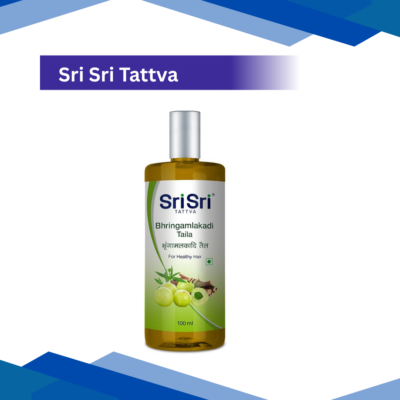
Sri Sri Tattva bhringhamlakadi taila