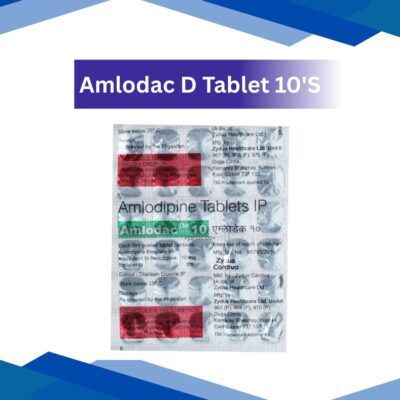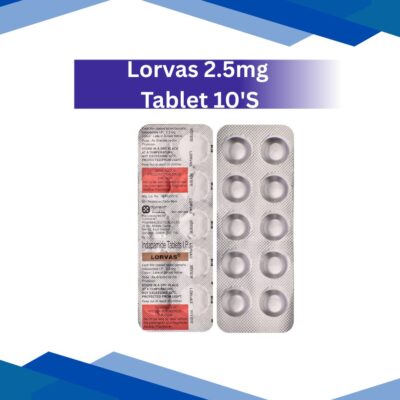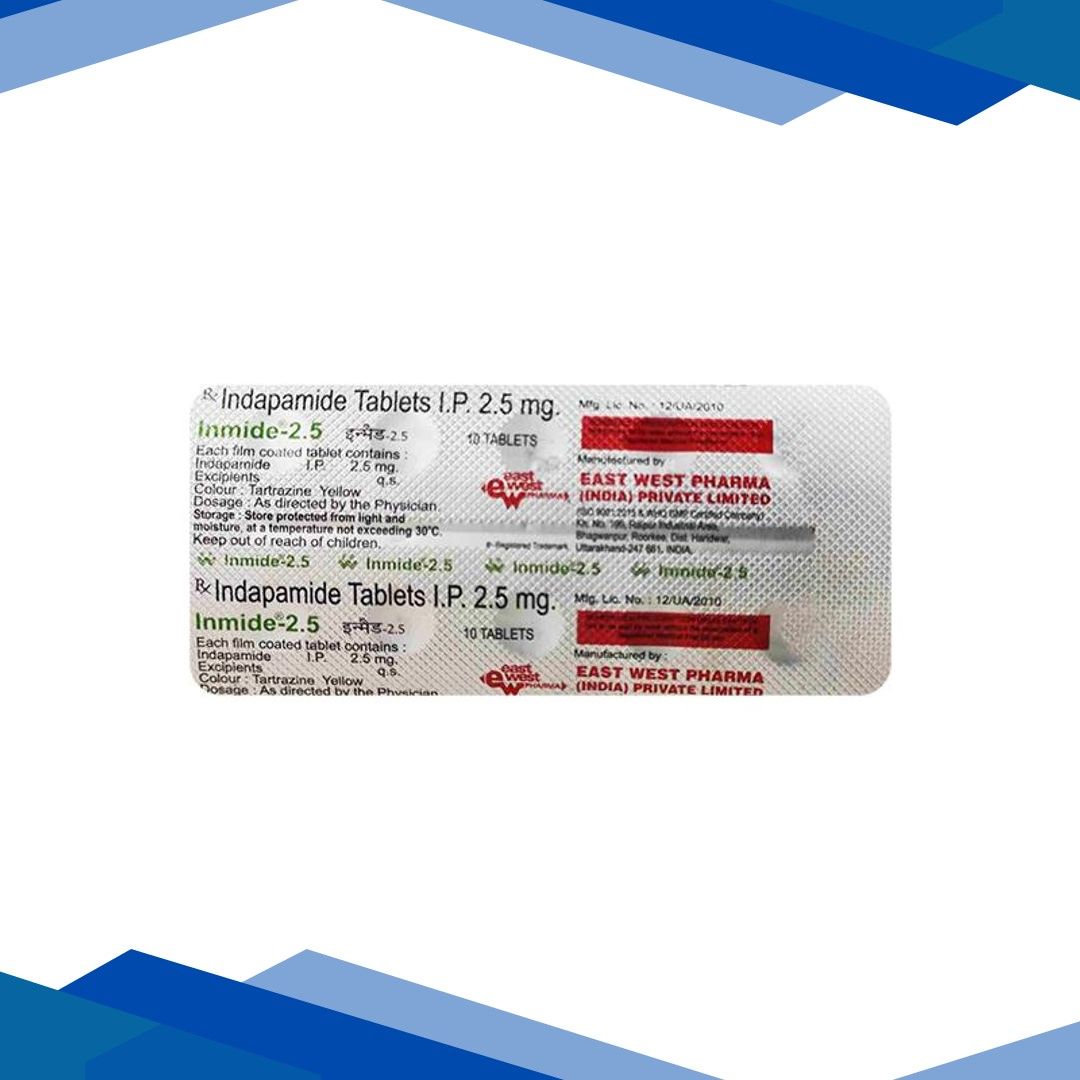
Inmide 2.5mg Tablet 10’S
Inmide 2.5mg Tablet is a combination medicine used mainly to help control high blood pressure. Amlodipine relaxes and widens the blood vessels, making it easier for blood to flow, while indapamide helps the body remove extra salt and water through urine, which lowers the pressure on the blood vessels. Together, they work in different ways to reduce blood pressure more effectively than either medicine alone in some people. This medicine is commonly prescribed for hypertension and may also help lower the risk of complications linked to long-term high blood pressure, such as heart attack or stroke. It should be used under medical supervision, as regular monitoring may be needed to ensure it is working safely and well.
Description
Inmide 2.5mg Tablet is a combination medicine used mainly for the management of high blood pressure, also called hypertension. it brings together two different types of blood-pressure-lowering medicines in one tablet, which can help improve control of blood pressure when a single medicine is not enough. this combination is often prescribed for people who need stronger and more consistent blood pressure reduction over time, especially when their doctor wants to reduce the risk of complications such as stroke, heart attack, kidney damage, or heart failure related to long-standing uncontrolled hypertension.
amlodipine belongs to a group of medicines called calcium channel blockers. it works by relaxing and widening the blood vessels, which makes it easier for blood to flow through them and lowers the pressure inside the arteries. indapamide is a thiazide-like diuretic, sometimes called a “water pill,” which helps the body remove excess salt and water through the urine. by reducing fluid volume and supporting blood vessel relaxation, it further lowers blood pressure. because the two medicines work in different ways, the combination can provide better blood pressure control than either medicine alone in suitable patients.
this medicine is generally intended for adults who have been diagnosed with hypertension and whose blood pressure is not adequately controlled with lifestyle measures or with one antihypertensive drug alone. in some cases, it may be prescribed when a healthcare professional wants to simplify treatment by using a fixed-dose combination rather than two separate tablets. however, Inmide 2.5mg Tablet should be used only under medical supervision, because blood pressure response, kidney function, electrolyte levels, and tolerance can vary significantly from person to person.
although it is effective for lowering blood pressure, this medicine does not cure hypertension. it helps control it while it is being taken regularly. good results are usually achieved when the medicine is combined with healthy habits such as reducing salt intake, exercising appropriately, maintaining a healthy weight, limiting alcohol, avoiding smoking, and following the treatment plan prescribed by a healthcare professional.
ingredients
- amlodipine: amlodipine is a calcium channel blocker that relaxes and widens blood vessels. by reducing the resistance in the arteries, it lowers blood pressure and decreases the workload on the heart. it is helpful in managing hypertension and may also be used in some patients with chest pain related to reduced blood flow to the heart. in this combination, its main role is sustained vascular relaxation and long-lasting blood pressure control.
- indapamide: indapamide is a diuretic with blood-pressure-lowering properties. it helps the kidneys remove extra sodium and water from the body, which reduces fluid volume in the bloodstream and helps lower pressure in the arteries. indapamide also has a direct effect on blood vessels, contributing to its antihypertensive action. it is particularly useful when blood pressure control needs an additional mechanism beyond vessel relaxation alone.
key uses
- treatment of hypertension: this medicine is primarily used to lower persistently elevated blood pressure. controlled blood pressure helps reduce the long-term risk of serious complications affecting the brain, heart, kidneys, and blood vessels.
- combination therapy when one medicine is not enough: it may be prescribed when a single antihypertensive drug does not sufficiently control blood pressure. using two complementary medicines can improve effectiveness while sometimes allowing simpler daily treatment.
- reduction of cardiovascular risk related to high blood pressure: by keeping blood pressure within a healthier range, the medicine can help reduce the chances of stroke, heart attack, heart strain, and damage to blood vessels over time. this benefit depends on regular use and overall medical care.
- support for long-term blood pressure management: it may be used as part of ongoing treatment in adults who need steady control rather than short-term blood pressure reduction. it is usually chosen based on a doctor’s evaluation of blood pressure readings, health history, and response to earlier therapy.
how to use
Inmide 2.5mg Tablet should be taken exactly as prescribed by a healthcare professional. it is usually taken once daily, and many patients are advised to take it at the same time each day to help maintain steady blood levels and consistent blood pressure control. the tablet should generally be swallowed whole with water, and it may be taken with or without food unless your doctor gives different instructions. try to follow the routine recommended for you, because blood pressure medicines work best when taken regularly.
do not stop taking this medicine suddenly without medical advice, even if you feel well. high blood pressure often has no obvious symptoms, so people may mistakenly think treatment is no longer needed. stopping abruptly may allow blood pressure to rise again and increase the risk of complications. if you are also taking other medicines for blood pressure, your doctor may monitor your response closely and adjust treatment based on blood pressure readings, side effects, and laboratory tests.
because indapamide can affect fluid and electrolyte balance, your healthcare provider may occasionally check kidney function, sodium, potassium, and other relevant blood tests. you should also inform your doctor if you notice dizziness, swelling, unusual weakness, muscle cramps, palpitations, or a sudden drop in blood pressure when standing. these may indicate that the dose or treatment plan needs review.
safety information
- warnings: this medicine can lower blood pressure too much in some people, causing dizziness, lightheadedness, fainting, or weakness, especially when standing up quickly. indapamide may also cause dehydration or electrolyte changes such as low sodium or low potassium. amlodipine may cause swelling of the ankles or feet. regular medical follow-up is important to monitor response and safety.
- side effects: common side effects may include dizziness, headache, tiredness, flushing, swelling of the ankles or feet, frequent urination, nausea, stomach discomfort, and mild muscle cramps. serious side effects are less common but may include severe low blood pressure, fainting, irregular heartbeat, marked dehydration, significant electrolyte imbalance, kidney problems, allergic reactions, severe rash, and worsening chest pain in rare cases. seek urgent medical help if you experience chest pain, severe shortness of breath, facial swelling, or signs of a serious allergic reaction.
- precautions: use caution if you have kidney disease, liver disease, electrolyte disturbances, gout, heart failure, dehydration, or a history of fainting. elderly patients may be more sensitive to blood pressure lowering and fluid loss. people with severe low blood pressure, significant dehydration, or known allergy to either component should avoid this medicine unless a specialist advises otherwise. your doctor may need to monitor you more closely if you are frail, taking multiple blood pressure medicines, or have underlying cardiovascular disease.
- pregnancy/breastfeeding: this medicine should only be used during pregnancy if clearly prescribed by a doctor after weighing the benefits and risks. indapamide is generally not preferred in pregnancy unless a healthcare professional specifically decides it is needed. safety during breastfeeding should also be discussed with a doctor, because medicines may pass into breast milk and could affect the infant. do not self-medicate during pregnancy or lactation.
- interactions: alcohol can increase dizziness and the risk of low blood pressure, especially when standing. this medicine may interact with other antihypertensives, diuretics, lithium, nsaid pain relievers, certain heart medicines, some antibiotics, antifungals, and medicines that affect potassium levels. grapefruit products may sometimes affect amlodipine levels in the body, so it is wise to ask your doctor or pharmacist about dietary cautions. always tell your healthcare professional about all prescription medicines, over-the-counter products, herbal supplements, and vitamins you use.
additional information
- storage: store the medicine at room temperature in a dry place, away from direct heat, moisture, and sunlight. keep it in its original packaging and out of reach of children and pets. do not store it in a bathroom or near a kitchen sink where humidity can affect tablet quality.
- missed dose: if you miss a dose, take it when you remember unless it is almost time for the next dose. if the next dose is near, skip the missed dose and continue with your regular schedule. do not double the dose to make up for a missed one, as this can increase the risk of low blood pressure and side effects.
- overdose: an overdose may cause severe dizziness, very low blood pressure, fainting, weakness, irregular heartbeat, excessive urination, dehydration, or electrolyte imbalance. if an overdose is suspected, seek emergency medical help immediately. do not wait for symptoms to become severe. bring the medicine package with you if possible so healthcare providers know exactly what was taken.
- habit forming: no, this medicine is not habit forming. it does not cause dependence or addiction. however, it should be taken regularly as directed because stopping it suddenly can cause blood pressure to rise again and may increase health risks.
frequently asked questions
Q: what is Inmide 2.5mg Tablet used for?
A: Inmide 2.5mg Tablet is mainly used to treat high blood pressure. it combines two medicines that work in different ways to help lower blood pressure more effectively when one medicine alone is not enough.
Q: how does Inmide 2.5mg Tablet work in the body?
A: amlodipine relaxes and widens blood vessels, while indapamide helps the body remove extra salt and water and also supports blood vessel relaxation. together, these actions reduce blood pressure and the strain on the heart.
Q: can i take Inmide 2.5mg Tablet with food?
A: it is generally taken with or without food, unless your doctor advises otherwise. the most important thing is to take it consistently at the same time each day.
Q: what should i do if i feel dizzy after taking it?
A: mild dizziness can happen, especially when standing up quickly. sit or lie down until it passes, rise slowly from sitting or lying positions, and tell your doctor if it happens often or is severe.
Q: does this medicine cure high blood pressure?
A: no, it does not cure hypertension. it helps control blood pressure while you are taking it, and long-term management usually also requires healthy lifestyle changes.
Q: can Inmide 2.5mg Tablet cause swelling?
A: yes, amlodipine can sometimes cause swelling of the ankles or feet. if swelling is severe, persistent, or accompanied by shortness of breath, contact a healthcare professional.
Q: is it safe to stop this medicine when my blood pressure improves?
A: do not stop it on your own. blood pressure can rise again without warning, so any change in treatment should be made only under medical supervision.
Q: will i need blood tests while taking this medicine?
A: your doctor may order blood tests from time to time to check kidney function and electrolytes, especially because indapamide can affect sodium and potassium levels.
Q: can i drink alcohol while taking Inmide 2.5mg Tablet?
A: alcohol can increase the chance of dizziness and low blood pressure. if you drink alcohol, do so only after asking your doctor whether it is appropriate for you.
Q: is Inmide 2.5mg Tablet suitable for everyone with high blood pressure?
A: no, treatment must be individualized. it may not be appropriate for people with certain kidney problems, low blood pressure, dehydration, or other specific medical conditions, so medical evaluation is necessary.
Q: what if i accidentally take too much?
A: an overdose can be serious and may cause fainting, very low blood pressure, or abnormal heart rhythm. seek emergency medical help right away if too much is taken.
Q: can this medicine interact with painkillers?
A: yes, some painkillers, especially nsaids, may reduce the blood-pressure-lowering effect or affect kidney function in some people. ask your doctor or pharmacist before using regular pain relief medicines.
Q: do i need to monitor my blood pressure at home?
A: home blood pressure monitoring can be very helpful. it allows you and your doctor to see how well the medicine is working and whether adjustments are needed.
Q: can this medicine be used in pregnancy?
A: it should only be used during pregnancy if a doctor decides the benefits outweigh the risks. always consult your healthcare professional before using any blood pressure medicine during pregnancy.
Q: why might my doctor choose a combination tablet?
A: a combination tablet can improve convenience, help with consistent treatment, and provide stronger blood pressure control by using two medicines with complementary actions.
this information is for educational purposes only and should not be considered medical advice. always consult a qualified healthcare professional before use.
At Gem Pharmacy, we make every effort to provide accurate, expert-written, and thoroughly reviewed information related to medicines. However, this information should not be considered a substitute for professional medical advice, diagnosis, or treatment from a qualified doctor.
The purpose of this information is to educate users and improve communication between patients and healthcare professionals. It should not be used to diagnose or treat any condition.
Always consult a certified healthcare professional before taking any medication.


Related products