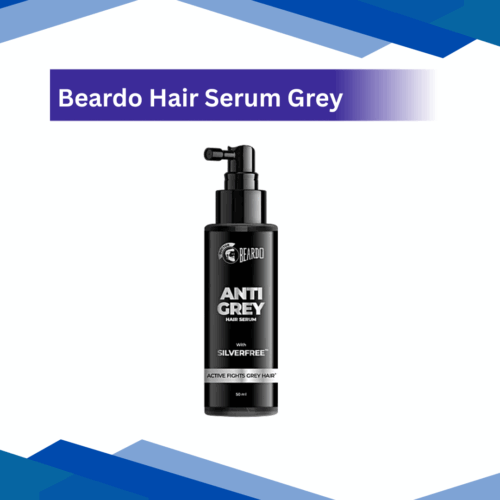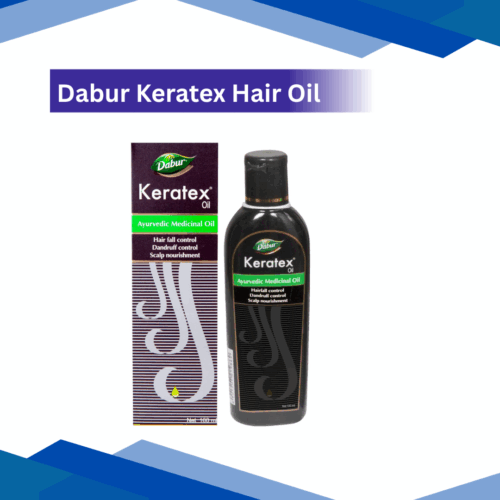


Kesh King Ayurvedic hair oil
A clinically proven Ayurvedic hair oil formulated to reduce hair fall, strengthen hair roots, and promote new hair growth. It nourishes the scalp, improves blood circulation, and helps in reducing dandruff, dryness, and premature greying, leaving hair healthier and shinier.
Amla
Phyllanthus emblica, the botanical name of amla, is a prized rejuvenating agent in tradition. Not only does amla allow the body's immune system to function properly, but it does so while enhancing iron absorption and acting as a shield of antioxidants that prevents oxidative harm to cells. Of further importance in clinical practice are amla´s demonstrated effect on lipid profiles and glucose metabolism; it is instrumental in the holistic approach to good health.
Key Points
Superior Antioxidant Profile: Amla has 20 times more Vitamin C than oranges and offers a strong barrier against seasonal infections.
Metabolic Support: Being a natural source of chromium, amla is useful in augmenting insulin sensitivity and stabilizing blood glucose levels.
Digestive Aid: High in fiber and its alkaline nature soothingly reduces hyperacidity and narrows gut motility.
Dermatological Benefits: Reduces premature graying of hair by strengthening hair follicles and fosters beautiful, youthful skin by enhancing collagen synthesis.
Product specifications
Various pharmaceutical and traditional forms are available for Amla to adapt to different needs straight away:
Tablets/Capsules: Standardized extract (usually 500mg) for daily regular dosage.
Churna/Powder: It insists on being completely natural with its sun-dried fruit powder to boost the digestive and respiratory system.
Juice: Unhurried pressed juice, excellent for quick absorption and detoxification.
Health Benefits
Cardiovascular Health: Reduced LDL (bad) cholesterol and triglycerides by use of the anti-inflammatory effects of Amla.
Eye Health: Having a high content of Vitamin A and carotene, Amla decreases intraocular pressure and offers protection against macular degeneration caused by aging.
Liver Detox: Amla works as a gifted cleanser for liver detox, helping to restore damaged liver tissues by safely flushing out toxins.
Respiratory Health: It heals the congested airways and provides relaxation to chronic cough and bronchitis.
Safety Information & Precautions
May affect the reduction of blood sugar: For those on diabetes meds, blood sugar levels need to be watched closely to avert hypoglycemia as ID should not and must monitor sugar levels closely.
Surgery: Amla mildly affects blood-thinning. Do not use Amla for at least two weeks before surgery.
Heat Note: In a post-digestive action, Amla is alkaline; however, in subjects with active peptic ulcers, the high degree of acidity can cause discomfort.
Pregnancy: Eating the very fruit is guaranteed, but do not forget to inquire your obstetrician prior to taking any supplement made up of Amla.
Recommended Dosage
For server safeties intake Amla: 15–20 ml with an equal amount of water early in the day preferably on an empty stomach.
Amla Tablets/ Capsules: Two tablets, twice a day after lunchtime, or as directed by a healthcare practitioner.
Amla Powder: ½-1 teaspoon of powder followed by honey or lukewarm water before going to bed..
Frequently Asked Questions (FAQs)
Q. Is Amla (Indian gooseberry) useful for reducing hair fall?
A: Yes. Amla penetrates the scalp and strengthens hair roots with Vitamin C and tannins to prevent free radicals that damage the follicle.
Q: Is eating Amla daily dangerous?
A: Long-term immunity is really boosted by the consumption of Amla every day. However, you will need to check your frequency if your kidneys produce stones due to Amla and oxalates or even if you are on blood thinners.
Q: Why does the gooseberry taste sweet when I drink water?
A: This is the peculiar nature of that fruit. Saliva reacts with the tannins and acids of the gooseberry; when drinking water, this acids are washed away, leaving only the sweet taste sensation.
Q: Does Amla have interactions with medications?
A: Amla is said to potentiate drugs like hypertension and diabetes-treating agents. Always make it a point to mention your consumption of Amla extracts to the doctor whenever you also take prescription medications.
Bhringraj
Bhringraj (Eclipta alba): The King of Herbs for Hair and Liver Care
Bhringraj, scientifically known as Eclipta alba, is a renowned Ayurvedic herb often referred to as “Keshraja” (King of Hair). This plant is a rich source of bioactive compounds such as wedelolactone, coumestans, and flavonoids, which support systemic detoxification and cellular regeneration.
Therapeutic Uses of Bhringraj
Hair Restoration: Promotes hair growth by improving blood circulation in the scalp and revitalizing hair follicles, according to many Ayurvedic practitioners. It is often used to help manage premature greying and male pattern baldness.
Hepatoprotective (Liver Support): Acts as a powerful liver tonic, helping to purify the liver and support conditions such as fatty liver and jaundice.
Skin Rejuvenation: With its anti-inflammatory and antibacterial properties, Bhringraj helps treat minor skin infections, allergies, and may promote faster wound healing.
Stress Relief & Sleep Support: Bhringraj oil massage is valued for its cooling effect, often recommended to reduce stress and improve sleep quality.
Vision Support: Rich in Vitamin A, Bhringraj has traditionally been used to help maintain eye health and reduce eye strain.
Key Bio-Active Constituents
Wedelolactone: A major phyto-constituent known for its liver-protective and potential anti-cancer properties.
Alkaloids & Saponins: These compounds contribute to the herb’s anti-inflammatory and antimicrobial activities.
Natural Pigments: Help maintain hair melanin, potentially assisting in the prevention of premature greying.
Safety Measures & Warning
Cold Nature: Individuals prone to frequent coughs and colds should use Bhringraj internally with caution, especially during winter, due to its “Sheeta” (cooling) nature.
Topical Sensitivity: Although generally safe, performing a patch test is recommended before using Bhringraj oil to avoid possible skin sensitivity.
Pregnancy Warning: Bhringraj is not recommended during pregnancy due to limited clinical data on its internal use. Always consult a healthcare professional before taking it.
Medication Interactions: People taking blood-thinning or anti-diabetic medications should consult a doctor before use, as Bhringraj may influence blood parameters.
Frequently Asked Questions (FAQs)
1. How long does it take to see hair growth results?
Results may vary, but improvements in hair texture and scalp health are often noticeable within 4–6 weeks of regular use of Bhringraj oil or powder. More noticeable hair regrowth may appear after about 3 months.
2. Can Bhringraj be taken orally?
Yes, Bhringraj is available in tablet, capsule, and juice forms. It is commonly taken orally to support liver health and digestion. Always follow the dosage instructions provided by an Ayurvedic practitioner or on the product label.
3. Does Bhringraj help with dandruff?
Yes. Bhringraj can help reduce scalp infections and dryness that contribute to dandruff. Massaging Bhringraj oil into the scalp may help maintain a balanced scalp pH.
4. Is Bhringraj oil suitable for oily scalp or skin?
Yes. Bhringraj oil is generally lighter than many traditional oils and absorbs well into the scalp, helping regulate sebum production, making it suitable even for oily scalps.
5. Can Bhringraj oil be left on overnight?
Yes, leaving Bhringraj oil on the scalp overnight allows its healing properties to penetrate deeply into the hair roots. However, if you are prone to sore throat or sinus sensitivity, applying it 30–60 minutes before washing may be more suitable.
Brahmi
Brahmi (Bacopa monnieri): The Ancient Guardian of Cognitive Health
Brahmi, scientifically known as Bacopa monnieri, and sometimes called the “Herb of Grace,” represents the keystone of over 3000 years of Ayurvedic tradition. This remarkable herb has long been used to strengthen the nervous system, enhance intellectual performance, and promote emotional balance. Modern research supports these traditional uses, highlighting the role of bioactive compounds called bacosides, which help repair damaged neurons and improve the efficiency of nerve impulse transmission.
[Image: Close-up of Brahmi leaves / Brahmi Capsules by a glass of warm milk]
Therapeutic Uses & Health Benefits
Supporting Cognitive Functions: Traditionally used to enhance memory, learning capacity, and mental alertness, making it beneficial for students and older adults.
Stress and Anxiety Support: Brahmi acts as a natural adaptogen, helping the body manage stress, balance cortisol levels, and calm Vata-related nervous disturbances.
Neuroprotection: Its strong antioxidant properties help protect brain cells from oxidative stress, supporting the management of age-related cognitive decline.
Sleep Quality: By calming the central nervous system, Brahmi promotes relaxation, which may help individuals dealing with occasional insomnia.
Hair & Scalp Health: When used as Brahmi oil, it helps strengthen hair follicles, soothe the scalp, and reduce dryness and dandruff.
How to Use Brahmi
Formulations: Brahmi is available in multiple forms, including Churna (powder), Vati (tablets), Ghrita (medicated ghee), and Brahmi oil.
Best Taken With: In Ayurvedic practice, Brahmi is often consumed with a fat-based carrier such as warm cow’s milk or ghee, which helps improve the absorption of bacosides.
Timing: Usually taken once or twice daily, either early in the morning on an empty stomach for mental clarity or at night to support restful sleep.
Safety Advice & Precautions
Gastric Effects: Some individuals may experience mild nausea or stomach discomfort if Brahmi is consumed in excessive amounts.
Thyroid Interaction: Brahmi may slightly increase thyroid hormone levels, so individuals with hyperthyroidism should monitor their thyroid function carefully.
Bradycardia Risk: People with a tendency toward slow heart rhythm (bradycardia) should consult a healthcare professional before taking high doses, as Brahmi may have mild sedative effects on the heart.
Pregnancy & Lactation: There is limited clinical evidence regarding its safety during pregnancy or breastfeeding, so medical advice is recommended before use.
Frequently Asked Questions (FAQs)
1. How long does it take to notice the benefits of Brahmi?
Some calming effects may appear within a few days, but improvements in memory and cognitive performance generally develop gradually. Clinical evidence suggests 8–12 weeks of consistent use for noticeable cognitive enhancement.
2. Can children take Brahmi?
Yes, Brahmi is traditionally used in Ayurveda as a brain tonic for children, supporting concentration and coordination. However, the dosage should always be age-appropriate and supervised by a pediatrician or Ayurvedic practitioner.
3. Does Brahmi cause sedation?
Brahmi is not primarily a sedative, but it acts as an anxiolytic, meaning it helps reduce anxiety and promote relaxation. Daytime drowsiness is uncommon when taken at recommended doses.
4. Are Brahmi and Gotu Kola the same?
Although the name “Brahmi” is sometimes used for both herbs in different regions, they are distinct plants. The herb discussed here is Bacopa monnieri, while Gotu Kola refers to Centella asiatica. Both support brain health, but Bacopa monnieri is especially known for improving memory.
5. Can Brahmi be taken with anti-anxiety medications?
Brahmi may interact with sedatives, anxiolytics, antipsychotic drugs, or certain prescription medications. Individuals currently taking such medicines should consult a healthcare professional before combining them with Brahmi supplements.
Manjistha
Manjistha — The Best Ayurvedic Blood Purifier for Radiant Health
Manjistha (Rubia cordifolia) or Indian Madder, the veritable foundation of Ayurvedic medicine, becomes greatly health-wise when it comes to blood detoxification and the lymphatic system. It is a perennial climber with intense red roots and many anthraquinones—bioactive constituents that are very appreciative of liver health and skin clarity, thereby rendering Manjistha our planet's greatest answer to patient skin ailments and lethargy brought about by environmental toxins and wrong food. It is gentle and easy-going and moves very fluidly in eliciting fluids from the body to promote the best generation of metabolic waste, or Ama.
Clinical Benefits & Therapeutic Underpinnings
Systemic Detoxification: Manjistha is famous as a blood purifier and is known to filter impurities from the blood that are generally considered to be the root causes of common skin complaints like acne, eczema, and psoriasis.
Lymphatic Support: It must be known that perhaps for the first time amongst so many herbs, Manjistha takes specific considerations for the lymphatic system, noticeably aiding stagnant fluid drainage, reducing edema, and battering the defense of immune responses.
Skin Complexion & Hyperpigmentation: It balances heat within an individual's framework, resulting in the reduction of skin blemishes, melasma, viral cold sores, or any kind of hyperpigmentation, as a result of soothing inflammation.
Active Constituents for a Quick Overview
Feature
Details
Active Constituents
Purpurin, Munjistin, Alizarin, and Glycosides
Primary Actions
Blood Purifier, Anti-inflammatory, Anti-microbial
Ayurvedic Profile
Balances Pitta & Kapha; Cooling (Sheeta) Potency
Common Forms
Capsules, Churna (Powder), and Mahamanjisthadi Kwath
Frequently Asked Questions (FAQs)
1. For how long does Manjistha show its effects on the skin?
First of all, the benefits to the skin do not happen all overnight; it will take some time due to unpollutioning of the blood. Someone may value their blood with nicer glow during that time, in a method of 4–6 weeks. But often, it will result in subsiding acne flares but not always. And for some, they need applications for up to 3 months in case of hyperpigmentation.
2. Can I apply Manjistha Powder directly to my face?
Yes! Mix 1/2 teaspoon of the powder with some honey or rose water for a paste. Leave it on for 15 min, then just rinse with lukewarm water. "Spot-treating" works for acne because it's antibacterial. A patch test is always a good idea!
3. Manjistha: Does it change the color of my urine?
Do not worry if this occurs with your pee. Yes, it is normal. When metabolizing the alizarin pigment naturally present in its root, your body might allow your urine or stool to bear a slight orange to reddish hue while reading results that are very so harmless.
4. Are there any precautions for the ladies?
A mild uterine stimulant is Manjistha. It indeed brings balance to menstrual cycles and eases period cramps; however, it is not recommended during pregnancy. For breastfeeding ladies, a consultation with healthcare practitioners is advised.
5. Can I take Manjistha if I am taking blood thinning medication?
Use it cautiously. Manjistha has very subtle anti-platelet activity. To avoid any bleeding risks, share the information on medications like Warfarin and Aspirin with your doctors.
At Gem Pharmacy, we make every effort to provide accurate, expert-written, and thoroughly reviewed information related to medicines. However, this information should not be considered a substitute for professional medical advice, diagnosis, or treatment from a qualified doctor.
The purpose of this information is to educate users and improve communication between patients and healthcare professionals. It should not be used to diagnose or treat any condition.
Always consult a certified healthcare professional before taking any medication.


Related products

The Earth Collective Hair Oil – Anti Dandruff 200 ml
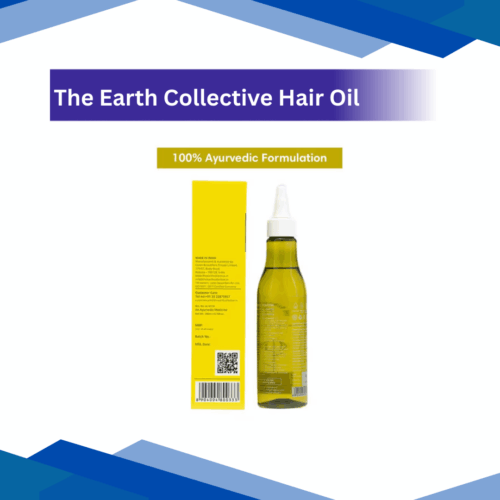
The Earth Collective Hair Oil Ayurvedic Formulation
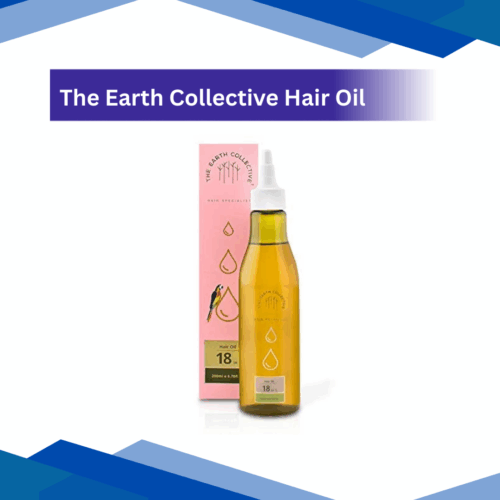
The Earth Collective Hair Oil – 18 In 1 200 ml Hair Oils