Benzalkonium Chloride
Benzalkonium Chloride: The Multi-Purpose Antiseptic & Preservative
Benzalkonium Chloride (often abbreviated as BAC or BKC) is a powerhouse in the world of hygiene and pharmaceuticals. As a potent quaternary ammonium compound, it serves two primary roles: a fast-acting antiseptic that kills germs on the skin and a reliable preservative that ensures your multi-dose medications stay sterile and safe for use.
Whether you’re looking for a first-aid solution for a minor scrape or checking the ingredients in your eye drops, Benzalkonium Chloride is likely the ingredient doing the heavy lifting behind the scenes.
How It Works
BAC works by disrupting the cell membranes of microorganisms. Think of it as a key that unlocks the “skin” of bacteria and fungi, causing the cellular contents to leak out. This effectively halts the growth of pathogens and prevents infection.
Key Uses & Benefits
-
First Aid Antiseptic: Commonly found in wipes, sprays, and creams to clean minor cuts, scrapes, and burns.
-
Pharmaceutical Preservative: It is the “gold standard” preservative for ophthalmic (eye), nasal, and otic (ear) drops, preventing bacterial growth after the bottle has been opened.
-
Surface Disinfection: Used in hospital-grade cleaners to sanitize hard surfaces, ensuring a germ-free environment.
-
Skin Prep: Often used by healthcare professionals to prepare the skin before a medical procedure or injection.
Quick Facts Table
| Feature |
Details |
| Drug Class |
Quaternary Ammonium Compound / Antiseptic |
| Common Forms |
Liquid solution, wipes, creams, and as an additive in drops |
| Primary Goal |
To kill bacteria, fungi, and protozoa on contact |
| Safety Profile |
Generally safe for topical use; not for internal consumption |
Safety Precautions
While Benzalkonium Chloride is highly effective, it should be used with care:
-
For External Use Only: Never swallow BAC-based solutions. If accidental ingestion occurs, seek medical help immediately.
-
Eye Irritation: In its pure or high-concentration form, it can cause severe eye irritation. Only use in the eyes if it is a pre-formulated ingredient in medically approved eye drops.
-
Allergy Alert: Though rare, some individuals may experience redness, itching, or swelling. If a rash develops, discontinue use.
-
Storage: Keep the container tightly closed in a cool, dry place, away from the reach of children.
Frequently Asked Questions (FAQs)
Q: Is Benzalkonium Chloride the same as alcohol?
A: No. Unlike alcohol-based sanitizers, BAC is non-flammable and generally less drying to the skin. It provides a “persistent” antimicrobial effect, meaning it continues to work for a short period even after it dries.
Q: Can I use Benzalkonium Chloride on deep wounds?
A: BAC is intended for minor, superficial wounds. For deep punctures, animal bites, or severe burns, you should consult a healthcare professional rather than treating it at home.
Q: Why is BAC in my eye drops?
A: It acts as a preservative. Since many eye drops are used over several weeks, BAC prevents bacteria from growing inside the bottle every time the dropper tip is exposed to air or skin.
Q: Is it safe for children?
A: Yes, when used topically in diluted concentrations (like in antiseptic wipes), it is generally safe for children. However, always supervise application to prevent them from rubbing it into their eyes or mouth.
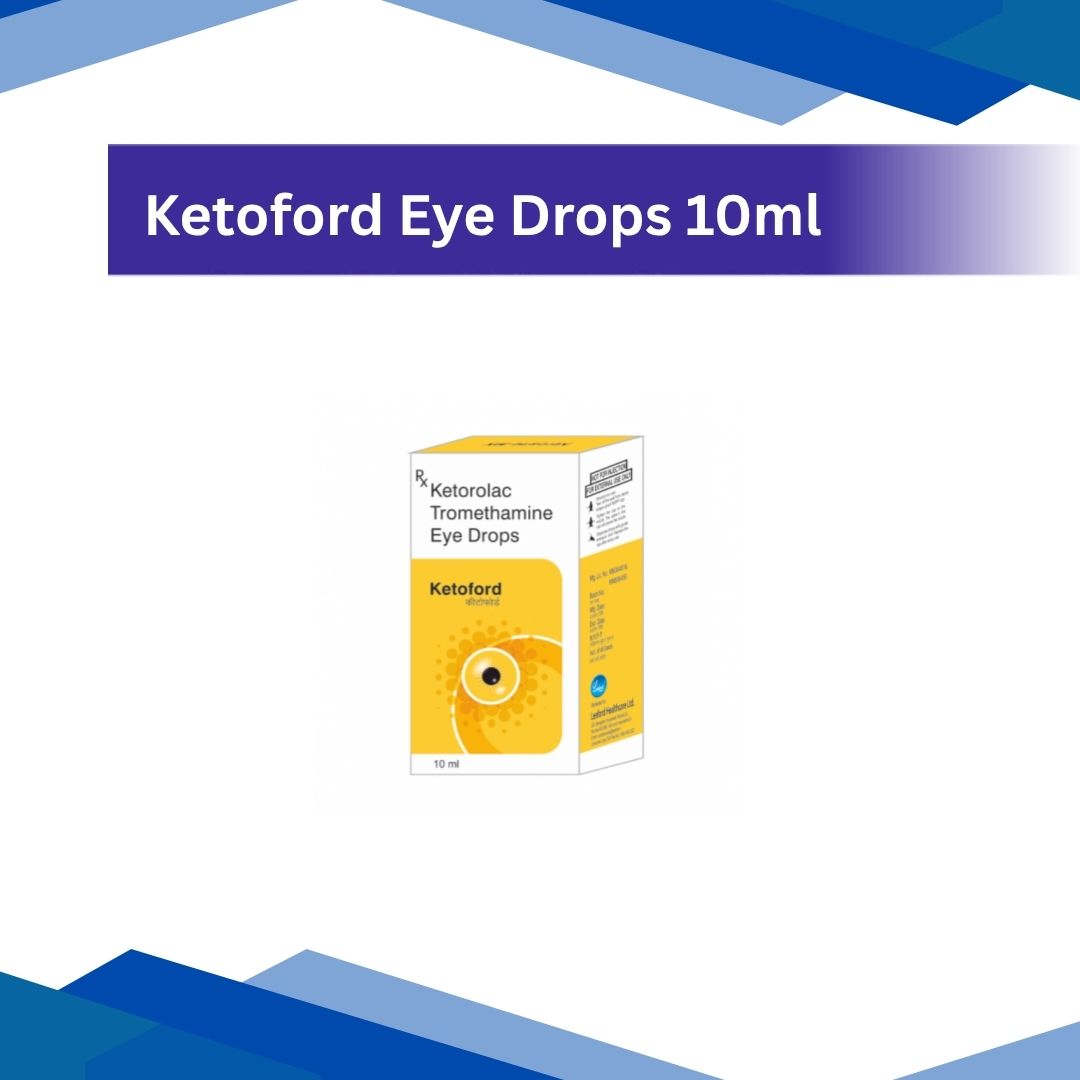
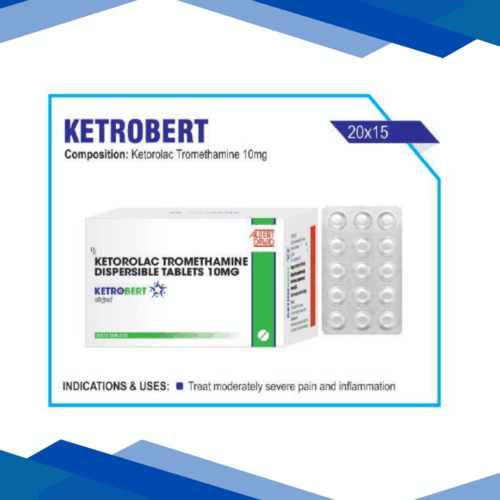
Ketorolac
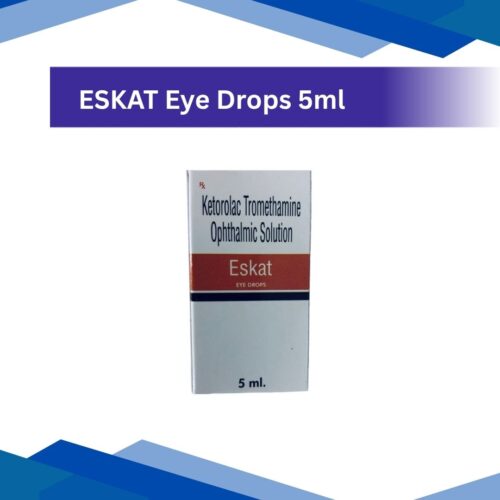
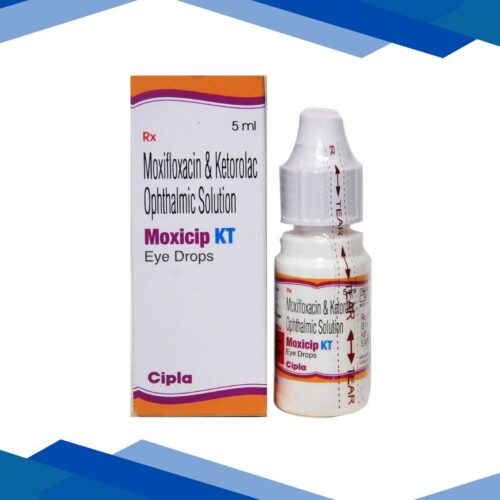
Ketorolac
OVERVIEW
Ketorolac is used to relieve moderately severe pain, usually pain that occurs after an operation or other painful procedure.
CLASSIFICATION
Anti-inflammatory drug (NSAID)
USES
Ketorolac is used for moderately severe acute pain that needs strong pain relief, often after surgery. Acute pain starts suddenly and lasts a short time, and is often due to an injury, illness, or surgery.
HOW IT WORKS
Ketorolac works by blocking certain substances in the body that cause pain, inflammation, and fever.
DOSAGE
As directed by the physician
PRECAUTIONS
You should always have Ketorolac on a full stomach. If it is not possible for you to take it right after a meal, then at least take it with a glass of milk. It is not advised to take medicine on an empty stomach. If you suffer from any other ailments, inform your doctor about them. If you have certain diseases like kidney or liver issues, Ketorolac might cause serious harm to the body.
Ketorolac may cause drowsiness and dizziness. So, you should try not to drive just after taking it, to avoid accidents.
Pregnant women should consult the doctor first before taking Ketorolac, as it might be unsafe for the foetus, and the same goes for breastfeeding women
Prolonged use of ketorolac can lead to stomach and intestinal ulcers, hypertension, and kidney diseases. Ketorolac can also cause internal bleeding, liver problems, and asthma.
SIDE EFFECTS
The most common side effects of ketorolac are as follows:
Stomach Pain
Vomiting
Diarrhoea
Indigestion
Heartburn
Loss of appetite
Nausea
Dizziness
Drowsiness
DISCLAIMER
This content is for informational purposes only. Always consult a healthcare provider for medical advice and proper dosage