
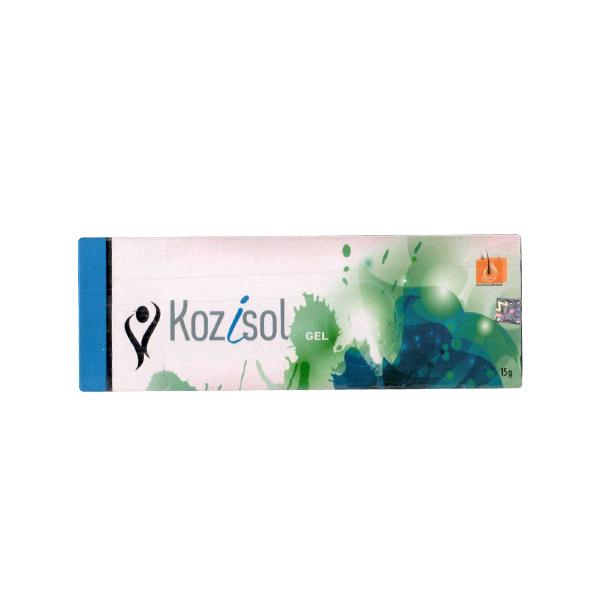
KOZISOL Gel 15gm
No Prescription yet? Don’t worry! Click Here to Get Online Consultation
Arbutin + Kojic Acid is a skin-lightening combination commonly used to treat hyperpigmentation, dark spots, melasma, and uneven skin tone. It works by inhibiting the enzyme tyrosinase, which reduces melanin production in the skin. This helps brighten the complexion and gradually fade discoloration for a more even skin tone.
Allantoin
Allantoin: The Ultimate Soothing Agent for Skin Recovery
Allantoin serves as a discreet skincare component which dermatologists recommend for treating ongoing skin dryness and minor skin problems and for enhancing existing skincare products. Allantoin functions as a non-irritating skin safeguard which promotes wound healing through its natural presence in the comfrey plant and its synthesized clinical-grade form.
Mechanism of Action
The process of Allantoin functions through:
Allantoin penetrates skin layers using keratolysis unlike most active ingredients which remain on the surface. The treatment functions by softening the adhesive material which binds dead skin cells together to enable better shedding of these cells.
The Resulting Processes
- Deep Hydration: The process enables moisture to reach deeper skin layers after dead cells have been removed.
- Cell Regeneration: The treatment triggers fibroblast cells which create collagen to accelerate scar and abrasion healing.
- Anti-Irritation: The substance functions as a natural buffer which enhances its compatibility with more intense treatments such as Retinol and AHAs.
Primary Uses & Benefits
- Soothing Sunburns & Rashes: The treatment quickly calms skin redness and heat because it stops the inflammatory process which affects the skin.
- Scar Management: The treatment results in less visible scar tissue because its regular use makes the scar tissue smoother over time.
- Eczema & Psoriasis Relief: The treatment creates a protective barrier which stops moisture loss through transepidermal water loss (TEWL) from damaged skin areas.
- Post-Procedure Recovery: The procedure acts as a tissue repair accelerator which people use after chemical peels and laser treatments.
Frequently Asked Questions (FAQs)
1. Is Allantoin safe for sensitive skin?
Yes. Allantoin functions as an "anti-irritant" which people widely acknowledge. The ingredient appears in cosmetics because it helps to minimize potential skin reactions which other components of the product might induce. The product provides safety for all skin types which includes people who suffer from hypersensitivity and rosacea.
2. How should I apply products containing Allantoin?
The optimal method for using Allantoin-based products requires users to apply the cream or gel onto their slightly damp skin. The process establishes a barrier that maintains moisture for longer periods. The user should perform gentle massage movements to apply the product two times each day for scar treatment purposes.
3. Can I use Allantoin along with Vitamin C or Retinol?
Absolutely. The practice of using Allantoin in combination with "actives" which include Retinol and Salicylic Acidrepresents a common recommendation. The soothing effects of Allantoin protect the skin from discomfort which occurs when users use those products that cause their skin to peel or turn red.
4. Are there any side effects?
The natural soothing properties of Allantoin make its side effects extremely rare. The product requires users to conduct a patch test on their forearm before they use it for complete application. The product requires users to stop using itwhenever they experience uncommon stinging or ongoing redness and seek medical assistance.
5. Is Allantoin the same as Urea?
Both compounds function as keratolytic agents which dissolve dead skin cells yet Allantoin operates as a milder option. Allantoin serves as the better choice for facial skin and wound treatment whereas urea works effectively on extremely thick and cracked heel skin.
Storage and Safety Information:
- Storage: The container should remain tightly sealed while stored in an area that maintains cool and dry conditions. The material should not receive direct sunlight exposure.
Warning: The product exists for external application only. The product requires professional advicebefore users apply it on deep puncture wounds or severe burn injuries.
Arbutin
Alpha-Arbutin is a natural active ingredient known for the potent skin-brightening properties. However, this bio-synthetic compound derived from plants, such as the bearberry, has had some functional modifications vis. hydroquinone, while at the same time, exhibiting better safety profiles. It is said that in managing hyperpigmentation, dark spots, and uneven skin texture, alpha-arbutin is above gold-class in relevance because this substance, being non-cytotoxic toward cells, minimally inhibits melanin production.
Indications & Uses
Removes Hyperpigmentation: Efficiency in reducing hyperpigmented patches of melasma, freckles, and sunburns. It has high efficacy on various types of age spots.
Treats Melasma: This product is generally found to be one of the safer choices to hydroquinone for the treatment of melasma due to hormonal changes.
PIH (Post-inflammatory Hyperpigmentation): This product is good for the clearance of PIH: the marks of acne and other injuries.
Enhanced Radiance: In addition to brightening the skin as a whole, it improves skin coloration.
Equally Gentle: Arbutin treatment is slow in releasing lightening components. This feature also makes the extract work for sensitive skin types.
The Mode of Action: How It Works
Alpha-Arbutin achieves all its depigmenting activity by competitively inhibiting tyrosinase, a key enzyme responsible for initiating the first two steps in melanin formation. The arbutin molecule serves as a substrate analog, since it can bind with increasing affinity to the tyrosinase molecule. It stands to block the binding site for DOPA. By not allowing the conversion of DOPA into melanin, the resulting control of such a procedure leads to a slow descent of pigmented cells, giving their place to a new skin with less pigment.
Operating Mechanisms
Composition: Generally, alpha-arbutin is found in a range between 1% and 2%.
Stability: It has been claimed that alpha-arbutin has been proven to be 10 times more stable than beta-arbutin.
How to Use
Cleaning: Your skin may start with a mild cleanser to remove the toxic products from IPL and the skin, and then frequently dry it.
Apply: Take two to three drops of the serum or, for cream, a pea-sized drop is best.
Evaluate: Apply to the affected areas only or to the entire face, avoiding the under-eye area.
Frequency: Used twice daily, morning and evening, for optimum results.
Protection: Wear protective clothing; apply generous amounts of broad-spectrum sunscreen (SPF 30 or greater) during daylight hours to prevent sensitive skin from UV rays from all kinds of brightening agents.
Common Side Effects
Side effects are very rare. Users should report side effects of these mild discomforts:
Redness: Most probably there's a bit of redness initially upon application.
Tingling: There may be a tingly sensation reported but less likely.
Dryness: Dryness, especially in the winter months, perhaps occurs most often.
Relationship to sunlight: Use of Alpha-Arbutin can make the skin more sunlight sensitive!
Always stop the use of Alpha-Arbutin immediately if you experience excessive itching, swelling, and/or burning sensation, and contact your dermatologist.
Precautions and Warnings
None caused by Alpha-Arbutin itself, which ranges from annoying to highly dangerous, but users should still be vigilant before further on it.
Patch Test: Patch testing should preliminarily be carried out on the inner forearm for 24 hours before full facial application.
Pregnancy: From a theoretical standpoint, it should be much safer than hydroquinone, but it is always advisable for pregnant women to actively seek the opinion of an ob-gyn before starting this product.
Layering: According to another reputable research journal, be cautious with sustained application in face exercises whenever absolutely necessary.
FAQs
Q: Is Alpha-Arbutin Superior to Hydroquinone?
Alpha-Arbutin is a safer, non-toxic alternative to Hydroquinone. Hydroquinone kills cells producing pigment while Arbutin merely inhibits the enzyme that mediates it, thereby making its long-term application much safer without the risk of ochronecrosis (a bluish-black discoloration of the skin).
Q: How Long before I begin to see results?
Patience goes a long way with Arbutin treatment. Visible changes in dark spots and skin tone begin to appear in most users by around weeks 8 to 20 of regular, twice-a-day use.
Q: Can I use Arbutin on dark skin?
In contrast to other harsh bleaching agents that could cause rebound hyperpigmentation in the case of darker skin tones, the action of Alpha-Arbutin on all skin types and ethnicities is absolutely safe and effective.
Q: Does Arbutin really whiten my skin forever?
No. Arbutin works on melanin production. If you stop using the prep and begin to expose it to the sun without proper protection, your natural pigment levels will eventually return.
Q: Is it okay to use Arbutin along with Vitamin C?
Yes, using them both together is recommendable. They create a tangible interaction. Vitamin C can help fight free radicals, and for enhanced melanin and pigment inhibition, topical Arbutin is required.
Glycolic Acid
Glycolic Acid: Clinical Excellence in Epidermal Resurfacing
Glycolic Acid is a highly effective Alpha Hydroxy Acid (AHA) traditionally derived from sugarcane. Among all AHAs, Glycolic Acid has the smallest molecular size, which allows it to penetrate the skin barrier more deeply and more rapidly than Lactic or Mandelic acids. When used clinically in dermatology, it acts as a keratolytic agent, meaning it dissolves the "intercellular glue" (desmosomes) holding dead skin cells to the surface, thereby initiating increased cellular turnover and revealing a smoother, more even-toned epidermal layer.
Therapeutic Benefits & Clinical Profile
Treatment of Hyperpigmentation: It will effectively target melasma, post-inflammatory hyperpigmentation (PIH), and sunspots by breaking apart any melanin clusters within the basal layer.
Acne Management: With a notable reduction in the formation of comedones (blackheads and whiteheads) by impeding any accumulation of dead skin cells (keratinization) within the pore walls.
Anti-Aging & Collagen Support: It stimulates fibroblasts to synthesize collagen and elastin, provided that concentrations are high enough to reduce the appearance of fine lines.
Textural Refinement: The compounds are well suited for the treatment of Keratosis Pilaris (rough bumps on arms and legs) because it softens the keratin plugs in hair follicles.
Enhanced Absorption: It works as a "pathway" for other actives, such as Vitamin C or Hyaluronic Acid, to work more effectively by clearing away the barrier of dead cells.
Pharmacist's Comparison: Glycolic Acid (AHA) vs. Salicylic Acid (BHA)
Feature | Glycolic Acid (AHA) | Salicylic Acid (BHA)
Solubility | Water-soluble | Oil-soluble
Primary Action | Surface Exfoliation & Anti-aging | Deep Pore Cleansing
Best For | Sun damage, dry skin, fine lines | Oily skin, active acne, blackheads
Molecular Size | Smallest (Deep penetration) | Large (Stays in the pore)
Usage & Safety Protocol
Concentration Matters: Concentrations of between 5–10% for daily home use are recommended. Concentrations over 30% are intended for "professional peels" and should only be administered by certified dermatologists.
The "Purging" Phase: It is common for the skin to experience a minor breakout when beginning Glycolic Acid. This purging period is the accelerated clearance of congestion lying beneath the skin.
Application: Always apply on a dry skin surface after cleansing; applying on damp skin allows rapid absorption of AHAs and may lead to irritations or "chemical stings."
Frequently Asked Questions (FAQs)
1. Can I use Glycolic Acid every day? The everyday use of Glycolic Acid depends on skin tolerance. Begin 2–3 times a week and gradually increase up to daily use at night. If skin turns red, peels, or stings excessively, reduce frequency.
2. Why is sunscreen mandatory with Glycolic Acid? The acid removes the top layer of dead skin and exposes "baby" skin that is highly prone to UV damage. Therefore, a Broad-Spectrum SPF 30+ is essential to prevent further hyperpigmentation.
3. Can I use Glycolic Acid with Retinol? Use with caution. Both are strong actives that increase cell turnover and may disrupt the skin barrier if used together. Glycolic Acid is typically used with SPF in the morning, and Retinol at night, or on alternating nights.
4. Does it help with acne scars? Yes. It helps with flat red or brown marks (PIH/PIE). However, deep pitted or ice-pick scars usually require professional clinical treatments.
5. Is a tingling sensation normal? A slight tingling sensation is normal due to the low pH of the acid. If it becomes a burning sensation or is accompanied by persistent redness, wash it off immediately.
Safety & Storage Information
Storage: Keep the bottle tightly closed in a cool, dark place. Exposure to air and light can degrade potency over time.
Patch Test: Always test on a small area behind the ear or inner forearm for 24 hours before full-face use.
Disclaimer: This information is for educational purposes only. Avoid contact with eyes and mucous membranes. If you have active eczema or rosacea, consult a dermatologist before use.
Glycolic Acid: Clinical Excellence in Epidermal Resurfacing
Glycolic Acid is a highly effective Alpha Hydroxy Acid (AHA) traditionally derived from sugarcane. Among all AHAs, Glycolic Acid has the smallest molecular size (76.05 g/mol), which allows it to penetrate the skin barrier more deeply and rapidly than Lactic or Mandelic acids. In clinical dermatology, it is used as a keratolytic agent, dissolving "intercellular glue" (desmosomes) that binds dead skin cells on the surface. This process speeds up cellular turnover to expose a smoother and more even-toned epidermal layer.
Therapeutic Benefits & Clinical Profile
Treatment of Hyperpigmentation: It effectively addresses melasma, post-inflammatory hyperpigmentation (PIH), and sunspots by breaking up melanin clusters within the basal layer.
Acne Management: By preventing buildup of dead skin cells (keratinization) within pores, it reduces formation of comedones (blackheads and whiteheads).
Anti-Aging & Collagen Support: At appropriate concentrations, it stimulates fibroblast activity, increasing collagen and elastin production to reduce fine lines.
Textural Refinement: It helps with Keratosis Pilaris (rough bumps on arms/legs) by softening keratin plugs in hair follicles.
Enhanced Absorption: It acts as a "pathway" for actives like Vitamin C or Hyaluronic Acid by removing the occlusive layer of dead cells.
Pharmacist's Comparison: Glycolic Acid (AHA) vs. Salicylic Acid (BHA)
Feature | Glycolic Acid (AHA) | Salicylic Acid (BHA)
Solubility | Water-soluble | Oil-soluble
Primary Action | Surface Exfoliation & Anti-aging | Deep Pore Cleansing
Best For | Sun damage, dry skin, fine lines | Oily skin, active acne, blackheads
Molecular Size | Smallest (Deep penetration) | Large (Stays in the pore)
Usage & Safety Protocol
Concentration Matters: Concentrations between 5%–10% are best for home use. Above 30% falls under professional peel category and must be performed by certified dermatologists.
"Purging" Stage: Mild breakouts may occur initially due to accelerated clearing of underlying congestion.
Application: Apply only on dry skin after cleansing; damp skin can increase penetration and cause irritation or chemical stinging.
Frequently Asked Questions (FAQs)
1. Can I use Glycolic Acid every day? Start 2–3 times weekly and gradually increase based on tolerance. Stop or reduce if irritation occurs.
2. Why is sunscreen mandatory with Glycolic Acid? It exposes fresh skin that is highly UV sensitive; SPF 30+ is essential to prevent pigmentation damage.
3. Can I use Glycolic Acid with Retinol? Not together in the same routine. Use on alternate nights or separate morning/night routines with sunscreen protection.
4. Does it help with acne scars? Effective for PIH/PIE marks; deep scars require clinical procedures.
5. Is a tingling sensation normal? Mild tingling is normal; burning or persistent redness requires immediate removal.
Safety & Storage Information
Storage: Store tightly closed in a cool, dark place away from light and air exposure.
Patch Test: Perform a 24-hour patch test before full use.
Disclaimer: Informational content only. Avoid eyes and mucous membranes. Consult a dermatologist if you have eczema or rosacea.
Pine Bark Extract
Pine Bark Extract (95% OPCs standardized) is an excellent natural herbal supplement obtained from the inner bark of French Maritime pine (Pinus pinaster), which is known in the pharmaceutical world as one of the most active natural sources of Oligomeric Proanthocyanidins (OPCs), powerful antioxidants that are substantially more effective in neutralizing free radicals than Vitamin C and Vitamin E. This extract is mostly used for supporting cardiovascular health, promoting blood circulation, and improving skin elasticity and tone.
Key Therapeutic Benefits
Vascular & Heart Health: Thickens capillary walls and ensures better blood circulation, which is useful in managing symptoms of chronic venous insufficiency such as swollen legs and spider veins.
Skin Radiance & Anti-Aging: Acts as a shield against UV radiation damage to the skin and inhibits the production of melanin in excess, assisting in reducing hyperpigmentation (melasma).
Anti-Inflammatory Action: Reduction in joint pain and stiffness associated with osteoarthritis can be attributed to its anti-inflammatory action because it lowers systemic inflammatory markers.
Cognitive Support: Improves microcirculation to the brain, correlating with enhancement of memory, focus, and mental clarity.
Blood Sugar Management: Aids in regulating blood glucose levels, especially when conventional diabetic therapy is used.
How It Works
Pine Bark Extract acts by the following three mechanisms:
Antioxidant Defense: Endorses reactive oxygen species by scavenging to prevent cellular aging.
Nitric Oxide Stimulation: It serves to relax blood vessels by enhancing relaxation or vasodilation, resulting in overall physical circulation and oxygen transportation.
Collagen Protection: It interacts with skin and mucous tissue since it is bound to collagen and elastin, and prevents these proteins from being broken down enzymatically, so that skin remains tight.
Administration
Standard Dosage: For general wellness, between 50 mg and 100 mg daily. For venous insufficiency or melasma, it needs to be increased to up to 150 mg–200 mg with the advice of a physician.
Timing of Dosage: It is recommended to be taken with or after meals to prevent possible stomach upset and enhance its absorption.
Consistency: For skin and vascular benefit, about 8–12 weeks of sustained use will need to show changes in actuality.
Precautions & Safety Information
Heart and Blood Clots: If you are on anticoagulant or antiplatelet medications, consult your healthcare provider as it may potentially increase the risk of bruising.
Autoimmune Conditions: Due to its immune-stimulating effects, caution is advised for people with autoimmune conditions like Lupus or Multiple Sclerosis, and it should be taken only when under a professional's guidance.
Pregnancy: Not recommended during the initial three months of pregnancy. Ask your OB-GYN before deciding to use it.
Side Effects: Even though it is rare, use might result in a faint sort of dizziness, headache, or mild GI discomfort, if taken on an empty stomach.
Frequently Asked Questions (FAQs)
Q: What is Pycnogenol, and how does it differ from Pine Bark Extract?
Pycnogenol is a standardized brand from the French Maritime Pine Bark Extract. In all probability, when it comes to supplements, no other brand is supported with so much scientific research as that of Pycnogenol. It is (yes): the first generic Pine Bark Extract will venture into the clinical trials in its generic identity. That is the only essential difference between the two. They all have the bioactive OPCs.
Q: Can it help with dark spots and melasma?
Yes. Clinical studies say that the use of Pine Bark Extract will cause a decrease in the darkness of pigmentation by defending the skin from oxidative stresses and regulating pigment formation. The combination of this product with other medications such as Tranexamic Acid tends to work well.
Q: Any interaction with blood pressure medicines?
There may be a mild decrease in blood pressure. If someone is taking antihypertensive medications, monitor his/her blood pressure aggressively; in case it has decreased drastically, the doctor should decide.
Q: How long before skin improvements?
Most users see improved skin hydration and skin "glow" within 4–6 weeks, although significant improvement in pigmentation generally takes 3 months or daily use.
Q: Any concerns for athletic performance?
Definitely. Pine Bark Extract not only improves blood flow in muscles but also decreases oxidative stress culminating from workouts, thereby decreasing muscle soreness and minimizing time for recovery following intense physical activity.
Size
Products should be kept in a cool and dry place away from direct sunlight, the container kept tightly closed to prevent any moisture from spoiling the extract.
Liability Disclaimer: Information presented is given for educational purposes only and will not replace any advice from physicians. Users must always contact their caregiver under any circumstances prior to adding any herb to their regimen.
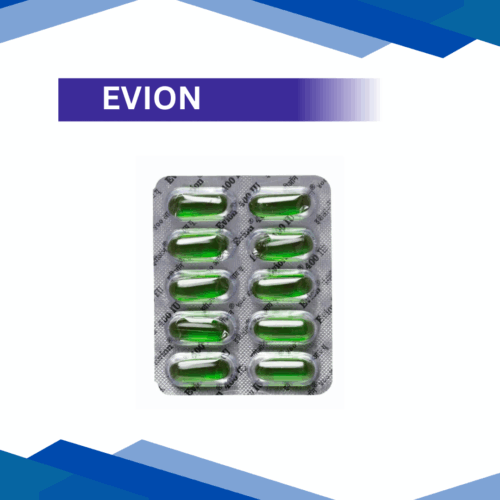
Vitamin E
Vitamin E: The Essential Antioxidant for Skin, Hair, and Immunity
Vitamin E is a potent, fat-soluble nutrient that plays a significant role in maintaining overall health. It is widely known for its powerful antioxidant properties which protect cells from oxidative stress caused by free radicals—unstable molecules that can damage cellular structures. While Vitamin E occurs naturally in foods like nuts, seeds, and leafy greens, many individuals turn to Vitamin E supplements to bridge the gap in common nutrients necessary to support certain health goals.
Benefits with Special Research for Vitamin E
Skin Health & Healing: Although Vitamin E has long been referred to as the "skin vitamin," its main role is to maintain moisture and support the skin's natural barrier against environmental stressors—largely UV rays and pollutants.
Hair Shine: With Vitamin E, fighting against oxidative stress over your scalp conditions hair follicles, which strengthens the roots and provides for natural radiant hair.
Immune System Support: This substance proves to enhance the immune response of the older individual by contributing to the life, stability, and normal function of the immune cell wall.
Cardiovascular Wellness: It assists in maintaining healthy blood vessels and supports smooth blood flow throughout the body.
How to Use Vitamin E Supplements
To get the most out of your supplement, keep the following guidelines in mind:
Consistency is Key: Take your capsule at the same time every day to maintain steady levels in your system.
Take with Meals: Since Vitamin E is fat-soluble, it is best absorbed when taken with a meal containing healthy fats (such as avocado, nuts, or olive oil).
Storage: Keep the bottle in a cool, dry place away from direct sunlight to prevent the softgels from degrading.
Frequently Asked Questions (FAQs)
Q: Can I apply Vitamin E capsule oil directly to my face?
A: The oil stored in the capsules can be used as a spot treatment, which is very hydrating. Still, acne-prone or oily skin should undergo testing (without the addition of other products to limit any variables). Such oil could possibly clog the pores.
Q: Is it safe to take Vitamin E if you're taking other supplements?
A: For most healthy adults, ingestion within the RDA on a daily basis does not pose any hazardous health risk. Dietary supplements have limitations of their own; taken in large quantities on an indefinite basis, Vitamin E affects the coagulation balance.
Q: How long does it take for the skin and hair to show Vitamin E supplement results?
A: With daily doses, one might see improvements in skin texture and hair health by the fourth to eighth week of beginning a regular supplement.
Q: Can Vitamin E be taken with other multivitamins?
A: In most multivitamin mixes, Vitamin E is a not-to-be-missed ingredient. It works especially well when combined with Vitamin C, as these two antioxidants play a complementary role in the body and help to replenish each other.
Note: It is strictly advised to seek guidance from your professional healthcare provider before starting any new supplement regimen, particularly if nursing, pregnant, or possessing coagulation-related issues.
At Gem Pharmacy, we make every effort to provide accurate, expert-written, and thoroughly reviewed information related to medicines. However, this information should not be considered a substitute for professional medical advice, diagnosis, or treatment from a qualified doctor.
The purpose of this information is to educate users and improve communication between patients and healthcare professionals. It should not be used to diagnose or treat any condition.
Always consult a certified healthcare professional before taking any medication.


Related products
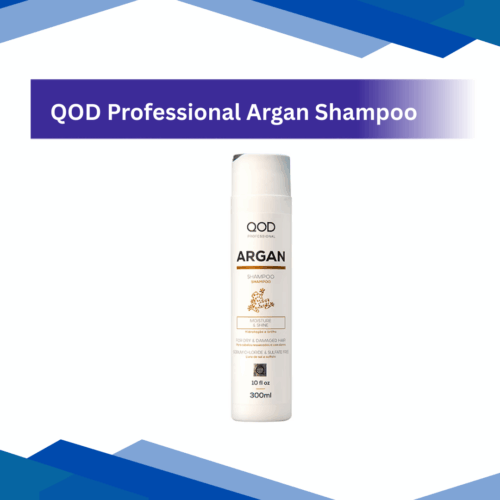
QOD Professional Argan Shampoo 300ml

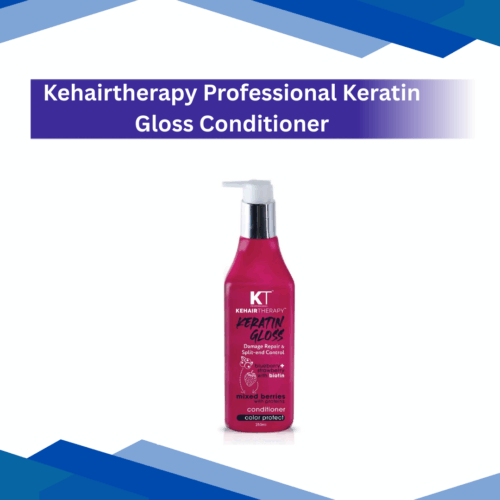
Kehairtherapy Professional Keratin Gloss Conditioner 250ml