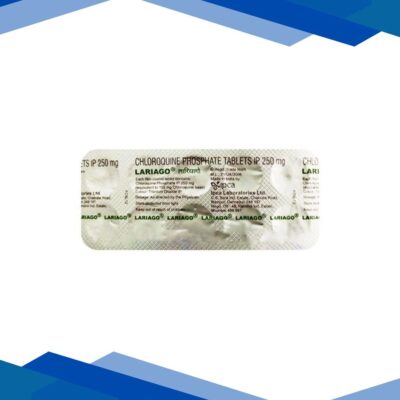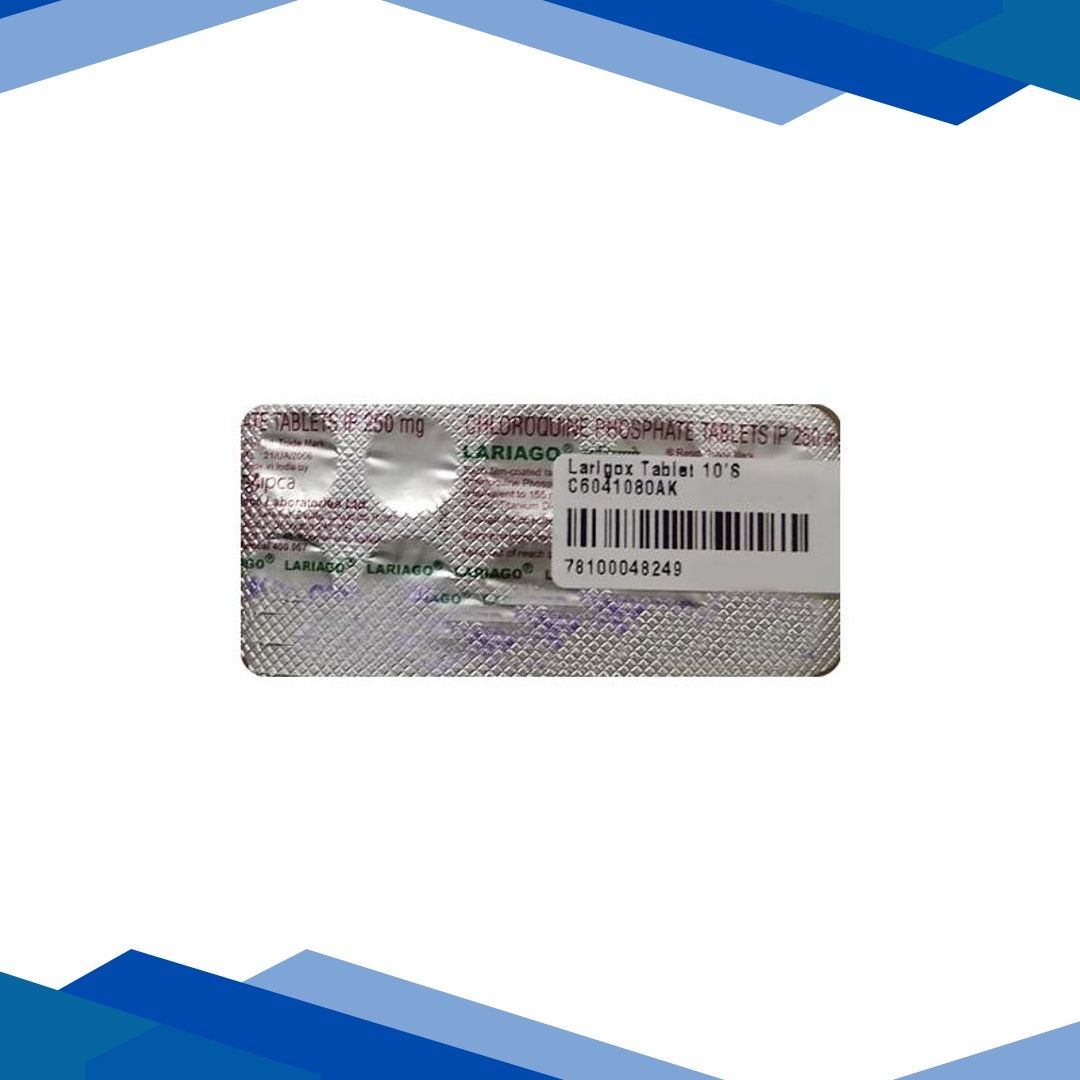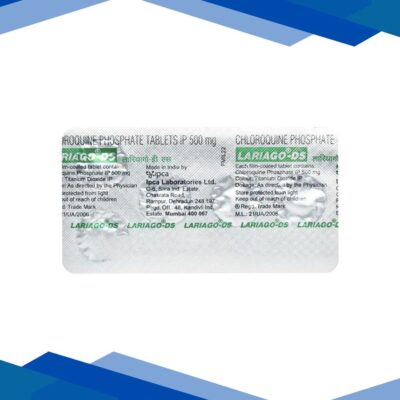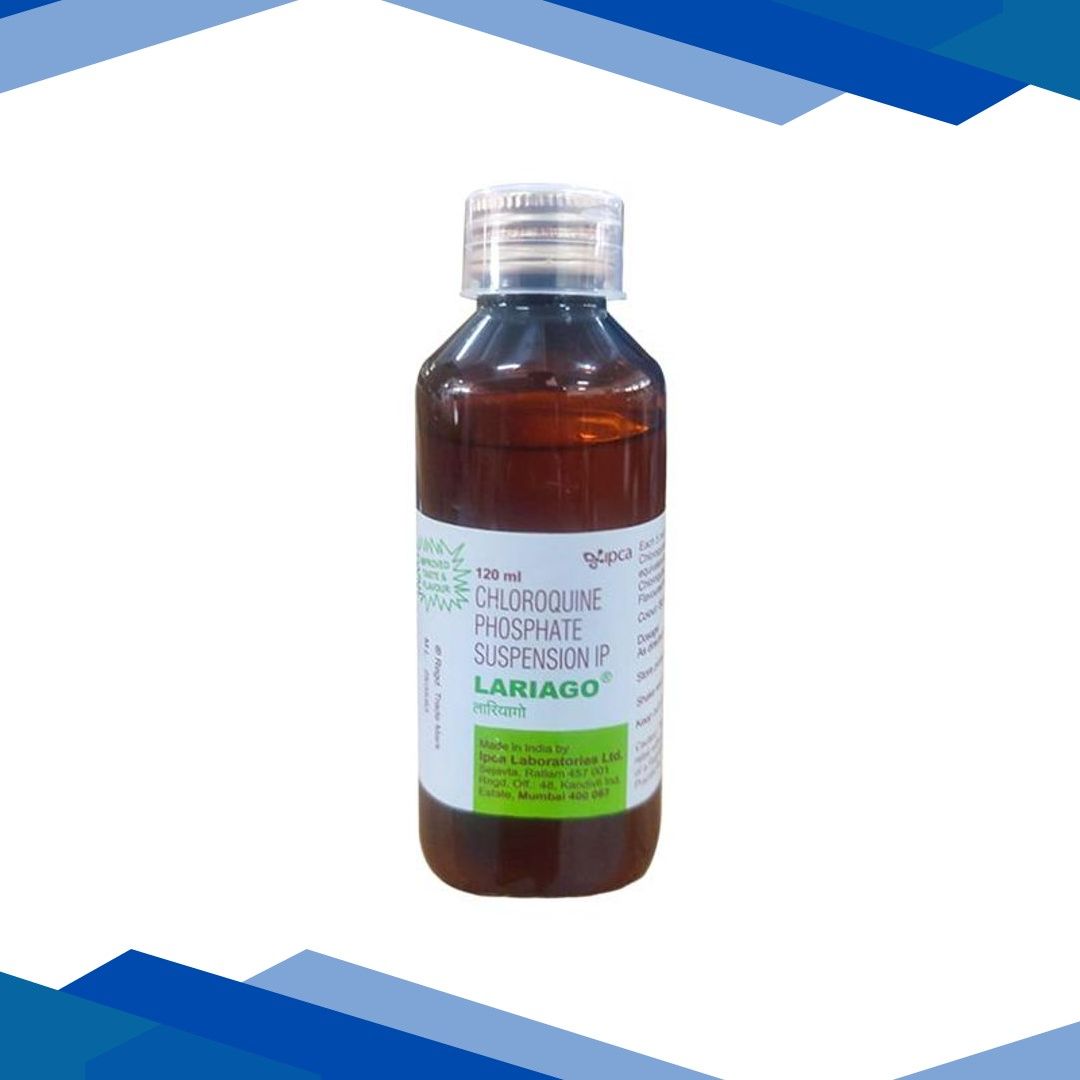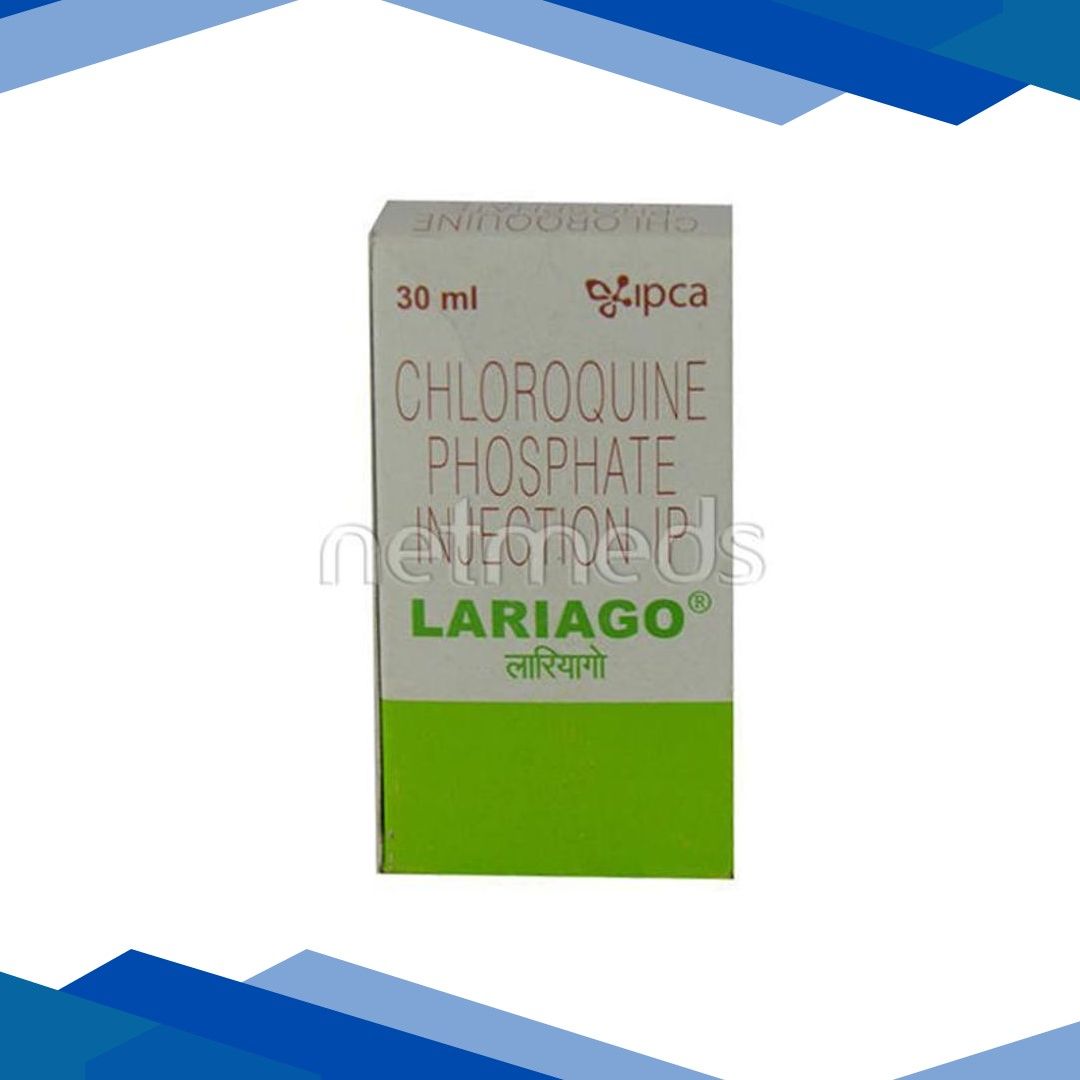
Lariago Injection 30ml
Lariago Injection is a medicine used to treat and help prevent certain infections caused by parasites, especially malaria. It works by interfering with the parasite’s ability to grow and survive inside the body, which helps stop the infection from spreading. In some cases, it may also be used under medical supervision for other conditions, such as certain autoimmune or inflammatory disorders, because it can help calm the immune response. Lariago Injection is not effective for all types of malaria or every infection, so a doctor should decide when it is appropriate. It is important to use this medicine exactly as prescribed, since its safety and effectiveness depend on the condition being treated and the patient’s overall health.
Description
Lariago Injection is a well-known antimalarial medicine that has been used for many years in the prevention and treatment of certain malaria infections. it belongs to a group of medicines that work by interfering with the life cycle of the malaria parasite inside the body. Lariago Injection is especially effective against susceptible strains of malaria parasites and has historically been an important medicine in areas where resistance is not a major concern. because malaria can be a serious and sometimes life-threatening illness, Lariago Injection may play an important role in prevention or treatment when prescribed by a qualified healthcare professional.
in addition to malaria, Lariago Injection has also been used in some other medical conditions under specialist supervision, depending on local treatment guidelines and individual patient needs. its usefulness beyond malaria is more limited and should only be considered when specifically recommended by a doctor. this medicine is not an antibiotic and does not work against viral infections or routine bacterial infections. it is important to understand that Lariago Injection must be used carefully, as inappropriate use may reduce its effectiveness and increase the risk of side effects.
Lariago Injection works by accumulating inside the parasite’s digestive compartment and disrupting how the parasite processes hemoglobin. this action creates toxic conditions that damage the parasite and help stop its growth. by interfering with parasite survival, Lariago Injection can help clear infection or reduce the chance of infection in people traveling to malaria-endemic regions, when it is appropriate for the parasite type in that region. however, resistance to Lariago Injection is common in many parts of the world, so its use depends strongly on local malaria patterns and medical advice.
who it is for: Lariago Injection is generally intended for people who need malaria prevention or treatment against Lariago Injection-sensitive malaria, and in some cases for selected inflammatory or autoimmune conditions when a specialist determines it is appropriate. it is not suitable for self-treatment without medical guidance, especially because malaria diagnosis, parasite resistance, and patient-specific risk factors all influence whether this medicine is safe and effective. people with heart rhythm disorders, eye disease, certain blood disorders, or serious liver or kidney problems may need extra caution or a different treatment altogether.
ingredients
- Lariago Injection: the active medicinal ingredient responsible for the antimalarial effect. it works by disrupting the parasite’s ability to break down hemoglobin, which ultimately weakens and kills susceptible malaria parasites. it may also have anti-inflammatory effects in some conditions, which is why it has been studied or used in selected non-malarial illnesses under professional supervision.
- tablet or syrup excipients: depending on the manufacturer, Lariago Injection products may contain inactive ingredients such as fillers, binders, disintegrants, sweeteners, flavoring agents, and coating materials. these ingredients do not treat the disease directly, but they help make the medicine stable, palatable, and easier to swallow or measure accurately.
- purified water or solvent base, if applicable: liquid preparations may contain a suitable solvent or vehicle to dissolve or suspend the medicine so it can be administered in a consistent dose. these components support proper delivery of the active ingredient.
key uses
- prevention of malaria: Lariago Injection may be used for malaria prophylaxis in areas where the malaria parasites are known to remain sensitive. it helps reduce the risk of developing infection after exposure, especially for travelers to specific regions.
- treatment of acute malaria: in cases where the malaria strain is susceptible, Lariago Injection can help eliminate parasites from the bloodstream and relieve fever, chills, headache, and other malaria symptoms. medical confirmation of the diagnosis is important before treatment.
- selected inflammatory conditions: in some settings, doctors may use Lariago Injection for certain autoimmune or inflammatory disorders when standard options are not suitable. this use is highly specialized and requires close monitoring because of the risk of side effects.
- other doctor-directed uses: in rare circumstances, specialists may consider Lariago Injection for additional off-label uses based on clinical judgment and current evidence. these decisions should only be made by a qualified clinician familiar with the patient’s full medical history.
how to use
Lariago Injection should always be used exactly as directed by a healthcare professional. the way it is taken depends on the reason for use, the patient’s age, body weight, medical condition, and the local resistance pattern of malaria. it is usually taken by mouth, with or after food if stomach upset occurs. taking it with food may help reduce nausea and discomfort. if a liquid formulation is used, it should be measured carefully with an appropriate dosing device rather than a household spoon.
for malaria prevention, the medicine is typically started before travel, continued during the period of exposure, and carried on for a short time after leaving the malaria-risk area, according to medical advice. for treatment, it is generally used as part of a doctor-prescribed plan and should be completed even if symptoms improve early, because stopping too soon can allow the infection to persist or return. do not use Lariago Injection for a fever without first considering malaria or other serious causes of illness, especially after travel to endemic areas.
it is very important not to exceed the recommended amount or take it more often than instructed. Lariago Injection can be harmful if taken incorrectly, and the risk of toxicity increases when doses are too high or when it is combined with other medicines that affect the heart rhythm. if you miss a dose, do not double the next dose unless a healthcare professional specifically tells you to do so. if vomiting occurs soon after taking a dose, medical advice may be needed because the medicine may not have been fully absorbed.
safety information
- warnings: Lariago Injection can cause serious side effects, especially if taken in excessive amounts or used in people with certain underlying conditions. one of the most important risks is heart rhythm disturbance, including qt prolongation, which can be dangerous and may lead to fainting or sudden cardiac complications. eye toxicity is another major concern with prolonged use, as Lariago Injection can affect the retina and vision. because of these risks, regular monitoring may be needed when the medicine is used for longer periods.
- side effects: common side effects may include nausea, vomiting, stomach pain, diarrhea, headache, dizziness, blurred vision, itching, and loss of appetite. some people may also notice mood changes or sleep disturbance. serious side effects can include severe allergic reactions, abnormal heart rhythms, muscle weakness, seizures, hearing changes, severe low blood sugar, liver problems, blood disorders, and visual changes that may indicate eye damage. any sudden vision change, chest pain, severe palpitations, fainting, or confusion should be treated as urgent medical concern.
- precautions: people with a history of retinal disease, significant heart disease, prolonged qt interval, epilepsy or seizure disorders, psoriasis, porphyria, liver disease, kidney impairment, or blood disorders may need special caution or may not be suitable candidates for Lariago Injection. extra care is needed in older adults and in anyone taking multiple medicines that can interact. regular eye checks and clinical monitoring may be recommended if use is prolonged.
- pregnancy/breastfeeding: Lariago Injection may be used in pregnancy in certain situations when the expected benefit outweighs the risk, especially for malaria prevention or treatment in areas where it remains appropriate. however, the decision must be individualized by a healthcare professional. small amounts may pass into breast milk, but breastfeeding considerations depend on the mother’s condition, the infant’s health, and the reason for treatment. a doctor should be consulted before use during pregnancy or breastfeeding.
- interactions: Lariago Injection can interact with medicines that affect heart rhythm, such as certain antiarrhythmics, some antidepressants, some antipsychotics, macrolide antibiotics, and other qt-prolonging drugs. it may also interact with antiepileptic medicines, antacids, digoxin, insulin or other glucose-lowering medicines, and drugs that affect liver enzymes or potassium levels. alcohol may worsen dizziness, stomach irritation, or general unwellness, so moderation or avoidance is often advisable. always tell the healthcare professional about all prescription medicines, over-the-counter products, supplements, and herbal products being used.
additional information
- storage: store Lariago Injection in a cool, dry place away from direct sunlight and moisture. keep it at room temperature unless the product label or pharmacist advises otherwise. do not store in bathrooms or near sinks where humidity is high. keep out of reach of children, as accidental ingestion can be dangerous or fatal.
- missed dose: if a dose is missed, take it as soon as you remember unless it is almost time for the next scheduled dose. if it is nearly time for the next dose, skip the missed dose and continue with the regular schedule. do not take extra medicine to make up for a missed dose unless instructed by a healthcare professional.
- overdose: Lariago Injection overdose is a medical emergency and can be life-threatening, especially in children. symptoms may include severe nausea, vomiting, dizziness, blurred vision, drowsiness, agitation, seizures, low blood pressure, irregular heartbeat, and collapse. if an overdose is suspected, seek emergency medical help immediately and contact poison control if available. do not wait for symptoms to worsen.
- habit forming: no. Lariago Injection is not considered habit-forming and does not cause addiction. however, it must still be used carefully because misuse, overuse, or unsupervised use can cause serious toxicity and dangerous complications.
frequently asked questions
Q: what is Lariago Injection used for?
A: Lariago Injection is mainly used for the prevention and treatment of certain malaria infections caused by Lariago Injection-sensitive parasites. in some cases, doctors may also use it for specific inflammatory conditions, but only under medical supervision.
Q: can Lariago Injection be used for any type of malaria?
A: no. Lariago Injection only works well against malaria strains that are sensitive to it. in many regions, resistance is common, so a healthcare professional must decide whether it is appropriate based on travel history, local resistance patterns, and test results when available.
Q: what are the most important safety concerns with Lariago Injection?
A: the most important concerns include heart rhythm problems, eye toxicity with longer use, serious allergic reactions, and overdose risk. people with heart disease, retinal disease, or certain other medical conditions may need a different medicine or closer monitoring.
Q: should Lariago Injection be taken with food?
A: it can often be taken with food or milk if stomach upset occurs. this may reduce nausea and abdominal discomfort. follow the directions given by a healthcare professional or the product label, especially if your formulation has special instructions.
Q: can i stop Lariago Injection when i feel better?
A: not without medical advice. if it is being used to treat malaria, the full prescribed course is important even if symptoms improve quickly. stopping early may allow the infection to persist or return.
Q: is Lariago Injection safe during pregnancy?
A: it may be used in pregnancy when a doctor determines it is necessary and appropriate, particularly for malaria-related indications. the benefits and risks must be assessed individually, so pregnant patients should never self-medicate.
Q: can Lariago Injection affect vision?
A: yes. eye and retinal toxicity are important possible risks, especially with prolonged use or high exposure. any blurred vision, difficulty reading, or changes in color vision should be reported promptly to a healthcare professional.
Q: what should i do if i miss a dose?
A: take the missed dose when you remember unless it is close to the time for the next dose. if so, skip the missed dose and continue as directed. do not double up doses.
Q: can Lariago Injection interact with other medicines?
A: yes. it can interact with medicines that affect heart rhythm, blood sugar, seizures, and other body systems. always inform your doctor or pharmacist about all medicines and supplements you take before starting Lariago Injection.
Q: is Lariago Injection the same as an antibiotic?
A: no. Lariago Injection is an antimalarial medicine, not an antibiotic. it does not treat typical bacterial infections, and it is not useful for viral illnesses.
this information is for educational purposes only and should not be considered medical advice. always consult a qualified healthcare professional before use.
At Gem Pharmacy, we make every effort to provide accurate, expert-written, and thoroughly reviewed information related to medicines. However, this information should not be considered a substitute for professional medical advice, diagnosis, or treatment from a qualified doctor.
The purpose of this information is to educate users and improve communication between patients and healthcare professionals. It should not be used to diagnose or treat any condition.
Always consult a certified healthcare professional before taking any medication.


Related products